Did you know that over 1.7 billion people worldwide lack access to financial services? Microfinance emerges as a powerful tool to bridge this gap, offering small loans and financial resources that empower the poor to start businesses and improve their livelihoods. By providing access to capital and financial literacy, microfinance enables individuals to escape the poverty trap, breaking cycles of dependency while fostering self-sufficiency. Readers who care about social justice and economic development will find that understanding microfinance is crucial for addressing global poverty. This article explores the transformative impact of microfinance, sharing real-life success stories and actionable strategies that can inspire change. Join us as we uncover how microfinance not only uplifts individuals but can also strengthen entire communities, creating a ripple effect of positive change.
Understanding the Poverty Trap and Its Impacts
The poverty trap is a multifaceted issue that keeps individuals and families locked in a cycle of deprivation, often despite their best efforts to improve their situations. At its core, the poverty trap is characterized by a lack of access to essential resources such as education, healthcare, and financial services, which limits economic mobility. This stagnation is particularly prevalent in impoverished communities, where factors like limited job opportunities, poor health, and inadequate education create a perfect storm that perpetuates poverty. Even small financial shocks can be devastating, leading to the loss of housing or health, which further entrenches families in poverty.
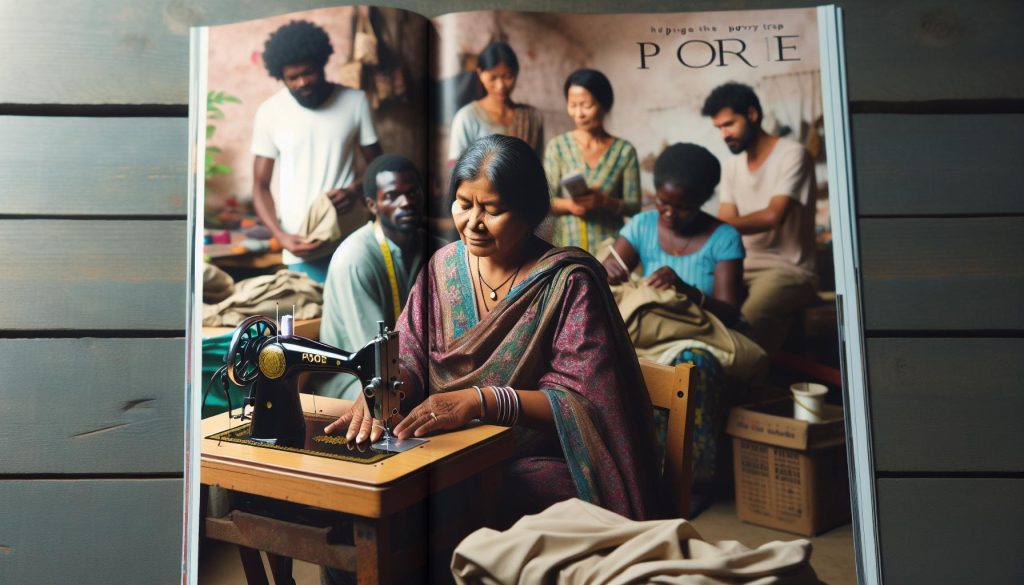
Microfinance emerges as a powerful tool in addressing the poverty trap by providing access to financial resources that are traditionally unavailable to the underserved. By offering small loans, savings accounts, and other financial services, microfinance institutions empower individuals to start small businesses, invest in education, or cover unexpected expenses. For example, a small loan can enable a mother to purchase equipment for her sewing business, thereby increasing her income and improving her family’s standard of living. These financial resources not only help individuals navigate immediate challenges but also encourage investment in long-term growth, showcasing the critical role of microfinance in breaking the cycle of poverty.
Moreover, microfinance initiatives often incorporate education and training, equipping individuals with the skills needed to manage their finances and run successful businesses. This holistic approach helps communities develop resilience against economic shocks, which is essential for fostering sustainable growth. As communities begin to thrive, the benefits extend beyond individual families. Enhanced economic activity can lead to improved local infrastructures, such as better schools and healthcare facilities, creating a ripple effect that uplifts entire communities. Thus, through targeted financial support and education, microfinance does not just alleviate poverty; it transforms lives and builds pathways out of the poverty trap.
What Is Microfinance and How Does It Work?
Microfinance offers a transformative solution for individuals caught in the web of poverty, providing access to essential financial services that can catalyze change in their lives. At its core, microfinance involves extending small loans, savings accounts, and insurance to those who typically lack access to traditional banking services. This financial support empowers individuals to pursue entrepreneurial ventures, support their families, and improve their living conditions without the burdensome requirements associated with conventional loans, which often demand collateral that impoverished individuals do not possess.
How Microfinance Works
Microfinance institutions (MFIs) operate on the principle of providing financial products tailored to the unique needs of the poor. They often utilize community-based models where borrowers form groups, sharing the responsibility of repayment and thus enhancing accountability. This system not only fosters a sense of community but also significantly lowers default rates. For example, in many MFIs, a group of five individuals may apply for a collective loan. If one member defaults, the others are motivated to ensure repayment to protect their creditworthiness, creating a support network among borrowers.
The loan amounts provided are typically small-ranging from $100 to $5,000-allowing individuals to invest in micro-entrepreneurial endeavors such as starting a small shop, purchasing livestock, or funding education for themselves or their children. These loans are usually accompanied by training programs that equip borrowers with essential business skills and financial literacy. By combining finance with education, MFIs create a holistic approach that addresses not just immediate financial needs but also the long-term capacity for self-sufficiency.
Real-World Impact
Consider the story of a woman in rural Bangladesh who, through a microfinance program, received a loan to purchase a sewing machine. Initially only able to earn money by working in the fields, this venture allowed her to establish a small business. As her income increased, she could afford to send her children to school, thus breaking the cycle of poverty for her family. This example encapsulates the potential of microfinance: a small financial intervention can unlock opportunities for education, better health, and improved living conditions.
In summary, microfinance serves as a bridge out of poverty by providing critical financial resources to those most in need. It is more than just lending money; it fosters entrepreneurship, builds skills, and strengthens community ties, ultimately helping individuals to escape the grips of the poverty trap. Through sustained support and engagement, microfinance not only transforms lives but also plants the seeds for resilient, thriving communities.
The Role of Microfinance in Alleviating Poverty
Microfinance stands as a powerful antidote to the pervasive issue of poverty, offering a lifeline to millions around the globe. By providing small loans and financial services to those historically excluded from traditional banking systems, microfinance empowers individuals to lift themselves from their circumstances. The underlying premise is simple yet profound: when people are given the means to invest in their potential, they can forge paths to improved livelihoods and, consequently, a better quality of life.
One of the key roles of microfinance in poverty alleviation is its ability to foster entrepreneurship. Many impoverished individuals harbor ideas for small businesses or initiatives but lack the necessary capital to turn those dreams into reality. Microfinance institutions (MFIs) bridge this gap by offering loans that range from modest sums of $100 to around $5,000. This financial support enables borrowers to launch small enterprises-such as markets, tailoring services, or organic farming-that can generate income and create jobs within their communities. A notable example highlights a group of women in Kenya who successfully pooled their microloans to start a community bakery; not only did this venture provide them with sustainable income, but it also enhanced local food security.
Moreover, microfinance does not solely focus on financial empowerment; it often incorporates educational initiatives. Training programs in business management, financial literacy, and marketing are frequently offered alongside loans, ensuring that borrowers not only receive financial help but also the knowledge to manage it effectively. For instance, programs in the Philippines have demonstrated that training alongside financial assistance leads to higher success rates for small businesses, thereby breaking the cycle of poverty more efficiently.
Importantly, microfinance also plays a significant role in enhancing gender equality. In many developing regions, women often face more rigid barriers to education and financial independence. When MFIs prioritize lending to female entrepreneurs, they not only promote economic development but also encourage social progress. Success stories abound, such as organizations like Grameen Bank, which have helped women achieve financial autonomy-thereby enabling them to invest in their children’s education and health. This ripple effect further integrates microfinance into broader community development strategies, fostering environments where entire families can thrive.
Ultimately, transcends mere financial transactions; it acts as a catalyst for change. By empowering individuals through accessible financial tools and education, microfinance nurtures a pathway out of poverty, fostering resilience, promoting entrepreneurship, and enabling sustainable community development. The journey from poverty to prosperity, although challenging, becomes significantly more achievable with the right support.
Success Stories: Microfinance Transformations
In the vibrant landscape of microfinance, countless individuals have transformed their lives through innovative financial solutions. For instance, take the story of Fatima, a single mother from Bangladesh. Struggling to provide for her two children, Fatima received a small loan from a local microfinance institution (MFI) to purchase a sewing machine. With determination and newly acquired skills from training programs offered by the MFI, she established a tailoring business from her home. Within a year, Fatima not only paid back her loan but also expanded her operations, hiring other women in her neighborhood. This simple yet profound access to capital allowed her to break free from the poverty cycle and uplift her community.
Empowering Women and Communities
The impact of microfinance is especially notable in empowering women. A compelling example is found in the rural areas of India, where an MFI enabled a group of women to pool their resources to start a livestock farming venture. Initially hesitant, these women collectively acquired goats for milk production. With guidance on managing their finances and livestock, they saw their income rise significantly. As a result, not only did they secure their families’ livelihoods, but they also reinvested in education for their children, creating a generational impact that resonates through their community.
The Transformational Power of Education
Education plays a pivotal role in the success of microfinance initiatives. The case of an MFI in Kenya illustrates this well. Here, clients received loans coupled with business training focused on financial literacy, marketing strategies, and operational management. One participant, Alex, leveraged this education to revolutionize his small grocery business. He learned to manage inventory better and offer local products, which attracted more customers. Alex’s journey from a struggling shopkeeper to a thriving local entrepreneur showcases how microfinance can empower individuals through knowledge, providing them with the tools to thrive.
These success stories reflect a broader trend where microfinance serves not just as a financial tool but as a beacon of hope, promoting entrepreneurship, community, and resilience. By equipping individuals with the necessary resources-both financial and educational-microfinance paves the way for transformative changes, showcasing the remarkable potential of human ingenuity when given a chance.
Challenges Faced by Microfinance Institutions
In the dynamic realm of microfinance, while the potential for positive transformation is palpable, numerous challenges complicate the landscape for microfinance institutions (MFIs). One significant issue is the financial sustainability of these institutions. MFIs often operate in high-risk environments with limited access to capital. Operating costs can exceed revenue due to the necessity of providing small loans and the higher rates of default that often accompany lending to low-income borrowers. Many MFIs struggle to find a balance between profitable operations and their mission to serve the poorest of the poor, leading to a reliance on donor funding which may not always be reliable in the long term.
Another key challenge is the over-indebtedness of clients. While access to credit can empower individuals, it can also lead to cycles of debt when borrowers take on more loans than they can manage. Instances where clients enroll in multiple loan programs exacerbate this issue, leading to increased default rates. MFIs are often under pressure to meet growth targets, which may incentivize them to prioritize loan disbursement over borrower education and responsible lending practices. Ensuring clients are financially literate and understand the terms of their loans is essential to mitigating this risk, yet many institutions may lack the resources for comprehensive financial education programs.
Additionally, regulatory challenges pose significant hurdles for MFIs worldwide. Many operate within thin regulatory frameworks that may not adequately protect borrowers or support sustainable lending practices. In some regions, regulations can be overly restrictive, limiting the types of services MFIs can offer, while in others, the absence of regulation can lead to predatory practices. Navigating these regulatory environments requires MFIs to invest in compliance efforts, which can detract from their core mission and resources.
Lastly, the impact of external economic factors cannot be overlooked. Global events such as economic downturns, natural disasters, and political instability directly affect the ability of clients to repay loans. For instance, during a pandemic, many borrowers may face unemployment or reduced incomes, leading to increased delinquencies. MFIs must prepare for such volatility, often requiring them to develop contingency plans and flexible repayment options to support their clients during crises, which can strain operational capacities.
Ultimately, addressing these challenges is crucial for the continued success and growth of microfinance as a viable solution for poverty alleviation. By focusing on sustainable practices, improving client education, and working within balanced regulatory frameworks, MFIs can better navigate this complex landscape and provide enduring support to those they aim to assist.
Comparing Microfinance Models: A Global Perspective
Microfinance has emerged as a crucial tool in the global fight against poverty, with various models tailored to meet the diverse needs of communities across different regions. Understanding these models helps highlight how microfinance can effectively support individuals in escaping the poverty trap. For instance, the Grameen Model, pioneered by Muhammad Yunus in Bangladesh, emphasizes group lending, where small groups of borrowers support each other in repayment and business development. This model not only reduces the risk of defaults but also fosters a sense of community and mutual accountability. In contrast, the Village Banking Model-popularized by organizations like ACCION International-provides community-managed banks that supply loans and savings facilities. This model empowers communities to self-manage their finances while also creating a safety net for borrowers, thus minimizing financial risks often associated with micro-lending.
Another notable approach is the Cooperative Model, which builds on the principle of collective ownership and democratic decision-making. In this framework, members pool their resources to provide loans to one another at favorable terms. This model has been particularly successful in regions with high levels of trust and social cohesion, as it promotes financial inclusion and allows members to retain control over their financial destinies. On the other hand, Social Enterprise Models bridge the gap between business and charity by combining profit-making with social missions, focusing on sustainable development and drawing investments back into the communities they serve. These hybrid models often incorporate innovative business solutions to tackle social issues while generating revenue.
As we compare these microfinance models, a few common themes emerge. The importance of financial literacy cannot be overstated; effective programs incorporate training that empowers borrowers with the skills necessary to manage loans wisely and grow their businesses. Additionally, establishing accountability mechanisms, such as group lending or community oversight, significantly enhances repayment rates and promotes responsible borrowing. Furthermore, adaptability to local contexts is vital; microfinance solutions that consider cultural, economic, and social dynamics are more likely to succeed.
To illustrate the impact of these models, let’s take a look at a few success stories:
- In Peru, cooperative microfinance models have helped rural populations transition from subsistence farming to profitable agro-businesses by providing tailored financial products and education.
- In Kenya, mobile banking platforms like M-Pesa have revolutionized access to microfinance by allowing users to deposit, withdraw, and transfer money through their phones, dramatically improving financial access and inclusion.
By analyzing these diverse models, we can see that there is no one-size-fits-all solution. Each microfinance approach offers unique benefits that can be leveraged to effectively address the specific challenges faced by the poor in their quest to overcome poverty. As the landscape of microfinance continues to evolve, integrating effective practices from various models will likely enhance their capacity to empower the underserved, ultimately contributing to a more equitable global economy.
Microfinance vs. Traditional Banking: Key Differences
In the landscape of financial services, the contrast between microfinance and traditional banking reveals critical differences, particularly in their target audience and operational approach. Microfinance, often a lifeline for the economically marginalized, focuses on providing small loans and financial services to those typically underserved by conventional banks. According to the World Bank, approximately 1.7 billion adults remain unbanked globally, underscoring the vital role microfinance plays in extending financial access to these populations. While traditional banks prioritize larger loans, creditworthiness based on conventional metrics, and higher-income clients, microfinance institutions (MFIs) adopt a more personalized, community-focused approach.
Unique Lending Mechanisms
Traditional banks usually require substantial collateral and a solid credit history as prerequisites for loan approval, which can inhibit access for low-income individuals with limited assets or formal financial records. In contrast, microfinance lenders often utilize group lending models where borrowers form small groups to guarantee each other’s loans. This method not only diminishes the financial risk but also fosters solidarity and accountability among borrowers. For example, in many microfinance programs, if one member struggles to repay, the group collectively works to support them, which reinforces community bonds while ensuring higher repayment rates.
Additional Services and Support
Beyond loans, MFIs often provide critical educational resources aimed at enhancing financial literacy. These encompass workshops on managing savings, budgeting, and business planning, elements that traditional banks do not typically offer. This holistic support system empowers borrowers to make informed financial decisions, boosting their chances of success in entrepreneurship and improving their overall economic standing. For instance, an MFI in Bangladesh not only offers microloans to women but also conducts monthly training sessions on cash flow management, leading to better business outcomes.
Impact on Community Development
Microfinance institutions frequently adopt a development-oriented perspective, recognizing that loans are not merely financial transactions but tools for social change. By targeting marginalized groups, particularly women, MFIs catalyze broader community improvements, such as enhanced educational opportunities for children and better health outcomes through increased household income. Women benefiting from microfinance loans have been shown to reinvest a significant portion of their income back into their families and communities, thereby fostering sustainable development. Traditional banks, while impactful in their own right, often miss this multifaceted approach focused on community upliftment, yearning for higher returns typically at the expense of long-term social investments.
Ultimately, the key differences between microfinance and traditional banking lie in their accessibility, methods of lending, and the values underlying their operations. While traditional banks serve as crucial financial intermediaries for wealthier segments, microfinance presents a powerful alternative, actively working to integrate the underserved into the financial ecosystem and thus help lift them out of the poverty trap.
Evaluating the Impact of Microfinance on Livelihoods
Access to financial services can transform lives, especially for the world’s poorest populations who often lack traditional banking options. Microfinance, which provides small loans and support to individuals without access to conventional credit, plays a vital role in helping people build sustainable livelihoods. A study from the Grameen Foundation indicated that participants in microfinance programs often see significant increases in income, savings, and investment in education and health-key components for breaking the cycle of poverty.
Positive Changes in Livelihoods
Individuals who engage with microfinance institutions (MFIs) frequently report improvements in their economic conditions. For instance, a woman in rural India may take a small loan to purchase materials for making handicrafts. With a microloan, she can scale her operations, increase production, and sell her goods at local markets. The resulting profits not only enhance her family’s income but also allow reinvestment into her children’s education, fostering a cycle of upward mobility. Evidence suggests that these financial improvements lead to greater community engagement and stability, as families become less reliant on uncertain external funding.
Empowerment Through Skill Development
Microfinance is not merely about providing loans; it’s about empowering individuals through skill development and education. Many MFIs offer training programs alongside financial products, equipping borrowers with essential skills for managing a business, improving agricultural techniques, or enhancing vocational abilities. For instance, a bakery owner supported by an MFI might receive training in quality control and marketing strategies, which can significantly enhance her competitiveness in the local marketplace. This combination of financial support and skill development helps ensure the longevity and resilience of microenterprises.
Social and Economic Empowerment
Moreover, the impact of microfinance extends beyond financial metrics; it engenders a sense of social empowerment. Women, who often comprise a majority of microfinance clients, experience increased autonomy and decision-making power within their households and communities. This shift is notable in cultures where traditional roles may limit women’s participation in economic activities. Studies have shown that women who receive microloans are more likely to contribute to their household’s economy and become involved in community initiatives, creating ripple effects that promote collective growth and empowerment.
In summary, the contributions of microfinance to improving livelihoods are substantial, marked by enhanced income potentials, skill development, and social empowerment. These elements collectively create a framework that not only supports individuals escaping the poverty trap but also fosters community development and sustainable economic progress. The multifaceted positive outcomes associated with microfinance illustrate its crucial role in the global effort to reduce poverty and empower the underprivileged.
How Microfinance Supports Female Entrepreneurs
Entrepreneurship can often be a beacon of hope for women living in poverty, and microfinance plays a vital role in illuminating that path. With access to small loans, women can start or expand their businesses, ultimately gaining economic independence and enhancing their families’ quality of life. For example, a woman in Bangladesh might use a microloan to purchase livestock, transforming her family’s food security while generating income through selling milk or livestock products. This kind of grassroots economic empowerment is critical, as it not only uplifts individual households but also strengthens entire communities by creating jobs and fostering local economies.
Financial Literacy and Training
Microfinance institutions (MFIs) recognize that financial support alone will not suffice; thus, many combine loans with financial literacy programs tailored specifically for female entrepreneurs. These programs often teach vital skills such as budgeting, savings strategies, and business planning. For instance, a microfinance program in Kenya that includes training on how to market products and manage finances has led to increased revenue for their clients. By equipping women with essential business acumen, MFIs enhance their confidence and capability to sustain and grow their enterprises over time.
Creating Supportive Networks
Female entrepreneurs who participate in microfinance programs often find themselves in supportive networks. Many MFIs employ a group-lending model that encourages women to form cohorts where they can share resources, advice, and moral support. This camaraderie is crucial, especially in conservative societies where women may face barriers when starting a business alone. Real-world examples include women artisans in India who band together under a cooperative model, sharing skills and marketing their crafts collectively, leading to greater market visibility and economic success.
Transforming Gender Norms
The impact of microfinance extends beyond economics; it also has social implications that can transform gender norms. Studies indicate that women who engage in entrepreneurial activities through microfinance not only gain financial autonomy but also influence their roles within the household. As women demonstrate their ability to contribute economically, families and communities begin to shift perspectives regarding women’s positions in society. This change can lead to a more equitable distribution of responsibilities and decision-making power in households, fostering an environment where future generations can thrive without the same barriers.
Ultimately, microfinance serves as a powerful tool to uplift female entrepreneurs, providing them not only with the financial means to start businesses but also essential training and a vital support network. By engaging women in economic activities and empowering them with knowledge and resources, microfinance contributes significantly to breaking the cycle of poverty, lifting families out of hardship, and encouraging gender equality.
Microfinance and Community Development: A Synergistic Approach
Microfinance initiatives are not just about providing financial assistance; they create a robust ecosystem that fosters community development and social cohesion. As small loans enable individuals to start their own businesses, they simultaneously contribute to the local economy, generating employment opportunities and revitalizing neighborhoods. For instance, a microfinance program in a rural area might empower a few entrepreneurs to open shops, which in turn can lead to the establishment of local supply chains, boosting trade and services. This ripple effect demonstrates how microfinance can catalyze broader economic revitalization and community engagement.
Building Local Capacities
Microfinance institutions (MFIs) often do more than just lend money; they provide essential training and resources that enhance community capacities. These programs focus on critical areas such as business management, financial literacy, and sustainable practices. For example, an MFI might conduct workshops that train borrowers on agricultural techniques or eco-friendly production methods, equipping participants with skills that lead to improved sustainability. As community members share their knowledge, they create a culture of collaboration where learning and innovation thrive, significantly contributing to community resilience.
Fostering Inclusivity
Microfinance also promotes social inclusion, particularly for marginalized groups such as women, youth, and the disabled. By prioritizing these demographics in their lending strategies, MFIs can drive collective empowerment and transform societal norms. For example, women-led microenterprises not only enhance household incomes but also challenge traditional gender roles, as successful female entrepreneurs garner respect and visibility within their communities. This shift results in more equitable social structures where all members can advocate for change and improvement in communal resources and opportunities.
Encouraging Community Investment
When local entrepreneurs receive support through microfinance, they often reinvest their earnings back into the community. This investment may take the form of local infrastructure improvements, charitable initiatives, or support for community projects. Take, for instance, a group of microloan recipients who, after achieving economic stability, might pool resources to build a well or a community center. Such endeavors illustrate the interconnectedness of financial support and community welfare, leading to enhanced living conditions for all residents.
By weaving financial solutions into the fabric of community development, microfinance serves as a transformative force that not only provides individual economic opportunities but also fosters an environment where collective growth can flourish. As communities become more empowered, their members are better equipped to tackle challenges, creating a sustainable model that continuously uplifts the poorest and most vulnerable.
Measuring the Long-Term Effects of Microfinance on Poverty
Microfinance has emerged as a pivotal force in the fight against poverty, with its long-term effects meticulously studied across various regions and contexts. One of the most compelling insights is that beneficiaries of microfinance often demonstrate sustained improvements in their living conditions for years after receiving their initial loans. Research suggests that successful microfinance initiatives can lead to increased household income, enhanced economic stability, and improved access to essential services such as education and healthcare.
A range of metrics are utilized to measure these long-term impacts. For example, longitudinal studies often track changes in income levels over time, assessing how microloans contribute to growth in entrepreneurial activity. Many individuals who receive microfinance assistance not only start businesses but also invest in training and diversification, leading to a more resilient economic base. Assessing these changes can involve:
- Income Growth: Measuring the percentage increase in income over time, often compared to control groups who did not receive microfinance support.
- Asset Accumulation: Evaluating the growth of household assets, which might include savings, property, or business inventory.
- Education Outcomes: Observing changes in school enrollment and educational attainment among children in microfinance-supported households, which are often linked to increased family income.
Moreover, qualitative assessments play a vital role in understanding individual experiences and community transformations. Interviews and case studies reveal personal narratives of empowerment and resilience, showcasing how access to credit has changed lives. For instance, a woman who once struggled to support her family might share how a microloan enabled her to start a sewing business, leading to greater financial independence and an ability to fund her children’s education.
In addition, community-level impacts are notable. Over time, microfinance can contribute to a vibrant local economy, fostering networks of support and collaboration among borrowers. This not only enhances individual success but strengthens community cohesion and resilience against external socioeconomic shocks. As borrowers reinvest their earnings into community initiatives-be it infrastructure projects, local health services, or educational programs-the benefits of microfinance extend far beyond the individual borrower.
By systematically evaluating both quantitative and qualitative outcomes, stakeholders can gauge the real and lasting effects of microfinance on poverty alleviation. These insights are crucial for refining microfinance strategies and ensuring they adapt to the ever-changing economic landscapes, ultimately supporting the goal of creating sustainable pathways out of poverty.
Frequently Asked Questions
Q: How does microfinance provide financial inclusion to the poor?
A: Microfinance provides financial inclusion by offering small loans and financial services to those traditionally excluded from banking systems. This empowers the poor to start businesses, save money, and manage risks, fostering economic participation and self-sufficiency in communities. For more details, refer to the section on “The Role of Microfinance in Alleviating Poverty.”
Q: What are the key benefits of microfinance for low-income families?
A: The key benefits of microfinance for low-income families include access to capital for income-generating activities, opportunity to improve household financial management, and fostering entrepreneurship. This leads to better living standards and resilience against financial crises. See “Success Stories: Microfinance Transformations” for real examples.
Q: Why is microfinance considered a tool for women’s empowerment?
A: Microfinance is a powerful tool for women’s empowerment as it enables them to gain financial independence, control over household resources, and skill development. Women often reinvest earnings back into their families, improving education and health outcomes. Explore more in “How Microfinance Supports Female Entrepreneurs.”
Q: How can microfinance contribute to community development?
A: Microfinance contributes to community development by fostering collective initiatives, increasing local business growth, and enabling community members to invest in public goods. This synergistic approach enhances local economies and social cohesion. For more insights, read “Microfinance and Community Development: A Synergistic Approach.”
Q: What are some common challenges faced by microfinance institutions?
A: Common challenges faced by microfinance institutions include high operational costs, risk of over-indebtedness among clients, and regulatory constraints. Addressing these challenges is crucial for sustainability and effectiveness. For a deeper understanding, consult “Challenges Faced by Microfinance Institutions.”
Q: How does microfinance differ from traditional banking models?
A: Microfinance differs from traditional banking by focusing on underserved populations with small loan amounts and minimal collateral requirements. It often emphasizes social impact alongside profit, whereas traditional banks primarily prioritize financial returns. More on this topic can be found in “Microfinance vs. Traditional Banking: Key Differences.”
Q: What should potential borrowers consider before accessing microfinance?
A: Potential borrowers should consider their repayment capacity, the purpose of the loan, and the terms offered by the microfinance institution. Understanding the implications and responsibilities of borrowing is vital for avoiding over-indebtedness. Check “Evaluating the Impact of Microfinance on Livelihoods” for guidance.
Q: How effective is microfinance in breaking the poverty cycle?
A: Microfinance is effective in breaking the poverty cycle by providing access to financial resources, enabling income generation, and fostering capacity building. Case studies show that consistent support can lead to sustainable poverty alleviation. For more metrics, see “Measuring the Long-Term Effects of Microfinance on Poverty.”
Insights and Conclusions
Microfinance plays a crucial role in breaking the cycle of poverty by empowering individuals with the financial tools they need to create sustainable livelihoods. By investing in small businesses and fostering entrepreneurship, microfinance not only provides immediate financial relief but also promotes long-term economic growth. Don’t let the opportunity to change your life slip away-take action today! Explore our resources on microfinance success stories and tips on starting your own business to deepen your understanding and make empowered financial decisions.
To stay informed, consider signing up for our newsletter, where we share the latest insights on financial empowerment and poverty alleviation. If you have questions or want to share your experiences, leave a comment below; we’d love to hear from you! Remember, each small step is a leap towards escaping the poverty trap-your journey starts now! For more on related topics, check out our articles on the impact of community lending and innovative microfinance strategies that are changing lives globally.