![How Is Climate Change Affecting Bees? [Urgent Alert]](https://www.impact-investing.eu/wp-content/uploads/2025/10/5048-how-is-climate-change-affecting-bees-urgent-alert-1024x585.jpg)
Did you know that climate change poses a serious threat to our bee populations, which are crucial for pollinating about one-third of the food we consume? As temperatures rise and weather patterns become increasingly unpredictable, bees are struggling to survive. This not only jeopardizes their existence but also threatens global food security. In the UK and beyond, extreme weather conditions, such as droughts and erratic frosts, directly impact bee health and their vital role in our ecosystems. Addressing this urgent issue requires our collective action-whether it’s through planting climate-resilient flowers or advocating for policy changes. By understanding how climate change impacts these essential pollinators, we can better appreciate their value and take meaningful steps towards their protection. Continue reading to discover the various ways climate change is affecting bees and what we can do to aid their survival.
How Climate Change Impacts Bee Populations
As the planet warms and weather patterns become increasingly erratic, the resilience of bee populations is pushed to the brink. Alterations in temperature, precipitation, and flowering times disrupt the delicate balance that bees depend on for foraging, reproduction, and overall survival. The pressures of climate change exacerbate existing threats such as habitat loss and pesticide exposure, creating a compounded effect that seriously endangers these vital pollinators. Studies have shown that bees are not only experiencing shifts in their natural habitats but also facing challenges in finding adequate food sources as flowering plants bloom at inconsistent times, often out of sync with the bees’ foraging periods [1][3].
Additionally, fluctuating weather conditions, including extreme droughts and heavy rainfall, have significant impacts on the health of bee colonies. For instance, stress from poor weather conditions can lead to a reduction in foraging efficiency and, consequently, insufficient food availability, ultimately impairing colony health [2]. Moreover, increased foraging times caused by prolonged drought or variable temperatures can elevate the risks of disease transmission among bee populations, as pathogens, including the notorious Varroa mite, find more opportunities to spread across colonies [1].
To mitigate these impacts, efforts must focus on enhancing habitat resilience through the strategic planting of climate-adapted flowers that provide consistent forage throughout the seasons. By choosing drought-tolerant and frost-resistant plants, local communities can support the existence of bee populations amid changing climatic conditions. This proactive approach not only helps sustain bee populations but also ensures the continued pollination services they provide, which are essential for food production and biodiversity. As we face these global challenges, it is crucial to foster informed optimism and engage in responsible actions that support the survival of bees and their ecosystems.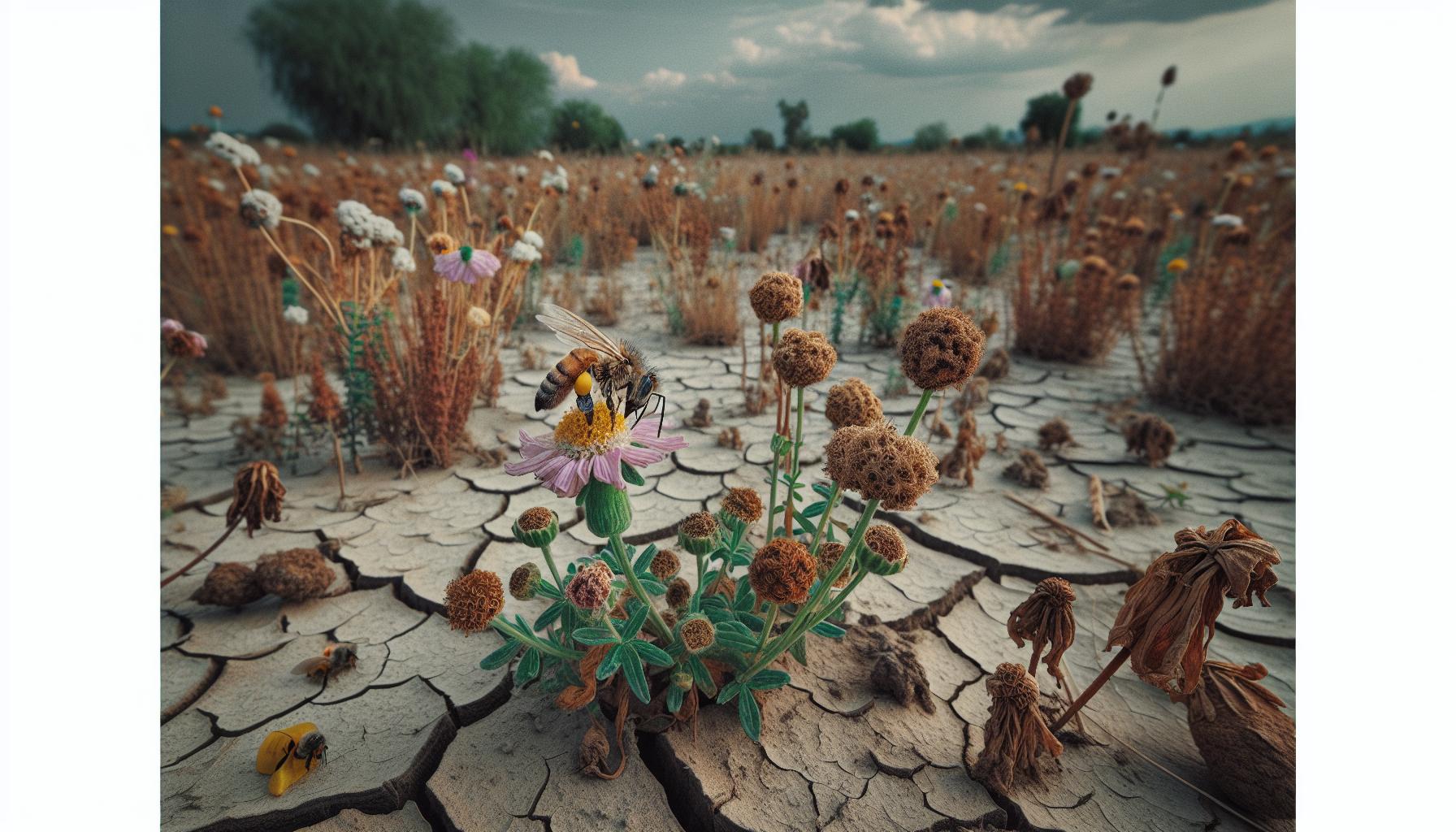
The Role of Bees in Ecosystems and Agriculture
Bees are indispensable to our ecosystems and agricultural systems, acting as critical pollinators that contribute significantly to the health of plants. It’s estimated that one-third of the food we consume relies on pollination, primarily carried out by bees. Without these tireless workers, many fruits, vegetables, and nuts – such as apples, blueberries, and almonds – would see drastic reductions in yield or even face extinction. The interdependence between bees and the plants they pollinate underscores a vital ecological balance that is now threatened by climate change.
The effects of climate change exacerbate existing vulnerabilities within bee populations, leading to cascading consequences for agriculture and biodiversity. For instance, as temperatures rise and weather patterns shift, the timing of flowering plants may not align with the foraging periods of bees, creating food shortages. This misalignment can significantly impact crop production, with direct economic implications for farmers reliant on bee pollination. It’s crucial, therefore, to consider how we can support pollinators in our agricultural practices by adopting more sustainable methods that account for the changing climate.
To combat these challenges, agricultural practices need to incorporate strategies that enhance the resilience of bee populations. This can include planting diverse crops that flower at different times throughout the growing season, thus providing a consistent food source for bees. Additionally, integrating wildflower strips into farmland can provide habitat and foraging opportunities for wild bee species, which often play a complementary role in pollination. Farmers can also utilize organic farming methods to reduce pesticide exposure, further protecting bee health.
Moreover, education and advocacy for responsible agricultural practices can galvanize community support. Awareness efforts can involve local farmers markets, workshops, and collaborations with environmental organizations to bolster community-driven initiatives focused on pollinator health. By taking collective action to protect these essential species, we ensure our agricultural systems remain productive and our ecosystems thrive. Ultimately, nurturing bee populations amidst climate change is not just about saving the bees; it’s about preserving the very foundation of our food systems and the natural world.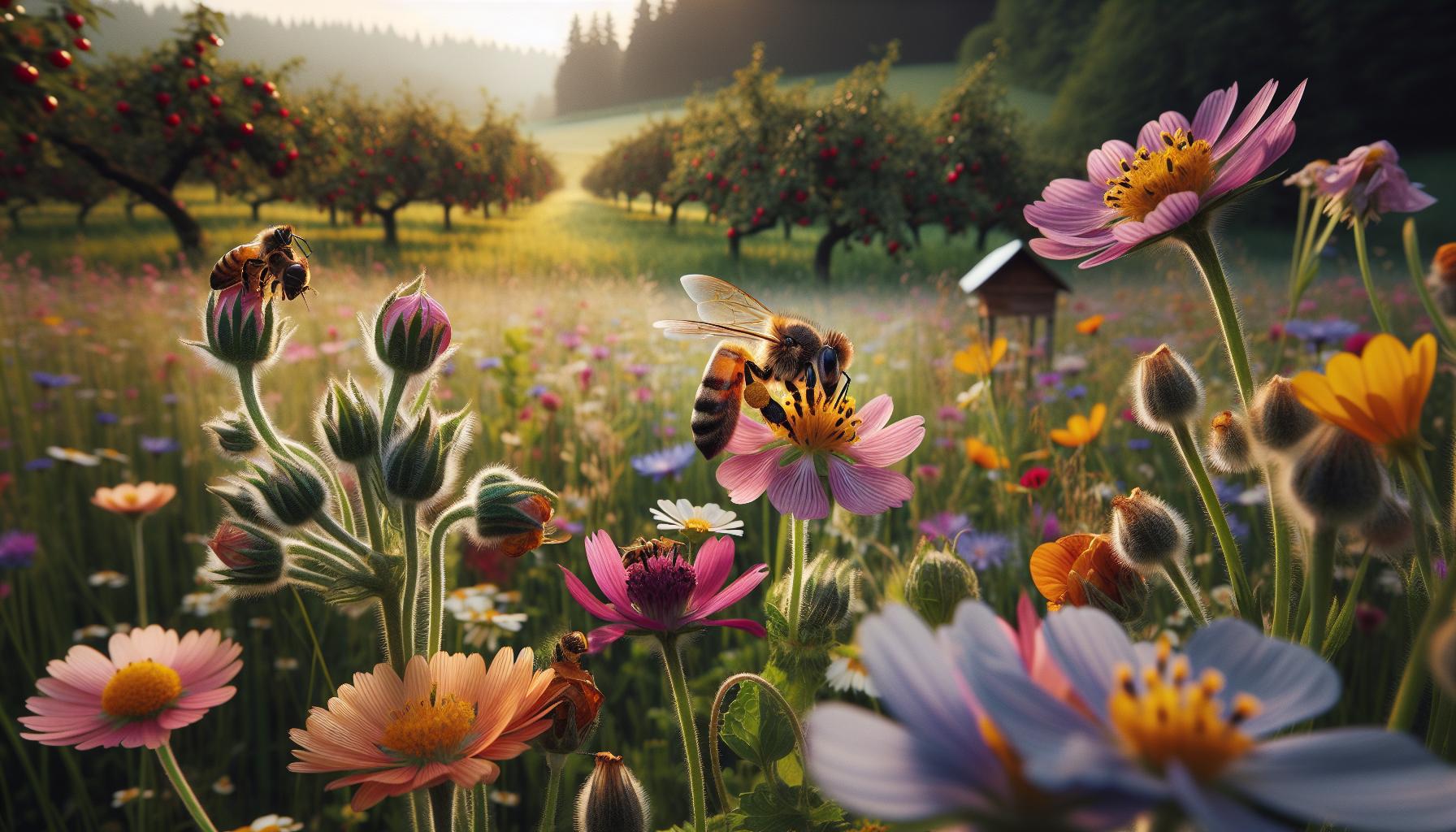
Key Climate Change Factors Affecting Bees
As climate change reshapes our world, bees, which are vital for pollination and sustaining ecosystems, are facing unprecedented challenges. One of the most significant factors is the alteration of temperature and precipitation patterns. Increased temperatures can lead to stress in bee populations, affecting their reproductive rates and overall health. Research indicates that extreme weather events, such as droughts and heavy rains, disrupt foraging patterns for bees and force them to cover greater distances to find food. This not only threatens their survival but also disrupts the critical role they play in pollinating various crops and wild plants.
Another crucial factor is the mismatch between the flowering times of plants and bee activity. Climate change has been shown to shift the phenology of many plant species, meaning that flowers may bloom earlier or later than usual. This misalignment can lead to food shortages for bees, especially during critical periods of their lifecycle. For example, if flowers open too early due to warmer temperatures, bees may not have emerged yet to pollinate, leading to reduced plant reproduction and, consequently, food resources for bees.
Furthermore, habitat loss due to climate change compounds these issues. Urbanization, agricultural expansion, and deforestation often result in the degradation of natural habitats where bees thrive. When their habitats are altered or destroyed, bees lose essential resources such as nesting sites and forage plants. The introduction of invasive species, which thrive in changing climates, can also outcompete native plants that bees depend on, further complicating their survival.
Pesticide use presents another layer of complexity in the context of climate change. Elevated temperatures can enhance the toxicity of certain pesticides, making them more harmful to bees. Additionally, the synergistic effects of pesticides combined with climate stresses can weaken bee immune systems, making them more susceptible to diseases. As these factors intertwine, the overall health and population stability of bee species are at risk, leading to potentially severe repercussions for biodiversity and food security.
To help mitigate these impacts, creating bee-friendly habitats by planting diverse native flowers, reducing pesticide use, and supporting sustainable land practices are actions everyone can take. By fostering environments that support bee populations, we can simultaneously protect our ecosystems and enhance agricultural productivity, ensuring the continued presence of these crucial pollinators in a warming world.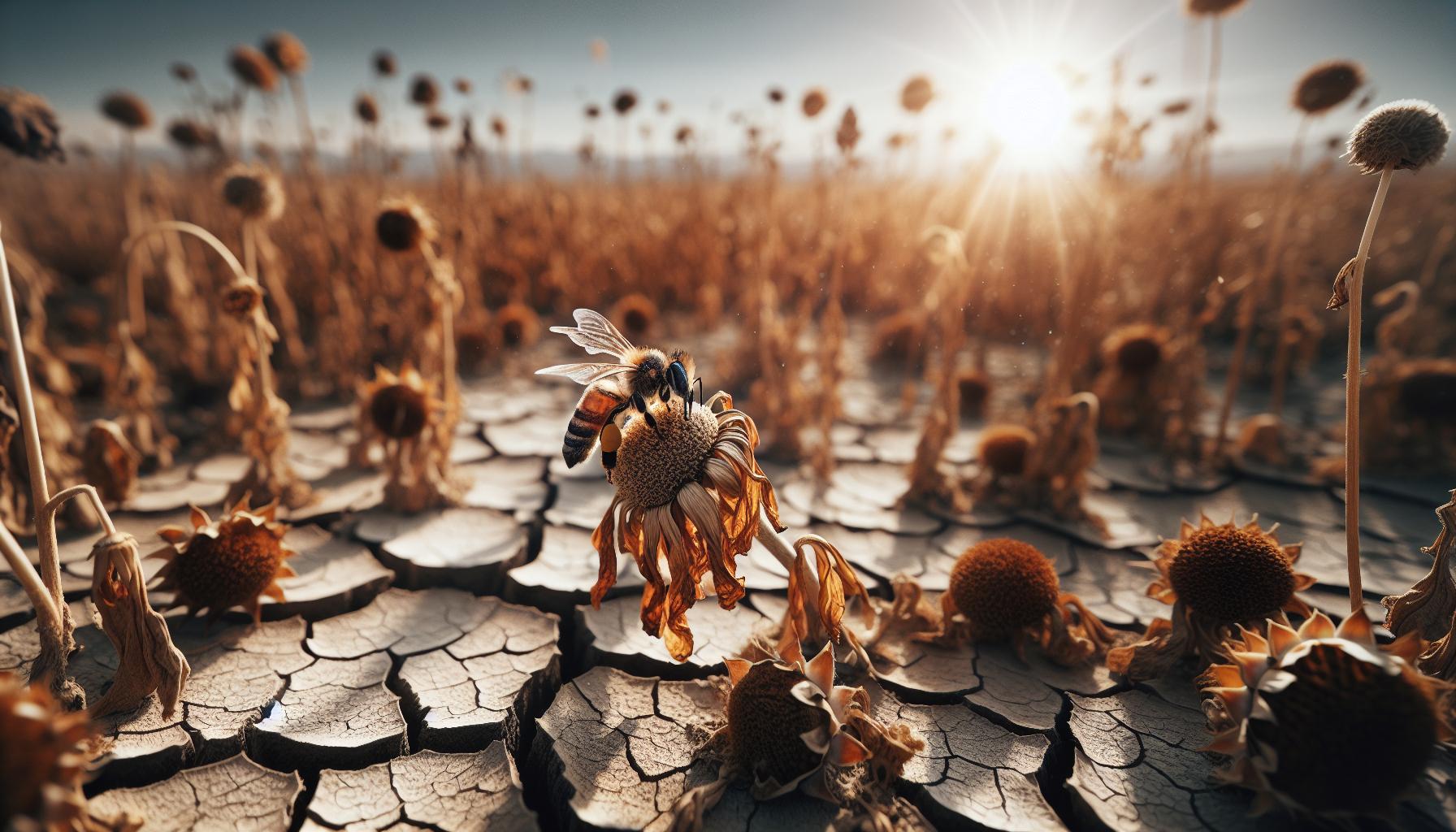
Changes in Flowering Patterns and Bee Foraging
Changing climate conditions are shifting not only how and when flowers bloom but also how bees forage for food. With research showing that climate change can alter the timing of flowering in various plants, bees find themselves facing a mismatch between their active foraging periods and the availability of nectar and pollen. For instance, if a plant species blooms earlier than usual due to warmer winters, bees may not be present to visit these flowers, depriving them of essential nutrients during critical phases of their life cycle. This disruption can have cascading effects on entire ecosystems, reducing crop yields and diminishing biodiversity.
To understand the impact of these shifts, consider that many plants rely on specific bee species for pollination. When bees emerge too late, they miss the flowering window, ultimately affecting seed production and the reproduction of these plants. The result is not only a decline in the plant population but also a decrease in the food sources critical for bee survival. Additionally, this seasonal misalignment can exacerbate competition among different bee species, as they vie for limited resources during peak foraging times.
Moreover, weather variability can exacerbate foraging challenges. With climate change bringing increased frequency and intensity of extreme weather events, such as heavy rainfall or drought, bee populations may need to travel longer distances to find suitable food sources. Such increased foraging effort can lead to higher energy expenditure, distress, and diminished overall health for bee colonies.
To address these growing concerns, individuals can take practical steps to support local bees despite shifting climatic patterns. Planting a diverse array of native flowering plants that bloom at staggered times throughout the growing season can create reliable food sources for bees. By cultivating a variety of flowers, gardeners and farmers can help ensure that as one species finishes its bloom, another begins, providing continuous nourishment for bees and reinforcing the critical role they play in our ecosystems. Furthermore, minimizing the use of harmful pesticides can enhance the resilience of bee populations, allowing them to thrive even in changing climates. By being proactive and informed, we can contribute to the survival of these vital pollinators and the health of our environment.
The Threat of Habitat Loss for Bees
As urban areas expand and agricultural practices intensify, bee habitats are rapidly diminishing, presenting one of the most significant challenges to their survival. According to recent studies, habitat loss not only results from direct human encroachment but is also exacerbated by climate change, which alters the landscapes that bees rely on for foraging and nesting. A holistic understanding of these dynamics is crucial since bees play an indispensable role in pollinating more than 75% of the world’s flowering plants, contributing significantly to food production and biodiversity.
Urbanization often replaces natural habitats with concrete structures, while monoculture farming limits the variety of flowers and plants that bees depend on for nutrition. Additionally, climate change impacts these habitats in profound ways by altering vegetation distribution and the overall health of ecosystems. As temperatures rise and rainfall patterns change, the geographical range of many flowering plants may shift, leading to mismatches between the locations of these plants and the bees that pollinate them. This can severely restrict the accessibility of food sources for bees, putting additional stress on their populations.
To combat habitat loss, individuals and communities can actively participate in creating bee-friendly environments. Planting native flowering plants that bloom at different times not only provides food throughout the seasons but also restores fragmented habitats. Landscapes enriched with diverse plant life enhance the resilience of both bee populations and local ecosystems. Furthermore, initiatives such as establishing community gardens or supporting local farms that practice sustainable agriculture can significantly contribute to preserving bee habitats.
In conclusion, addressing habitat loss should be a priority for anyone concerned about bee survival. By fostering environments where bees can thrive and connecting fragmented habitats, we can help ensure that these vital pollinators continue to support the ecosystems on which we all depend. Taking action at local levels can resonate far beyond individual gardens, contributing to a healthier planet that sustains diverse life, including our crucial bee populations.
Effects of Temperature Changes on Bee Behavior
Rising temperatures due to climate change have profound implications for bee behavior, influencing everything from their foraging patterns to their reproductive cycles. For instance, studies show that warmer weather can lead to earlier flowering of plants, creating a mismatch between the bloom time and bee availability. This disconnect can leave bees struggling to find sufficient food when they are most active, which is critical for their survival and the health of the ecosystems they support.
Changes in temperature also affect bee physiological responses. Bees are ectothermic, meaning their body temperature is regulated by their environment. Extreme heat can lead to increased metabolic rates, which in turn raises their energy needs and requires more frequent foraging trips. As temperatures fluctuate, bees may adapt by altering their foraging times, becoming more active during cooler parts of the day, such as early morning or late evening. However, frequent temperature extremes can lead to increased stress and reduce their overall fitness.
Moreover, temperature variations may disrupt the social structure of bee colonies. Honeybees, for example, rely on complex communication strategies to coordinate foraging activities. Extreme heat can impair these behaviors, leading to decreased efficiency in gathering food. Additionally, higher temperatures can stress the hive environment, increasing susceptibility to pests and diseases, which further threatens colony stability.
To support bees facing these temperature challenges, gardeners and farmers can implement several strategies. Creating a more diverse range of flowering plants that bloom across the entire growing season ensures bees have a consistent food supply. Additionally, providing shaded areas in the garden or farm can help mitigate the impacts of extreme heat, offering bees a cooler environment in which to thrive. Practical steps like these can contribute to more resilient bee populations amid ongoing climate fluctuations, making a notable difference in their survival journey.
Pesticides and Climate Change: A Double Threat
The intertwining threats of climate change and pesticide use pose a dire challenge to bee populations worldwide. As temperatures rise and weather patterns shift, the changing environmental conditions set the stage for increased pesticide application, driving a further wedge between bees and their survival. In ecosystems already stressed by shifting climates, pesticides can act as the final blow to vulnerable bee colonies, which already struggle against phenological mismatches and food scarcity.
One of the concerning effects of climate change is the intensified use of chemical pesticides in agriculture to combat emerging pests that thrive in warmer temperatures. This reaction is prevalent as farmers seek to protect their crops, often overlooking the collateral damage inflicted on pollinators. Research highlights that neonicotinoids, a class of harmful pesticides, not only reduce bee populations directly through toxicity but also impair their foraging ability and navigation skills, making it difficult for them to find food in a warmer world that already presents challenges related to flowering patterns and availability of nectar sources [[3]].
Addressing this double threat requires concerted action from both agricultural sectors and individual citizens. To mitigate the impact, farmers can adopt integrated pest management (IPM) practices, including the use of less harmful pest control methods and timing applications to minimize bee exposure. Additionally, promoting organic farming methods and supporting legislation that restricts harmful pesticides are vital steps toward protecting bees. Home gardeners can contribute by planting diverse, native flowering plants that provide habitat and food for bees, while also avoiding the use of chemical pesticides in their own gardens.
Practical Actions to Support Bees
- Encourage local governed policies to ban or restrict neonicotinoids and other harmful pesticides.
- Utilize organic or natural pest control methods in personal gardens and community spaces.
- Plant native flowers and diverse crops to provide nectar and habitat for bees.
- Engage in community outreach about the importance of protecting pollinators and the role of sustainable farming practices.
In this nexus of climate change and pesticide use, awareness and education are key. By making informed choices and advocating for practices that protect bee populations, everyone can contribute to a more supportive environment for these crucial pollinators in the face of rapidly changing climatic conditions.
The Link Between Climate Change and Bee Diseases
Rising temperatures and changing weather patterns caused by climate change not only challenge the survival of bee populations but also facilitate the spread of diseases that threaten their health. A notable phenomenon is the interaction between climate stressors and pathogens. As bees experience increased heat and fluctuating environmental conditions, their immune systems can become compromised. This weakening makes them more susceptible to diseases like Varroosis, caused by the Varroa destructor mite, which thrives in warmer climates. The longer foraging periods dictated by climate change allow the mites more time to infest honeybee colonies, amplifying the spread of viruses they carry, such as deformed wing virus.
Furthermore, studies indicate that with rising temperatures, bees may experience changes in their natural behavior and social structures. Higher temperatures can cause stress, resulting in disorientation or erratic behaviors that may lead to increased exposure to diseases. For instance, when bees are unable to forage effectively due to extreme weather, their nutritional intake can suffer, making them more vulnerable to diseases. Intensive outbreaks of diseases can wipe out entire colonies, leading to significant declines in bee populations.
To combat these challenges, beekeepers and scientists are encouraged to monitor hive health vigilantly and utilize integrated pest management strategies. This includes regularly checking for diseases, maintaining strong genetic diversity within bee populations, and using less pest-sensitive strains of bees that could better withstand disease pressures. It’s essential to promote habitat conservation and the cultivation of diverse plants that can support healthy bee populations, thereby enhancing their resilience against diseases influenced by climate change. The connection between climate change and bee diseases is a complex web of factors, but through targeted action and awareness, we can empower efforts to protect these vital pollinators.
Practical Steps to Protect Bees from Climate-Related Diseases
- Regularly monitor bee colonies for signs of disease and pest infestations.
- Implement integrated pest management strategies in beekeeping practices.
- Promote genetic diversity within bee colonies to enhance resilience.
- Encourage the planting of diverse and thriving nectar sources to support overall bee health.
Successful Conservation Strategies for Bee Populations
Conservation efforts aimed at safeguarding bee populations are not only necessary but increasingly urgent as climate change continues to pose significant threats. One powerful approach to boost bee resilience involves fostering natural habitats. Planting diverse, nectar-rich flowers in urban and agricultural landscapes creates vital foraging opportunities for bees. Community gardens, wildflower meadows, and even small balcony gardens can become essential sanctuaries, supporting both local bee communities and enhancing biodiversity. Engaging local communities in these efforts not only raises awareness about the importance of bees but encourages sustainable practices that help mitigate the impact of climate change.
Implementing sustainable farming techniques is another key strategy. Practices such as crop rotation, reduced pesticide use, and organic farming can significantly benefit bee health. For instance, integrated pest management (IPM) encourages the use of natural predators and biological controls, which minimizes chemical exposure to bees and promotes a healthier ecosystem overall. By adopting these practices, farmers not only protect bee populations but can also improve crop yields through effective pollination, creating a win-win scenario for both agriculture and conservation.
Collaboration among stakeholders also plays a crucial role in developing effective conservation strategies. Beekeepers, farmers, environmental organizations, and researchers can work together to establish local and regional initiatives. By sharing knowledge and resources, they can develop comprehensive plans that address habitat loss, pesticide use, and disease management, fostering a united front against the challenges posed by climate change. For example, the establishment of pollinator corridors-designated areas that provide safe passage for bees to move between feeding grounds-has proven effective in maintaining healthy bee populations and ensuring genetic diversity.
Through education and outreach, individuals can also play a significant role in bee conservation. Simple actions like reducing lawn areas in favor of wildflowers, avoiding pesticides, and providing bee hotels for nesting can contribute to healthier bee populations. Schools and community organizations can host workshops to educate the public on the critical role bees play in our ecosystems and how supporting them can improve food security and biodiversity. By empowering people with knowledge and actionable steps, we can foster a culture of stewardship towards one of the planet’s most vital pollinators.
Real-Life Case Studies of Bees in Crisis
The plight of bee populations around the world has reached a critical point, with several high-profile case studies highlighting the urgent need for intervention. One such example is the decline of the Western honey bee (Apis mellifera) in the United States, where beekeepers reported a staggering loss of 30% of their colonies annually over the past decade. This alarming trend can be attributed to multiple stressors, including extreme weather events intensified by climate change, which disrupt the availability of floral resources crucial for bee survival. As droughts become more frequent and severe, areas that once thrived with diverse plants now suffer, leading to nutritional deficits that weaken hive health.
The Bumblebee Collapse in North America
Another poignant case is the decline of the rusty patched bumblebee (Bombus affinis) in North America, which was listed as an endangered species in 2017. Studies demonstrate that factors such as rising temperatures and altered precipitation patterns disrupt the life cycles of both bumblebees and the flowering plants they rely on. Not only has the habitat integrity diminished, but there is also a mismatch in the timing of blooming flowers and bumblebee foraging behaviors, exacerbating the situation. Conservationists are working to restore habitats and implement corridors that allow bees to travel safely between food sources, reducing the impact of habitat fragmentation.
Unique Approaches to Bee Conservation
One innovative strategy has emerged from the agricultural sector in Europe, where farmers are adopting “bee-friendly” practices that include planting cover crops and allowing wildflowers to grow between fields. These practices provide essential habitats and food for bees. For instance, a project in the UK called “Bees for Development” emphasizes the integration of beekeeping into sustainable farming, demonstrating how bees can enhance crop productivity while simultaneously recovering local bee populations. Testing these new agricultural methods has shown promise, as farmers reported increased pollinator activity and healthier ecosystems, illustrating a beneficial relationship between agriculture and bee conservation.
Each of these case studies underscores the critical role that strategic, community-driven conservation efforts can play in reversing the decline of bee populations. By learning from these real-life scenarios and applying effective strategies, we can all contribute to a more sustainable future for bees and the ecosystems that depend on them.
How You Can Help Bees Survive Climate Change
Bees play a crucial role in our ecosystems and agriculture, yet their populations are under severe threat from climate change, making it imperative for individuals to take actionable steps to support them. One compelling way to help is by creating bee-friendly environments in our own backyards and communities. By planting native flowers and minimizing pesticide use, you can provide essential forage and habitats for bees. Native plants are particularly important, as they have co-evolved with local pollinators, ensuring that your garden can support their needs throughout different seasons.
Simple Steps to Help Bees
You don’t need a vast plot of land to make a difference; even small actions can contribute to bee conservation:
- Create a Pollinator Garden: Choose a variety of native flowering plants that bloom at different times of the year to ensure a continuous supply of food.
- Reduce Pesticide Use: Limit or eliminate the use of chemical pesticides, opting instead for natural pest control methods. Integrated pest management practices can protect both your plants and the bees.
- Provide Water Sources: Bees need water, especially during hot weather. A shallow dish of water with stones for landing can be extremely beneficial.
- Support Local Beekeepers: Purchasing honey and other products from local beekeepers helps sustain their businesses and promotes the health of bee populations.
Furthermore, engaging in community efforts can amplify your impact. Consider joining local conservation groups working on habitat restoration or bee advocacy, like the project “Bees for Development” in the UK, which integrates beekeeping into sustainable agriculture. These groups often host workshops, clean-up days, and planting events that can enhance local ecosystems while also educating the public on the importance of bees.
Advocating for Policy Changes
Advocacy is another powerful tool. Contact your local representatives to support policies that protect bee habitats, restrict harmful pesticides, and promote sustainable farming practices. Collective action can lead to significant changes in local and national legislation that benefit bee populations.
By taking these steps and spreading awareness about the plight of bees, each of us can contribute to creating a healthier environment for these vital pollinators. The survival of bee populations hinges not only on environmental changes but also on informed and responsible action from individuals and communities. Together, we can foster conditions where bees thrive, thereby ensuring a balanced and sustainable ecosystem for generations to come.
The Future of Bees in a Warming World
The intricate relationship between bees and the environment is facing unprecedented challenges due to climate change, leading many experts to express concern about the future of these vital pollinators. As temperature rises and weather patterns become increasingly erratic, bees are not only struggling to adapt to shifting ecosystems but also facing a host of cascading impacts that threaten their survival. For instance, studies have highlighted how climate change alters the flowering times of plants that bees rely on for nectar and pollen, potentially disrupting the synchronized relationship essential for their foraging behavior and overall health [[1]](https://pmc.ncbi.nlm.nih.gov/articles/PMC10889774/).
Adapting to a warming world requires innovative strategies focused on both conservation and proactive management. One promising approach is the cultivation of climate-resilient plants. Land managers and gardeners can plant native flora that thrives in changing climates, ensuring that bees have access to the food sources they need, regardless of temperature fluctuations or drought conditions. Researchers are working to identify specific plant varieties that are drought-tolerant and drought-resistant, which can provide essential resources for bees during pivotal blooming periods [[2]](https://www.ucdavis.edu/climate/blog/bees-face-many-challenges-and-climate-change-ratcheting-pressure).
In addition to adaptability in flowering plants, reducing the impacts of pesticides in agricultural practices is crucial. The combined threat of climate change and pesticide exposure can severely affect bee populations, making integrated pest management practices more critical than ever. By minimizing pesticide use and opting for organic alternatives, farmers can create a safer environment for bees while also benefitting their crops through enhanced pollination [[3]](https://www.pollinator.org/pollinator.org/assets/generalFiles/BombusTaskForce.ClimateChng.broch.2019.final.pdf).
Communities also play a vital role in providing solutions. Engaging local populations in conservation efforts, such as creating bee-friendly gardens and participating in habitat restoration projects, can collectively contribute to the resilience of bee populations. As individuals and organizations work towards fostering environments conducive to bee survival, we can encourage others to prioritize pollinator-friendly practices and policies. Together, these initiatives not only promote the health of bees but also enhance biodiversity and contribute to sustainable ecosystems, paving the way for a greener future amidst the challenges of climate change.
FAQ
Q: How does climate change impact bee populations?
A: Climate change disrupts the habitats and food sources of bees, leading to decreased populations. Changes in temperature and weather patterns affect flowering times, which can result in mismatches between bee activity and available food. Supporting local flora can help mitigate these impacts.
Q: What role do bees play in our ecosystems?
A: Bees are vital pollinators that contribute to the reproduction of many plants, including crops. Their role enhances biodiversity and food security. Preserving bee habitats and planting native flowers can support their essential functions in ecosystems.
Q: How are flowering patterns changing due to climate change?
A: Climate change causes earlier blooming of flowers, leading to a disconnect between when bees are active and when food is available. Planting flowers with varying blooming times can help ensure bees have food throughout the season.
Q: What threats to bees are associated with rising temperatures?
A: Rising temperatures can lead to heat stress for bees, reducing their lifespan and productivity. It can also alter their behavior and nesting patterns. Providing shade and water sources can help bees cope with extreme temperatures.
Q: How does habitat loss affect bees during climate change?
A: Habitat loss reduces biodiversity and food sources for bees, making it difficult for populations to thrive. Supporting local conservation efforts and creating bee-friendly gardens can combat habitat loss.
Q: Can pesticides impact bees in a changing climate?
A: Yes, pesticide exposure remains a crucial threat to bees, especially under climate stress. Integrated pest management and organic farming practices can reduce pesticide impacts while supporting bee health.
Q: How is climate change linked to bee diseases?
A: Climate change exacerbates the spread of diseases among bee populations by weakening their immunity and increasing stress from environmental changes. Regular monitoring and supporting healthy ecosystems can help mitigate these risks.
Q: What can be done to help bees survive climate change?
A: To help bees, individuals can plant native flowers, reduce pesticide use, and support local conservation efforts. Every action helps create a more supportive environment for bee populations facing climate challenges.
Future Outlook
As we’ve seen, climate change poses a serious threat to bee populations, impacting biodiversity and food production. It’s crucial to understand that every small action counts in this urgent fight for our planet’s health. By adopting eco-friendly practices and supporting local beekeepers, you can make a real difference. Want to learn more about how you can help? Check out our articles on “Sustainable Gardening Techniques” and “The Importance of Pollinators” for practical tips.
Don’t let these issues fade from your focus-your support is vital! Join our newsletter for the latest insights and advocacy opportunities. Together, we can protect our buzzing allies and ensure a thriving ecosystem for generations to come. Share your thoughts in the comments and let’s keep the conversation going; your voice matters! Remember, by staying informed and actively engaging, you contribute to a healthier world for bees and humanity alike.
Get our latest guides, news, and insights highlighted in your Google Search & AI Overviews.