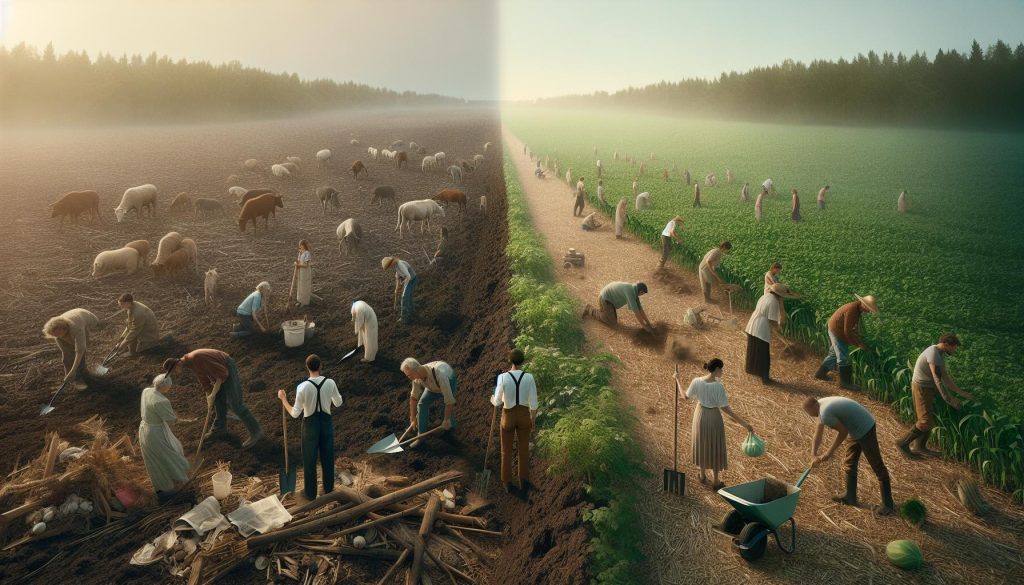
As we navigate the complexities of a changing climate, understanding its connection to the Agricultural Revolution becomes increasingly crucial. With climate change influencing weather patterns, crop yields, and food security, the way we approach agriculture has never been more critical. Did you know that agricultural practices contribute to about 27% of global greenhouse gas emissions? This staggering figure highlights the urgency for sustainable farming practices. By delving into this topic, readers will discover how the evolution of agriculture not only affects environmental sustainability but also impacts economic resilience and food systems worldwide. The interplay between climate change and agriculture presents both challenges and opportunities, urging us to adopt innovative strategies that support both food production and ecological balance. Join us as we explore the pivotal changes needed in agricultural practices to address climate impacts while ensuring a secure food future for all.
How Climate Change Affects Agricultural Practices
Amid the pressing challenges of the 21st century, climate change is reshaping agricultural practices in profound ways. As global temperatures rise and weather patterns become increasingly erratic, farmers are compelled to adapt their strategies to ensure sustainable food production. For instance, according to recent reports, unprecedented ocean warming and extreme weather events are already impacting coastal agriculture and fisheries, highlighting the interconnectedness of climate systems and agricultural viability.
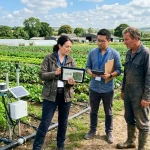
One of the most significant effects of climate change on agriculture is the alteration of crop growing seasons. In many regions, farmers are experiencing shifts in the timing of planting and harvesting due to earlier springs and prolonged droughts. This can lead to mismatches between the crops planted and the climatic conditions needed for optimal growth, ultimately affecting yields. Farmers are responding by implementing precision agriculture-an approach that utilizes technology to monitor and manage field variability in crops. This includes using climate data to inform decisions about crop selection and planting schedules, ensuring that they can maximize productivity despite changing conditions.
Furthermore, soil health is crucial for resilient agricultural practices. Healthy soils can retain moisture better and support diverse plant life, which is essential as weather patterns become more unpredictable. Techniques such as cover cropping and crop rotation help to enhance soil structure and nutrient content, potentially offsetting some of the adverse effects of climate change. By focusing on restoring and maintaining soil health, farmers can actively contribute to mitigating climate impacts while improving their yields and protecting the environment.
To navigate these challenges, agricultural innovations are critical. Advances in biotechnology, such as drought-resistant crop varieties and sustainable pest management systems, empower farmers to withstand changing environmental conditions. Additionally, embracing agroecological practices encourages a harmonized relationship between farming and the ecosystem, further emphasizing the role of agriculture as both a contributor to and a mitigator of climate change impacts. By understanding and implementing these adaptive strategies, farmers can not only secure their livelihoods but also play a vital role in the broader fight against climate change.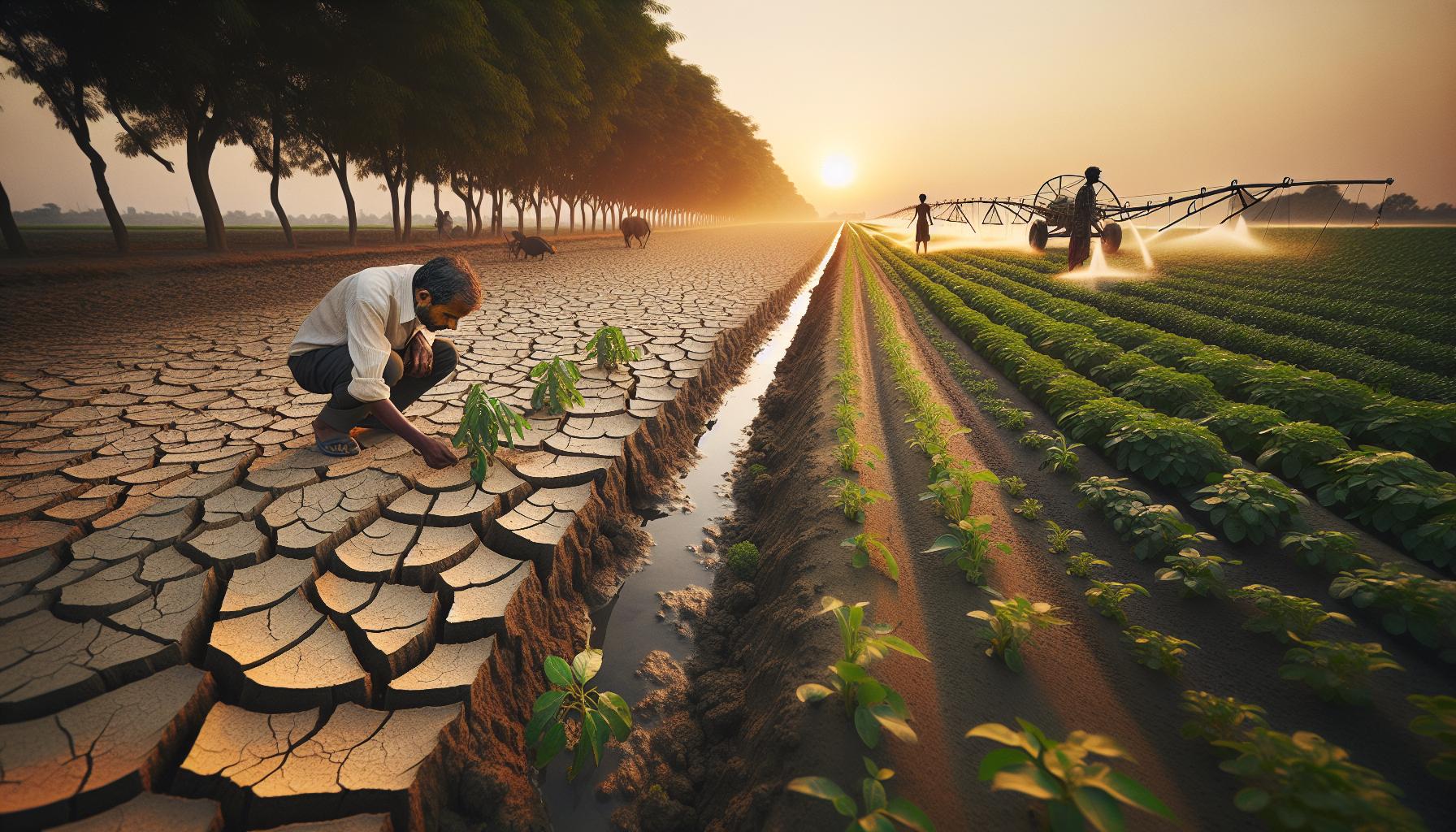
The Role of Agriculture in Climate Change
Agriculture has long been a cornerstone of human civilization, providing the necessary sustenance for growing populations. However, its relationship with climate change is complex and multidimensional, influencing both the environment and farming practices. As the global climate continues to change at an unprecedented pace, agriculture is not just a victim of these shifts; it also plays a significant role in exacerbating the crisis.
The agricultural sector is responsible for approximately 25% of global greenhouse gas emissions, primarily through practices such as deforestation, methane emissions from livestock, and nitrous oxide from fertilizers. This relationship is critical to understand, as farming practices contribute to climate change while simultaneously being affected by it. For instance, unsustainable land use and over-reliance on chemical inputs can degrade soil health, leading to reduced agricultural productivity and increasing vulnerability to extreme weather events, such as droughts and floods.
Adapting agricultural practices is essential in the face of these challenges. Farmers have the opportunity to embrace climate-smart practices that reduce emissions and enhance resilience. This includes methods like agroforestry, which integrates trees into farming systems, and the implementation of cover crops to improve soil health and sequester carbon. Furthermore, transitioning to organic farming can significantly lower emissions and enrich biodiversity, contributing to ecosystem stability.
Cultivating climate-resilient crops is another vital strategy. Farmers can adopt crop varieties that withstand extreme weather conditions, ensuring food security in a changing climate. The rise of digital agriculture tools, such as predictive analytics based on climate models, can help farmers make informed decisions about crop rotation and planting schedules. By investing in adaptive technologies and sustainable practices, agriculture can transition from being part of the problem to becoming a significant part of the solution in the fight against climate change.
In conclusion, the intersection of agriculture and climate change presents both challenges and opportunities. Understanding how agricultural practices impact the climate allows for the development of strategies that not only mitigate emissions but also adapt to the changing environment. Embracing sustainable agricultural techniques is crucial not only for the farmers’ livelihoods but for the health of the planet as a whole.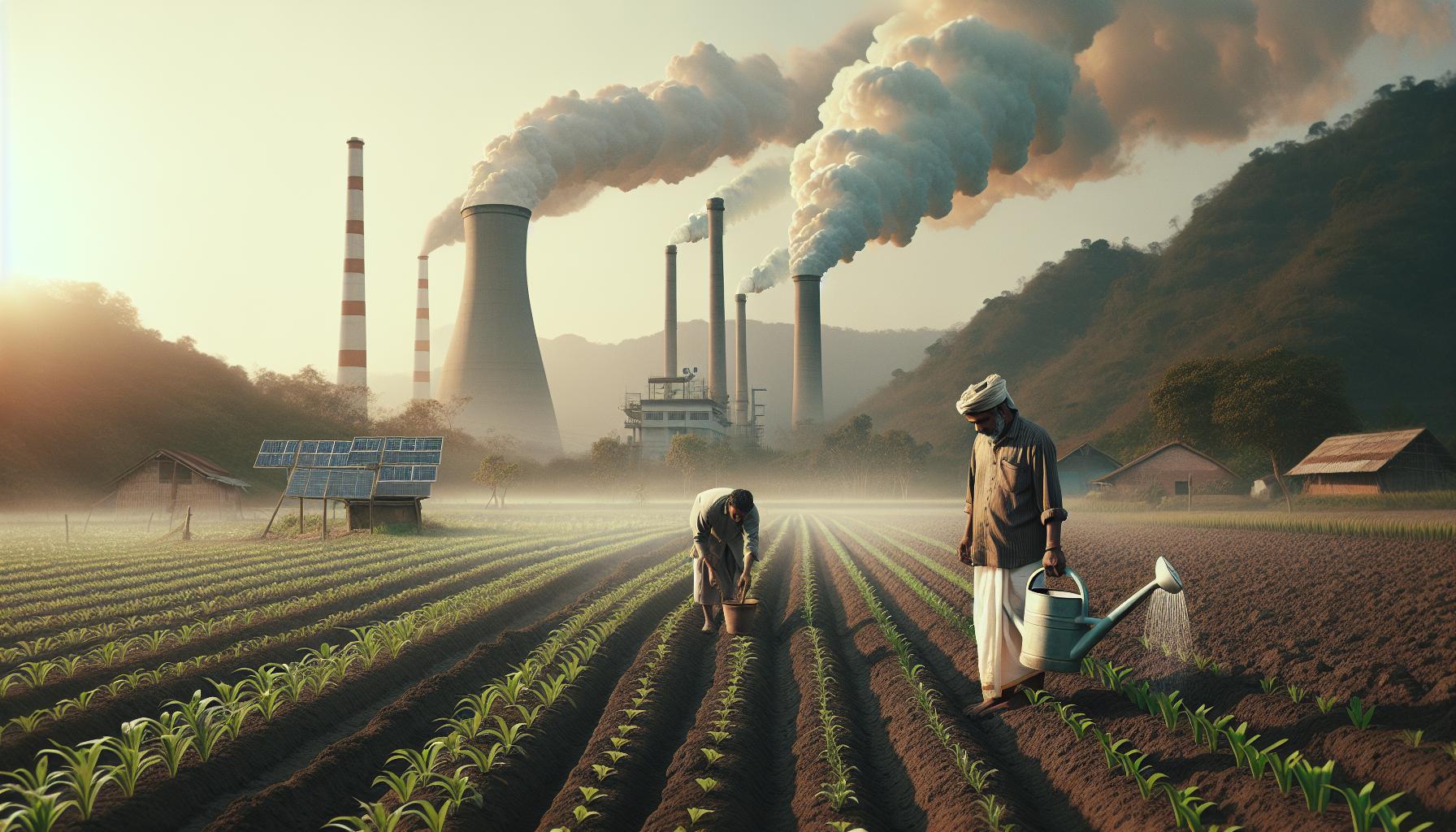
Historical Context: Agriculture and Early Civilizations
Agriculture, as a foundational element of human society, remarkably transformed the trajectory of our species. The shift from nomadic lifestyles to settled agricultural practices around 10,000 years ago marked the beginning of the Neolithic Revolution. This transition not only enabled populations to grow but also set in motion significant environmental changes that would later contribute to climate shifts. The domestication of plants and animals allowed early civilizations to harness natural resources more efficiently, but it also initiated land clearance and the modification of ecosystems, laying the groundwork for the complexities of the modern climate crisis.
The Interplay Between Agriculture and Early Civilizations
As farming techniques advanced, early civilizations flourished in regions abundant with fertile land, such as the Fertile Crescent, the Nile Valley, and the Indus River Basin. These areas became food production powerhouses, supporting larger populations and fostering trade, culture, and governance. However, the necessity to expand arable land led to deforestation and soil degradation, practices that detrimentally impacted local climates. The significant alterations to land cover have been connected to shifts in weather patterns over millennia, illustrating the complex interaction between agricultural expansion and ecological stability.
Lessons from the Past: Sustainability in Agriculture
The historical context serves as a reminder of the importance of sustainable agricultural practices, which can mitigate negative environmental impacts. For example, ancient civilizations like the Maya utilized sophisticated methods such as terracing and agroforestry, which maximized productivity while maintaining forest ecosystems. By looking back at these practices, modern farmers can adopt integrated approaches that balance agricultural productivity with environmental stewardship, ensuring that land can sustain both crops and ecological health long into the future.
In essence, understanding our agricultural past is crucial for addressing the environmental challenges we face today. As we navigate the current landscape of climate change, drawing insights from the agricultural revolutions of early civilizations provides valuable lessons on sustainability and resilience that can inform our practices moving forward. By emphasizing both productivity and ecological balance, we can foster an agricultural system that not only feeds a growing population but also conserves the planet’s vital ecosystems.
Impact of Climate Change on Crop Yields
While climate change is often discussed in terms of rising temperatures and extreme weather events, its profound effects on crop yields are gaining urgent attention. Current projections indicate that the yield of staple crops such as wheat, rice, and maize could decline by about 10% for every degree Celsius increase in global temperatures, highlighting the pressing need for adaptive strategies in agriculture. This decline is not merely theoretical; farmers around the world are already witnessing firsthand the impacts of shifting weather patterns, prolonged droughts, and unpredictable rainfall on their harvests.
Changes in climate can lead to altered growing seasons, with many regions experiencing shorter planting periods and disrupted harvest times. For instance, studies show that higher temperatures accelerate the maturation of crops, potentially leading to reduced yields and lower nutritional quality. Furthermore, increased carbon dioxide levels can enhance photosynthesis; however, this benefit is often offset by heat stress and water scarcity, which can curb crop performance significantly. In areas that depend heavily on rain-fed agriculture, such as sub-Saharan Africa, this leads to heightened vulnerability, as erratic rainfall patterns become more common.
Farmers are not powerless in the face of these challenges. Adapting agricultural practices is critical for maintaining crop yields in a changing climate. Techniques such as crop rotation, intercropping, and agroforestry can enhance resilience. For example, utilizing drought-resistant seed varieties can mitigate some impacts of reduced moisture. Investing in soil health through practices like cover cropping and reduced tillage helps retain soil moisture and improves fertility. Additionally, the implementation of precision agriculture-using technology to optimize field-level management-enables farmers to make data-driven decisions that improve yield stability.
Ultimately, the intersection of climate change and agricultural productivity underscores the importance of sustainable farming practices. By embracing innovation and prioritizing resilience, farmers can help ensure food security and sustainable agricultural systems in the face of escalating climate challenges. As the global population continues to rise, safeguarding crop yields is not just an agricultural issue but a critical component of addressing broader economic and environmental challenges impacting humanity.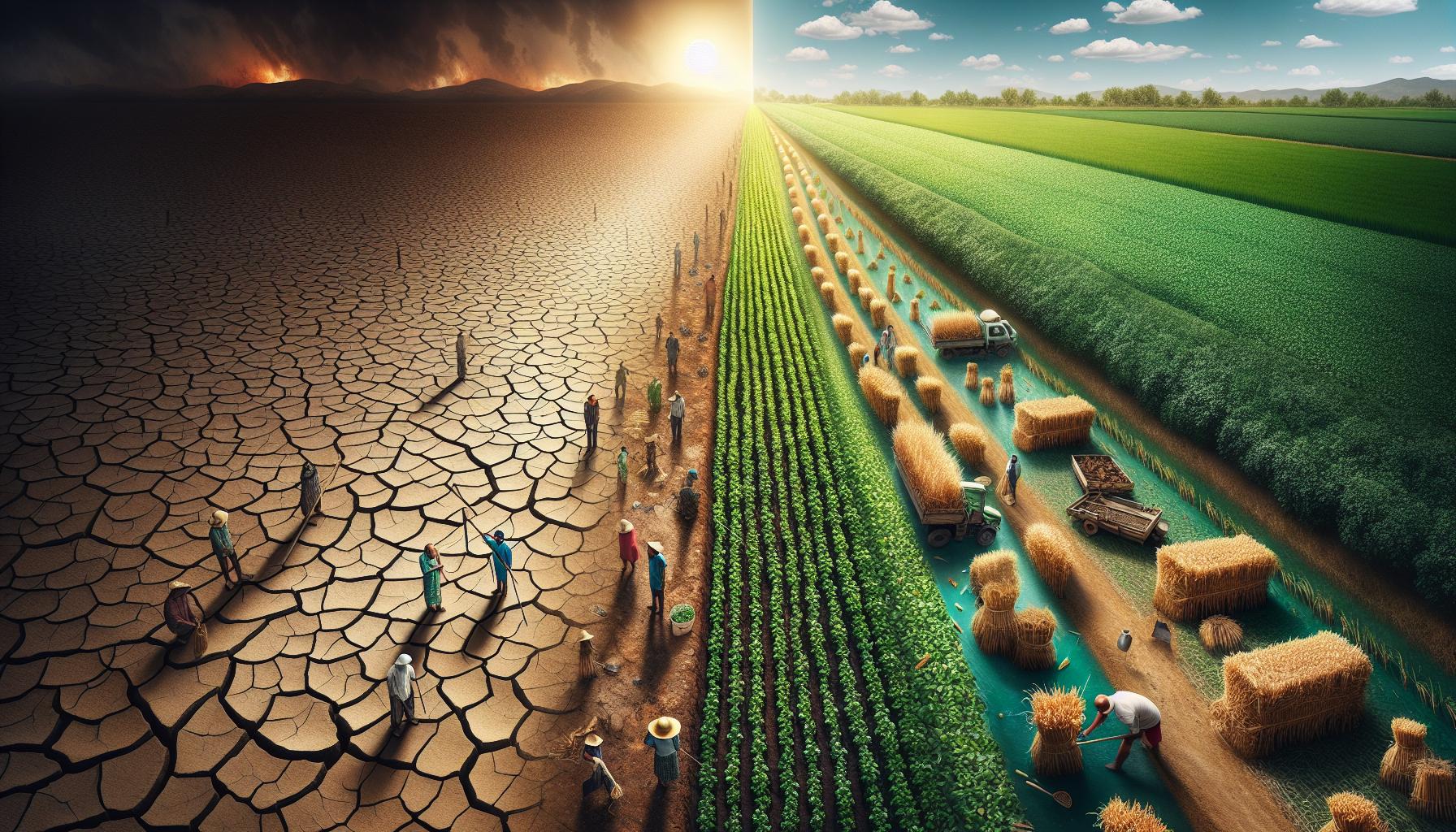
Adaptation Strategies for Farmers
As climate change continues to reshape agricultural landscapes globally, farmers face the dual challenge of maintaining productivity while adapting to increasingly unpredictable conditions. The necessity for innovative strategies has never been clearer. For instance, a recent study found that adopting agroecological practices can increase crop resilience and improve yields by 10-30% under stress conditions, demonstrating that well-planned adaptations can yield tangible benefits even in tough climates.
A fundamental adaptation strategy involves the adoption of sustainable farming practices. This includes crop diversification, which not only mitigates risk by reducing dependency on a single crop but also improves soil health and resilience against pests. Farmers can also consider agroforestry, wherein trees are integrated into crop systems, providing shade, reducing erosion, and enhancing biodiversity. These methods can create microclimates that buffer against extreme weather events, leading to more stable farming environments.
Moreover, investing in modern technologies like precision agriculture allows farmers to optimize their inputs – such as water, fertilizers, and pesticides – based on data-driven insights. For example, using soil moisture sensors can help determine the best irrigation schedules, minimizing water waste and ensuring crops receive the right amount of moisture, which is crucial during drought periods. Farmers can further enhance their adaptability by leveraging drought-resistant seed varieties, which can withstand adverse weather while maintaining yield levels.
To foster these changes, education and access to resources are critical. Local extension services can provide vital training on soil management, pest control, and climate-smart practices. Establishing cooperative networks allows farmers to share knowledge, resources, and technologies, amplifying their collective resilience. Participation in governmental and non-profit programs that offer financial incentives for sustainable practices can also ease the economic burden associated with these transitions.
In essence, the path forward lies in a multifaceted approach that combines traditional wisdom with modern innovation. By embracing sustainability-focused strategies, farmers can successfully navigate the realities of climate change, ensuring that agricultural systems remain viable and productive for future generations.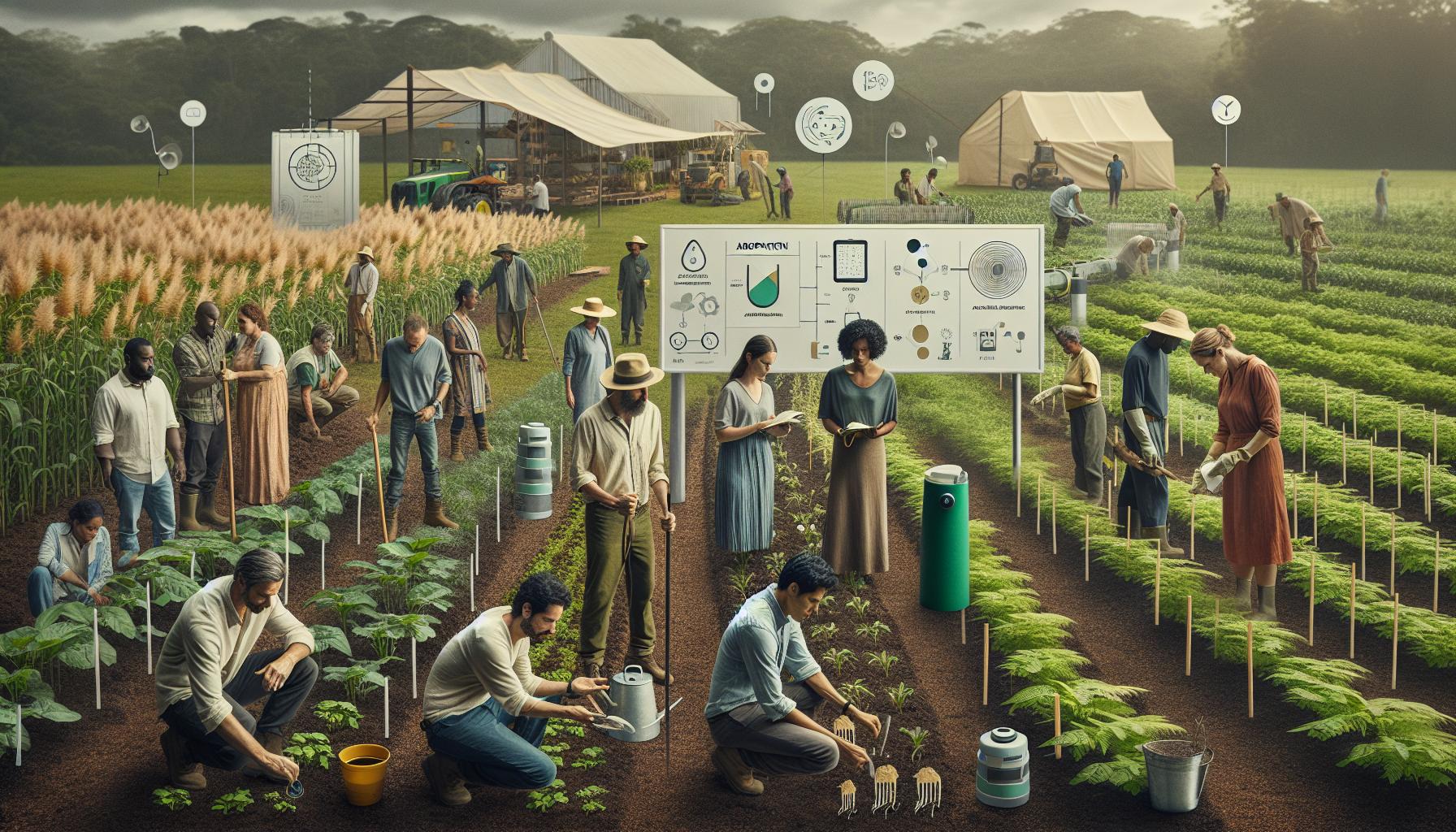
Innovations in Climate-Resilient Agriculture
The agricultural landscape is evolving rapidly, driven by the need to combat the challenges posed by climate change. Innovations in agriculture are not just transforming how food is produced but are also essential for ensuring resilience in the face of extreme weather, shifting climates, and resource scarcity. From advanced genetic engineering to cutting-edge data analytics, farmers are increasingly empowered to implement solutions that enhance productivity while safeguarding the environment.
One notable innovation is the emergence of climate-smart agricultural practices, which focus on improving both productivity and resilience. For instance, integrating drought-resistant crop varieties can make a significant difference in yield stability during dry spells. According to the World Bank, these crops can improve resilience and ensure food security under challenging conditions. Such strategies are complemented by precision farming technologies, which utilize data and analytics to optimize resource use. Farmers can deploy soil moisture sensors that inform irrigation schedules, thus conserving water and reducing operational costs.
Furthermore, the concept of agroecology integrates ecological principles into farming. By adopting practices such as intercropping and agroforestry, farmers can create more diverse ecosystems on their farms. This not only protects against pests naturally but also improves soil health and enhances biodiversity. Innovations in digital agriculture also play a crucial role; for example, mobile apps provide farmers with weather forecasts and agronomic advice tailored to local conditions, enabling them to make informed decisions quickly.
The integration of technology in supply chain management further highlights the innovative strides being made. Blockchain technology, for instance, can enhance traceability from farm to consumer. This ensures that agricultural practices uphold sustainability standards while providing consumers with transparent information about the origins of their food. As these innovations continue to develop, they offer a pathway towards a more resilient food system capable of weathering the impacts of climate change, so long as farmers are supported through education, resources, and community networks. By embracing these advancements, agriculture can not only adapt but thrive in an uncertain future.
Soil Health and Climate Change Interactions
Soil, often referred to as the foundation of agriculture, is experiencing transformative changes as climate change reshapes ecological dynamics. Healthy soil is crucial not only for crop productivity but also for carbon sequestration, which can mitigate some of the impacts of climate change. According to the U.S. Environmental Protection Agency, the agricultural sector can influence soil health through practices that either degrade or restore this vital resource. Understanding this interaction is essential for both farmers and policymakers aiming to cultivate resilience in agricultural systems amidst shifting climatic conditions.
Climate change exacerbates soil degradation through increased erosion, nutrient depletion, and altered moisture levels. Extreme weather events, such as heavy rainfall and drought, can disrupt the delicate balance of microbial life and organic matter in the soil. For instance, heavy rainfall can lead to runoff that washes away topsoil, diminishing its fertility and capacity to retain water effectively. Farmers reporting changes in soil texture and structure must adapt their practices to maintain soil health, which can involve strategies like cover cropping that help stabilize the soil and reduce erosion.
To bolster soil health in the face of climate change, farmers are increasingly turning to regenerative agricultural practices. These include techniques such as:
- Crop Rotation: Alternating different crops helps break pest and disease cycles and enhances biodiversity within the soil ecosystem.
- Cover Cropping: Planting cover crops during off-seasons prevents soil erosion, improves soil structure, and enhances nutrient cycling.
- No-till Farming: Reducing tillage helps maintain soil structure, enhance carbon storage, and preserve moisture, thereby improving resilience against drought.
Moreover, integrating organic amendments such as compost and biochar can dramatically improve soil health, making it more resilient to temperature fluctuations and moisture extremes. Research indicates that healthy soils can retain water more effectively, providing a buffer against the erratic rain patterns brought on by climate change. These approaches not only combat immediate soil degradation but also position agriculture as a proactive participant in climate change mitigation.
In conclusion, the intricate relationship between soil health and climate change presents both challenges and opportunities for the agricultural sector. By adopting sustainable practices that enhance soil health, farmers not only secure their yields but also contribute to a broader strategy for climate resilience. Collaborative efforts that include research, education, and community engagement are crucial for enabling farmers to adopt and implement these practices, ultimately leading to a more sustainable and resilient agricultural future.
Food Security Challenges Due to Climate Change
As climate change accelerates, its repercussions ripple through global food systems, intensifying challenges for food security worldwide. The combination of rising temperatures, shifting precipitation patterns, and increased frequency of extreme weather events disrupts traditional agricultural practices, making it increasingly difficult to guarantee a stable food supply. In fact, the United Nations Food and Agriculture Organization (FAO) warns that climate change could push an additional 100 million people into hunger by 2030 if no significant mitigation and adaptation measures are implemented.
The effects of climate change on agricultural productivity are complex and multifaceted. For instance, crops that are increasingly vulnerable to heat stress may see reduced yields, while unpredictable rainfall patterns can lead to both droughts and flooding. These fluctuations not only diminish overall crop production but also exacerbate existing inequalities in food distribution. Regions most vulnerable to climate impacts, often those least responsible for greenhouse gas emissions, suffer the brunt of food scarcity due to their reliance on agriculture for sustenance and economic stability. Countries in sub-Saharan Africa and South Asia, already wrestling with issues of malnutrition, face compounded threats as rising temperatures shorten growing seasons and reduce nutritional quality of staple crops like wheat and maize.
To address these escalating food security challenges, it is essential to adopt proactive strategies that bolster resilience in the agricultural sector. Here are several practical approaches that can help mitigate the impacts of climate change on food security:
- Diversification of Crops: Farmers can plant a wider variety of crops to reduce reliance on single crops, thus making their yields more resilient to climate fluctuations.
- Investing in Climate-Smart Agriculture: Techniques such as improved irrigation systems, drought-resistant crop varieties, and soil conservation practices help farmers adapt while enhancing productivity.
- Strengthening Supply Chains: Developing strong local and regional supply chains can reduce food loss and improve access to nutritious food even in times of crisis.
- Community-Based Approaches: Engaging local communities in planning and decision-making can lead to more tailored and effective strategies for combating food insecurity.
Furthermore, fostering collaboration between governments, NGOs, and the private sector is crucial for implementing innovative solutions and policies that address both immediate and long-term food security needs. By prioritizing sustainable agricultural practices and investing in research and development, stakeholders can build more resilient food systems. Ultimately, a concerted effort is required to not only shield vulnerable populations from the immediate impacts of climate change but also to forge pathways toward sustainable food systems that can withstand future challenges.
Economic Implications for the Agricultural Sector
Climate change presents a substantial economic challenge to the agricultural sector, threatening both productivity and profitability for farmers across the globe. With recent studies indicating that the impacts could lead to a staggering annual loss of billions in crop yields due to increased heat and unforeseen weather patterns, the urgency to adapt grows ever more critical. For instance, a report from the U.S. Environmental Protection Agency (EPA) highlights that heat stress alone has already cost the U.S. dairy industry approximately $1.2 billion annually due to its negative effects on milk production [[3](https://www.epa.gov/climateimpacts/climate-change-impacts-agriculture-and-food-supply)].
Changes in climate disrupt traditional farming practices, altering crop viability and market dynamics. As regions that were once ideal for certain crops become unsuitable, farmers face increased uncertainty and risk. This shifting climate landscape has effects that cascade through local economies, impacting not just farmers but also suppliers, distributors, and ultimately consumers. For instance, the variation in crop yields can lead to fluctuating food prices, which are particularly burdensome for low-income families who already spend a significant portion of their income on food. This economic strain necessitates new frameworks for financial management in farming, encouraging investment in climate-resilient practices and innovative technology.
Practical Strategies for Economic Resilience
To mitigate the economic implications of climate change, farmers can implement several pragmatic strategies:
- Embrace Technology: Utilizing precision agriculture technologies, such as remote sensing and data analytics, can help farmers optimize resource use, making farming operations more efficient and less vulnerable to climate variations.
- Diversification: By diversifying crops, farmers can spread risk and enhance economic stability. Crop rotation and intercropping not only improve soil health but also protect against total crop failure.
- Financial Assistance and Insurance: Seeking government subsidies and investing in crop insurance can safeguard against unforeseen weather events, effectively providing a financial safety net.
- Community Collaboration: Local farmer cooperatives can pool resources for shared infrastructure improvements and better negotiating power in markets, enhancing economic resilience collectively.
Additionally, fostering long-term partnerships with researchers and agricultural institutes can catalyze access to new technologies and sustainable practices that buffer against climate impacts. As the agricultural sector faces unprecedented challenges, the integration of innovative financial strategies and adaptable farming practices will play a pivotal role in securing a resilient future for farmers and supporting global food systems against the backdrop of climate change. Through these proactive measures, not only can farmers sustain their livelihoods, but they can also contribute significantly to the broader economic stability of their communities.
Sustainable Farming Practices to Combat Climate Change
Adopting sustainable farming practices is no longer just a trend; it is an essential strategy for securing the future of agriculture amid climate change. According to a report from the United Nations, agriculture accounts for about 10-12% of global greenhouse gas emissions, making it a significant player in the climate crisis. However, by rethinking agricultural methods, farmers can reduce their carbon footprint while simultaneously enhancing productivity and soil health. One impactful approach involves implementing agroecological practices, which focus on ecological principles to create resilient farming systems.
Utilizing crop rotation and intercropping not only helps in maintaining soil fertility but also reduces pest outbreaks. For example, rotating legumes with cereal crops can enhance nitrogen levels in the soil, reducing the need for synthetic fertilizers. This not only lowers the emissions associated with fertilizer production but also improves economic viability by lowering input costs. Another effective strategy is the adoption of conservation tillage, which minimizes soil disturbance and preserves soil structure. Studies show that conservation tillage can enhance soil organic carbon sequestration, thus playing a vital role in mitigating climate change.
Additionally, integrating permaculture principles can significantly contribute to sustainable farming. This method involves designing agricultural systems that mimic natural ecosystems. For instance, agroforestry, where trees and shrubs are integrated into crop and livestock systems, can improve biodiversity, enhance water retention, and provide shade, ultimately benefiting both crops and livestock in a warming climate. A well-documented case study from Brazil illustrates how permaculture has restored degraded lands while promoting biodiversity and providing economic opportunities for local farmers.
Lastly, technology plays a pivotal role in promoting sustainable practices. Precision agriculture tools, which include sensors and drones, enable farmers to monitor crop health and optimize resource use effectively. By applying water and fertilizers only where needed, farmers not only improve their outputs but also reduce waste and minimize environmental damage. Transitioning to sustainable practices is not merely a choice but a necessity for adapting to climate change, ensuring food security, and promoting economic resilience in agriculture. As such, embracing these practices is a crucial step forward in the fight against climate change while sustaining agricultural productivity for generations to come.
Future Trends in Agriculture and Climate Policy
As the climate crisis intensifies, the intersection of agriculture and climate policy is becoming an increasingly critical area of focus. Innovative solutions are emerging within agricultural practices that not only seek to mitigate the impacts of climate change but also capitalize on the necessary policy transformations needed to support such advancements. By embracing a comprehensive approach, stakeholders are encouraged to see agriculture not simply as a victim of climate change, but as a pivotal player in climate solutions.
Integrating Climate Policy with Agricultural Innovation
One of the most significant future trends in agriculture is the integration of climate policy with agricultural innovation. Governments worldwide are beginning to recognize the importance of aligning agricultural practices with climate goals. Policies that incentivize sustainable farming practices, such as organic farming, cover crops, and agroforestry, are gaining traction. These ecosystems are essential, as they can sequester carbon and enhance biodiversity, promising healthier soils and improved resilience against climate extremes. For instance, the European Union’s farm policy overhaul is placing greater emphasis on environmental stewardship, encouraging farmers to adopt practices that support carbon neutrality and biodiversity.
Empowering Local Farmers through Climate Adaptation Strategies
Empowering local farmers is another forward-looking trend that will shape agricultural practices in a changing climate. As farmers face increased unpredictability in weather patterns, adaptation strategies become vital. Programs that offer financial assistance and technical training, particularly in developing regions, support farmers in transitioning to more resilient, climate-smart agricultural methods. Through such initiatives, farmers can learn about drought-resistant crops, efficient water management, and integrated pest management techniques that reduce reliance on chemical inputs. A crucial part of this empowerment is also ensuring access to technology; for example, mobile apps providing weather forecasts and market prices can greatly enhance decision-making.
Collaborative Research and Development
Collaborative research and development also play a key role in shaping the future of agriculture and climate policy. Public-private partnerships are proving effective in driving innovation where traditional funding sources may fall short. By pooling resources and expertise, collaborative efforts can focus on developing new crop varieties that withstand climate stressors or advanced soil management practices that improve both yield and carbon sequestration. Notably, initiatives such as CGIAR’s Research Program on Climate Change, Agriculture, and Food Security emphasize the global need for shared knowledge to tackle these pressing issues effectively[[3](https://ccafs.cgiar.org/bigfacts/)].
In conclusion, the future of agriculture in the face of climate change lies in policy innovations that support sustainable practices, empower farmers with adaptive strategies, and foster collaboration for research and development. By leveraging these elements, agriculture can transition from a sector vulnerable to climate impacts to a robust contributor in the global effort to combat climate change, ensuring food security and environmental sustainability for generations to come.
Case Studies: Successful Adaptations in Agriculture
In the race against climate change, remarkable instances of agricultural adaptation highlight the resilience and innovation within the farming community. One compelling example comes from the smallholder farmers in Peru, who have embraced climate-smart practices to combat the effects of extreme weather. Utilizing traditional terracing and cover crops, these farmers have successfully improved their soil health and reduced erosion, all while enhancing their crop resilience. By integrating indigenous knowledge with modern techniques, such farmers are not only safeguarding their livelihoods but also contributing to carbon sequestration efforts that benefit the wider environment.
Another noteworthy case is found in the Sahel region of Africa, where innovative practices like solar-powered irrigation and the use of drought-resistant crop varieties have transformed agricultural productivity. In Senegal, farmers have adopted a system called the “Great Green Wall,” which involves planting trees to combat desertification while simultaneously enriching the soil. This initiative has improved food security for local communities, providing both sustenance and economic opportunities through enhanced agricultural practices.
In the United States, a growing number of U.S. farmers are turning to precision agriculture, which leverages technology such as GPS and soil moisture sensors to optimize resource usage. By making data-driven decisions, they can conserve water, reduce fertilizer application, and increase yields. This method not only connects farmers with the latest technological advancements but also promotes sustainability by minimizing waste and environmental impact. Moreover, a collaborative effort among farmers, agricultural universities, and industry leaders paves the way for a more resilient agriculture sector.
Lastly, Brazil presents a forward-thinking model with its use of integrated crop-livestock-forestry systems (ICLFS), promoting biodiversity and reducing carbon emissions. Farmers combine crops, livestock, and trees in a single productive landscape, leading to improved land use efficiency. This practice not only enhances resilience against climate variability but also bolsters biodiversity and improves farmers’ income streams through diversified products.
These examples underline the importance of adaptation in the face of climate change by showcasing practical strategies that not only protect the environment but also enhance food security and farm profitability. Embracing such innovations will be imperative for global agriculture as it navigates the future challenges posed by our changing climate.
Frequently asked questions
Q: How does climate change affect farming practices?
A: Climate change impacts farming practices by altering weather patterns, leading to extreme temperatures, droughts, or floods. Farmers must adapt by implementing sustainable practices, such as crop rotation and water conservation, to maintain yields and manage resources effectively.
Q: What role does agriculture play in climate change?
A: Agriculture significantly influences climate change via greenhouse gas emissions from livestock and land use changes. Transitioning to more sustainable farming methods can help reduce these emissions, fostering a more resilient agricultural system.
Q: How did the agricultural revolution impact climate?
A: The agricultural revolution transformed land use patterns, increasing deforestation and enhancing carbon emissions. This shift contributed to a warmer atmosphere, linking changes in agricultural practices directly to climate dynamics.
Q: Why is food security threatened by climate change?
A: Climate change threatens food security by disrupting crop yields and increasing food prices. Adverse weather conditions can lead to crop failures, thus affecting availability and access to essential food sources for vulnerable populations.
Q: What innovations are helping agriculture adapt to climate change?
A: Innovations such as drought-resistant crops and precision farming technologies allow for more efficient resource use. These advancements enhance agricultural resilience by optimizing inputs while minimizing environmental impacts.
Q: How can soil health impact climate change effects on agriculture?
A: Healthy soil enhances crop resilience against climate stresses. Practices like cover cropping and reduced tillage improve soil structure and carbon sequestration, mitigating climate change impacts on agricultural productivity.
Q: When is the best time to implement sustainable farming practices?
A: Implementing sustainable farming practices should start as early as possible, ideally during planning stages before planting. This proactive approach helps maximize efficiency and reduce environmental impacts year-round.
Q: Where can farmers find resources for adapting to climate change?
A: Farmers can access resources from agricultural extension services, NGOs, and government programs focused on climate adaptation strategies. Engaging in community workshops or online platforms can also provide valuable support.
Wrapping Up
As we’ve explored the critical link between climate change and the agricultural revolution, it’s clear that understanding this relationship is essential for securing our future food systems. With agriculture contributing significantly to global greenhouse gas emissions, we must act now to shift towards climate-smart practices that enhance resilience and sustainability. By embracing innovations in agriculture, we can tackle the challenges ahead.
To learn more about how you can contribute to sustainable practices, check out our articles on Climate-Smart Agriculture and adaptation strategies for farmers. Don’t miss out on expert insights-subscribe to our newsletter for the latest updates and join our community of changemakers. Together, we can forge a path towards a more resilient agricultural future while combating climate change. Your actions today can lead to a healthier tomorrow!
Get our latest guides, news, and insights highlighted in your Google Search & AI Overviews.