
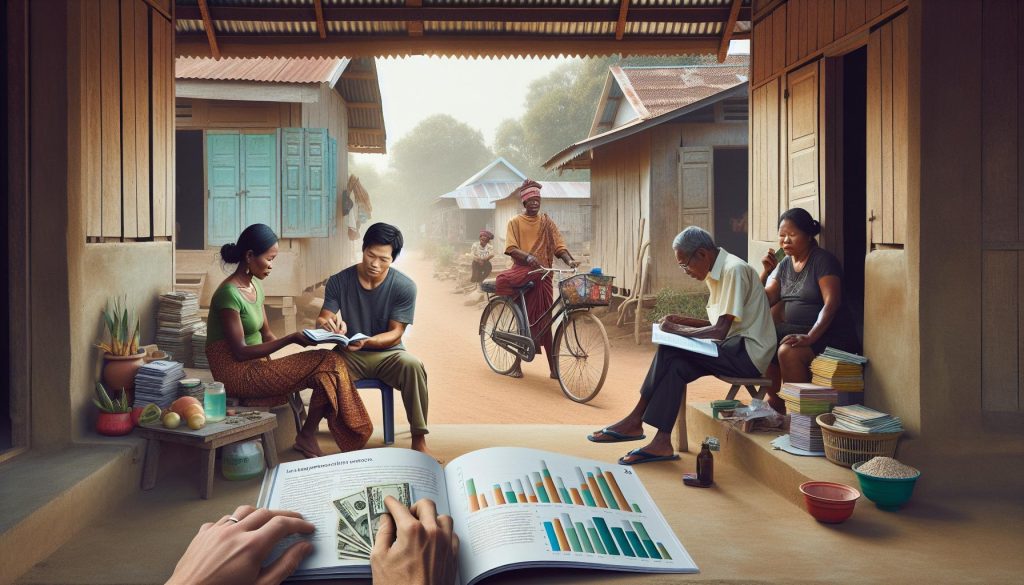
Microfinance institutions are crucial in promoting financial inclusion, especially in developing economies like Cambodia. Currently, there are over 60 microfinance institutions operating in the country, providing essential services to underserved communities. As these institutions grow, they empower individuals, enabling entrepreneurship and improving living standards. Understanding the market size of microfinance in Cambodia is vital for policymakers, investors, and those passionate about sustainable development. This exploration reveals not just numbers, but the transformative impact these institutions have on lives, fostering resilience and economic growth. Dive deeper to discover how this sector shapes the future of Cambodian financial landscapes and what it means for its citizens.
Market Overview of Microfinance in Cambodia
In recent decades, microfinance in Cambodia has emerged as a vital sector, supporting millions of individuals and small businesses. With over 60 licensed microfinance institutions (MFIs) operating in the country, the sector has witnessed exponential growth. This growth trajectory aligns with Cambodia’s economic resurgence since the late 1990s, driven by agriculture, manufacturing, and services. Currently, the microfinance market serves a significant population segment, providing financial services to those traditionally excluded from conventional banking systems. The sector is estimated to have a total loan portfolio that surpasses $5 billion, reflecting the rising demand for accessible credit and financial services among low-income Cambodians.
Microfinance institutions in Cambodia offer more than just loans; they provide a range of financial products tailored to the needs of rural and urban populations. These include micro-loans, savings products, and insurance, creating a holistic financial ecosystem that helps empower individuals economically. For rural households, access to microfinance tools has facilitated agricultural investments, small-scale entrepreneurship, and improved living standards. The sector is particularly essential for women, who often face barriers to traditional banking services but have become primary beneficiaries of microfinance initiatives.
However, despite the optimistic outlook, the microfinance landscape in Cambodia is not without challenges. Issues such as high-interest rates, over-indebtedness, and the need for better financial literacy among borrowers persist. Efforts to address these concerns are critical for ensuring the sustainability of microfinance practices and enhancing their impact on community development. As Cambodia continues to progress, the role of microfinance is set to expand, becoming a cornerstone of the nation’s economic framework and social prosperity.
The ongoing evolution of the microfinance sector is a testament to Cambodia’s resilience and adaptability in overcoming adversities, showcasing the powerful intersection of finance and social impact. With continued support and regulation, microfinance can further uplift marginalized communities and foster inclusive growth, proving that financial services can indeed empower individuals and transform lives.
Key Players in Cambodia’s Microfinance Sector
In Cambodia’s rapidly evolving microfinance sector, several key players pave the way for innovation and growth, while addressing the unique financial needs of local communities. With over 60 licensed microfinance institutions (MFIs) actively operating, these players not only expand financial access but also foster entrepreneurship, significantly impacting the nation’s socio-economic landscape. Prominent institutions such as Prasac Microfinance and Acleda Bank are leading the charge, providing diverse financial products that cater to both urban and rural populations.
Prasac, known as one of the largest and most respected MFIs in Cambodia, boasts an extensive network that enables it to reach clients in even the most remote areas. It offers an array of services including micro-loans, savings accounts, and insurance products. Similarly, Acleda Bank, initially founded as a development bank, has now established itself as a powerhouse in the microfinance sector, with a robust presence across the country. Their comprehensive approach promotes financial inclusion, particularly for women, who represent a significant portion of their client base.
These institutions often collaborate with international donors and NGOs to enhance their service offerings and expand their outreach. For instance, partnerships with organizations such as the Grameen Trust and the Asia Foundation help facilitate financial literacy programs, ensuring that borrowers are not just financially included, but also financially educated. This holistic approach strengthens community trust and encourages the responsible use of credit, ultimately leading to sustainable growth.
In the face of challenges such as high-interest rates and over-indebtedness, leading MFIs are actively seeking solutions that prioritize customer welfare. By leveraging technology, such as mobile banking and digital financial education tools, these key players are transforming the way Cambodians interact with financial services. As they embrace innovation, these institutions are setting a benchmark for other sectors in the region, proving that microfinance can be a powerful vehicle for social and economic development amidst global challenges.
Growth Trends and Market Size Analysis
The microfinance landscape in Cambodia has seen significant growth over the last decade, emerging as a pivotal player in the financial services sector. The proliferation of licensed microfinance institutions (MFIs)-now surpassing 60-signals a booming market that caters to the diverse financial needs of the populace. In particular, the sector has expanded its reach beyond urban centers, facilitating access to financial services for rural communities, where traditional banking facilities are often lacking. This trend not only indicates a robust market size but also highlights the increasing recognition of microfinance as a means to enhance economic activity and empower marginalized groups, especially women.
A recent study revealed that the total outstanding loans of the microfinance industry in Cambodia reached approximately $5 billion in 2023, reflecting a year-on-year growth rate of around 16%. The average loan size has also increased, demonstrating the sector’s adaptability to the evolving needs of its clients. With services ranging from micro-loans to insurance products, MFIs are becoming integral in supporting small enterprises, which are crucial for rural economies.
Market Size and Local Impact
The rapid growth in the number of MFIs indicates not just an expanding market but also an opportunity for more strategic approaches to wealth creation within communities. For example, Prasac Microfinance has successfully utilized its extensive network to provide not only financial products but also financial literacy programs, significantly enhancing its clients’ understanding of responsible borrowing and effective financial management. This holistic approach has contributed to a healthier lending environment, helping combat issues like over-indebtedness.
However, despite this promising growth, the microfinance sector faces challenges such as regulatory constraints and market saturation that could affect future sustainability. Continuous adaptation and the embrace of digital solutions-such as mobile banking-are essential for further growth. By leveraging technology, MFIs can streamline operations, broaden access, and ultimately lower the cost of services, ensuring that microfinance continues to thrive as a vehicle for socio-economic development in Cambodia.
This dynamic interplay of growth trends, strategic innovations, and local impacts demonstrates that the microfinance sector is not just about numbers; it’s about transforming lives and fostering an inclusive economy that benefits all Cambodians.
Regulatory Framework Impacting Microfinance Institutions
The regulatory landscape for microfinance institutions (MFIs) in Cambodia is a vital component of the sector’s growth and sustainability. With a rapidly expanding market, the Cambodian government has recognized the importance of creating a robust regulatory framework to oversee the activities of MFIs, thereby ensuring they operate responsibly and transparently. The National Bank of Cambodia (NBC) plays a central role in this framework, issuing licenses and setting operational guidelines that govern loan sizes, interest rates, and reporting mechanisms for MFIs.
One significant regulation is the requirement for MFIs to clearly disclose loan terms and interest rates to borrowers, which helps to foster transparency and informed decision-making among clients. This is crucial in a market where over-indebtedness has become a pertinent concern. For instance, the Financial Industry Stability Committee was introduced to monitor financial health and mitigate systemic risk, ensuring that MFIs do not engage in predatory lending practices. In 2023, the NBC also mandated that all MFIs implement internal credit risk management frameworks, encouraging a standardized approach to assessing borrower creditworthiness while enhancing operational resilience.
However, while the regulatory framework is becoming more comprehensive, challenges remain. Many MFIs, particularly smaller entities, struggle to meet the increased regulatory requirements, which can lead to operational burdens and limit their capacity to innovate. The sector is also experiencing market saturation, making compliance to regulations more pivotal than ever to maintain competitive advantage. Given this backdrop, adopting technology solutions is becoming key for MFIs. By utilizing digital platforms for monitoring compliance and operational processes, institutions can streamline their operations, reduce costs, and ultimately offer better services to clients.
Moreover, the integration of regulations with technology opens doors for innovative products that cater to the specific needs of clients, especially in rural areas where financial literacy is crucial. For example, mobile banking applications that provide easy access to loan information and repayment schedules can empower clients, leading to better financial management. As Cambodia continues to strengthen its regulatory environment, the balance between robust oversight and operational flexibility for MFIs will be essential in securing a sustainable and impactful microfinance landscape.
Types of Microfinance Products Offered
Microfinance institutions (MFIs) in Cambodia have developed a diverse array of financial products tailored to meet the unique needs of individuals and small businesses, particularly those who remain underserved by traditional banking systems. Access to microfinance has become a vital lifeline for many Cambodians, assisting them in breaking the cycle of poverty and fostering entrepreneurship. Notably, MFIs offer a variety of products that can significantly enhance financial inclusion and facilitate economic growth in local communities.
Microloans
One of the primary offerings of MFIs is microloans, which are small, short-term loans usually ranging from $100 to $5,000. These loans can help individuals start or expand small businesses, allowing them to invest in supplies or equipment. For instance, a farmer might take out a microloan to purchase better seeds or irrigation equipment, which can lead to increased yield and income. This immediate access to capital can empower borrowers to improve their standard of living and create jobs within their communities.
Group Loans
Group loans represent another innovative product widely used by MFIs. In this model, a small group of borrowers collectively guarantees each other’s loans, which reduces the risk for the lender and often leads to lower interest rates. This approach not only fosters a sense of community and mutual support but also promotes accountability among borrowers. For example, a group of women entrepreneurs might join together to secure a loan, helping to strengthen their businesses while also providing financial support to one another.
Saving Products
In addition to lending, many MFIs offer savings products designed to encourage financial discipline. These accounts often come with competitive interest rates and are crucial for clients who may not have access to formal banks. By promoting savings, MFIs assist clients in building financial security and preparing for emergencies or future investments. For instance, a construction worker might save consistently to eventually start a small business, demonstrating how savings products can facilitate larger financial ambitions.
Insurance Products
Recognizing the vulnerability of low-income populations, some MFIs have begun to incorporate microinsurance products into their offerings. These can include health, life, and property insurance, providing an essential safety net for borrowers. For example, a family with a microinsurance policy can protect themselves against financial shocks due to medical emergencies, thus safeguarding their long-term financial health and stability.
In summary, the variety of microfinance products available in Cambodia reflects an understanding of the local market’s needs and challenges. By offering tools that empower individuals and communities, MFIs play a crucial role in driving economic development and fostering resilience among the underserved population. Through innovative financial solutions, these institutions are not only facilitating access to capital but are also contributing to the broader economic landscape of Cambodia.
Challenges Facing Microfinance Institutions in Cambodia
The microfinance sector in Cambodia is a vital part of the economic landscape, providing essential financial services to those who often lack access to traditional banking. However, this sector faces numerous challenges that could impact its sustainability and growth. Understanding these challenges is crucial for stakeholders looking to strengthen and innovate within this space.
One of the foremost issues is the over-indebtedness of borrowers. As many individuals seek loans to invest in business ventures or cover personal expenses, there is a risk of accumulating excessive debt, which can lead to defaults. According to recent studies, the number of borrowers in Cambodia has significantly increased, with many taking multiple loans from various MFIs. This situation not only endangers the financial health of households but also places stress on MFIs, which must balance their growth with responsible lending practices. Stakeholders can address this by introducing financial literacy programs that educate borrowers on managing debt and understanding the implications of taking multiple loans.
Another challenge is the lack of regulatory oversight. While Cambodia has made progress in creating a legal framework for microfinance, gaps still exist, particularly concerning transparency and borrower protection. The rapid expansion of MFIs has sometimes outpaced regulatory measures, leading to concerns about unethical lending practices and lack of accountability. To combat this, it is essential for existing MFIs and new entrants to advocate for stronger regulations that enhance transparency, such as mandatory disclosures on fees and interest rates. Collaboration with government bodies can help establish a more robust regulatory environment that protects consumers while fostering healthy competition among institutions.
Additionally, the impact of economic fluctuations poses a significant risk. Events such as natural disasters, economic downturns, and global market changes can disrupt borrowers’ ability to repay loans. For instance, as seen during recent economic pressures, many small businesses faced stagnation or closure due to decreased demand. To mitigate these risks, MFIs can develop contingency plans and offer more flexible repayment options during tough times, such as grace periods or restructuring loans for those adversely affected by external factors. This proactive approach can enhance client loyalty and maintain healthier portfolio quality.
Moreover, the rapid adoption of technology in financial services brings both opportunities and challenges. While technological advancements can streamline processes and improve customer access, they also necessitate ongoing investment in cybersecurity and data protection. Ensuring that borrowers’ personal and financial information remains secure is paramount. MFIs should prioritize robust cybersecurity measures while also investing in staff training to navigate the digital landscape effectively.
In conclusion, while the microfinance sector in Cambodia holds significant promise for supporting economic growth and financial inclusion, addressing these challenges is imperative for sustainable development. By focusing on responsible lending practices, advocating for regulatory improvements, preparing for economic uncertainties, and embracing technological advancements thoughtfully, stakeholders can create a more resilient microfinance ecosystem. Empowering borrowers through education and improved financial services can ultimately lead to a thriving community where economic opportunities abound.
The Role of Technology in Microfinance
The integration of technology into the microfinance sector has revolutionized the way financial services are delivered, particularly in developing markets like Cambodia. In a country where access to traditional banking has historically been limited, technology has emerged as a powerful enabler, offering innovative solutions that enhance financial inclusion. For instance, the proliferation of mobile banking platforms has made basic financial services accessible to rural populations, allowing them to conduct transactions, apply for loans, and manage their finances from the palm of their hands.
Transformative Digital Tools
The adoption of digital tools in microfinance extends beyond mere convenience; it includes various technologies such as mobile apps, online loan applications, and big data analytics. These tools streamline the lending process, significantly reducing operational costs for microfinance institutions (MFIs). For example, by utilizing mobile apps, MFIs can facilitate real-time loan applications and approvals, which not only speeds up the process but also enhances customer satisfaction. Moreover, data analytics allows MFIs to assess borrowers’ creditworthiness more accurately, reducing the risk of over-indebtedness and default by analyzing historical transaction data and repayment behaviors.
Enhancing Transparency and Security
Technology also plays a critical role in enhancing transparency and security within the microfinance ecosystem. Through blockchain technology, transactions can be securely recorded and easily audited, increasing trust among stakeholders. Additionally, digital platforms can provide borrowers with clear information about loan terms, interest rates, and repayment schedules, fostering a culture of informed decision-making. Cybersecurity measures are essential, however, as MFIs must ensure that sensitive personal and financial data remain protected from breaches. Investing in robust cybersecurity protocols is thus imperative to maintain client trust and promote the sustainable growth of microfinance services.
Case Studies: Successful Integration
Several Cambodian MFIs exemplify the successful integration of technology into their operations. For instance, a leading microfinance provider recently implemented a mobile wallet system that allows clients to transfer funds and make payments without needing to visit a physical branch. This innovation has proven particularly beneficial during the COVID-19 pandemic, where physical interactions were minimized. Such initiatives not only cater to changing consumer preferences but also position these institutions as modern, responsive financial partners in the eyes of their clients.
Overall, the role of technology in Cambodia’s microfinance sector is pivotal in addressing challenges related to access and affordability. As the market continues to grow, embracing digital transformation will be key for MFIs aiming to cultivate a more inclusive financial landscape. By leveraging technology effectively, stakeholders can enhance service delivery, foster greater financial literacy, and ultimately empower communities, creating a sustainable cycle of growth and opportunity.
Impact of Microfinance on Local Communities
The transformative power of microfinance in Cambodia cannot be understated, as it often serves as the lifeline for countless rural families striving to improve their economic situations. Access to microfinance is particularly significant in a country where traditional banking services remain out of reach for many. According to recent studies, microfinance institutions (MFIs) have expanded rapidly, with over 70 institutions currently operating, reaching approximately 2.5 million borrowers and disbursing billions of dollars annually. This financial inclusion has led to myriad positive impacts on local communities.
One critical aspect of microfinance’s impact is its ability to stimulate entrepreneurship. Small loans from MFIs empower borrowers, often women, to start or expand small businesses, such as agriculture, retail, or craft production. For example, a young woman in rural Cambodia may receive a loan to purchase seeds and tools, which not only boosts her yield but also enhances her family’s food security and generates income. This entrepreneurial spirit fosters community growth, as these businesses contribute to local markets, create jobs, and improve the overall economy.
Microfinance also plays a pivotal role in promoting education and health within communities. Families with access to microloans tend to invest more in their children’s education and healthcare. When financial stress is alleviated, parents are more likely to afford school fees and supplies, leading to higher enrollment and retention rates in schools. Moreover, borrowers can utilize loans for health-related expenses, which might include purchasing medicine or financing treatments, which ultimately increases the well-being of the entire family.
However, it is not without its challenges. While the majority of microfinance clients benefit from the financial opportunities provided by MFIs, mismanagement or over-borrowing can lead to debt cycles. Therefore, it is critical for MFIs to implement robust financial literacy programs that educate borrowers on responsible borrowing practices. By equipping clients with essential financial knowledge and skills, MFIs can help mitigate risks and support sustainable economic growth within these communities.
In conclusion, the influence of microfinance on local communities in Cambodia is profound, catalyzing economic development, enhancing quality of life, and providing a foundation for future prosperity. As microfinance continues to evolve, it is essential for stakeholders to remain vigilant and proactive, ensuring that these institutions operate responsibly while maximizing their positive impact on society.
Case Studies of Successful Microfinance Initiatives
Amidst the burgeoning landscape of microfinance in Cambodia, several initiatives stand out as beacons of success, showcasing the profound impact that well-structured microfinance programs can have on local communities. One notable example is the Prasac Microfinance Institution, which has become one of the largest MFIs in the country. By providing tailored financial services primarily to rural populations, Prasac has empowered thousands of families to initiate small businesses. With an emphasis on agricultural loans, many borrowers have reported significant improvements in their income levels, which has allowed them to invest in education and health for their children.
Another compelling case is AMK Microfinance Institution, which focuses on promoting financial literacy alongside its lending activities. By offering training programs that teach clients how to manage their finances responsibly, AMK not only reduces the risk of over-indebtedness but also fosters a culture of informed borrowing. This dual approach has led to a noticeable increase in loan repayment rates and enhanced financial stability among borrowers. For instance, a group of women entrepreneurs in a rural village used AMK loans to create a cooperative which produces and sells handmade goods. The cooperative’s success has not only lifted individual families out of poverty but has also strengthened community ties.
In urban settings, Samai Microfinance has carved out a niche by targeting emerging small-business owners in Phnom Penh. Their focus on technology-driven services permits streamlined application processes and quicker loan disbursements. They have successfully assisted numerous young entrepreneurs who might have previously lacked access to financing. A striking example involves a local coffee shop owner who, with a microloan from Samai, expanded her operations, creating jobs and contributing to the vibrant café culture emerging within the city.
As these case studies illustrate, the success of microfinance initiatives in Cambodia hinges on their ability to adapt to local needs while promoting financial education and community-oriented solutions. By employing innovative approaches and fostering collaboration, these institutions are not just providing financial assistance; they are cultivating resilience within communities and driving sustainable socioeconomic development across the country.
Future Prospects for Microfinance in Cambodia
The future of microfinance in Cambodia appears promising, with significant opportunities for growth bolstered by an increasing demand for financial services among underserved populations. With around 65 institutions operating in the country, the microfinance sector has seen remarkable expansion, driven by both the rising entrepreneurial spirit and the need for accessible financial assistance. The expansion of small-to-medium enterprises (SMEs) in urban and rural areas has created a fertile landscape for microfinance institutions to step in, providing tailored financial products that meet the unique needs of these businesses.
As technology continues to reshape the financial landscape, microfinance institutions are poised to leverage innovations such as mobile banking and digital platforms to enhance their service delivery. For instance, the rise of fintech solutions enables quicker loan applications and disbursements, increasing accessibility for borrowers who may not have traditional banking options. This digital transformation is particularly essential for reaching women entrepreneurs, who often face greater barriers to accessing financial resources. Initiatives that incorporate technology can potentially empower these women by offering more flexible and efficient financial services.
Moreover, the emphasis on financial literacy and education will play a crucial role in shaping the future of microfinance in Cambodia. Institutions that provide comprehensive training alongside their lending products are likely to see not only increased repayment rates but also more sustainable financial behaviors among clients. By fostering a culture of responsible borrowing and financial management, these microfinance institutions can help mitigate over-indebtedness, thereby improving the overall stability of the sector.
Partnerships with non-governmental organizations (NGOs) and community groups present another avenue for future growth. Collaborative efforts can amplify outreach and effectiveness, ensuring that even the most marginalized communities receive the financial support they need. As these strategies unfold, the microfinance sector in Cambodia is not only set to grow but also to thrive, impacting local economies and enhancing the livelihoods of countless families across the nation. The convergence of innovation, education, and collaboration stands to redefine the dynamics of microfinance, creating a lasting positive impact on Cambodian society.
Comparative Analysis: Cambodia vs. Regional Microfinance Markets
In the dynamic landscape of Southeast Asia, Cambodia’s microfinance sector stands out due to its rapid growth and unique challenges. Currently, the country is home to approximately 65 microfinance institutions (MFIs), serving a growing population eager for financial services. When compared to its regional counterparts like Vietnam and Bangladesh, which have established and extensive microfinance networks, Cambodia demonstrates remarkable potential, yet faces its own set of obstacles that shape its market dynamics.
Cambodia’s microfinance institutions have innovatively tailored their services to meet local needs, often focusing on small loans for agriculture and small businesses, much like their peers in the region. However, the average loan size in Cambodia is generally lower than in countries like Vietnam, where MFIs have the capacity to grant larger loans due to more mature economic conditions and financial infrastructures. This difference impacts the scale at which businesses can grow, highlighting the need for policy reforms and capacity building within Cambodia’s MFIs to ensure they can meet increasing customer demands.
Emerging technologies, such as mobile banking and digital platforms, are transforming the microfinance landscape in Cambodia, offering an edge over traditional systems seen in other countries. While Bangladesh has been a pioneer in microfinance, especially through Grameen Bank’s model, Cambodia is rapidly adopting digital solutions that enhance service delivery and operational efficiency. For example, fintech collaborations are enabling Cambodia’s MFIs to streamline loan applications and repayments, which can significantly reduce default rates and increase financial inclusion among underserved populations, particularly women entrepreneurs.
Despite these advancements, Cambodia’s microfinance exists within a complex regulatory framework that is still developing. Comparatively, countries like the Philippines have established more robust regulatory measures that safeguard borrowers, thus enhancing the credibility of their microfinance systems. In Cambodia, enhancing regulatory oversight could bolster consumer protection and encourage responsible lending practices, which would ultimately lead to a healthier microfinance environment.
The future of microfinance in Cambodia is not only about numbers but also about impact. By exploring these comparative frameworks and leveraging successful strategies from regional markets, Cambodia can navigate its unique challenges while maximizing the opportunities that a burgeoning microfinance sector presents. To truly harness the potential of microfinance, stakeholder collaboration among government, NGOs, and financial institutions will be crucial, ensuring that the growth experienced translates into meaningful economic development across the country.
Measuring Social Impact: Success Stories and Metrics
In the vibrant tapestry of Cambodia’s microfinance landscape, measuring social impact goes beyond tracking financial metrics; it’s about understanding how access to capital transforms lives. Success stories from the field illustrate this narrative, showcasing the journeys of individuals and communities positively affected by microfinance initiatives. One notable example is Srey Leak, a young entrepreneur who leveraged a small loan to establish her textile business. Within a year, her operations expanded, creating jobs for three local women and increasing her family’s income. This ripple effect exemplifies the type of social change that microfinance can facilitate, doubling as a tool for economic empowerment and community development.
To systematically gauge this social impact, microfinance institutions (MFIs) in Cambodia are increasingly adopting robust metrics and tools. Key performance indicators (KPIs) include loan repayment rates, the number of new businesses created, and improvements in household income levels. Surveys and impact assessments help classify the social impacts into quantifiable results, allowing stakeholders to see not just the financial return but also the broader community benefits. This practice encourages MFIs to align their goals with the aspirations of their clients, fostering a more responsible lending environment.
Moreover, the integration of technology plays a pivotal role in measuring social impact effectively. Mobile applications and online platforms provide real-time data gathering, enabling MFIs to track client progress and community impacts more efficiently. For instance, digital tools can assess client satisfaction and social mobility on a continuous basis, providing feedback loops that can inform product offerings and services. By embracing technology, Cambodia’s MFIs can not only enhance their operational efficiency but also streamline their efforts to make a meaningful social difference.
Overall, the success stories and metrics used to measure social impact reflect a broader narrative of empowerment within Cambodia’s microfinance sector. As institutions strive to balance financial viability with social responsibility, collaborative efforts-including partnerships with NGOs and governmental organizations-are critical. These collaborations ensure that the growth experienced translates into real-world benefits, maximizing the positive effects of microfinance on local communities while addressing systemic challenges in the financial landscape.
Faq
Q: How many microfinance institutions are currently operating in Cambodia?
A: As of the latest data, there are over 60 registered microfinance institutions (MFIs) in Cambodia. This number reflects a growing sector that plays a vital role in providing access to financial services for underserved populations.
Q: What is the market size of the microfinance sector in Cambodia?
A: The microfinance sector in Cambodia is estimated to be worth several billion dollars, with significant growth over the past decade. This growth is driven by increasing demand for financial inclusion among rural and low-income communities.
Q: What are the main services offered by microfinance institutions in Cambodia?
A: Microfinance institutions in Cambodia typically offer services such as microloans, savings accounts, and insurance products. These services are designed to enhance financial access for individuals and small businesses, fostering economic development.
Q: How is the microfinance market in Cambodia regulated?
A: The microfinance market in Cambodia is regulated by the National Bank of Cambodia (NBC) which establishes guidelines for licensing, operations, and reporting. This regulatory framework aims to protect consumers and ensure the stability of financial institutions.
Q: What factors contribute to the growth of microfinance in Cambodia?
A: Key factors for the growth of microfinance in Cambodia include high demand for small loans, increasing entrepreneurship among rural populations, and advancements in technology that facilitate easier access to financial services.
Q: How does microfinance impact poverty alleviation in Cambodia?
A: Microfinance plays a significant role in poverty alleviation by providing low-income individuals the necessary funds to start or expand small businesses, resulting in increased income, self-sufficiency, and improved living standards.
Q: What challenges do microfinance institutions face in Cambodia?
A: Microfinance institutions in Cambodia face challenges such as high competition, regulatory changes, and managing the risk of borrower over-indebtedness. Balancing profitability with responsible lending practices is crucial for sustainable growth.
Q: What future trends are expected in the Cambodian microfinance sector?
A: The future of the Cambodian microfinance sector is likely to see a greater integration of technology, expansion into underserved areas, and a focus on social impact measures. These trends aim to enhance financial inclusion further and support sustainable economic growth.
Key Takeaways
As we conclude our exploration of the market size of microfinance institutions in Cambodia, it’s clear that these entities play a crucial role in promoting financial inclusion and fostering economic growth in the region. Understanding the dynamics of this sector not only equips you with valuable insights but also highlights the opportunities for investment and collaboration within this thriving market. Now is the time to act-whether you’re considering expanding your own financial services or seeking ways to support local enterprises.
For a deeper dive, check out our related articles on “The Impact of Microfinance on Local Communities” and “Best Practices for Engaging with Microfinance Institutions.” Don’t miss the chance to subscribe to our newsletter for the latest trends in microfinance and economic development, ensuring you stay ahead in this vital field. Your next step could be as simple as exploring these resources or reaching out for a consultation to discuss how you can make a difference in Cambodia’s financial landscape today! Share your thoughts in the comments below and let us know how microfinance has impacted your journey or interests!
Get our latest guides, news, and insights highlighted in your Google Search & AI Overviews.








