
![How Many People Will Die From Climate Change? [Projections]](https://www.impact-investing.eu/wp-content/uploads/2025/10/3453-how-many-people-will-die-from-climate-change-projections-1024x585.png)
As climate change accelerates, our world faces an alarming reality: millions of lives hang in the balance. Recent reports suggest that the year 2024 could be the first calendar year with global temperatures exceeding 1.5°C above pre-industrial levels, significantly impacting ecosystems, human health, and livelihoods worldwide [1]. This looming crisis raises critical questions about mortality projections linked to climate-induced disasters. With an escalating frequency of heatwaves, floods, and food insecurity, understanding the scale and nature of the threat is essential for safeguarding our future. By unpacking the data, we can discuss preventative strategies and inspire proactive solutions, empowering individuals and communities to take informed action. How many lives are at stake, and what can we do about it? Join us in exploring the urgent implications of climate change and the steps we can take to avert this humanitarian crisis.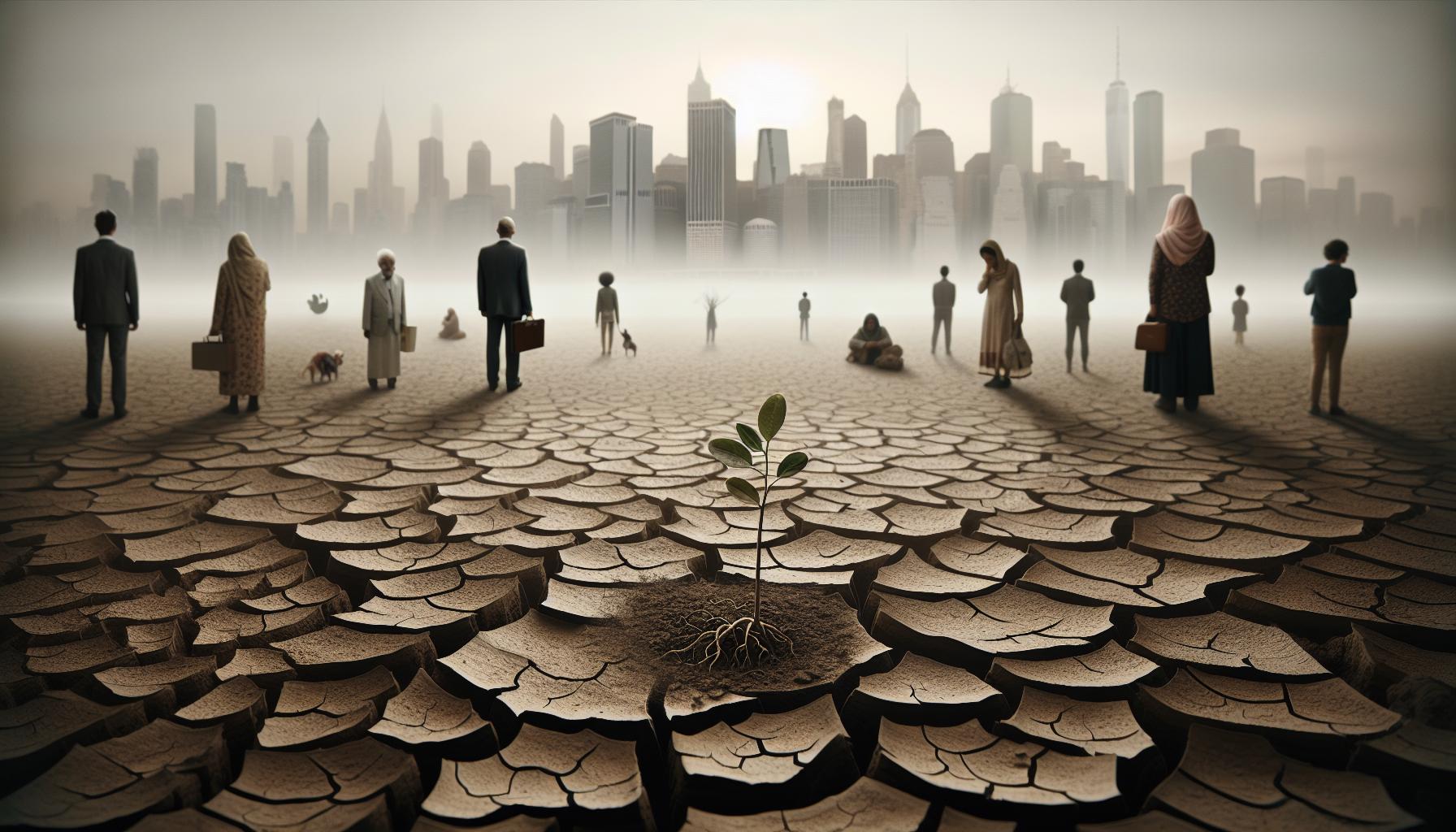
The Future of Climate Change: Death Toll Projections
As climate change accelerates at an alarming rate, projections indicate that more lives will be lost to its impacts in the coming decades than previously anticipated. A recent report from the World Meteorological Organization suggested that 2024 marked a significant rise in global temperatures, with a mean surface temperature surpassing 1.5°C above pre-industrial levels for the first time[[1]](https://wmo.int/publication-series/state-of-global-climate-2024). This unprecedented warming is symptomatic of intensified extreme weather events, such as heatwaves, floods, and hurricanes, which can directly lead to fatalities and exacerbate existing health crises.
The death toll from climate change will largely depend on the effectiveness of mitigation strategies and the resilience of our global systems. Studies predict that without substantial action, millions of lives could be impacted by climate-related disasters. For instance, a report by the Lancet Countdown indicated that climate change could result in over 250,000 additional deaths annually between 2030 and 2050 due to malnutrition, malaria, diarrhea, and heat stress. These projections highlight a critical need for immediate, decisive action.
The vulnerability of various populations, particularly in low-income countries and specific demographic groups, is a pivotal factor in these projections. Communities that rely on agriculture may face substantial challenges as shifting climate patterns disrupt food security, with women and children often bearing the brunt of these changes. Furthermore, urban areas lacking adequate infrastructure may experience heightened fatalities as heat events become more frequent and severe.
To alter the trajectory of these dire projections, global collaboration is essential. Initiatives focusing on health systems strengthening, climate adaptation strategies, and robust public health messaging can help mitigate the effects of climate change and reduce mortality rates. Concrete steps, such as investing in renewable energy, fostering sustainable agricultural practices, and enhancing disaster preparedness, are crucial in reducing the anticipated toll of climate change on human life. By prioritizing these strategies now, we can work towards a future that is not only safe but thriving, while averting a significant loss of life.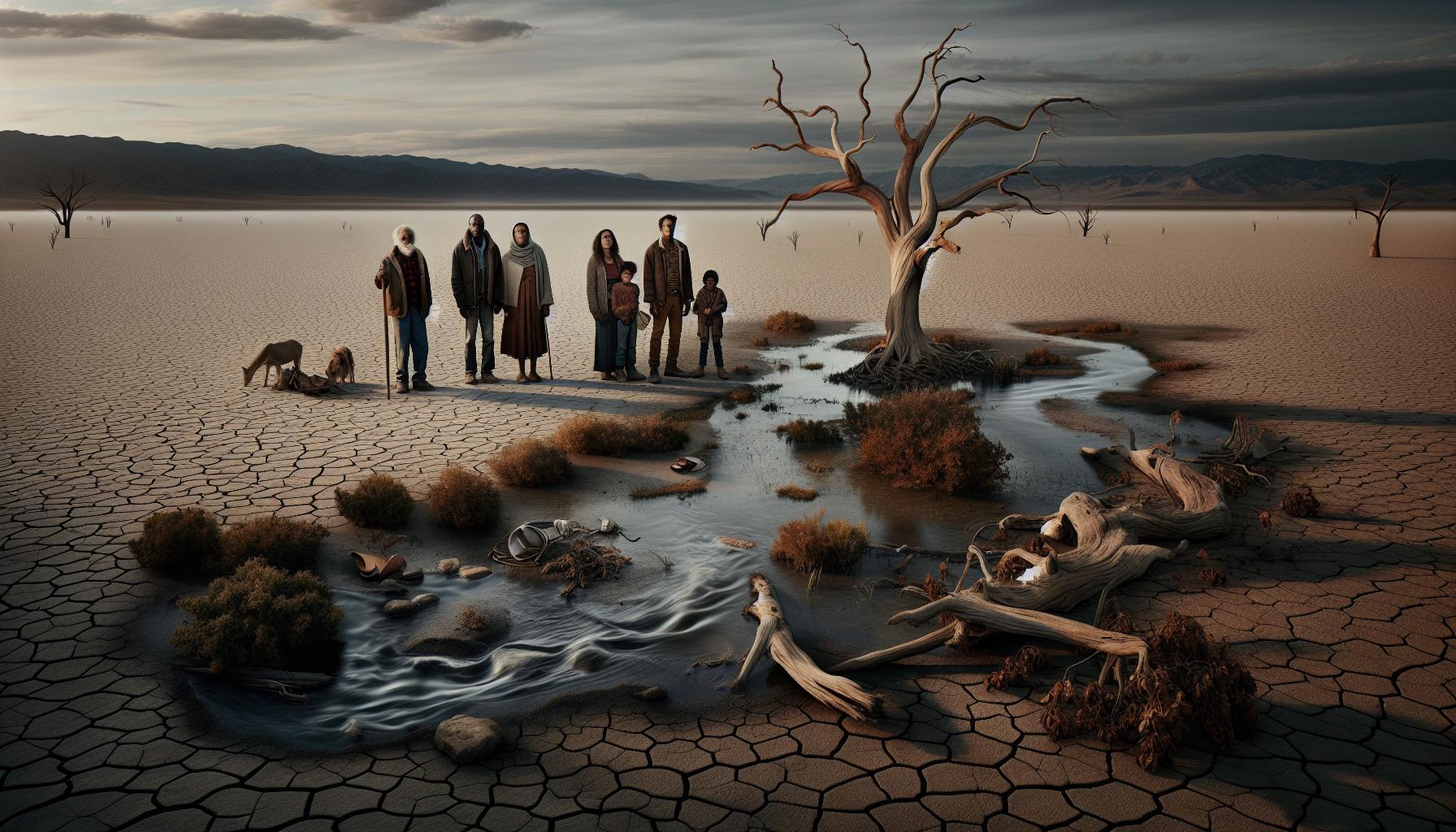
Understanding the Factors Behind Climate Change Fatalities
As climate change intensifies, the complexities surrounding its impacts on mortality are becoming increasingly clear. The interplay of rising global temperatures, extreme weather events, and systemic vulnerabilities within societies paints a concerning picture of the future. According to projections from the World Meteorological Organization, without substantial mitigation efforts, climate change could contribute to over 250,000 additional deaths annually between 2030 and 2050 due to health-related issues like malnutrition and heat stress. Understanding these factors is crucial to developing effective strategies for prevention and response.
The factors leading to fatalities from climate change are multifaceted. They encompass a range of environmental, social, and economic dimensions. For instance, extreme weather events-such as hurricanes, floods, and heatwaves-can cause immediate fatalities, but they can also lead to longer-term health crises. Vulnerable populations are disproportionately affected by these events. Those living in low-income communities or regions with inadequate infrastructure are at greater risk; they often have less access to healthcare, unstable food supplies, and limited resources for recovery. In such scenarios, the most at-risk groups, like the elderly, the young, and those with pre-existing health conditions, are the most likely to suffer severe consequences.
To truly address the factors contributing to climate change fatalities, a holistic approach is necessary. This includes not only improving emergency response systems and disaster preparedness but also investing in advancing public health infrastructure. Community resilience can be strengthened through education that empowers local populations with knowledge about climate impacts and the steps they can take to protect themselves. Furthermore, public policies aimed at fostering social equity and accessibility to resources can help mitigate the compounded risks faced by vulnerable communities.
There is hope to be found as we explore solutions. Strategies such as strengthening health systems, promoting sustainable agricultural practices, and enhancing urban planning can significantly reduce the mortality associated with climate change. Innovative initiatives are already being implemented worldwide-like the integration of climate adaptation measures into public health planning and disaster risk management-that serve as models for how to address these challenges head-on. Thus, while the projections are dire, embracing a proactive stance through community engagement, policy reform, and technological advancement could pave the way for a safer, healthier future.
Comparative Analysis: Climate Change vs. Historical Causes of Death
As climate change accelerates, its potential to rival historical causes of death calls for urgent reflection. Throughout history, pandemics, wars, and famine have claimed millions of lives, and now climate change threatens to join their ranks. Projections from the World Meteorological Organization indicate that climate-related health issues such as malnutrition and increased heat stress could lead to over 250,000 additional deaths annually between 2030 and 2050. This divergence from historical death tolls highlights a profound shift: while past death causes were often direct and immediate, climate change introduces a subtle yet pervasive crisis that operates over longer timescales and through complex socio-economic channels.
A comparative look underscores crucial differences between climate change fatalities and historical death causes. Inevitably, past events, like the 1918 influenza pandemic, showcased rapid and widespread impact, whereas climate change manifests in gradual but equally destructive ways. The relationship between climate phenomena and health issues can be multifaceted. For instance, extreme weather events, which once may have caused localized disasters, are now becoming global phenomena with systemic health repercussions, including respiratory diseases from wildfires and diseases spread by insects thriving in warmer temperatures.
Understanding the Risks
The interplay of climate change with existing health disparities furthers the urgency of this analysis. Historical causes of death often affected populations uniformly, while climate change’s impact is disproportionately felt by vulnerable groups-low-income communities, the elderly, and those with pre-existing conditions face heightened risk due to insufficient access to medical care, inadequate infrastructure, and limited resources for recovery. Such systemic inequities compound the death toll, making climate change not just an environmental issue, but a pressing social justice matter that demands a proactive response.
Although historical events such as the Black Death or the effects of World War II illustrate the devastating impact of societal disruptions and systemic failures, climate change presents a unique challenge because it ensnares daily life within its grasp, eroding public health systems and environmental stability over time. Addressing this requires not only understanding the interconnected nature of health and climate but also implementing solutions that build resilience within communities. Strategies such as enhancing public health infrastructure, fostering social equity, and investing in climate adaptation initiatives can mitigate the projected impacts of climate-related deaths-a crucial endeavor as we navigate the uncharted waters ahead.
Vulnerable Populations: Who Will Suffer the Most?
Climate change is not just an environmental challenge; it’s a profound social crisis that disproportionately impacts specific populations, exacerbating existing health disparities and vulnerabilities. As extreme weather events, rising temperatures, and deteriorating air quality become more frequent, certain groups face a heightened risk of severe health outcomes and mortality. Among the most affected are low-income communities, the elderly, and those with pre-existing health conditions, who often suffer the brunt of climate-related impacts due to systemic inequities.
Groups at Highest Risk
- Low-Income Communities: Economic constraints limit access to healthcare, nutritious food, and safe living conditions. These communities are often located in areas more vulnerable to climate events, such as flooding or heatwaves, without adequate infrastructure to cope with these challenges.
- The Elderly: Older adults frequently have multiple health conditions and reduced mobility, making them more susceptible to heat stress and respiratory problems exacerbated by climate change. Additionally, they often lack the resources or support systems to adapt to rapidly changing environmental conditions.
- Individuals with Pre-existing Health Conditions: Chronic diseases such as asthma, diabetes, and heart disease can worsen with the heat, air quality issues, and other climate-related stressors. These individuals require continuous healthcare access, which becomes increasingly challenging during natural disasters and mass evacuations.
- Children: Young children are developing in environments where climate change impacts can affect their health and future development. They’re also at higher risk for diseases related to climate phenomena, such as vector-borne diseases that thrive in warmer climates.
These populations are not only facing immediate health risks but also long-term consequences. For example, malnutrition, exacerbated by crop failures due to extreme weather, can lead to significant health issues among children and low-income families. Mental health is another critical aspect, as the trauma from climate-induced disasters can have lasting effects on vulnerable individuals, leading to anxiety, depression, and post-traumatic stress disorder.
Community Strategies for Resilience
Building resilience among these vulnerable populations is essential to mitigating the impact of climate change. Communities can take proactive measures, including:
- Establishing local support networks to provide resources and information on climate adaptation strategies.
- Investing in infrastructure improvements in low-income neighborhoods to enhance disaster preparedness, such as green spaces and community cooling centers.
- Promoting public health initiatives that focus on educating vulnerable populations about climate risks and effective coping strategies.
- Fostering local leadership and empowerment to ensure community voices are heard in policy decisions that affect their environments.
Acknowledging and addressing these vulnerabilities is critical as we progress into an era where climate change-related fatalities may become more pronounced and systematic. Empowering the most affected groups through targeted policy initiatives and community-driven actions can help mitigate the negative outcomes and enhance overall resilience in the face of this global crisis.
The Impact of Policy Decisions on Mortality Rates
As climate change accelerates, the decisions made at policy levels will play a crucial role in determining mortality rates related to climate-induced issues. For instance, implementing critical regulations aimed at reducing greenhouse gas emissions can lead to improved air quality, which directly impacts respiratory health and can save countless lives. Conversely, inadequate or delayed policy responses can exacerbate vulnerability in affected populations, leading to increased mortality from heatwaves, flooding, and diseases linked to climatic changes.
Impact of Adaptation and Mitigation Policies
Effective adaptation strategies-those that enhance community resilience against climate challenges-are essential in minimizing deaths. Policies that focus on building infrastructure, such as improved drainage systems and heat-resistant buildings, can significantly reduce the casualties from flooding and heat-related illnesses. Furthermore, investing in healthcare access and preventive measures can directly mitigate the health impacts of climate change. Communities that design policies ensuring equitable access to healthcare and resources are likely to see lower mortality rates. For example, cities that have incorporated green spaces and cooling centers into their urban planning have reported decreased heat-related emergency room visits during extreme heat events.
- Health-Focused Policy Frameworks: Approaches that integrate health with climate policy can facilitate rapid responses to emerging health threats. For instance, policies that prioritize mental health support after climate disasters can address long-term psychological impacts, ultimately reducing associated mortality rates.
- Community Engagement: Policymakers who engage communities in decision-making processes tend to create more effective and culturally appropriate interventions. Programs that include voices from vulnerable populations can reveal hidden risks and empower individuals to take part in their own protection.
Moreover, lessons from historical pandemics underscore that timely and transparent policy decisions can prevent exacerbated mortality rates. For instance, during the COVID-19 pandemic, regions that implemented swift safety measures witnessed lower death rates compared to those that hesitated. This principle extends to climate policy; prevention and preparedness will determine the scale of suffering in future climate crises.
In conclusion, the interplay between thoughtful policy decisions and mortality rates is undeniable. By prioritizing proactive measures that consider diverse community needs, and by investing in sustainable practices, we can steer society towards a healthier, safer future, mitigating the looming threat that climate change poses to human life.
Mitigation Strategies: Reducing Deaths from Climate Change
As the impacts of climate change intensify, innovative and robust mitigation strategies have become paramount in reducing potential fatalities linked to this crisis. It’s projected that without proactive measures, climate change could lead to significant loss of life through mechanisms such as extreme weather events, food and water scarcity, and increased disease prevalence. However, by implementing effective mitigation strategies, we can not only preserve lives but also foster healthier, more resilient communities.
One effective approach is the enhancement of urban infrastructure designed to withstand climate impacts. For instance, cities like New York and Miami are investing in resilience programs to combat flooding and heatwaves. Initiatives such as green roofs, permeable pavements, and expanded urban green spaces help reduce urban heat and manage stormwater. These strategies have been shown to lower emergency room visits for heat-related illnesses significantly, thereby saving lives during extreme weather conditions.
Additionally, transitioning to renewable energy sources plays a crucial role in reducing air pollution, which contributes to respiratory diseases and premature death. Countries such as Germany and Denmark have made impressive strides in solar and wind energy installation, which has not only decreased greenhouse gases but also improved public health. A shift towards cleaner energy sources can lead to an estimated reduction in millions of deaths associated with air pollution globally.
Community engagement and education are equally vital in this equation. Empowering local populations through awareness campaigns can instill a sense of responsibility and preparedness. Programs that educate individuals about the risks associated with climate change-such as heat safety tips and emergency preparedness-can dramatically enhance community resilience. For example, in India, government-led initiatives that train communities on disaster response have equipped them to effectively handle the aftermath of heatwaves and floods, ultimately saving lives.
Investments in health care infrastructure to prepare for climate-related health challenges can also prove lifesaving. Ensuring that healthcare systems are resilient and equipped to handle increased loads during climate events is crucial. Countries that focus on integrating climate data into public health planning-like the integration observed in Australia-can more effectively allocate resources during health emergencies linked to climate impacts.
In summary, the path to reducing the death toll from climate change involves strategic investments in infrastructure, energy transformation, community engagement, and healthcare readiness. By prioritizing these areas, we can build a future that not only complies with climate goals but also safeguards human lives against the imminent threats posed by a changing climate.
The Role of Global Collaboration in Preventing Deaths
As the reality of climate change looms larger, global collaboration emerges as a crucial lifeline in preventing unnecessary deaths. The scale of the crisis demands a unified response, transcending national borders and requiring the sharing of resources, knowledge, and innovative solutions. For instance, the Paris Agreement highlights the significance of collective action, aiming to limit global warming and its deadly consequences through shared commitments from countries around the world. By working together, nations can implement policies that align with one another, harmonizing efforts to combat climate-related risks that pose threats to life and health.
Shared Knowledge and Best Practices
Global collaboration enables countries to learn from each other. Through platforms like the United Nations Framework Convention on Climate Change (UNFCCC) and international NGOs, nations can share best practices in disaster preparedness, sustainable agriculture, and water management. Collaborative programs such as the Global Climate Action Initiative foster community-led projects that efficiently allocate resources where they are most needed, especially in vulnerable regions. For example, sharing successful strategies for heatwave preparedness can significantly decrease mortality rates during extreme temperature events. Nations that have created robust heat action plans often see lower impacts during extreme heat days, while those without strategies suffer higher fatalities.
Strengthening Community Resilience
Moreover, global initiatives can enhance local capacities. Programs that focus on community engagement empower residents to take part in decision-making regarding climate adaptation measures. For instance, the One Million Community Health Workers Campaign aims to train health workers in rural areas across several countries to address climate-related health risks effectively. These local champions can lead the way to ensure their communities are informed and prepared, sharing lifesaving information on how to respond to climate emergencies. By equipping communities with knowledge and skills, we foster a network of resilient populations capable of reducing the death toll linked to climate change.
Financial Support and Investment
Collaboration also plays a pivotal role in mobilizing financial resources to combat climate impacts. Initiatives like the Green Climate Fund provide financial assistance to developing nations, enabling them to invest in climate-resilient infrastructure and public health systems. This financial injection can help improve health outcomes, as seen in countries that leverage these funds to retrofit hospitals to withstand natural disasters or improve malaria prevention measures amidst rising temperatures. When countries rally together to share financial burdens and technological advancements, the ripple effect can save millions of lives.
By fostering a spirit of global collaboration, we can cultivate a proactive approach toward catastrophic climate change impacts. Through shared knowledge, strengthened communities, and pooled financial resources, we create a protective shield against the deadly repercussions of a warming planet. Together, we can not only anticipate the challenges that lie ahead but also work collectively to devise actionable solutions that safeguard human life against the escalating threats posed by climate change.
Real-World Case Studies: Success and Failure in Climate Action
The battle against climate change is replete with both successes and failures, each providing valuable lessons for future action. One notable success story is Costa Rica, which has effectively reversed deforestation and embraced sustainable development. By investing heavily in reforestation and renewable energy, the country has been able to increase its forest cover from approximately 21% in the 1980s to over 58% today. This initiative not only sequesters carbon dioxide but also enhances biodiversity and promotes eco-tourism, which generates income while preserving the environment. Such holistic approaches demonstrate how effective climate policies can lead to tangible improvements in both environmental health and economic resilience.
In contrast, the situation in the Philippines illustrates the consequences of insufficient action. Despite being highly vulnerable to natural disasters exacerbated by climate change, the country has struggled with inconsistent policy implementation and limited resources for fully addressing the challenges posed by extreme weather events. For example, Typhoon Haiyan in 2013 resulted in over 6,000 deaths and significant destruction, showcasing a grave public health crisis linked to inadequate disaster preparedness. Strengthening infrastructure and implementing robust early warning systems could mitigate such fatalities and enhance community resilience.
Ultimately, these case studies highlight critical dimensions of climate action: successful strategies often hinge on comprehensive planning and investment in sustainable practices, while failures typically stem from a lack of resources or policy coherence. As countries assess their own experiences, they can draw on these insights to create adaptive strategies that not only prevent loss of life from climate impacts but also promote sustainable development. Engaging local communities, such as through participatory planning and disaster risk reduction initiatives, ensures that the voices of those most affected are incorporated into climate solutions.
The challenge going forward lies in harnessing the lessons learned from both successes and failures, crafting policies that transcend political and economic barriers. The urgency of the moment calls for global cooperation and innovation to effectively combat threats posed by climate change, ensuring that future generations can thrive in a stable and sustainable world.
Mental Health and Climate Change: Unseen Threats
Climate change is often framed through the lens of physical impacts-rising sea levels, extreme weather events, and biodiversity loss. However, the mental health repercussions linked to these changes are equally profound yet frequently overlooked. According to a report by the Lancet, up to 1 billion people could experience mental health issues amplified by climate change by 2050. This staggering statistic underscores the urgency of addressing climate-related mental health risks alongside more visible physical threats.
Individuals exposed to extreme climate events, such as hurricanes, floods, and prolonged droughts, often face significant psychological distress. This can manifest as anxiety, depression, and post-traumatic stress disorder (PTSD). Those in marginalized communities are particularly vulnerable, as they may lack resources and support systems to cope with the traumas induced by environmental changes. For example, after Hurricane Katrina, studies found notable increases in mental health disorders among affected populations, emphasizing the long-term psychological toll that such disasters can inflict.
To address these emerging mental health crises, several practical steps can be implemented. Firstly, integrating mental health services into disaster response and recovery plans ensures that those affected receive immediate emotional support. Community-based programs that foster resilience and provide education on coping strategies can also mitigate the impact of climate-related stressors. Furthermore, public awareness campaigns that normalize discussions about mental health in the context of climate change can encourage individuals to seek help without stigma.
In addition to institutional support, individual action can play a critical role. Engaging in community initiatives to combat climate change not only fosters a sense of purpose but also strengthens social bonds, enhancing overall well-being. Actions such as joining local environmental advocacy groups or participating in reforestation projects can empower individuals, helping them navigate their own anxieties while contributing positively to their communities and the planet.
By recognizing the intricate link between climate change and mental health, we can begin to foster a more holistic approach to climate action that protects not only our physical environment but also the psychological well-being of all individuals. Addressing these unseen threats is crucial in ensuring that communities not only survive the changing climate but thrive within it.
Technological Innovations to Combat Climate Change Risks
Innovative technologies are emerging as crucial allies in the battle against climate change, addressing not only the environmental impacts but also the potential human toll associated with rising temperatures, extreme weather events, and shifting climate patterns. These advancements not only herald a new era in sustainability but also offer tangible pathways to mitigate the projected increase in climate-related fatalities.
One of the most promising areas of technological innovation involves renewable energy solutions. As countries strive to meet climate goals outlined in international agreements, switching to renewable sources such as solar, wind, and hydroelectric power is vital. For example, Denmark’s extensive investment in wind energy has enabled it to produce around 47% of its electricity from wind turbines, significantly reducing carbon emissions. Similarly, solar technologies have become both more efficient and affordable, paving the way for widespread adoption in places with ample sunlight, lowering dependence on fossil fuels and consequently reducing related health risks from air pollution.
Alongside energy advancements, smart agriculture technologies are transforming food production. These innovations include precise irrigation systems powered by AI, which optimize water usage while minimizing waste. Drones are also being employed to monitor crop health and soil conditions, ensuring that food systems remain resilient amid changing weather patterns. By reducing resource consumption and enhancing productivity, such technologies can help secure food supplies, which is crucial as climate change threatens agricultural yields and increases the risk of hunger-related deaths in vulnerable populations.
In urban environments, smart city technologies offer solutions to combat heatwaves and enhance resilience against natural disasters. For instance, cities are increasingly adopting green infrastructure-like green roofs and urban forests-to manage stormwater and reduce heat island effects. Sensors and data analytics can provide real-time information on air quality and temperature, allowing city dwellers to take protective measures during extreme weather events. Cities like Singapore are integrating biodiversity into urban planning, which not only helps in cooling urban areas but also enhances mental well-being by providing green spaces for residents.
Moreover, technological innovation also extends to healthcare systems through predictive analytics and telemedicine. With climate change projected to exacerbate health issues, using data to anticipate and manage climate-related health risks becomes critical. For example, anticipatory healthcare can track disease outbreaks influenced by extreme weather, facilitating timely interventions. Telemedicine can ensure that vulnerable populations have access to needed medical care during environmental crises, ultimately reducing mortality rates associated with climate impacts.
By embracing these and other technological innovations, societies can not only lower their carbon footprints but also prepare for and mitigate the potential human casualties linked to climate change. Collectively, these efforts not only foster environmental sustainability but also create opportunities for healthier, more resilient communities, essential to thriving in an uncertain climate future.
Public Awareness Campaigns: Educating for Change
Educating the public about climate change is crucial in mitigating its potential death toll, which projected increases indicate could reach devastating numbers in the coming years. Public awareness campaigns play a pivotal role in mobilizing communities, fostering an understanding of climate issues, and inspiring individual and collective action. By disseminating clear and compelling information, these campaigns enable people to grasp the complexities of climate change and its impacts on health, safety, and security.
One effective strategy for raising awareness is through local community initiatives that encourage participation and engagement. For instance, grassroots campaigns can utilize social media platforms to share personal stories, statistics, and actionable steps related to climate issues. Templates for community workshops or informational gatherings can help individuals learn about the local impacts of climate change and the steps they can take. Creating posters, infographics, or pamphlets that highlight the statistical relationships between climate change and mortality rates can also make the information accessible and engaging. Involving local leaders or influencers can amplify the message and foster a sense of shared responsibility.
Real-World Examples of Successful Campaigns
An inspiring example can be seen in the “60 Seconds for the Planet” campaign, which encourages individuals to share their perspectives on climate change in short videos, allowing diverse voices to be heard. This approach not only educates others but also builds a network of advocacy beyond local communities. Similarly, the “Fridays for Future” movement, initiated by Greta Thunberg, showcases the potency of youth-led initiatives in raising awareness and driving policy discussions on a global scale. Such campaigns empower individuals to feel that their contributions matter, helping to bridge the gap between knowledge and action.
While cultivating public understanding is essential, campaigns must also focus on enhancing critical thinking concerning climate-related information. With misinformation being rampant, equipping individuals with the ability to discern credible sources from unreliable ones can help them navigate complex topics effectively. Providing resources for fact-checking and promoting media literacy can ensure that people are more vigilant and informed consumers of climate information.
In essence, public awareness campaigns serve as the vital link between knowledge and actionable change, enabling communities to engage with climate issues actively. By fostering informed optimism and collaborative efforts, these campaigns not only aim to reduce potential fatalities associated with climate change but also empower individuals and communities to create a sustainable future. Through concerted efforts in education, local engagement, and critical thinking, the path to substantial change becomes clearer and more achievable.
The Importance of Local Initiatives in Mitigating Risks
Local initiatives play a crucial role in addressing the escalating risks posed by climate change, particularly as projections estimate significant increases in mortality rates due to environmental impacts. When communities take proactive steps to adapt and mitigate these risks, they not only safeguard their members but also contribute to a broader, collective response. Empowered local actions are essential in creating resilience that helps individuals manage challenges stemming from climate-related events such as heatwaves, flooding, and food insecurity.
Effective local initiatives can range from community gardens and urban reforestation projects to local disaster preparedness plans. For example, community gardens not only enhance food security but also promote social cohesion and educate residents about sustainable practices. Similarly, urban reforestation efforts can help mitigate heat effects in cities, offering shade and improving air quality, which is vital during extreme heat events. Communities that engage in such initiatives find that they can foster a culture of collaboration, resilience, and shared responsibility.
Furthermore, these local efforts can be amplified through partnerships with schools, local businesses, and non-profits, creating a network of support that enhances their impact. Real-world example: The “Cool Cities” initiative showcases how towns in various states have come together to create green spaces, reduce urban heat, and inform residents about climate adaptation practices. By mobilizing resources and sharing knowledge, these partnerships ensure that practical solutions are tailored to the unique challenges faced by different communities.
To enhance the effectiveness of local initiatives, it is vital that community leaders engage residents in the planning process, ensuring that their voices are heard and their specific needs are addressed. This engagement not only fosters a sense of ownership but also leads to innovative solutions that might not emerge from top-down approaches. Practical steps for communities include:
- Organizing climate awareness workshops to educate residents about local climate risks.
- Developing contingency plans for extreme weather events.
- Encouraging sustainable practices, such as reducing waste and increasing energy efficiency.
Ultimately, the success of these local initiatives lies in their ability to connect communities, foster resilience, and empower individuals to take meaningful action against the risks posed by climate change. By capitalizing on local strengths and resources, communities can not only mitigate potential fatalities associated with climate impacts but also pave the way towards a sustainable future.
Faq
Q: What is the projected number of deaths due to climate change by 2100?
A: Projections suggest that climate change could lead to millions of deaths by 2100, with estimates ranging from 250,000 to several million annually, depending on global temperatures and the effectiveness of mitigation efforts. Addressing climate change is crucial to minimizing these impacts.
Q: Which regions are most vulnerable to climate change-related deaths?
A: Vulnerable regions include sub-Saharan Africa, South Asia, and the Arctic. These areas face extreme weather, food insecurity, and health crises exacerbated by climate change. It’s vital to focus on localized mitigation strategies to protect these populations.
Q: How does climate change affect mental health and associated mortality?
A: Climate change negatively impacts mental health, contributing to anxiety, depression, and post-traumatic stress disorder (PTSD) from disasters. This indirect effect can lead to increased mortality through suicide and other health-related issues, highlighting the need for comprehensive mental health support in climate strategies.
Q: What policies can reduce deaths from climate change?
A: Effective policies include enforcing stricter emission regulations, transitioning to renewable energy, and enhancing disaster preparedness. Such strategies can significantly lower morbidity and mortality rates associated with extreme weather events and climate-related health issues.
Q: How will climate change impact health services and death rates?
A: Climate change will strain health services due to increased demand from climate-related health issues, such as heat-related illnesses and vector-borne diseases. Strengthening health infrastructure is essential to cope with these challenges and protect vulnerable populations.
Q: What role does global collaboration play in reducing climate-related deaths?
A: Global collaboration is crucial for sharing resources, technology, and strategies to combat climate change. International agreements can facilitate coordinated efforts to mitigate risks and enhance resilience to climate impacts, ultimately reducing projected fatalities.
Q: How can technological innovations help reduce climate change mortality?
A: Technological innovations such as renewable energy systems, advanced agricultural techniques, and climate-resilient infrastructure can significantly mitigate fatality risks from climate change. Investing in and promoting these technologies is key to enhancing global resilience.
Q: What can individuals do to combat climate change and prevent deaths?
A: Individuals can take action by reducing their carbon footprint, supporting sustainable practices, advocating for policy changes, and participating in local climate initiatives. Every effort counts in the global fight against climate change and its deadly effects.
The Way Forward
As we’ve explored the grim projections of climate change and its potential impact on global populations, it’s clear that urgent action is required to mitigate these risks. Understanding how climate change can affect human life not only raises awareness but also empowers us to make informed choices that could change the tides. We invite you to delve deeper into this critical issue by exploring our articles on sustainable practices and innovative solutions that are making a difference.
What can you do right now? Consider subscribing to our newsletter for the latest insights and practical steps you can take in your community. Engage in the conversation-share your thoughts in the comments below, or connect with others who are equally concerned about this pressing matter. Together, we can drive change and inspire hope amidst these challenges.
Remember, small actions lead to big changes. Stay informed, stay engaged, and let’s work towards a more sustainable future for all. Explore more on how to combat climate change and its effects on human life through our related articles.
Get our latest guides, news, and insights highlighted in your Google Search & AI Overviews.








