As climate change continues to pose significant threats to our planet and daily lives, understanding the financial commitment behind climate research becomes crucial. The U.S. Environmental Protection Agency (EPA) plays a pivotal role in funding initiatives that advance our knowledge of climate impacts and strategies for mitigation. With billions dedicated to exploring innovative solutions, the question arises: how much of this funding directly addresses the pressing climate challenges we face? This exploration not only sheds light on government priorities but also empowers citizens to engage in informed discussions about our environment and health. Join us as we delve into the EPA’s climate research funding, uncovering insights that reveal the agency’s commitment to fostering a sustainable future.
How Climate Research Funding Supports Environmental Policy
Understanding the financial underpinnings of climate research is crucial in shaping effective environmental policies. Funding for climate research not only anchors scientific inquiry into the impacts of climate change but also ensures that these insights inform policy decisions at local, national, and global levels. When the U.S. Environmental Protection Agency (EPA) allocates funds to climate research, it empowers scientists to investigate critical areas such as greenhouse gas emissions, climate adaptation strategies, and the socioeconomic repercussions of climate change. This research creates a sound basis for policymaking, enabling legislators to enact regulations that effectively mitigate environmental impacts and adapt to inevitable changes.
The EPA’s funding is often directed towards projects that prioritize actionable outcomes, such as developing new technologies for reducing emissions or enhancing community resilience against climate-related disasters. For instance, studies funded by the EPA have highlighted the benefits of integrating green infrastructure to manage stormwater in urban environments, reducing flooding risks while improving local ecosystems. Such research not only showcases the effectiveness of certain interventions but provides concrete data to support policy recommendations that can garner public and political backing. As communities and governments grapple with the challenge of climate change, these findings serve as invaluable tools for guiding sustainable development.
Moreover, the intertwining of climate research funding and environmental policy is evident in its capacity to foster collaboration across various sectors. EPA-funded research often partners with academic institutions, private industry, and non-profits, amplifying the impact of findings by translating them into practical applications. This multi-faceted approach not only enhances the depth of research but also ensures that the outputs are more relatable and directly applicable to existing policy frameworks. By weaving scientific evidence into the legislative fabric, such funding initiatives bolster public trust and enhance accountability in environmental governance.
In short, the strategic investment in climate research by the EPA is a linchpin for developing sound environmental policies that promote public health, protect ecosystems, and address the challenges posed by a changing climate, ensuring that future generations inherit a sustainable and resilient world.
The Role of the EPA in Climate Change Research
The U.S. Environmental Protection Agency (EPA) plays a pivotal role in climate change research, significantly influencing both the scientific understanding of climate-related issues and the development of effective environmental policies. With a commitment to improving public health while safeguarding the environment, the EPA’s funding stream has empowered a diverse array of research projects that tackle pressing climate challenges. In recent years, the agency has allocated substantial resources to investigate topics ranging from greenhouse gas emissions to the adaptation strategies necessary for coping with climate variability.
By supporting interdisciplinary research initiatives, the EPA facilitates collaboration between universities, governmental bodies, and private sectors. This synergy fosters innovation and helps translate complex scientific findings into actionable policies. For instance, EPA-funded research has explored the implementation of green infrastructure-such as rain gardens and permeable pavements-which not only mitigate flooding but also enhance urban biodiversity. These projects are grounded in scientific research that demonstrates their efficacy, providing policymakers with the data necessary to support funding and enact legislation aimed at broader climate resilience.
Key Areas of Focus
The EPA emphasizes research that yields practical outcomes, funding studies in various areas such as:
- Climate Impact Assessments: Evaluating how climate change affects different ecosystems and communities.
- Technology Development: Innovating tools and techniques to reduce greenhouse gas emissions and improve energy efficiency.
- Environmental Health: Analyzing the health impacts of climate change, particularly in vulnerable populations.
- Policy Analysis: Assessing the effectiveness of existing regulations and the potential of new policy initiatives.
The agency’s commitment not only aids in understanding environmental phenomena but also fortifies the backbone of legislation aimed at climate mitigation and adaptation. Furthermore, EPA research funding often serves as a catalyst for additional financial support from other sources. Such leverage amplifies the impact of initial EPA investments, showcasing the integral role of government funding in addressing the climate crisis holistically. By seamlessly intertwining scientific inquiry with policy action, the EPA positions itself as a leader in the drive towards a more sustainable future.
Exploring the Types of Climate Research Funded
The EPA’s funding for climate research encompasses a diverse array of studies aimed at tackling some of the most pressing environmental challenges of our time. Each project is designed not only to enhance scientific understanding but also to provide tangible benefits to communities and ecosystems. This multifaceted approach ensures that research results translate into practical applications, thereby enhancing both local resilience and global sustainability.
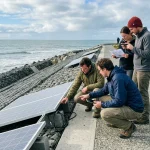
One of the prominent types of research funded by the EPA includes climate impact assessments. These studies provide vital insights into how climate change affects various ecosystems, wildlife, and vulnerable communities. An example can be seen in projects analyzing the effects of rising sea levels on coastal cities, offering data that informs urban planning and disaster preparedness. Furthermore, the EPA invests in technology development, focusing on innovative methods to combat greenhouse gas emissions, such as advanced renewable energy technologies and energy-efficient practices for industrial processes.
The agency also prioritizes research on environmental health, which examines the health implications of climate change. This includes studying the impacts of air quality deterioration due to climate variability on public health, particularly for susceptible populations like children and the elderly. Another critical area of focus is policy analysis. The EPA funds studies that evaluate existing regulations’ effectiveness and assess potential new initiatives, ensuring that policymaking is informed by solid scientific evidence.
These research types not only reflect the diverse nature of climate challenges but also emphasize the EPA’s commitment to fostering a comprehensive understanding of the interconnectedness of environmental issues. By championing projects that bridge scientific inquiry with practical solutions, the EPA plays a crucial role in shaping a sustainable future, driving home the importance of evidence-based policies and community engagement in the fight against climate change.
Recent Trends in EPA Climate Research Funding
In recent years, the Environmental Protection Agency (EPA) has seen an increase in climate research funding, reflecting a growing recognition of the urgent need to address climate change. For instance, during the last fiscal year, appropriations for climate-related research surged by over 25%, highlighting a strategic shift toward proactive measures against environmental challenges. This increase not only fuels scientific exploration but also enhances partnerships with academic institutions and non-profit organizations, creating a collaborative network dedicated to sustainability and ecological resilience.
The focus areas of EPA funding have also evolved. There is now a stronger emphasis on interdisciplinary approaches that integrate socio-economic factors with environmental science. This shift allows researchers to explore the human dimensions of climate impacts, such as how changes in air quality affect community health and economic stability. Furthermore, more resources are directed toward technology development, particularly innovations that aim to reduce greenhouse gas emissions and improve energy efficiency. Projects fostering sustainable agricultural practices, advanced waste management techniques, and renewable energy solutions are now at the forefront of funded initiatives.
This trend toward increased funding and diversified project focus is bolstered by public demand for transparency and accountability in environmental governance. Recent public surveys indicate that a significant majority of Americans support enhanced government action on climate change, which places pressure on institutions like the EPA to allocate resources effectively. Moreover, success stories from these funded projects, such as studies that have led to improved disaster preparedness in vulnerable coastal communities, serve to further justify and amplify support for climate research funding.
Ultimately, these recent trends signal a robust commitment from the EPA to not only advance scientific knowledge but also to ensure that the findings translate into actionable policies and community initiatives. By investing in research that tackles both current and future climate challenges, the EPA is building a framework that empowers local stakeholders while contributing to global sustainability efforts.
Case Studies: Successful Projects Funded by the EPA
Recent successes in EPA-funded climate research illustrate the agency’s vital role in fostering innovative solutions to pressing environmental challenges. For instance, a groundbreaking project in the Gulf Coast focused on developing community resilience against hurricanes. By funding a collaborative initiative involving local governments, universities, and nonprofits, the EPA helped create advanced predictive models for storm impacts. The outcome was not only improved emergency preparedness plans but also initiatives that strengthened building codes to better withstand extreme weather, thereby saving lives and reducing property loss.
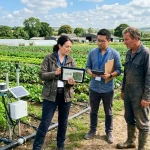
Another notable example can be seen in the EPA’s funding of sustainable agricultural practices in the Midwest. These projects, which brought together farmers, researchers, and conservationists, aimed to reduce greenhouse gas emissions through innovative practices such as cover cropping and no-till farming. By supporting these endeavors, the EPA not only enhanced soil health and water quality but also empowered agricultural communities to adopt more environmentally friendly methods. This approach also serves as a model for how similar funding can create a ripple effect-transforming agricultural standards across the nation.
A significant project in California tested the effectiveness of urban green spaces in mitigating heatwaves and improving air quality. The findings led to actionable policies, advocating for the creation and maintenance of parks and green areas in disadvantaged neighborhoods. The EPA’s funding for this research not only underscored the importance of green infrastructure but also highlighted essential relationships between environmental health, community activism, and public policy.
Through these case studies, it’s evident that EPA-funded climate research has tangible impacts at both local and national levels. These initiatives not only serve immediate community needs but also contribute to the larger goal of global climate resilience. By investing in diverse projects that intersect with community health, economic stability, and environmental stewardship, the EPA is proving that effective climate action can begin with well-placed funding and robust partnerships.
Comparing EPA Funding to Other Climate Research Sources
When comparing funding from the Environmental Protection Agency (EPA) with other sources of climate research financing, it becomes clear just how crucial the agency’s contributions are to the broader landscape of environmental science and innovation. The EPA’s funding tends to focus on community-driven projects that address both local and national environmental issues, thereby creating a rich intersection of applied research and real-world impact.
One major distinction lies in the type of initiatives supported by the EPA, which often prioritize practical applications aimed at enhancing community resilience and environmental health. For instance, through grant programs and partnerships that engage local governments, NGOs, and academic institutions, the EPA not only funds innovative research but also ensures that findings can be translated into actionable community policies. In contrast, other funding sources, such as large philanthropic organizations or private sector investments, may focus more on expansive, theoretical studies or technology development that lacks immediate practical application. The importance of this hands-on approach can be seen in successful EPA-funded projects that have addressed specific regional challenges like coastal erosion or urban heat islands.
Factors such as federal budget allocations and state-level initiatives also play a crucial role in shaping how climate research is funded across different sectors. According to recent trends, federal investments in EPA-administered climate research are often complemented by funding from other sources, including the National Science Foundation (NSF) and the Department of Energy (DOE). These agencies tend to provide larger grants aimed at in-depth studies on climate impacts, greenhouse gas emissions, and renewable energy technologies. However, the EPA’s commitment to supporting localized research creates a unique dynamic; while it may contribute fewer total funds compared to large federal programs, the focus on community impacts often results in a greater variety of targeted studies that address pressing environmental concerns effectively.
To better understand the distribution of climate research funding, consider the following factors:
- Scope of Research: The EPA emphasizes actionable, localized studies, while other sources may fund broader theoretical research.
- Collaboration: EPA projects typically involve partnerships with local entities, enhancing community engagement.
- Funding Volume: Although the total amount may differ, the impact and applicability of EPA funding can often lead to significant community benefits.
- Complementary Efforts: Funding from EPA often works in conjunction with other federal sources to enhance comprehensive climate strategies.
By leveraging the strengths of various funding streams, the EPA not only addresses urgent climate challenges but also builds a robust foundation for future environmental policies. Understanding these comparisons encourages stakeholders and communities to advocate for balanced funding strategies that incorporate both broad environmental research and targeted community initiatives.
Impacts of EPA Funding on Local and Global Initiatives
The Environmental Protection Agency (EPA) plays a pivotal role in shaping both local initiatives and global strategies aimed at mitigating climate change. By directing funds toward community-focused projects, the EPA ensures that research translates into tangible actions that address environmental challenges at the grassroots level. For instance, EPA funding has supported innovative programs aimed at reducing urban heat islands, which can significantly lower local temperatures, improve air quality, and enhance public health outcomes. Such initiatives not only provide immediate benefits to communities but also serve as models for similar projects worldwide.
Moreover, the impact of EPA-funded climate research extends beyond U.S. borders. Programs that enhance water conservation, for example, have informed international water management practices, promoting sustainability and resilience in vulnerable regions globally. By sharing research outcomes and best practices with other countries, the EPA fosters a collaborative approach to environmental challenges, emphasizing that climate action is a shared responsibility. This global perspective is crucial as nations address issues like greenhouse gas emissions and biodiversity loss-areas where localized solutions can lead to significant worldwide progress.
Empowering Local Communities
At the community level, the EPA’s funding initiatives empower local governments and organizations to spearhead climate solutions tailored to their specific needs. Projects that enhance green infrastructure-like urban tree canopies or permeable pavements-are directly funded by the EPA, enabling cities to manage stormwater effectively while also increasing community green spaces. These enhancements not only improve biodiversity and habitat conservation but also significantly contribute to the aesthetics and livability of urban areas, promoting a sense of ownership and stewardship among residents.
To illustrate, the collaboration between the EPA and various local entities often results in successful case studies. Take the example of a small coastal town that received EPA funding to implement a flood resilience program. By employing nature-based solutions such as restoring wetlands, the town not only protected its local ecosystems but also safeguarded homes and businesses from rising sea levels and storm surges. This actionable outcome exemplifies how EPA funding creates a ripple effect, inspiring similar initiatives in various locations and elevating community resilience.
The convergence of local action and global impact underscores the importance of EPA funding in climate research. Each project funded contributes to a more robust understanding of environmental challenges and innovative solutions, bridging scientific research with practical applications that resonate across borders and communities alike.
Public Perception of EPA-Funded Climate Research
Public sentiment toward EPA-funded climate research is increasingly vital as environmental challenges escalate globally. A recent survey shows that over 70% of Americans support funding for research aimed at climate change mitigation. This support stems from a growing awareness of how climate impacts affect local communities, from extreme weather events to shifts in agricultural productivity. Many see the EPA as a key player in fostering innovative scientific advancements via targeted funding, embodying a proactive approach in tackling climate issues.
Moreover, the perception of the EPA’s role is shaped by successful projects that demonstrate tangible outcomes from funded research. For instance, successful community initiatives like urban green spaces not only beautify cities but also contribute to lowering temperatures and improving air quality. These projects serve as powerful narratives that highlight the effectiveness of EPA funding, as visible changes in the community reinforce positive attitudes toward government-led climate endeavors.
It is also important to note the influence of public discourse on EPA-funded research. Increased media coverage on climate issues and the actions taken by the EPA can either bolster or hinder public support. Engaging storytelling around specific projects, complemented by accessible data showcasing their effectiveness, helps bridge the gap between policy and public consciousness. For example, local engagement events where communities can see research in action foster enthusiasm and support for ongoing and future funding.
As perceive the EPA’s funding initiatives as essential parts of the nation’s climate action strategy, it remains crucial for the agency to maintain transparency and communication. Active outreach, detail on funding allocations, and outcomes of various projects not only enhance trust but also empower citizens to advocate for continued investment in climate research. This reciprocal relationship between the EPA, communities, and stakeholders ensures that the path forward is informed by both scientific evidence and public inclination, ultimately leading to more robust and resilient environmental policies.
Challenges in Climate Research Funding Allocation
Despite the pressing need for comprehensive research on climate change, the allocation of funding for such initiatives often faces significant challenges. One of the main hurdles is the competition for limited federal resources among a plethora of pressing social issues. As the Environmental Protection Agency (EPA) navigates budget constraints, priorities may shift, leading potentially impactful climate research projects to compete for attention alongside urgent health, infrastructure, and education initiatives. Such competition can result in inconsistent funding levels, creating uncertainty for researchers and hampering long-term climate studies.
Furthermore, the bureaucratic processes associated with securing funding can delay progress. Researchers must navigate complex application procedures, all while coordinating with various stakeholders, including local governments and non-profits that may also rely on the EPA’s resources. This necessary but time-consuming process can lead to fragmented research efforts, where studies are designed to fit narrowly defined funding criteria rather than addressing broader, systemic climate issues. For example, projects focused solely on regional impacts might overlook critical larger-scale environmental interactions or technological innovations, limiting their potential impact.
Another significant challenge is the evolving political landscape affecting climate research funding. Changes in administration can lead to rapid shifts in research priorities and funding allocations, which may disrupt ongoing projects and deter new initiatives. Researchers often require stability to plan and execute interdisciplinary studies that span multiple years. A lack of commitment to consistent funding undermines trust and can diminish the enthusiastic participation of key stakeholders, including local communities that are essential for gathering data and implementing research outcomes.
To address these challenges, it is vital for the EPA to foster stronger partnerships with academic institutions, non-profit organizations, and private industry. Collaborative funding models can pool resources, allowing for diversified funding streams that enhance research resilience and adaptability. Additionally, establishing transparent communication channels about funding opportunities and criteria can empower researchers to align their projects with available resources, ultimately leading to more innovative and impactful climate research. By working towards cohesive funding strategies that prioritize long-term environmental stability, the EPA can better position itself as a leader in climate science and policy.
Future Outlook: EPA’s Role in Climate Research Funding
As communities worldwide grapple with the accelerating impacts of climate change, the Environmental Protection Agency (EPA) stands at a crucial crossroads, redefining its role in climate research funding. With growing public awareness of environmental issues and the urgent need for innovative solutions, the EPA has significant opportunities to enhance its funding strategies to foster cutting-edge research. This shift not only holds the potential to improve climate responsiveness in local initiatives but also positions the United States as a global leader in environmental science.
To capitalize on its potential, the EPA needs to adopt a more flexible and responsive funding model. By actively engaging with local universities, non-profits, and private companies, the agency can create collaborative partnerships that both pool resources and align research goals with pressing environmental needs. For example, community-based research projects that directly address regional climate issues can be prioritized, ensuring that funding supports initiatives that provide immediate benefits while contributing to the larger body of climate knowledge. This approach also creates opportunities for innovative pilot projects that can be scaled up, demonstrating impactful solutions in real time.
Furthermore, as the political landscape evolves, it is imperative for the EPA to advocate for stable and consistent funding streams. Establishing multi-year funding commitments would empower researchers to undertake comprehensive studies that require significant time and resources, such as longitudinal studies that track ecosystem changes over time. This stability not only benefits researchers but also encourages community engagement by building trust and a sense of shared purpose among local stakeholders who are integral to the success of these initiatives.
Ultimately, the future of EPA-funded climate research hinges on its ability to embrace transparency and proactive communication with the scientific community. By clearly outlining funding criteria and providing accessible information about application processes, the EPA can demystify funding opportunities and stimulate a broader range of innovative research proposals. This not only enhances the effectiveness of climate research but also ensures that funds are allocated to projects with the greatest potential for positive environmental and social impacts. As the agency navigates these changes, its role as a cornerstone of climate research funding can significantly influence both local and global efforts to combat climate change.
FAQ
Q: How much funding does the EPA provide for climate research annually?
A: The EPA allocates a significant portion of its budget to climate research, with recent estimates citing around $300 million to $500 million annually. This funding supports various initiatives aimed at understanding climate change impacts and developing effective mitigation strategies. For detailed budget allocations, refer to recent EPA reports.
Q: What are the main areas of climate research funded by the EPA?
A: The EPA primarily funds research in climate modeling, air quality impacts, water resources, and ecosystem resilience. These areas are crucial for forming policies that address climate change effects and support sustainable environmental practices. For specific projects, check the “Exploring the Types of Climate Research Funded” section of the article.
Q: How is EPA climate research funding compared to funding from other federal agencies?
A: While the EPA contributes significant funds to climate research, agencies like NASA and the National Science Foundation also provide substantial funding. Understanding how EPA funding matches or contrasts with these other sources can provide insights into the overall federal climate research landscape.
Q: What challenges does the EPA face in funding climate research?
A: The EPA faces challenges such as budget constraints, political changes, and the need to prioritize various environmental issues. These factors can affect the availability and focus of climate research funding, limiting how comprehensively the EPA can address climate-related challenges.
Q: How does EPA funding impact local climate initiatives?
A: EPA-funded climate research directly supports local initiatives by providing data and tools necessary for cities and communities to implement climate action plans. This funding helps enhance local resilience strategies and informs environmental policy decisions at the community level.
Q: Are there any success stories from projects funded by the EPA in climate research?
A: Yes, several EPA-funded projects have successfully addressed climate challenges. For instance, local programs enhancing urban green spaces have resulted in improved air quality and reduced urban heat island effects. These case studies illustrate the tangible benefits of EPA funding in action.
Q: How does public perception influence EPA climate research funding?
A: Public perception significantly affects EPA funding as it drives political support for climate initiatives. Positive engagement with the community can lead to increased funding, while skepticism may hinder investment in climate science. Understanding these dynamics is essential for advocating for sustained research funding.
Q: What role does the EPA play in international climate research collaborations?
A: The EPA actively engages in international partnerships to address climate change. By collaborating with global organizations, the EPA shares knowledge and resources, enhancing the effectiveness of research initiatives. This effort helps to elevate U.S. contributions to global climate actions.
Key Takeaways
Thank you for exploring how much climate research is funded by the EPA. Understanding the significant role the EPA plays in climate science not only highlights the agency’s commitment but also empowers you to advocate for environmental policies that matter. If you’re curious about the specific projects or want to dive deeper into funding sources, check out our articles on EPA Climate Initiatives and Understanding Federal Research Grants.
Now is the time to engage! Consider signing up for our newsletter to stay updated on the latest climate research trends and findings. Have thoughts or questions? We’d love to hear from you in the comments section below; your voice matters in this crucial conversation. By remaining informed and involved, we can collectively push for a sustainable future. Remember, informed action leads to impactful change!
Get our latest guides, news, and insights highlighted in your Google Search & AI Overviews.