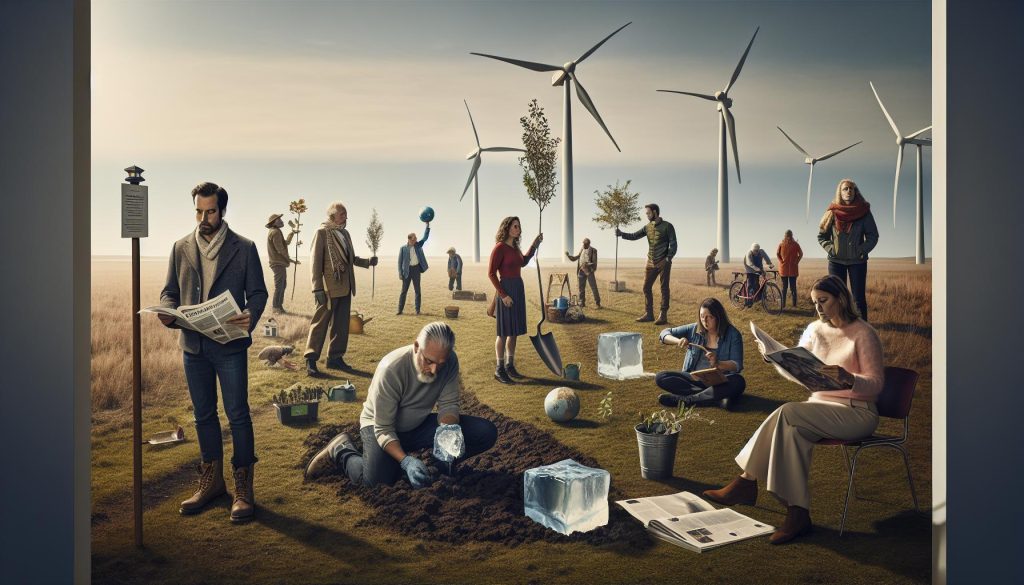
Did you know that the Greenhouse Effect, a natural process, is being intensified by human activities, leading to alarming changes in our climate? Understanding climate change is crucial for everyone, as it affects not just our environment but also health, food security, and economies worldwide. In “How To Draw Climate Change: Easy Step-by-Step Guide,” we’ll explore creative ways to depict the complexities of this global challenge. Drawing can be a powerful tool to raise awareness and inspire action, helping you connect with others on this critical issue. By learning the steps to illustrate key concepts related to climate change, you’ll not only hone your artistic skills but also become a more informed advocate for our planet. Dive in with us to discover how art can drive conversation and promote solutions that are vital for our future!
Understanding the Basics of Climate Change Visualization
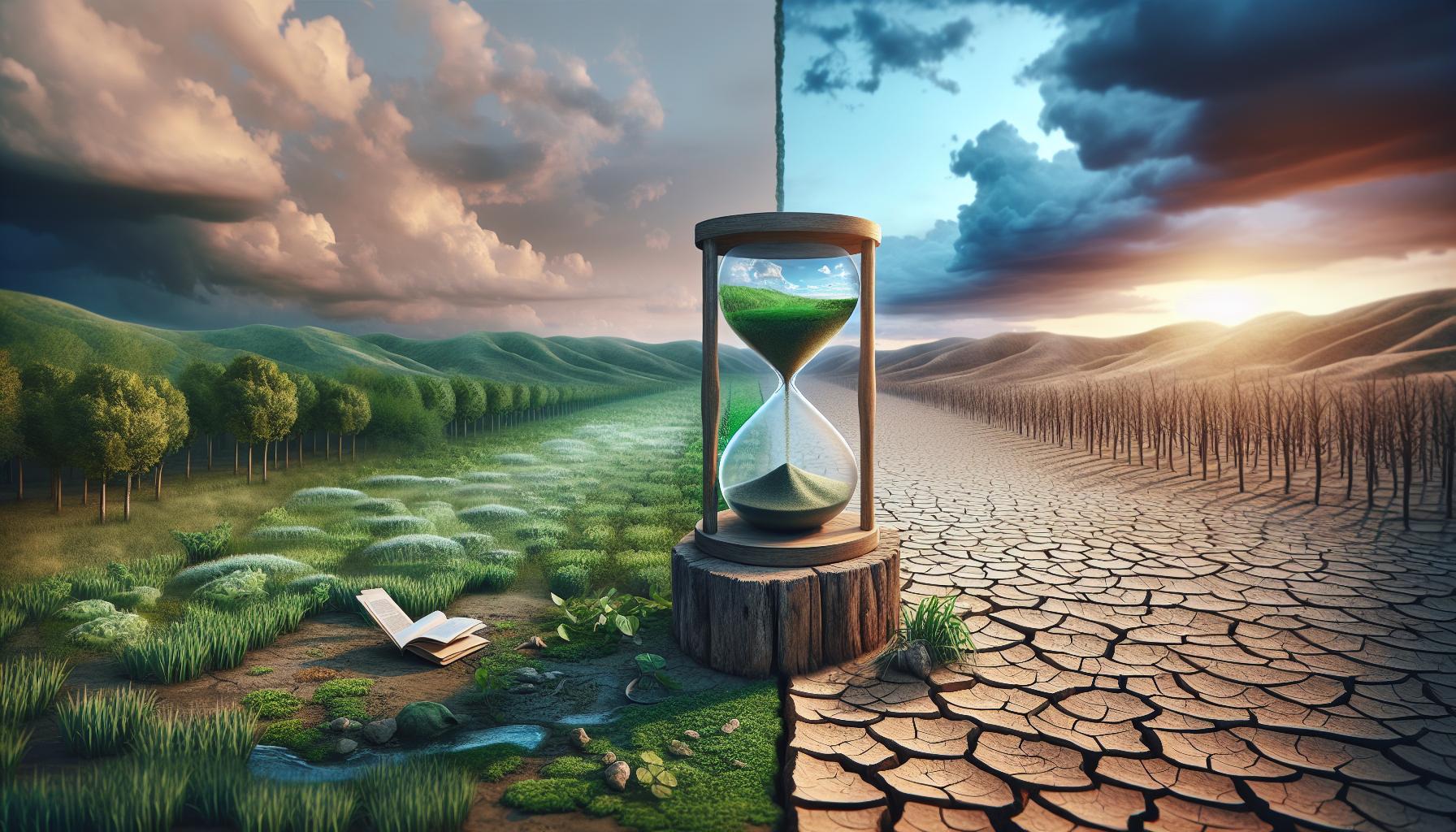
Visualizing climate change is a powerful way to communicate complex issues that affect our planet. At its core, climate change visualization helps convey the urgency and scale of environmental challenges by transforming abstract data into compelling imagery. Effective visualizations can provoke thought, inspire action, and foster a deeper understanding of the ecological impacts that are often too large or distant to grasp fully. For instance, striking images of natural disasters, melting glaciers, or extreme weather can serve as stark reminders of the consequences of climate inaction, making the intangible tangible.
One essential aspect of climate change visualization is accurately representing data. Charts, graphs, and infographics can illustrate trends over time, such as rising global temperatures or increasing carbon emissions. However, it’s crucial to present this information clearly and concisely to avoid overwhelming the viewer. Using visual hierarchy-where the most important information stands out-can guide the audience’s focus effectively. For example, employing bold colors or larger text for key data points allows the viewer to digest and understand the significance without distraction.
Moreover, incorporating emotional elements into visual representations significantly enhances their impact. Artists and communicators often rely on evocative imagery to connect with the audience on a personal level, creating a sense of urgency around climate action. Visuals that depict human suffering caused by climate change, such as displaced communities or endangered wildlife, can elicit empathy and prompt viewers to consider their role in advocating for change.
Ultimately, involves recognizing the balance between factual representation and emotional storytelling. By employing both of these elements, artists and communicators can create powerful visual narratives that not only inform but also inspire action toward addressing one of the most pressing challenges of our time.
Essential Tools for Drawing Climate Change
Creating artworks that encapsulate the myriad challenges posed by climate change can be immensely fulfilling and impactful. To successfully convey these critical issues through art, it’s essential to equip yourself with the right tools. Below are some vital instruments and resources that can assist you in your journey of drawing climate change.
Essential Materials
To start, your choice of materials will significantly influence the effectiveness of your art. Consider employing:
- Graphite Pencils: Ideal for sketching initial ideas and outlines due to their ease of erasing and blending.
- Colored Pencils or Markers: Use vibrant colors to represent data visually or to illustrate the beauty of affected ecosystems.
- Acrylic or Watercolors: These mediums can capture the vibrancy of nature and provide a dynamic element to your work.
- Digital Tools: Software like Adobe Illustrator or Procreate can aid in creating precise infographics and illustrations that reflect aerial views of climate change impacts.
Reference Materials and Inspiration
Gather resources that not only inform but also inspire your work. Browse through books, documentaries, and online platforms focusing on climate science and environmental art. For instance, exploring visual narratives by artists such as Janet Echelman can provide insights into how abstract concepts are transformed into visual experiences that provoke thought and emotion [[3]](https://www.nytimes.com/2025/10/15/arts/design/climate-change-art-museum.html). Additionally, immersing yourself in local ecosystems can reveal firsthand the effects of climate change and initiate creative ideas.
Collaborative Tools
Art-making can benefit greatly from collaboration. Engaging with community groups or online forums can share knowledge and perspectives that enrich your understanding. Platforms such as Instagram or Pinterest are excellent for discovering how fellow artists depict climate issues, while also serving as a space for feedback and encouragement. You might consider co-hosting workshops focused on environmental art, where participants share techniques and styles that resonate with their climate narratives [[2]](https://www.anchoragemuseum.org/about-us/stories-and-voices/anchorage-museum-blog/2024/the-power-of-art-to-capture-climate-change/).
Equipped with these tools and insights, artists can effectively communicate the urgency of climate change through their work. By merging scientific data with creative expression, you have the power to inspire action and inform your audience, turning art into a beacon of hope and awareness in the face of environmental challenges.
Step-by-Step Guide to Simple Climate Change Illustrations
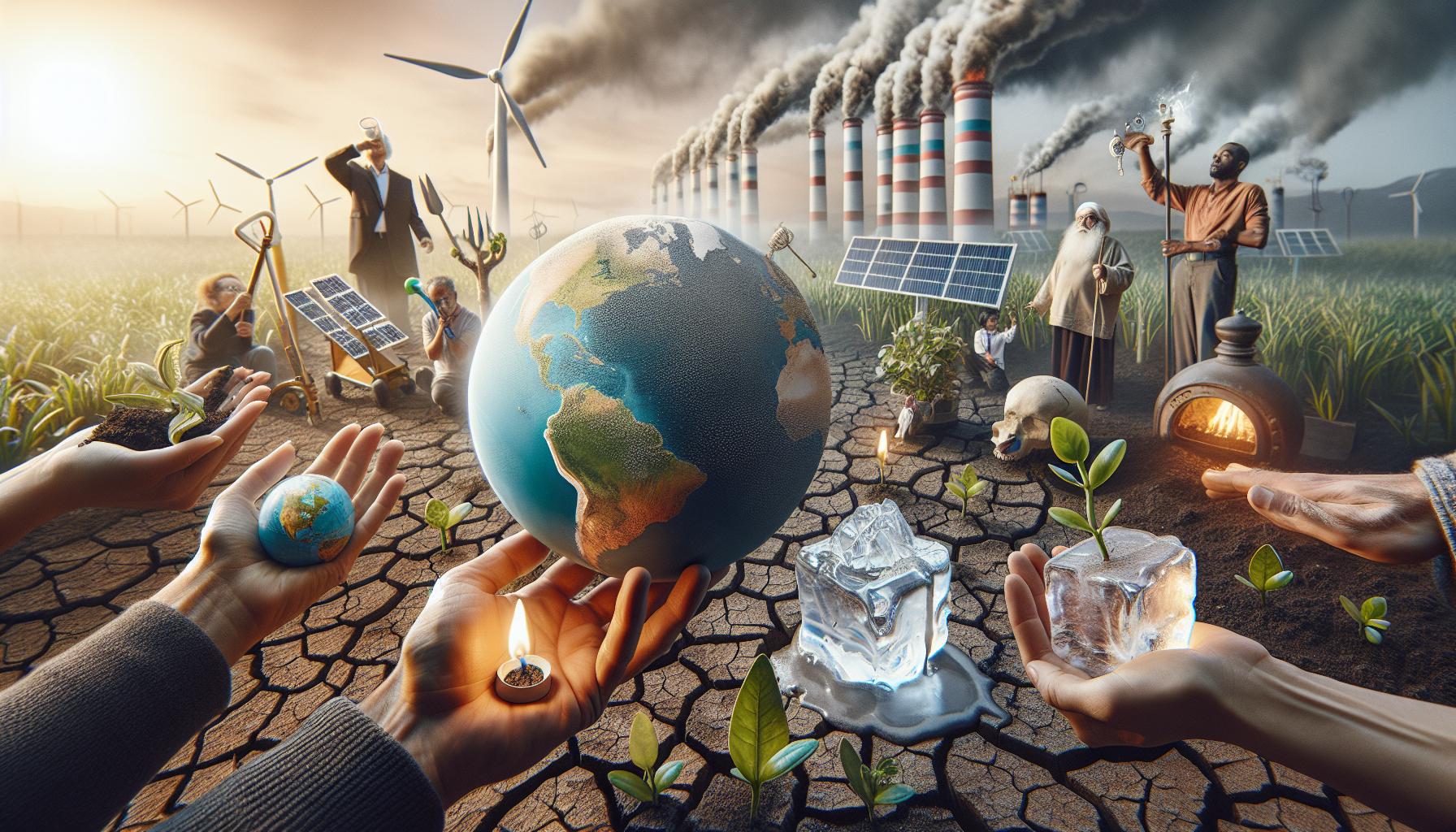
Creating compelling illustrations that highlight the impact of climate change can significantly influence public awareness and inspire action. An effective approach begins with clear steps that guide you from conception to execution, ensuring that your artwork effectively communicates its message. Here’s a straightforward method to help you craft simple yet impactful climate change illustrations.
Begin by choosing a focal theme related to climate change, such as rising sea levels, deforestation, or the importance of biodiversity. Start with thumbnail sketches to explore different compositions and ideas. These quick, rough drawings allow you to experiment without committing to one particular design. For example, you might sketch a coastline with and without rising seas to visually demonstrate the impact. As you refine your ideas, ensure that the central message of your artwork is clear and resonates with your audience.
Once you settle on a design, gather visual references to ensure accuracy and enhance creativity. This could include photographs, scientific data, or artwork from other climate change artists, which can inspire color choices and stylistic approaches. Next, transfer your sketch onto your chosen medium, whether it be paper or a digital canvas. Use light pencil lines to structure your layout, allowing for adjustments before committing to the final details.
As you transition from the initial drawing to adding color and texture, focus on using colors that evoke emotion. Warm hues can depict the vulnerability of ecosystems, while cool tones may illustrate the starkness of climate impacts. Incorporate symbols or icons, such as melting icebergs or polluted landscapes, to reinforce your message. Strive for a balance between beauty and the stark reality of climate change; this duality can help engage viewers on a deeper level.
Finally, consider the impact of your finished piece. Share it on various platforms, making it accessible and engaging for your audience. Provide context in your captions, explaining the significance of the imagery and encouraging viewers to reflect on their role in combating climate change. By following these steps, your illustrations can serve as powerful tools for advocacy, sparking conversations that could lead to change. Always remember that every piece of art has the potential to contribute to a greater understanding of our planet and the urgent need to protect it.
Creating Impactful Infographics on Climate Change
Creating infographics focused on climate change can transform complex data into visually compelling narratives that resonate with a diverse audience. With the global climate crisis at the forefront of public discourse, using clear, impactful imagery and straightforward statistics can effectively communicate urgency and inspire action. Infographics serve as potent tools for merging data with visuals, making them accessible for individuals who may find traditional scientific reporting overwhelming or difficult to understand.
To craft meaningful climate change infographics, start by selecting a specific topic that demands attention, such as carbon emissions, the effects of global warming on wildlife, or the benefits of renewable energy. Collect and analyze relevant data to create a solid foundation for your infographic. Utilize reputable sources such as scientific journals, government publications, or respected environmental organizations. Once you have your data, consider how best to represent it. Employ charts, graphs, and pictograms that clearly convey trends and comparisons, allowing viewers to grasp key points at a glance.
Design Elements for Maximum Impact
Utilize design principles that enhance clarity and visual appeal. Here are some important aspects to keep in mind:
- Color Scheme: Use colors that signify urgency or calmness appropriately; for example, reds and oranges for alarming trends and blues and greens for solutions and nature.
- Typography: Select fonts that are easy to read at a glance; maintain a hierarchy by using larger fonts for headings and smaller fonts for data points.
- Visual Hierarchy: Arrange information in a logical flow, guiding the viewer’s eye from headers through supporting data to conclusions or calls to action.
Real-world examples of successful climate change infographics include those that depict the melting of polar ice caps alongside timelines showing its correlation with climate change. Such representations do not just provide data; they inspire an emotional response by showcasing real-world ramifications of our choices.
In conclusion, when creating infographics on climate change, focus on clarity, emotional resonance, and compelling storytelling through design. By integrating well-researched data with engaging visuals, your infographics can serve as influential educational tools that inspire others to take meaningful action in addressing the climate crisis.
Advanced Techniques for Artistic Climate Representations
Creating impactful artistic representations of climate change requires a blend of technical skill, creativity, and a profound understanding of the subject matter. One advanced technique that artists can employ is the integration of data visualization elements into their artwork. By incorporating graphs, charts, and maps, you can present compelling evidence about climate issues in a visually arresting manner. For example, a painting featuring the drastic shift in sea levels can be enhanced with overlaid numerical data that shows year-over-year increases, making the crisis more tangible for viewers.
Another approach involves the use of mixed media. Combining traditional mediums such as painting or drawing with digital elements can yield striking results. For instance, an artist might hand-draw a landscape affected by climate change, then digitally add elements like extreme weather patterns or pollution overlays. This technique not only captures the aesthetic beauty of a scene but also starkly contrasts it with the harsh realities of climate impact, driving home the message that our environment is in peril.
Moreover, considering the emotional layer of your artwork can greatly amplify its impact. Aim to evoke feelings of urgency or concern through the use of imagery and color choices. Dark, foreboding color palettes can reflect the seriousness of climate change, while brighter hues can effectively illustrate hope and recovery. By carefully selecting your imagery-such as polar bears on shrinking ice caps or thriving renewable energy communities-you can instill both fear and hope in your audience.
Lastly, interactive art installations can engage the public directly, prompting them to contemplate their role in the climate crisis. Creating spaces where viewers can interact with the artwork-perhaps through augmented reality that shows what the future may hold, depending on their actions-can significantly increase awareness and personal connection to climate issues. This method fosters dialogue and encourages participants to reflect on their contributions to climate change. Combining these advanced techniques can not only elevate the artistic value of your work but also serve as a powerful medium for advocacy and change.
Engaging Audiences with Powerful Climate Art
Capturing the imagination of an audience and inspiring action through climate art requires strategic engagement techniques. Art has a profound ability to evoke emotions, spark conversations, and drive understanding of complex issues such as climate change. When creating climate-themed artwork, consider integrating elements that invite viewers to not only observe but also participate in the narrative.
One effective approach is to utilize interactive components in your artwork. For instance, incorporating augmented reality technology can enable viewers to use their smartphones or tablets to see additional layers of information on climate change impacts superimposed on your work. Imagine a painting of a vibrant coral reef that, through a smartphone app, transforms into a bleached and dying underwater world as viewers look closer. This not only captures attention but also makes the urgency of the climate crisis more tangible.
Another strategy is to tell personal stories through your art. Use your canvas or digital platform to illustrate the lived experiences of communities affected by climate change. This could involve creating portraits or scenes based on interviews with individuals from areas facing sea-level rise, drought, or extreme weather events. By humanizing the data, you foster empathy and encourage action. For example, a mural depicting farmers in a drought-stricken region can resonate deeply with viewers who understand the struggle for survival in changing environmental conditions.
To amplify your reach, consider leveraging social media platforms effectively. Sharing behind-the-scenes processes, such as your drawing or painting techniques, can fascinate followers and create a sense of connection. Use creative hashtags and engage with environmental organizations or influencers to widen the dialogue around your work. Additionally, think about hosting or participating in exhibitions that focus on climate issues, allowing for a community engagement where people can discuss the art and its implications.
Lastly, creating compelling narratives around your artwork can guide viewers toward a deeper understanding of climate change. Use descriptive captions that explain the concept behind your piece, its relevance to current issues, and a call-to-action encouraging support for local or global climate initiatives. This approach transforms a simple art piece into a powerful tool for advocacy, inspiring others to join the fight against climate change through both awareness and action.
Using Data to Enhance Your Climate Drawings
Integrating data into your climate art can transform mere illustrations into powerful storytelling tools that resonate with viewers. Did you know that visualizing climate data can enhance comprehension and emotional connection? For instance, charts depicting CO2 levels over decades can serve as a backdrop for artwork that addresses air pollution’s immediate effects on health and nature. By juxtaposing compelling visuals with hard data, you create a narrative that is both informative and engaging.
Utilizing statistics doesn’t just inform; it amplifies your message. Here are some practical strategies for including data effectively in your artwork:
- Data Visualization: Use graphs and charts as design elements. For example, a bar chart showing rising ocean temperatures can visually frame a painting of a bleached coral reef, making the impact evident at a glance.
- Infographics: Combine concise facts with images to create infographics. This can take the form of pieces that compare different climate impact scenarios, such as drought vs. flooding, that directly affect communities.
- Engagement with Real-world Examples: Incorporate data related to local environmental changes. For instance, if you’re in a region facing deforestation, show statistics about tree loss alongside representations of the local wildlife threatened by it.
- Impact Stories: Blend quantitative data with qualitative stories. For example, use statistics on the number of species facing extinction due to climate change as a backdrop for portraits of those species, creating an emotional tie that invites viewer empathy.
Remember, the goal is not just to present data but to make it feel personal and urgent. By creating a dialogue between the data and your artistic expression, you empower audiences to connect emotionally with the climate crisis. Consider presenting your data-driven art in community events or online exhibitions, where viewers can delve deeper into both the art and the statistics that inspire it.
Incorporating Emotion in Climate Change Artwork
Art has a unique ability to invoke emotions and deepen our understanding of complex issues like climate change. When you incorporate emotion into your climate change artwork, you transcend simple representation and create pieces that resonate profoundly with viewers. One effective approach is to focus on the stories behind the data. For instance, illustrating the plight of polar bears as their habitat shrinks due to melting ice can evoke empathy and urgency, making the abstract consequences of climate change feel immediate and personal.
To enhance this emotional connection, consider using vibrant colors and dynamic compositions that reflect the gravity of your subject matter. A stark contrast between vivid imagery of flourishing nature and the bleakness of climate degradation can be striking, allowing viewers to feel the weight of loss alongside the beauty of what is at stake. Incorporate human elements, such as portraits of communities impacted by climate events, to forge an emotional link that compels your audience to engage with the message on a personal level.
Another powerful technique is to use symbolism. For instance, a tree cut in half can represent deforestation not just as a statistic, but as a loss of life, habitat, and future potential. Lastly, sharing your personal experiences with nature, perhaps through a narrative accompanying your artwork, can deepen the emotional impact-inviting viewers to reflect on their own relationships with the environment and inspiring them to take action.
By creating evocative artwork that resonates emotionally, you not only enhance understanding but also motivate action against climate change, turning passive viewers into proactive advocates.
Tips for Making Your Climate Art Shareable
Creating eye-catching climate art is only half the battle; the other half lies in sharing it effectively to spark conversations and inspire action. To ensure your artwork reaches a wider audience, consider using platforms and strategies tailored for sharing visual content. For instance, social media platforms like Instagram and Pinterest thrive on visual storytelling, making them ideal for showcasing climate art. Using relevant hashtags, such as #ClimateArt or #ArtForChange, can significantly increase your visibility and connect your work with others in the climate activism community.
To enhance shareability, engage with your audience by incorporating storytelling elements. Describe the inspiration behind your piece, the message you wish to convey, or the environmental issue it addresses. This narrative can resonate with viewers, encouraging them to share your art with their networks. Moreover, consider creating short videos or time-lapses of your artistic process, as dynamic content often garners more engagement than static images alone. The use of Instagram Reels or TikTok can amplify your reach and attract a different audience base interested in both art and environmental issues.
To further enhance the impact of your art, you can collaborate with other artists or organizations focused on climate action. Shared projects or exhibitions can combine audiences and elevate the message, fostering a sense of community around climate advocacy. Also, participating in online challenges or initiatives, like Earth Day campaigns or local art shows, showcases your work within a broader context, making it relevant to current events and trending discussions around climate change.
Lastly, make your artwork easily shareable by providing high-quality images that others can download, and consider creating informative graphics that explain the specifics of the climate issues your art addresses. When others can share your art along with compelling, digestible information, it not only spreads awareness but encourages viewers to take actionable steps towards addressing climate change. Empower your audience by equipping them with the tools to advocate for the planet!
Exploring Famous Climate Change Artists and Their Techniques
Throughout history, artists have played a pivotal role in raising awareness about pressing global issues, and climate change is no exception. By utilizing various techniques, famous climate change artists have transformed scientific data and urgent messages into accessible and impactful visual narratives. Their work not only evokes emotional responses but also encourages viewers to engage with climate issues on a deeper level.
One notable artist addressing climate change is Olafur Eliasson, whose installations often incorporate natural elements to evoke a sense of urgency about environmental degradation. His artwork, such as the “Ice Watch” project, features large blocks of ice harvested from Greenland, strategically placed in urban settings to visually and physically represent the melting polar ice caps. By doing so, Eliasson creates a tangible connection to climate change, allowing observers to experience the implications of global warming firsthand.
Another influential figure is Angela Palmer, known for her breathtaking glass sculptures that depict the effects of climate change on glaciers. In her series “The Melting Ice,” Palmer layers intricate engravings on glass to form representations of real glacier movements and environmental data. This fusion of art and scientific observation transforms abstract data into compelling visual stories that illuminate the urgency of climate action. Such techniques not only raise awareness but also inspire viewers to contemplate their own relationship with the environment.
Additionally, artists like Amanda Browder embrace collaborative methods, transforming community spaces through large-scale fabric installations. These projects often involve local residents in the creation process, fostering a sense of shared responsibility and connection to climate issues. Browder’s work reinforces the idea that climate action is not an isolated effort but a collective journey, inviting individuals to participate in the broader narrative of environmental stewardship.
The techniques used by these artists share common elements that can inspire your own climate-focused art. Consider employing mixed media, incorporating local materials, or even engaging your audience in the creation process. By studying these renowned climate change artists and their methods, you can discover your unique voice in the climate art movement, ultimately contributing to a larger dialogue about our relationship with the planet.
Leveraging Social Media to Promote Your Climate Drawings
Social media serves as a powerful platform for artists to amplify their voices, especially when it comes to critical issues like climate change. With over 4 billion users worldwide, social media channels can help you reach a diverse audience eager for engaging visual content. Studies show that visual storytelling is more effective in capturing attention and fostering connections, making it an ideal medium for sharing your climate change drawings. By harnessing social media effectively, you can not only showcase your art but also inspire a community of advocates advocating for environmental stewardship.
To start maximizing your presence, utilize platforms like Instagram, Twitter, and Facebook where visual content thrives. Creating dedicated accounts for your climate art can help cultivate a focused audience. Ensure you regularly post high-quality images that illustrate the real impacts of climate change. Use relevant hashtags like #ClimateArt, #ArtForChange, and #SustainableArt to increase your discoverability. Engaging with the broader climate change community by commenting on and sharing posts from other artists and organizations can also organically grow your follower base.
Engagement Strategies
- Use Stories and Reels: Utilize features like Instagram Stories or Reels to give followers a behind-the-scenes look at your creative process. This approach humanizes your work and helps build a personal connection with your audience.
- Host Virtual Events: Consider hosting live art sessions or webinars where you can discuss the themes behind your work and engage directly with your audience. This interactive element fosters deeper connections and encourages ongoing dialogue.
- Collaborate with Influencers: Partnering with social media influencers who have a passion for environmental issues can help amplify your message to their audiences. Look for creators who align with your values and who can share your art with a wider network.
- Engage in Relevant Campaigns: Participate in global campaigns like Earth Day or local climate initiatives. Sharing your work during these events not only aligns it with larger movements but also fosters collective action.
Another vital aspect is the emotional connection your art evokes. Be sure to share the story behind each piece-what inspired it, the data it represents, and the call to action it promotes. This adds depth to your visuals and encourages viewers to share those stories within their networks, expanding your reach. Remember, people are more likely to share your artwork if they feel emotionally connected to it, so consider using personal anecdotes or community experiences related to climate change.
As you navigate your social media journey, keep in mind the importance of consistency. Developing a regular posting schedule can keep your audience engaged and attentive. Be responsive to comments and messages, fostering a sense of community among your followers. By effectively , you not only enhance your visibility as an artist but also contribute to a larger movement advocating for climate action through art.
Collaborative Projects: Bringing Awareness through Art
The power of collaboration in the realm of climate change art cannot be overstated. When artists unite their talents and ideas, they create a more significant impact, drawing attention and stirring emotions that individual efforts might not achieve alone. Collaborative projects can take many forms, from community art installations that utilize discarded materials, illustrating the waste crisis, to large-scale murals that depict the devastating effects of climate change on local ecosystems. These partnerships not only elevate the message but also enhance community engagement and foster a sense of shared responsibility towards the environment.
Involve local communities in your projects to deepen the impact and reach. Consider organizing workshops where individuals can contribute their art, creating a collective piece that resonates with their shared experiences of climate change. Such initiatives can empower participants, giving them a platform to express their concerns while promoting awareness through visual storytelling. For instance, a community mural depicting flooding and rising sea levels invites participants to contribute personal stories or imagery, transforming the artwork into a powerful local narrative about climate resilience and action.
Additionally, leveraging technology in collaborative art projects can further amplify impact. Digital platforms allow for virtual collaborations that transcend geographical boundaries. Artists can team up for online art challenges or themed exhibitions, inviting contributions from a global community. For instance, the “Art for the Earth” initiative encourages artists worldwide to create pieces addressing climate issues and share them through social media, generating widespread visibility and collective advocacy. This approach not only promotes diverse artistic expressions but also fosters a global dialogue about climate change.
Finally, integrating educational components into collaborative projects can enhance their effectiveness. By partnering with environmental organizations, artists can develop workshops that teach participants about climate science alongside the creative process. This holistic approach ensures that the art created is not only beautiful but also informative, making a lasting impression on audiences and inspiring them to take action. Whether through community murals, digital initiatives, or educational workshops, collaboration is key to harnessing the full potential of climate change art as a tool for awareness and change.
Frequently asked questions
Q: How can I visually represent climate change in my drawings?
A: You can visually represent climate change by incorporating symbols like melting ice caps, rising sea levels, and extreme weather events. Utilize contrasting colors to depict the impact of climate change versus a healthy environment, showcasing the urgency of the issue. Check out the “Understanding the Basics of Climate Change Visualization” section for foundational ideas.
Q: What materials are best for drawing climate change illustrations?
A: Effective materials include watercolors for their fluidity, charcoal for dramatic effects, and digital tools for precise detail. Choose materials that allow you to convey the emotional impact of climate change effectively. For a deeper dive, see the “Essential Tools for Drawing Climate Change” section.
Q: Why is art important in communicating climate change?
A: Art serves as a powerful medium for evoking emotion and raising awareness about climate change. It can transcend language barriers, making complex concepts more relatable and accessible to a wider audience. Explore “Engaging Audiences with Powerful Climate Art” for strategies on impactful messaging.
Q: What are some tips for making my climate change artwork more shareable?
A: To enhance shareability, use bold visuals and compelling narratives that resonate with viewers. Share your art on social media platforms with relevant hashtags and engage with climate advocacy communities. Refer to “Tips for Making Your Climate Art Shareable” for additional strategies.
Q: How can I incorporate data into my climate change drawings?
A: You can incorporate data by using infographics or charts to visually represent statistics such as carbon emissions or global temperature changes. This enhances credibility and informs viewers. More insights are available in the “Using Data to Enhance Your Climate Drawings” section.
Q: What emotional elements should I include in climate change artwork?
A: Incorporate elements that evoke feelings of urgency, hope, or sorrow to convey the emotional weight of climate change. Imagery depicting biodiversity loss or community resilience can powerfully communicate your message. Delve into “Incorporating Emotion in Climate Change Artwork” for a detailed approach.
Q: How can I promote my climate change illustrations on social media?
A: Promote your artworks by creating engaging posts that tell the story behind your pieces. Use visual storytelling and connect with proactive hashtags to reach a broader audience. Check out “Leveraging Social Media to Promote Your Climate Drawings” for best practices.
Q: What are some famous artists who focus on climate change?
A: Notable artists addressing climate change include Olafur Eliasson and Agnes Meyer-Brandis. Their works often inspire dialogue and awareness regarding environmental issues. Explore “Exploring Famous Climate Change Artists and Their Techniques” for more examples.
To Conclude
Thank you for joining us on this artistic journey to understand and visualize climate change! By learning how to draw climate change, you’ve taken a crucial step in raising awareness about this pressing issue. Now that you have the tools and techniques in hand, we encourage you to share your creations and insights with others. Remember, your art can inspire change and foster conversations that lead to impactful actions.
To deepen your understanding, check out our related guides on sustainable living practices and innovative approaches to environmental advocacy. Don’t forget to join our newsletter for the latest updates and exclusive content on climate action and art’s role in it. If you have any questions or want to share your artwork, drop a comment below – we’d love to hear your thoughts!
Together, let’s convert creativity into a powerful force for change. Explore more about how art interacts with our environment in our upcoming articles. Drawing for climate change is not just an expression; it’s a movement. Let’s keep the momentum going!