
Did you know that the Earth’s climate has warmed by an average of 1°C over the last century? This change raises questions about its underlying causes and mechanisms, particularly whether climate change is density dependent or independent. Understanding this distinction is crucial as it can shape our approaches to mitigation and adaptation strategies. Density-dependent factors, like population and resource availability, influence how ecosystems respond to climate shifts, while density-independent factors, such as natural disasters, impact them regardless of population size. As we face unprecedented environmental changes, grasping these concepts can empower us to make informed decisions and take impactful actions to protect our planet. Dive into the complexities of climate dynamics to uncover how these factors influence our shared future.
Is Climate Change Density Dependent or Independent?
The interaction between climate change and ecological density presents a complex relationship that cannot be easily classified as purely density dependent or independent. Climate change influences species and ecosystems in a myriad of ways, often exacerbating existing density-dependent factors, such as resource availability and competition. For example, as temperatures rise and weather patterns become more erratic, already vulnerable species face additional stressors, which can lead to increased mortality rates and a subsequent decrease in population densities. This highlights a density-dependent response, where the greater the density of a population, the more pronounced the competition and resource strain becomes under the pressures of climate change.
Conversely, certain aspects of climate change can act independently of population density. For instance, widespread environmental changes-such as habitat loss, altered precipitation patterns, and extreme weather events-can affect ecosystems regardless of how dense a population is. A drought, for instance, may decimate plant life, leading to food shortages for herbivores and thus impacting their populations irrespective of their current density. This independence suggests that while population size may affect how individuals respond to climate challenges, the initial effects of climate change can impact all species uniformly.
To navigate these complexities, conservation strategies must integrate both density-dependent and independent factors into their frameworks. For instance, understanding how varying population densities might influence the resilience of a species to climate stressors can inform targeted intervention strategies. Conservationists might prioritize protecting corridors that enhance connectivity for low-density populations, which can facilitate migration and genetic exchange in response to changing climates. Addressing these multifaceted dynamics requires a holistic approach, ensuring that strategies are adaptable to the varying ways that climate change impacts species and ecosystems across different contexts.
In summary, the relationship between density and climate change reflects a tapestry of interrelated factors, where both dependency and independence play crucial roles. Acknowledging this complexity not only advances ecological understanding but also sharpens our conservation efforts in addressing the profound changes facing our planet.
Understanding Density Dependence in Ecology
The intricate web of life on Earth is influenced profoundly by density dependence, a principle in ecology that describes how population density impacts individual growth rates and reproduction. In essence, as species populations grow, the increased competition for limited resources-such as food, habitat, and mates-comes into play, leading to varying growth rates and survival outcomes. This principle is critical to understanding how species adapt and evolve in response to environmental pressures, including the rising challenges posed by climate change.
One of the most straightforward examples of density dependence is seen in deer populations. When deer are abundant, food becomes scarcer, and consequently, competition intensifies. This increase in density can lead to reduced birth rates, increased mortality, and even a greater susceptibility to disease. These effects highlight the delicate balance in ecosystems and the importance of monitoring population densities, especially as climate change exacerbates resource scarcity.
In applying these concepts to current ecological challenges, it becomes essential for researchers and conservationists to recognize how both density-dependent factors and climate change entwine. For instance, in a warming climate, species already at the edges of their ecological limits may struggle more significantly as populations increase. Their limited ability to adapt swiftly can lead to dramatic population swings, ultimately affecting ecosystem stability. Therefore, insight into density-dependent dynamics helps to shape better conservation strategies that simultaneously consider ecological thresholds and climate impacts.
Maintaining biodiversity is crucial, and strategies such as habitat protection, restoration, and the establishment of wildlife corridors can help mitigate the adverse effects of both density dependence and climate change. By applying targeted management approaches that account for these ecological principles, practitioners can enhance species resilience and promote healthier ecosystems. Understanding the nuances of density dependence allows us not only to predict potential population outcomes but also to take proactive steps in conserving our natural world amid the ongoing climate crisis.
The Role of Climate Change in Ecosystem Dynamics
The interconnectedness of climate change and ecosystem dynamics is increasingly evident as we confront the realities of a warming planet. Human activities, particularly the burning of fossil fuels, have led to a significant increase in greenhouse gas emissions, resulting in alterations across ecological landscapes. These changes have a cascading effect on species interactions, habitat availability, and overall ecosystem health. For instance, warmer temperatures are shifting species distributions, often forcing them to move poleward or to higher altitudes in search of suitable habitats. This shift not only endangers biodiversity but also disrupts the delicate balance of existing ecosystems.
Understanding how climate change impacts these dynamics requires examining both direct and indirect effects. Extreme weather events-such as hurricanes, droughts, and heatwaves-intensify the stresses on ecosystems, leading to changes in species composition and community structure. For example, coral reefs, which are already facing significant threats from ocean acidification and warming waters, experience heightened mortality rates during intense storms, further reducing their biodiversity and resilience. In terrestrial systems, altered precipitation patterns can lead to shifts in plant community structures, affecting everything from soil health to the availability of food for herbivores and, consequently, predators.
Conversely, ecosystem dynamics can also influence how species respond to climate change. Density-dependent factors play a crucial role in shaping population responses to environmental stressors. For instance, when populations of a species grow, competition for resources intensifies, leading to diminished growth rates and higher mortality, particularly during adverse climatic conditions. This interplay emphasizes the importance of understanding density dependence in the context of climate resiliency; populations already facing high density may struggle more in the face of climate-induced challenges.
To mitigate these impacts, conservation strategies must evolve. Effective management practices that account for climate change include maintaining and restoring habitats, establishing wildlife corridors to facilitate species migration, and enhancing genetic diversity through conservation breeding programs. Engaging local communities in conservation efforts is also essential; by fostering a culture of stewardship, we can strengthen ecosystem resilience against the changing climate. By recognizing the intertwined roles of density dependence and climate change, conservationists can develop more holistic strategies that enhance adaptability and sustainability in our ecosystems.
In summary, is profound and multifaceted, necessitating an integrative approach to conservation that considers both current and anticipated changes in population dynamics and environmental conditions.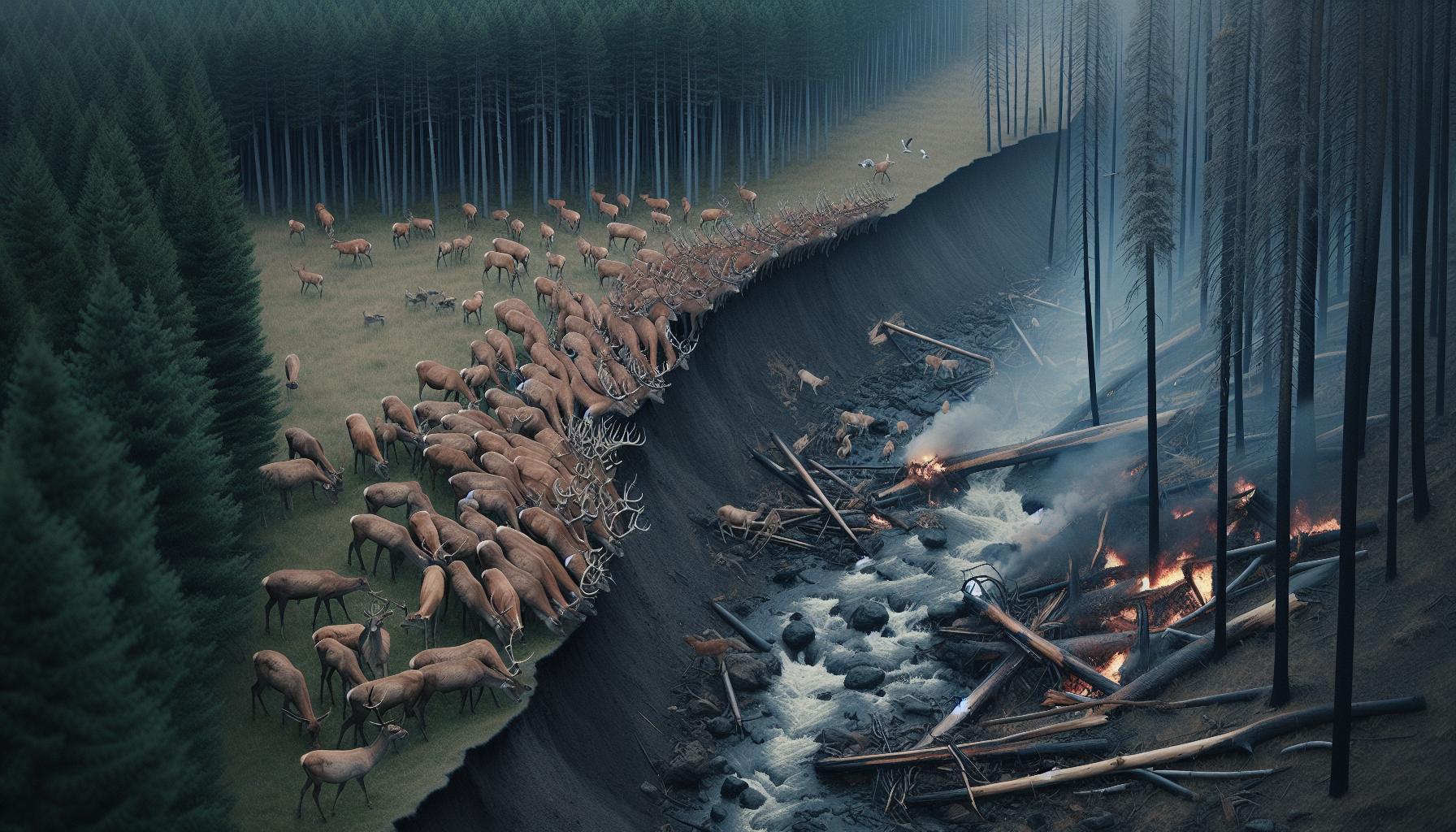
Comparing Density Dependent and Independent Factors
The relationship between ecological factors and climate change reveals a complex interplay that drives species dynamics and overall ecosystem health. Understanding this dynamic requires recognizing how density-dependent and density-independent factors operate.
Density-dependent factors are those whose effects on population dynamics intensify as the population increases. Common examples include competition for resources, predation, and disease, which tend to be more pronounced when species are abundant. For instance, in a crowded fish population, the competition for food can lead to stunted growth and increased mortality rates, particularly during periods of environmental stress such as droughts or temperature spikes. This self-regulating aspect of population dynamics acts as a buffer against overpopulation, helping maintain ecological balance under certain conditions.
In contrast, density-independent factors affect population dynamics regardless of population size. These include environmental elements like climate change, natural disasters, and habitat destruction. For example, an intense hurricane can wipe out coastal fish populations without regard to their density, illustrating how such events can drastically alter ecosystem structures and species viability. Warming waters might also push species beyond their thermal limits, impacting their survival irrespective of their numbers.
Understanding Their Interactions
When analyzing the implications of climate change, it’s crucial to understand that these two types of factors do not operate in isolation but interact in significant ways. For example, while increased temperatures (a density-independent factor) can lead to coral bleaching, the resilience of coral populations (a density-dependent factor) can vary widely based on their current density. High-density coral populations might be less resilient due to heightened competition for space and resources, exacerbating their vulnerability to climate events.
Thus, conservation strategies that address both factors are essential. Protecting biodiversity not only enhances the resilience of species to environmental changes but can also influence how populations respond to density-dependent pressures. By promoting sustainable practices, conserving habitats, and fostering genetic diversity, we can help ecosystems withstand the dual pressures of climate change and their inherent population dynamics. This holistic approach not only benefits individual species but is vital for maintaining the integrity of entire ecosystems in an increasingly unpredictable climate.
In summary, understanding the contrasting roles of density-dependent and density-independent factors is vital for effective ecological management. By doing so, we can develop strategies that not only anticipate the impacts of climate change but also enhance species resilience, ensuring a balanced coexistence in the face of global challenges.
How Density Affects Species Resilience to Climate Change
The resilience of species to climate change is profoundly influenced by their population density, shaping how they respond to environmental stressors. Studies have shown that species living in high-density areas often face increased competition for limited resources, which can weaken their overall health and reduce their capacity to adapt to changing conditions. Conversely, lower-density populations may experience less competition, allowing individuals to grow larger and reproduce more effectively, ultimately enhancing their resilience to the impacts of climate change.
Management strategies aimed at preserving biodiversity can significantly affect density-dependent responses. For example, wildlife reserves that maintain habitats free from excessive human interference help control population densities, promoting healthier ecosystems. This not only allows species to thrive but also provides them with refuge from climate-related stressors like heat waves or invasive species, which become more disruptive in environments where species are already stressed due to high densities.
To illustrate, consider coral reefs, which face increasing threats from rising ocean temperatures and acidification. In high-density coral communities, competition for space and light hinders recovery from bleaching events. Initiatives to reduce nutrient runoff can alleviate this competition, allowing corals to restore themselves more effectively. By implementing marine protected areas that limit fishing and tourism, we can sustain lower densities of stress-stricken corals, enhancing their capacity to resist and recover from climate change impacts.
Ultimately, understanding and managing population density is crucial when developing strategies aimed at enhancing species resilience to climate change. By fostering environments where ecosystems can stabilize and recover, we empower them to better withstand the severe challenges posed by climate variability. As stakeholders in this global issue, advocating for conservation practices that prioritize biodiversity will play a pivotal role in promoting ecological health and resilience moving forward.
Case Studies: Density Dependencies in Action
Research has illustrated the intricate connections between species density and climate change resilience through various compelling case studies. One notable example is the relationship between sea otters and kelp forests along the Pacific Coast of North America. In regions where sea otters are abundant (high-density populations), these predators effectively control sea urchin populations. This control allows kelp forests to thrive, promoting biodiversity and creating a robust ecosystem that can better withstand climate change impacts. Conversely, in areas where sea otters have been overhunted, increased sea urchin populations have devastated kelp forests, demonstrating how density-dependent interactions can dictate ecosystem health and resilience to changing ocean conditions.
Another illustrative case involves the African savanna elephant. Studies have shown that when elephant populations are dense, their feeding practices can significantly impact vegetation dynamics, leading to changes in habitat that affect other species within the ecosystem. In regions where elephant densities are lower, trees and shrubs proliferate, which can enhance biodiversity by providing habitat for various animal and plant species. However, as climate change and habitat loss continue to threaten these majestic creatures, understanding these density dependencies becomes crucial for conservation strategies that aim to mitigate the adverse effects of climate change.
Moreover, consider the plight of coral reefs, which serve as vital ecosystems that support diverse marine life. In dense coral communities, competition for resources can hinder recovery after events like bleaching caused by rising ocean temperatures. Strategies that promote lower densities of stressed corals-such as creating marine protected areas-can enhance their resilience. For example, a study in the Caribbean revealed that areas with restricted fishing and tourism not only reported healthier coral populations but also showed improved recovery rates during environmental stress events. This emphasizes how strategic management can foster conditions that enhance species resiliency to climate change.
These examples illustrate that understanding and managing species density directly impacts how ecosystems cope with climate change. It emphasizes the necessity for implementing targeted conservation strategies that account for density dependencies, fostering healthier ecosystems capable of withstanding present and future climate challenges. By engaging in informed practices that prioritize biodiversity and ecosystem management, stakeholders can cultivate environments where resilience flourishes, ultimately contributing to the sustainability of our planet amidst a changing climate.
The Global Impact of Climate Change on Species Density
Climate change is reshaping the very fabric of ecosystems across the globe, leading to significant shifts in species density that can have profound implications for biodiversity and ecological health. As temperatures rise and weather patterns become increasingly erratic, species are forced to adapt by altering their populations and distributions, often resulting in both increases and decreases in density across various ecosystems. For instance, studies have identified that many species are migrating towards the poles or moving to higher altitudes in search of suitable habitats, which can lead to increased competition and density in those areas while simultaneously causing other regions to experience significant declines in local biodiversity.
Changes in Distribution and Density
The shifting climatic conditions can lead to a complex interplay of density-dependent and density-independent factors. In regions where resources become scarce due to changes in temperature and precipitation, competition for those limited resources can intensify, often resulting in higher mortality rates and lower reproductive success. For example, in the eastern United States, certain tree species have exhibited marked increases in density as they fill ecological niches left vacant by climate-sensitive species that have declined. This phenomenon can disrupt existing ecosystems and reduce overall resilience to future climate challenges.
Conversely, in some instances, reduced density due to climate stress might prove advantageous for remaining species. Lowering the density of certain populations can alleviate competition and enhance resource availability, fostering greater biodiversity. This dynamic is vividly illustrated in marine ecosystems where reduced coral densities due to bleaching events can lead to more robust recovery in surviving corals, provided that external stressors are managed effectively. Establishing marine protected areas can help mitigate these effects, allowing corals to recover and maintain their essential roles within the marine environment.
Implications for Conservation and Management
The implications of these changes in species density are critical for conservation strategies. Understanding the relationship between density and climate change can provide vital insights for managing ecosystems more effectively. Conservation efforts need to be adaptive and informed by ongoing research that evaluates how changes in density affect ecosystem functionality and resilience. For instance, targeting species that are essential to maintaining ecosystem health, such as pollinators or keystone predators, in areas experiencing increased density can help preserve biodiversity.
To facilitate proactive management, stakeholders can adopt a range of strategies, including:
- Monitoring species populations: Regular assessments can help track changes in species density and inform management decisions.
- Enhancing habitat connectivity: Creating corridors can assist species in migrating to suitable habitats while reducing density pressures in overpopulated areas.
- Implementing adaptive management practices: These approaches can allow responses to unanticipated changes, fostering resilience in ecosystems.
In conclusion, is both intricate and far-reaching, influencing how ecosystems function and respond to environmental stressors. By prioritizing an understanding of these dynamics, we can forge a path toward more sustainable ecological management that supports biodiversity amid a rapidly changing climate.
Implications for Conservation Strategies and Management
Changes in species density due to climate change not only challenge ecosystems but also offer pivotal insights for the development of effective conservation strategies. For instance, the increasing migration of species towards cooler habitats underscores the urgency of creating adaptive management frameworks that can respond to these trends. An authentic understanding of how density interacts with climate change is essential for not only protecting biodiversity but also enhancing ecosystem resilience.
Adopting a proactive and evidence-based approach can significantly influence conservation outcomes. Stakeholders-including policymakers, conservationists, and community members-can implement various strategies to address density-related challenges:
- Continuous Monitoring: Establish systematic monitoring programs to track species populations and density fluctuations. Use technologies like satellite imagery and remote sensing to gather real-time data that inform timely conservation actions.
- Habitat Restoration and Connectivity: Focus on enhancing habitat connectivity by restoring degraded ecosystems and establishing wildlife corridors. This allows species to migrate effectively, mitigating population pressures in overcrowded areas and ensuring genetic diversity.
- Targeted Species Management: Prioritize conservation efforts on key species that play critical roles in ecosystem functioning. Focus on keystone species and those vulnerable to climate impacts to preserve ecological balance.
- Community Engagement and Education: Foster community awareness about the importance of biodiversity and density dynamics. Engage local populations in conservation efforts, promoting stewardship that aligns with traditional ecological knowledge.
Furthermore, real-world examples demonstrate the efficacy of these strategies. In the Pacific Northwest, the establishment of protected marine areas has aided in reducing density-related stress on overfished species, allowing for populations to rebound and ecological balance to be restored. Similarly, in urban settings, creating green corridors has proven effective in facilitating wildlife movement, thereby alleviating pressure on local ecosystems.
Ultimately, developing adaptive conservation strategies requires continuous research and collaboration across disciplines. By integrating density dynamics into climate policy and management practices, we can create more resilient ecosystems capable of withstanding climate change’s unpredictable challenges. This holistic approach not only supports biodiversity but also fosters a sustainable future for both wildlife and human communities.
Future Projections: Density Trends and Climate Scenarios
Changes in species density due to climate change present a crucial narrative that deeply influences future ecological outcomes. Projections indicate that as global temperatures rise, shifts in species distribution and population density will not only affect local ecosystems but also challenge conservation efforts worldwide. For instance, studies show that warmer climates are prompting many species to migrate toward cooler areas, which can lead to increased competition for resources as these populations concentrate in shrinking habitats. This migration often heightens the risk of extinction for less mobile or vulnerable species, amplifying the urgency for proactive management and conservation strategies.
To navigate the complexities of this evolving scenario, it’s essential for policymakers and conservationists to focus on data-driven approaches. Implementing comprehensive monitoring systems can yield invaluable insights into population dynamics, allowing for timely responses to density changes. By utilizing modern technology, such as remote sensing and ecological modeling, stakeholders can anticipate shifts in species distributions and their densities, thereby informing conservation actions. For example, collaborating with local research institutions can provide a stronger foundation for understanding specific species’ responses to climate change, facilitating more targeted and effective interventions.
Furthermore, enhancing habitat connectivity must be a priority in future conservation frameworks. As climate change alters ecosystems, creating wildlife corridors can help mitigate the pressures of density-related competition by allowing species to migrate more freely between habitats. This approach not only promotes genetic diversity but also ensures that ecological functions are preserved amid shifting environmental conditions. Financial investments in these efforts can yield significant social and environmental returns, resulting in resilient ecosystems capable of thriving despite the uncertainties posed by climate change.
Finally, fostering public understanding and engagement remains pivotal. Educational campaigns that highlight the links between species density and climate change can empower communities to participate in local conservation efforts. By bridging ecological knowledge with actionable steps, we create a collective front against the impending challenges posed by climate dynamics. As we look to the future, recognizing and addressing the intertwining relationship between climate change and species density will be vital for maintaining the health of our planet’s ecosystems and ensuring sustainable human-environment interactions.
Integrating Density Concepts into Climate Policy
Climate change is reshaping ecosystems at an unprecedented rate, influencing how species interact with each other and their environments. As temperatures rise and weather patterns shift, the concept of species density becomes integral to climate policy. Recognizing that population density affects competition for resources, reproductive success, and ultimately, biodiversity, policymakers must embed density dynamics into their climate action frameworks. This approach not only addresses the immediate impacts of climate change but also fosters resilience in ecosystems.
One effective strategy is to use data-driven modeling that integrates both climate forecasts and population density projections. By employing technologies such as geographic information systems (GIS) and advanced ecological modeling, agencies can anticipate which species may thrive or struggle under different climate scenarios. For instance, models predicting shifts in density can guide habitat preservation efforts by identifying critical areas for conservation, thus protecting against habitat fragmentation. Furthermore, policies aimed at improving habitat connectivity, such as creating wildlife corridors, can alleviate density-related pressures, allowing species to migrate and adapt more successfully to changing climates.
Collaboration among stakeholders is essential for developing informed and effective policies. Local communities, conservation groups, and scientists can work together to gather and analyze data on population densities and their responses to environmental changes. Case studies, such as community-led monitoring in coastal zones, can provide valuable insights into species interactions and density fluctuations, informing broader conservation strategies.
To enhance public understanding and bridge the gap between science and policy, educational initiatives must emphasize the importance of density as a critical variable in climate change discussions. Engaging the public through workshops, citizen science projects, and social media campaigns can foster a collective responsibility toward ecosystem health. As more people recognize the connection between species density and climate resilience, grassroots movements can drive political change and support for sustainable practices, ensuring a holistic approach to tackling climate change challenges.
Public Understanding: Bridging Ecology and Climate Action
Understanding the intricate relationship between climate change and species density is crucial for effective environmental stewardship. With nearly 90% of ecologists recognizing that population density influences reproductive success and resource competition, integrating these insights into public discourse can galvanize action towards mitigating climate challenges. When individuals grasp how density dynamics impact biodiversity and ecosystem resilience, they become empowered to contribute to climate action in meaningful ways.
One way to enhance public understanding is through community engagement initiatives that demystify ecological concepts. Public workshops, local biodiversity days, and interactive exhibits can illuminate how species density affects local ecosystems. For example, a community-led program in coastal regions can illustrate how varying population densities of fish species influence algal blooms and water quality. By participating in hands-on learning experiences, residents can witness firsthand the importance of maintaining balanced species densities as a buffer against climate change impacts.
Moreover, leveraging social media can serve as a powerful tool to spread awareness. Campaigns that utilize compelling visuals and relatable narratives can highlight success stories of local conservation efforts, emphasizing the role of population density in these achievements. Infographics that connect climate scenarios with concrete examples of community actions-such as creating green spaces or supporting local wildlife-can resonate deeply, encouraging individuals to respond with sustainable practices in their own lives.
Incorporating density considerations into educational curricula at schools fosters a long-term understanding of environmental interconnections. By teaching students about the relationships between climate change, species density, and biodiversity, we can cultivate a generation that approaches environmental challenges holistically. Educational programs can include projects that track local wildlife populations, empowering students to collect data and engage in citizen science, thereby reinforcing their role in essential climate discourse.
By bridging the gap between ecology and climate action through education, community engagement, and relatable storytelling, we can inspire collective responsibility in tackling the pressing challenges posed by climate change. As citizens become more informed and actively involved, they will be pivotal in driving policies that incorporate density dynamics, ultimately leading to a healthier planet for future generations.
Research Gaps: Density and Climate Change Interactions
Research indicates that the interaction between climate change and species density is complex and often inadequately understood. This gap presents a critical challenge for ecologists and conservationists, as deciphering these relationships is essential for effective management of both biodiversity and ecosystem services. For instance, while many studies identify resilience strategies for various species, fewer actively integrate density-dependent and independent factors within their frameworks. Addressing these gaps can significantly enhance our ability to formulate proactive policies and on-the-ground conservation efforts.
One major area requiring further investigation is how changes in environmental conditions-such as temperature fluctuations and altered precipitation patterns-affect population densities across different ecosystems. Species often respond to these shifts based on their reproductive rates and resource use. However, the variability in these responses remains largely unexplored. For example, some species might thrive under density-dependent conditions leading to population explosions, while others might decline significantly due to increased competition-a dynamic that needs detailed analytical models for accurate predictions. Understanding these dynamics can help manage ecosystems more sustainably, especially in the face of climate change.
Moreover, the implications of density changes on interspecific interactions, such as predation and competition, are often overlooked. The reduction of a keystone species due to climate impacts can cascade through the food web, affecting other organisms’ densities and overall ecosystem health. By probing these interactions more deeply, researchers can forecast shifts in community structure that accompany climate variations. It is crucial for immediate collaborative research that bridges ecology, climate science, and socio-economic factors influencing conservation strategies.
Collaboration between researchers, local communities, and policymakers is vital for bridging these research gaps. Integrating citizen science initiatives can provide valuable data on species populations and distribution changes in real-time, allowing for adaptive management strategies. For example, community-led wildlife monitoring in vulnerable areas can reveal immediate impacts of climate change on species density, providing a feedback loop for researchers and policymakers to adjust conservation measures swiftly. Furthermore, establishing interdisciplinary research teams can foster a well-rounded understanding of density dynamics, addressing the complexities inherent in climate change impacts on ecosystems.
Frequently asked questions
Q: What does it mean for climate change to be density dependent?
A: Climate change being density dependent refers to how the impact of climate shifts on species is influenced by population density. Higher densities can exacerbate competition for resources, leading to more significant stress and negative effects on survival and reproduction as environmental conditions change.
Q: How does density independence affect species in climate change scenarios?
A: Density independence indicates that the effects of climate change are uniform regardless of population size. Species can be equally affected by temperature rise or weather extremes regardless of their density, potentially leading to widespread declines across multiple populations.
Q: What are examples of density dependent factors influenced by climate change?
A: Density dependent factors include resource availability, predation, and disease propagation, which can intensify as climate change alters habitats. For instance, warmer temperatures can lead to resource scarcity, increasing competition among individuals in a given area.
Q: Why is understanding density dependence important for climate policy?
A: Understanding density dependence helps policymakers craft targeted conservation strategies. By recognizing how population density influences species resilience, they can implement measures that address specific needs, improving the effectiveness of climate action plans.
Q: How do density effects vary between different species under climate change?
A: Density effects vary widely depending on species’ biology and ecological roles. Some may thrive or adapt under conditions of increased density, while others may become more vulnerable, thus requiring species-specific management strategies to support their survival.
Q: Can climate change lead to shifts in species density distributions?
A: Yes, climate change can cause shifts in species density distributions as some populations may decline while others expand. Changes in temperature and precipitation patterns can drive species toward more suitable habitats, altering local ecosystems and dynamics.
Q: What role do case studies play in understanding density dependence related to climate change?
A: Case studies provide real-world insights into how different species respond to changing densities amidst climate shifts. These examples help illustrate the complex interactions between population dynamics and environmental factors, informing better conservation approaches.
Q: How can conservation strategies integrate density considerations in response to climate change?
A: Conservation strategies can integrate density considerations by mapping species distributions and understanding their ecological interactions. This allows for targeted actions that accommodate population dynamics, ensuring that conservation efforts are effective in a changing climate.
For more detailed insights, refer to the sections on “Comparing Density Dependent and Independent Factors” and “Implications for Conservation Strategies and Management” in the article.
Insights and Conclusions
Understanding whether climate change is density dependent or independent is crucial in addressing its complex and far-reaching effects. This knowledge empowers you to engage more meaningfully with climate initiatives and solutions. To stay informed and actively participate in climate action, explore our in-depth resources on public engagement in climate change here and discover how equity plays a role in climate responses here.
As you reflect on these insights, we encourage you to take immediate action. Sign up for our newsletter to receive the latest updates and strategies that can help mitigate climate impacts in your community. Join the conversation, share your thoughts in the comments, and explore our related articles to further deepen your understanding. Together, we can build a more sustainable future-because every bit of knowledge and action counts in the fight against climate change.
Get our latest guides, news, and insights highlighted in your Google Search & AI Overviews.