As the world increasingly pivots towards sustainable technologies, the industrial demand for copper is soaring. Did you know that copper is not only a key component in electrical wiring but also plays a crucial role in renewable energy systems, electric vehicles, and advanced manufacturing? Understanding whether copper is a smart investment can significantly impact your financial portfolio, especially as industries seek reliable materials to meet both current and future needs. This exploration will delve into why copper is gaining traction as a valuable asset, assessing its potential risks and rewards in the context of global economic shifts. By the end, you’ll be equipped to make informed decisions about investing in this essential metal, aligning your financial interests with emerging industrial trends.
Is Copper a Key Metal for Future Industrial Growth?
Copper is often hailed as a cornerstone of industrial growth, with its unique properties making it indispensable for a multitude of applications. As industries evolve and the global economy shifts toward sustainable practices, the demand for copper is projected to soar. In fact, it is estimated that the world will need significantly more copper to support technologies such as electric vehicles, renewable energy systems, and the ongoing digital transformation. For instance, it takes about 3 metric tons of copper to produce just 1 megawatt of wind energy, highlighting the metal’s critical role in the burgeoning renewable energy sector.
The industrial landscape is experiencing a renaissance as emerging technologies drive demand for enhanced connectivity and electrification. Copper is a highly efficient conductor of electricity, making it essential for electrical wiring, machinery, and electronic devices. As we move towards a carbon-neutral future, investments in infrastructure that rely heavily on copper are not only crucial but also represent a promising opportunity for investors. This alignment of copper demand with future growth sectors mirrors the historical patterns seen during industrial revolutions, where the rise of new technologies created unprecedented demand for raw materials.
Moreover, the global supply chain for copper is intricately linked to geopolitical dynamics, mining regulations, and environmental concerns. Investors looking to capitalize on copper’s upward trajectory must therefore stay informed about these factors, ensuring a nuanced understanding of market conditions. This could be facilitated through a range of investment vehicles, from copper mining stocks to exchange-traded funds (ETFs) that track copper prices. By recognizing and responding to these broader industrial trends, investors can position themselves advantageously in a market poised for substantial growth.
In summary, copper’s role as a key metal for future industrial growth is unequivocal. It supports the infrastructures of innovative technologies while simultaneously rising to meet the demands of an environmentally-conscious global marketplace. For those looking to invest, understanding and tapping into this dynamic sector could yield significant rewards, making it an opportune time to consider copper-related investments.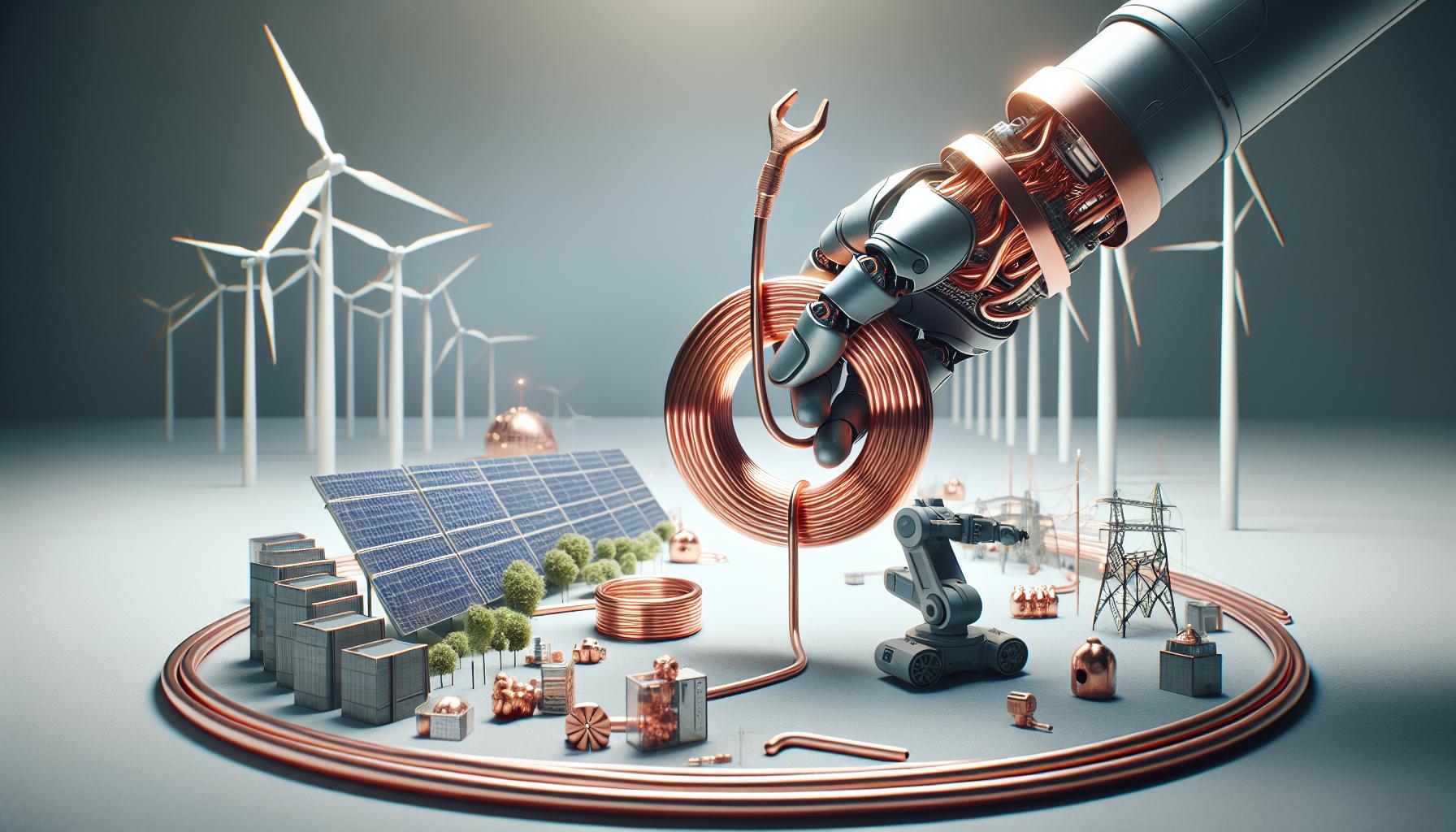
Understanding Copper’s Role in Global Supply Chains
Copper’s significance in global supply chains cannot be overstated; it acts not only as a critical raw material but also as a linchpin for a vast array of industries. From electronics to construction, copper is integral to numerous products and infrastructures that power modern economies. For instance, approximately 80% of the world’s copper is used in electrical applications, making it one of the essential metals for electrical wiring in homes, businesses, and transportation systems. This broad utilization highlights how interconnected copper is with various markets and industries, positioning it as a barometer for economic activity.
As industrial demands evolve with the rise of technologies like electric vehicles (EVs) and renewable energy systems, the role of copper within the supply chain becomes even more pronounced. The transition to EVs, for example, requires significantly more copper compared to traditional vehicles-up to four times the amount. Similarly, the construction of renewable energy projects, such as wind and solar farms, necessitates substantial copper supplies for the electrical infrastructures that connect these projects to the grid. The increasing focus on green technologies not only expands the scope of copper’s applications but also intensifies competition for resource acquisition and management.
To navigate the complexities of copper’s role in global supply chains, investors and industry stakeholders must consider several key factors. The geographical distribution of copper mining, for instance, plays a critical role in securing supply. Major producers like Chile and Peru make up a significant portion of global copper output, meaning political stability and mining regulations in these countries can greatly influence market dynamics. Furthermore, the sustainability aspect of mining practices is increasingly coming under scrutiny, as consumers demand environmentally responsible sourcing and production methods. Companies that align their practices with these expectations can benefit from enhanced reputational capital, while those that neglect sustainability may face operational risks and consumer backlash.
In conclusion, understanding the myriad factors that influence copper’s availability and price within global supply chains equips investors with the insights needed to make informed decisions. By staying attuned to developments in technology, geopolitical landscapes, and environmental regulations, stakeholders can better anticipate shifts in demand and adjust their strategies accordingly. This proactive approach will not only underline copper’s potential as a good investment in the face of burgeoning industrial demand but also contribute to a more sustainable future.
The Impact of Renewable Energy on Copper Demand
The push towards renewable energy marks a profound shift in global energy consumption patterns, significantly impacting the demand for copper. This transition is not just a trend; it represents a fundamental restructuring of how we generate and use energy, and copper stands at the heart of this transformation. As the backbone of electrical infrastructure, copper’s unique properties make it indispensable for renewable energy systems such as solar panels, wind turbines, and electrical vehicles.
Renewable energy technologies require substantial amounts of copper to function effectively. For instance, a typical wind turbine contains approximately 4.7 metric tons of copper, while electric vehicles can use up to four times more copper than conventional vehicles. The International Energy Agency (IEA) forecasts that copper demand could surge by 24% by 2035, driven by the need for cleaner energy sources and the electrification of transport systems [1].
Moreover, as infrastructure investment in renewables accelerates, it supports a burgeoning green economy that prioritizes sustainable practices. By 2025, the global market for solar and wind energy is expected to lead to a significant uptick in copper demand, which will ripple throughout supply chains. For companies involved in renewable technologies, this means recognizing the importance of securing reliable copper supplies amid growing competition.
However, while the outlook for copper in relation to renewable energy is promising, stakeholders must also consider the broader implications of increased demand. The push for sustainable mining practices becomes crucial as public awareness and regulatory pressures grow surrounding environmental impacts. Investors in copper should therefore prioritize companies that not only deliver on efficiency but also align with sustainable practices to mitigate risks and enhance their reputational value in a rapidly evolving market. In this way, understanding copper’s critical role in renewable energy investment can empower stakeholders to make informed decisions that foster economic and environmental resilience.
Analyzing Market Trends: Price Fluctuations in Copper
The price of copper is a critical indicator of industrial health, as it is often referred to as “Dr. Copper” due to its sensitivity to economic changes. Recent market trends show a dynamic interplay between demand fluctuations driven by industrial activities and global economic changes, leading to significant price volatility. For instance, in the past few years, copper prices have witnessed dramatic increases as demand surged owing to the expanding renewable energy sector and the electrification of automobiles. However, prices have also faced drops due to economic uncertainties and shifts in production capacity, illustrating the metal’s reactive nature to both geopolitical and economic factors.
Factors Influencing Copper Prices
Several factors influence price fluctuations in the copper market:
- Global Economic Growth: As economies expand, particularly in developing nations, the demand for copper increases. Construction and manufacturing are major sectors that require substantial amounts of copper, contributing to price hikes.
- Supply Chain Disruptions: Natural disasters, mining strikes, or geopolitical tensions can disrupt copper supplies and lead to rapid price spikes. For example, Chile, which is the world’s largest copper producer, has experienced labor strikes that impacted supply and consequently triggered price increases.
- Technological Advancements: Innovations in extraction and recycling methods can affect the supply side, impacting prices. As technological improvements reduce production costs, supply can increase, potentially lowering prices.
- Speculation in Commodity Markets: Traders and investors play a significant role in price volatility, buying and selling copper futures based on anticipated demand and supply predictions, which can exacerbate price fluctuations.
Current Market Trends
In recent months, copper has been influenced significantly by the rising investment in renewable energy and electric vehicles, with forecasts suggesting a potential 24% increase in demand by 2035. This trend is also accompanied by efforts to move towards less environmentally damaging mining practices which could initially raise costs but ultimately stabilize supply chains and support price stability in the long run.
For investors considering copper as a viable asset, it’s essential to keep a close watch on market reports and demand forecasts. Engaging with reliable financial platforms and energy sector analyses can provide insights into when to buy or sell copper-related assets based on market trends. Ultimately, understanding these fluctuations can empower investors to make informed decisions, aligning their strategies with both market realities and broader economic shifts, particularly as the world transitions towards sustainable energy solutions.
Investing in Copper: Risks vs. Rewards
Investing in copper can be a compelling opportunity, especially in a world that increasingly relies on metals to fuel industrial growth and a transition to renewable energy. For example, the global push for electric vehicles (EVs) is estimated to require nearly three times more copper than conventional automobiles due to extensive wiring and battery components. This demand surge could significantly elevate copper prices, offering the potential for lucrative returns for investors who recognize the metal’s burgeoning role.
However, with potential rewards come notable risks. Price volatility remains a critical factor, as copper is sensitive to economic cycles, changes in supply chain dynamics, and shifts in global demand. For instance, geopolitical tensions in major producing countries, such as Chile or Peru, can lead to sudden price spikes or drops, creating uncertainty for investors. Furthermore, developments in technology-both in mining and in alternative materials-can influence supply, as innovations may either increase copper extraction efficiency or lead to the rise of substitutes that challenge copper’s market share.
To navigate these risks and rewards effectively, investors should adopt a multi-faceted approach. Engaging in diversified investment strategies-such as investing in copper ETFs, stocks of mining companies, or even direct commodity investments-can help manage exposure while capitalizing on growth opportunities. Keeping a close watch on global economic indicators, such as manufacturing output or green energy investments, can provide valuable insights into when to enter or exit the copper market. Additionally, understanding the broader trends in renewable energy adoption and infrastructure development is crucial, as these factors will determine long-term copper demand.
As the demand for copper continues to climb alongside the global energy transition, those who strategically position themselves in this market could benefit substantially. Insightful research combined with prudent risk management strategies will be key in ensuring that investments in copper yield fruitful results while steering clear of unexpected downturns.
Copper Recycling: A Sustainable Investment Perspective
As the global spotlight shifts towards sustainable practices, copper recycling emerges as a vital component not only for environmental preservation but also for strategic investment opportunities. The recycling of copper is particularly noteworthy given that it uses up to 85% less energy than primary copper production, significantly reducing carbon emissions and resource depletion. The International Copper Study Group reports that approximately 30% of copper used worldwide is sourced from recycled materials, underscoring its growing importance in the supply chain.
Investors looking towards copper recycling can capitalize on the rising demand for sustainable practices across industries. Companies engaged in copper recycling not only contribute to a circular economy but also position themselves favorably in a market that increasingly prioritizes sustainability. For instance, copper is essential in green technologies, including wind turbines and solar panels, which often necessitate significant amounts of the metal. By supporting recycling initiatives or investing directly in relevant businesses, investors can align their portfolios with global sustainability goals while benefitting from the continuous demand for copper.
Moreover, developments in recycling technology are enhancing the efficiency and effectiveness of copper recovery processes, creating even more opportunities for investment. Advanced sorting technologies, for example, allow for higher purity and yield rates, thereby increasing profitability for recycling facilities. As awareness grows around the imperative of reducing waste, cities and industries are likely to invest more in recycling infrastructure, leading to an increased supply of recycled copper. Investors should monitor these trends closely, as legislation and innovation in the recycling sector can influence market dynamics significantly.
Finally, engaging with copper recycling not only provides a pathway to financial gains but also plays a crucial role in mitigating environmental impacts-making it a responsible choice for socially conscious investors. By fostering a robust recycling sector and seeking out sustainable investment opportunities, stakeholders can contribute to a more sustainable future while reaping the benefits of a potentially lucrative market. Investing in recycling initiatives or companies can be a rewarding strategy, aligning economic interests with pressing global challenges.
Major Uses of Copper in Various Industries
The versatility of copper is underscored by its indispensable role across numerous industries, making it a critical element in the landscape of industrial demand. Copper’s excellent electrical and thermal conductivity, resistance to corrosion, and malleability position it as a preferred material for a variety of applications. As industries seek reliable and efficient materials, copper continues to be at the forefront, contributing not only to economic growth but also to technological advancement.
Electronics and Electrical Engineering
In the realm of electronics, copper’s high electrical conductivity makes it the go-to material for wiring and circuit boards. Approximately 70% of the copper mined globally is utilized in electrical applications. This includes everything from power generation and transmission to residential wiring systems. The ongoing expansion of renewable energy sources, such as wind and solar power, further amplifies copper’s significance, as these technologies require substantial quantities of copper for their wiring and infrastructure. As states and countries target more ambitious renewable energy goals, the demand for copper in these sectors is set to surge.
Construction and Infrastructure
Copper finds extensive use in the construction industry, especially in plumbing, roofing, and architectural applications. Its durability and resistance to bacteria make it ideal for potable water systems and architectural finishes. The construction of new buildings and infrastructure projects, particularly in urban environments, propels the need for copper for pipes, HVAC systems, and wiring. For instance, the U.S. construction industry alone accounted for nearly 18% of copper usage in 2020. As urbanization accelerates globally, the construction sector will continue to drive demand for copper, reinforcing its investment value.
Transportation
The transportation sector leverages copper extensively, particularly in electric vehicles (EVs), where each EV can require upwards of 183 pounds of copper for its electrical systems. As the automotive industry pivots towards electrification, the necessity for copper in batteries and electric drivetrains will only escalate. Additionally, traditional vehicles still rely heavily on copper for wiring and components, showcasing the metal’s essential role in both current and future transportation technologies.
Telecommunications
In telecommunications, copper cables have long been the backbone of network infrastructure. Despite the rise of fiber optics, copper remains relevant, especially for last-mile connectivity. It is vital in enabling internet access and communication services in both urban and rural settings. The recent push for better internet connectivity and the rollout of 5G networks will further secure copper’s place in the telecommunications sector.
This diverse range of applications not only highlights copper’s current significance but also its potential for future growth. As industries grapple with the challenges of sustainability, the emphasis on renewable energy and efficient solutions will underscore copper’s critical role. For investors, understanding these applications provides actionable insights into potential market opportunities and areas for growth in copper-related assets. By aligning investment strategies with the industries experiencing rising demand, stakeholders can position themselves advantageously in a changing economic landscape, harnessing copper’s enduring value as a cornerstone of modern industrial growth.
How Geopolitical Factors Influence Copper Investment
The copper market is not just influenced by supply and demand dynamics; geopolitical factors play a crucial role in shaping the landscape of copper investment. As countries grapple with resource scarcity and environmental challenges, shifts in political relationships and global trade policies can significantly impact the availability and pricing of copper. For instance, copper is predominantly sourced from a few key countries, with Chile and Peru being the largest producers. Political instability in these regions can lead to unexpected supply disruptions, which can precipitate sharp price spikes in the global market. Investors must remain alert to the potential for such geopolitical risks that can sway the copper market.
Trade policies also significantly influence copper investment. The imposition of tariffs or trade agreements can either promote or hinder copper trade between nations. For instance, the U.S.-China trade tensions saw fluctuations in industrial metals, including copper, as tariffs impacted the profitability of imports and exports. Strong economic relations can enhance copper demand, particularly in countries that are ramping up infrastructure projects, such as India or China, where the majority of copper importation goes towards developing urban centers and renewable energy sources. Conversely, strained relations can result in excess supply from exporting countries, thereby depressing prices.
Moreover, the increasing focus on sustainable practices in the face of climate change has led governments to implement regulations that can affect copper mining operations. For example, stricter environmental laws may limit production capabilities or increase costs, thus impacting market availability. This regulatory landscape makes it essential for potential investors to evaluate not only the market trends but also the political and regulatory environments surrounding copper production.
In summary, understanding the geopolitical landscape is paramount for investors in copper markets. By keeping track of political events, trade agreements, and regulatory changes in major copper-producing countries, investors can gain critical insights into future market movements. It becomes evident that informed investment strategies must incorporate geopolitical analysis alongside conventional financial metrics to navigate the complexities of copper as a commodity. Engaging with regional experts and staying updated with global news can provide investors with a more comprehensive understanding of factors that influence copper’s market trajectory.
Exploring Alternative Materials: Threats to Copper Demand
The evolution of technology and shifts in industry standards constantly challenge the dominance of copper as a go-to material for electrical and industrial applications. For instance, as industries seek to reduce costs and improve efficiencies, alternative materials like aluminum, graphene, and composite materials are increasingly being explored. These substitutes frequently offer comparable conductivity, strength, or weight advantages, thus posing a potential threat to copper’s market share.
Aluminum: The Primary Competitor
Aluminum has emerged as a strong competitor to copper, especially in power transmission and automotive applications. With a significantly lower weight and competitive electrical conductivity-approximately 61% that of copper-it is particularly appealing in sectors aiming to enhance fuel efficiency by reducing vehicle weight. Companies like Tesla are utilizing aluminum extensively in their manufacturing processes, prompting a reevaluation of material usage in the automotive sector. As industries shift toward lightweight designs, the demand for aluminum could rise, impacting copper demand negatively.
Graphene and Advanced Composites
Recent advances in material science have positioned graphene as a promising alternative due to its exceptional electrical and thermal conductivity, strength, and flexibility. Once commercialized at scale, graphene could revolutionize various sectors, including electronics and energy storage, potentially diminishing the reliance on copper. Moreover, composites that integrate carbon fibers with other materials can offer substantial strength-to-weight ratios, drawing interest from industries focused on high-performance applications. Although still in the nascent stages of adoption, these materials represent an evolving landscape that could redefine traditional manufacturing norms.
Sustainability and Recyclability Factors
As global efforts to combat climate change intensify, the environmental impact of sourcing and processing materials comes under increased scrutiny. Alternatives that offer better sustainability and recyclability profiles could sway industries and investors alike. For instance, some manufacturers are investing in research to enhance the recyclability of aluminum and other materials, potentially further diminishing the appeal of copper. With sustainability becoming a decisive factor in sourcing decisions, potential investors in copper should keep a close watch on developments in this area.
In light of these emerging materials, stakeholders in the copper market must remain vigilant. Continuous innovation in alternative materials could lead to significant shifts in demand dynamics. To navigate these complexities, investing in diversified exposure to these alternatives, while maintaining a sound base in copper, may provide the most balanced approach to managing risk amidst a transforming industrial landscape. By staying informed on technological advancements and industry needs, investors can make more strategic decisions reflective of the future material landscape.
Strategies for Investing in Copper-Related Assets
Investors looking to capitalize on copper’s strong foothold in the industrial sector must approach investing in copper-related assets with informed strategies that recognize both its market potential and inherent risks. The versatility of copper, combined with its critical role in emerging technologies and renewable energy, makes it a compelling choice. However, navigating its market demands a thoughtful blend of market understanding and strategic investment approaches.
A diversified investment strategy can mitigate risks while enhancing exposure to potential gains. Here are several key strategies to consider:
Diversify Your Investment Portfolio
Investing solely in one asset type can increase risk exposure. Incorporating a mix of copper-focused assets such as mining stocks, exchange-traded funds (ETFs), and physical copper can create a balanced portfolio. For instance, ETFs that focus on the broader commodities market offer more stability than direct investments in high-volatility stocks or futures. According to data, mining companies in stable regions, such as northern Chile and Peru, have shown resilience even amid geopolitical challenges, making them appealing additions to a diversified portfolio.
Stay Informed on Market Trends and Demand Drivers
Understanding the factors that influence copper prices is crucial for making informed investment decisions. Copper’s demand is significantly tied to industrial growth, particularly in renewable energy and electric vehicles, which are projected to drive a considerable uptick in consumption. Investors should monitor related sectors closely. For example, the growing dependency on solar panels and wind turbines is likely to stimulate demand for copper wiring and components, translating into increased prices and potential profitability.
Leverage Technological Innovations
Investments should also be directed towards companies that are aligning their operations with technological advancements. Companies that innovate in the extraction process or those who invest in recycling technologies can offer promising opportunities. Copper recycling not only provides a sustainable supply chain solution but also aligns with the growing emphasis on environmental responsibility, making such companies attractive from both a financial and ethical standpoint.
Evaluate Geopolitical Risks
Geopolitical factors can pose significant risks in copper investments, particularly in mining-focused stocks. Understanding which regions hold the most significant risks, such as political instability in copper-producing nations, can help investors make better choices. Conducting thorough research into the operational stability of companies and their readiness to pivot in response to these challenges can add stability to an investment strategy.
Incorporating these strategies can empower investors to effectively navigate the multifaceted world of copper investments while harnessing the potential of this essential metal in the evolving industrial landscape. With continuous developments and a focus on sustainability and technological integration, copper remains a key player in global supply chains and an attractive investment choice for those prepared to engage thoughtfully.
The Future of Copper: Innovations and Developments
As industries increasingly strive for sustainability, the future of copper looks brighter than ever, driven by innovations that enhance efficiency and responsibility in its use. Copper, known for its exceptional conductivity and ductility, is becoming pivotal in various sectors, especially within renewable energy and advanced technology applications. Improvements in extraction techniques, increased recycling efforts, and technological advancements are creating a fertile ground for investment opportunities that align with these global trends.
Technological Advancements in Copper Production
Emerging technologies are revolutionizing the way copper is mined and processed. For instance, companies are exploring bioleaching methods that utilize bacteria to extract copper from ore, significantly reducing the environmental impact compared to traditional mining processes. This not only lowers operational costs but also aligns with global sustainability goals. Furthermore, advancements in automation and robotics in mining operations are enhancing productivity while minimizing the carbon footprint of production. These innovations are essential as they enable companies to meet rising demand without proportionately increasing environmental harm.
Growth in Copper Recycling
Copper recycling has gained momentum as a critical component of the circular economy. With the global focus on reducing waste, the recycling rate for copper is significantly improving-reports indicate that roughly 30% of global copper demand is met through recycled materials. Recycling copper requires only about 10% of the energy needed to produce new copper from ore, making it a more environmentally friendly option. This shift not only reduces the demand for newly mined copper but also helps stabilize prices in the long term, presenting a further incentive for investors to consider companies focused on sustainable practices.
Integration with Renewable Energy Systems
The surge in renewable energy technology is a driving force for copper demand. Electric vehicles (EVs), solar panels, and wind turbines all require substantial amounts of copper; for example, an electric vehicle can contain up to 100 pounds of copper. As governments and corporations commit to reducing carbon emissions, the demand for these technologies will only grow, ensuring that copper continues to play a vital role in these transitions. Investments in producers that cater to the renewables sector show strong potential, particularly as electric vehicle sales and renewable installations multiply in the coming years.
Investors looking to capitalize on these trends should focus not only on traditional copper mining companies but also on firms innovating in recycling and sustainable mining practices. By aligning investments with both technological advancements and eco-friendly solutions, stakeholders can play a part in fostering a more sustainable industrial future while potentially reaping significant rewards in a market primed for growth.
Case Studies: Successful Investments in Copper Markets
Investing in copper markets has shown promising results over the years, especially with increasing global demand for renewable energy technologies and electric vehicles. For instance, a case study involving Freeport-McMoRan, one of the world’s largest copper producers, illustrates how strategic investments can yield significant returns. In 2020, Freeport-McMoRan leaned into their existing mines and actively improved extraction and processing techniques, resulting in a remarkable revenue increase of over 30% as copper prices surged to record highs. This was largely propelled by accelerated demand from the renewable energy sector, which necessitates substantial quantities of copper for solar panels and wind turbines.
Another compelling example arises from the recycling industry, where companies like Umicore have taken proactive steps to enhance their recycling operations. As the shift towards sustainability gains momentum, Umicore invested in advanced technology to recycle copper from scrap materials more efficiently. Their focus on sustainable practices not only reduced operational costs – an estimated 70% less carbon footprint compared to traditional mining methods – but also positioned them as leaders in a niche market. With around 25% of their total revenue generated from recycling, Umicore’s strategic pivot showcases the financial viability of eco-friendly practices.
Investors eyeing the copper market should also consider geographical factors. In South America, where most copper reserves are located, socio-political stability has fluctuated, affecting market dynamics significantly. For instance, investments in Chile’s Antofagasta Minerals faced challenges during political uprisings demanding labor reforms, yet companies that navigated these tensions effectively have managed to sustain growth through diversification and adaptive strategies. This adaptability has allowed them to maintain a competitive edge against production costs while meeting rising global demands.
In summary, successful investments in copper have hinged on identifying market trends and emerging demands, like those in renewable energy and recycling. Stakeholders should seek firms that focus not just on mining but also on sustainable practices and efficient resource management. By recognizing these pivotal factors and learning from existing case studies, investors can better strategize their entry into the copper market with confidence, aligning their financial objectives with global sustainability goals.
Q&A
Q: Is copper a good long-term investment for industrial demand?
A: Yes, copper is considered a strong long-term investment due to its critical role in various industries, including construction and renewable energy. As demand for electric vehicles and green technologies increases, copper’s scarcity and essential nature can drive its value up over time.
Q: What are the main factors affecting copper prices?
A: Copper prices are influenced by supply and demand dynamics, geopolitical situations, economic growth rates, and shifts in technology usage. Additionally, market speculation and currency fluctuations can also impact copper pricing significantly.
Q: How does copper demand compare to other industrial metals?
A: Copper demand is often higher than many other industrial metals, particularly for electrical conductivity and construction applications. It outpaces aluminum and steel in specific sectors, especially where energy efficiency and sustainability are critical.
Q: What role does recycling play in the copper market?
A: Recycling significantly affects the copper market by providing an alternative supply source and reducing dependence on mining. Around 30% of the global copper supply comes from recycled material, which helps stabilize prices and meets growing industrial demand sustainably.
Q: What impact does renewable energy have on copper investments?
A: Renewable energy initiatives, such as solar panels and wind turbines, heavily rely on copper for efficient energy transfer. This increasing reliance means that investments in copper are expected to rise as the shift towards sustainable energy intensifies, enhancing its investment potential.
Q: How can investors mitigate risks when investing in copper?
A: Investors can mitigate risks by diversifying their portfolios with a mix of copper stocks, ETFs, and futures contracts. Additionally, staying informed about market trends, geopolitical shifts, and technological advancements can help manage investment risks effectively.
Q: Are there alternative investments to copper in industrial applications?
A: Yes, alternatives such as aluminum and composites are sometimes used in place of copper, particularly where weight reduction is beneficial. However, copper’s unique properties, like conductivity and durability, make it less susceptible to replacement in critical applications.
Q: When is the best time to invest in copper?
A: The best time to invest in copper is typically during economic expansions when demand surges. Monitoring global industrial activity and market conditions, such as price dips following corrections, can also present favorable entry points for investors.
To Wrap It Up
As we’ve explored throughout this discussion, copper’s critical role in industrial applications and its potential for significant investment returns position it as a compelling opportunity. With increasing global demand driven by sectors like renewable energy and electric vehicles, the time to consider how copper fits into your investment strategy is now. If you’re intrigued by the potential of copper, don’t stop here. Check out our detailed analysis on copper stocks and discover the best ETFs to diversify your portfolio while minimizing risk [3].
Explore more about how to navigate the intricacies of copper investments and sign up for our newsletter for insights and updates on market trends. If you’re ready to dive deeper, we offer valuable tools and resources to guide your investment journey. Have questions or insights to share? Join the conversation in the comments below! Investing in copper is not just about understanding market dynamics; it’s about taking actionable steps toward building a resilient portfolio that meets your financial goals.
Get our latest guides, news, and insights highlighted in your Google Search & AI Overviews.