
In the evolving landscape of funding, platforms like Patreon represent a pivotal shift towards subscription-based crowdfunding, offering creators a steady income stream directly from their fans. Unlike traditional crowdfunding, which often relies on large sums of money for specific projects, Patreon enables creators to build sustainable financial support through consistent, smaller contributions. This model not only empowers creators to focus on their craft but also fosters deeper relationships with their audiences. As the gig economy grows and more individuals seek alternative funding sources, understanding the nuances between subscription and traditional funding becomes crucial. This exploration will unpack the benefits and challenges of each method, helping you make informed decisions about supporting or engaging in creative projects. Dive in to discover how this innovative approach could transform the future of creativity and financial independence.
Understanding Patreon as a Crowdfunding Platform
Engaging with Patreon reveals a transformative approach to crowdfunding, particularly for creators seeking sustainable income and direct relationships with their audience. Unlike traditional funding models that often rely on one-time donations or ad revenue, Patreon operates on a subscription basis, enabling patrons to support creators regularly-monthly or per creation. This model not only fosters a sense of community but also empowers creators to produce content more consistently while having a reliable income stream.
The unique structure of Patreon enables artists, podcasters, writers, and various content creators to present multiple tiers of membership, offering various benefits aligned with the patrons’ support levels. For example, a creator might provide exclusive content, early access to new projects, or personal interactions for higher-tier subscribers. This tiered approach not only caters to varying budgets among supporters but also incentivizes more profound engagement as patrons feel their contributions actively support and shape the creator’s work.
Furthermore, as creators transition from traditional funding to subscription models like Patreon, they often experience closer connections with their audience. This direct line of communication allows for real-time feedback and adaptability, ensuring the content reflects the interests and desires of their supporters. The potential for fostering long-term relationships is significant, as both parties invest emotionally and financially in the creator’s success.
In conclusion, highlights the shift from passive funding to active participation. It emphasizes sustainable growth through community building and direct support, enabling creators to focus on their craft with confidence and dependability. As the landscape of content creation continues to evolve, platforms like Patreon will likely lead the way in redefining how art and creativity are funded and appreciated.
The Basics: What is Patreon?
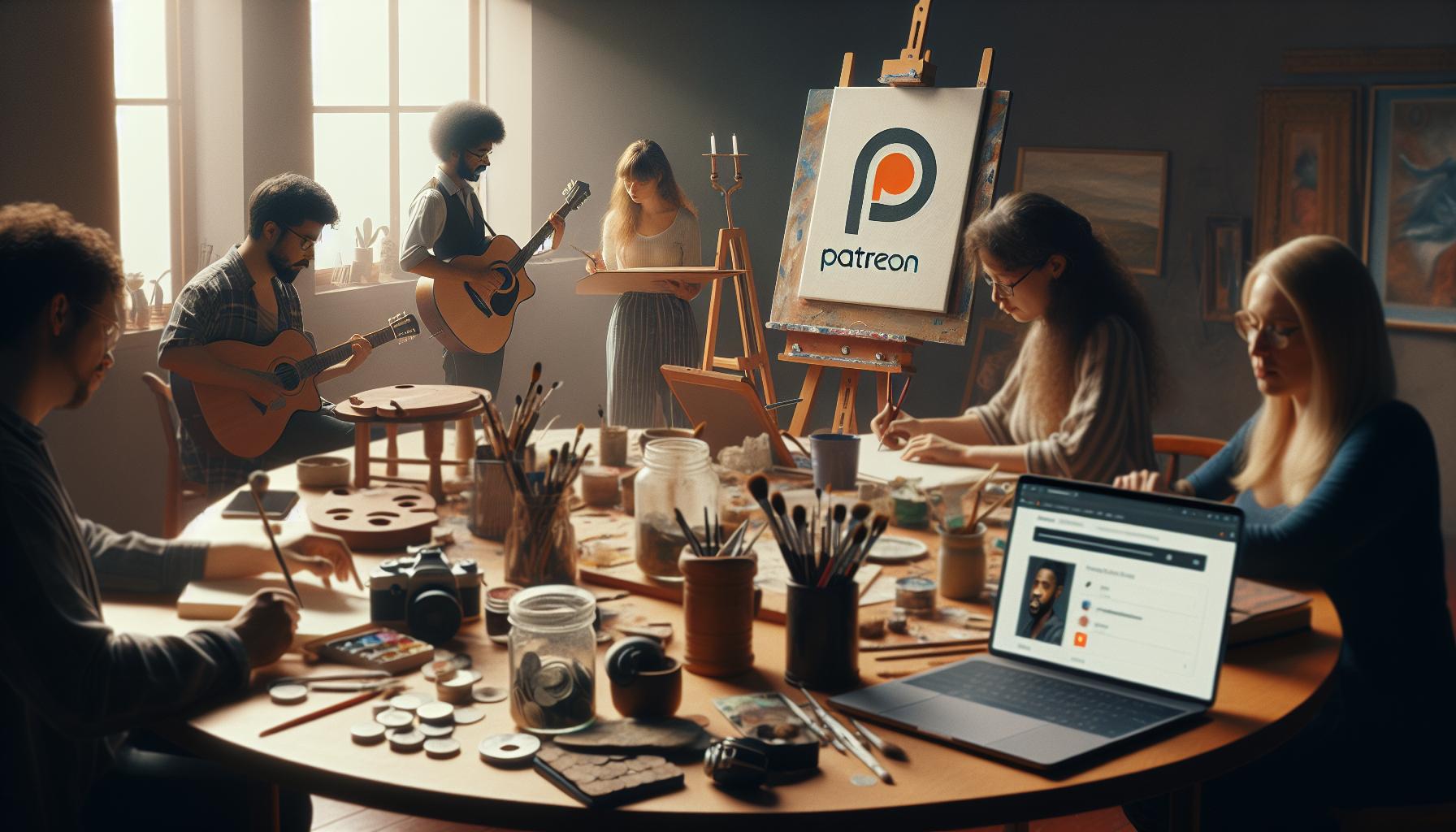
Patreon has emerged as a revolutionary platform that redefines the way creators fund their work, connecting them directly with their audience through a subscription-based model. Unlike traditional crowdfunding platforms that often rely on one-time donations or large, project-based funding campaigns, Patreon allows fans, known as patrons, to support creators on an ongoing basis-monthly or per creation. This consistent revenue stream empowers creators across various fields, from artists and musicians to podcasters and writers, to focus on producing high-quality content without the constant anxiety of financial instability.
One of the key features of Patreon is its tiered membership system. Creators can design multiple subscription levels, each offering unique rewards or access based on the patron’s level of support. For instance, a popular podcaster might provide subscribers who pay $5 per month access to exclusive behind-the-scenes content, while those who contribute $20 a month could receive personalized shoutouts or one-on-one interactions. This structure not only accommodates patrons of differing financial capabilities but also deepens their engagement, as supporters feel a direct connection to the creator’s journey and success.
Furthermore, the subscription model fosters a community-oriented atmosphere, where patrons have the opportunity to provide feedback and engage in discussions about the creator’s work. This not only helps the creators tailor their content to better meet their patrons’ desires but also results in a collaborative environment that enhances the creative process. Such dynamics are often absent in conventional funding models, which can feel impersonal and transactional.
In this evolving landscape of content creation and funding, platforms like Patreon facilitate a shift towards sustainable creative practices. By embracing this model, creators are not just seeking financial support; they are building relationships and communities around their work, ensuring that their artistic endeavors not only survive but thrive in a competitive digital age.
Subscription Funding: How It Works
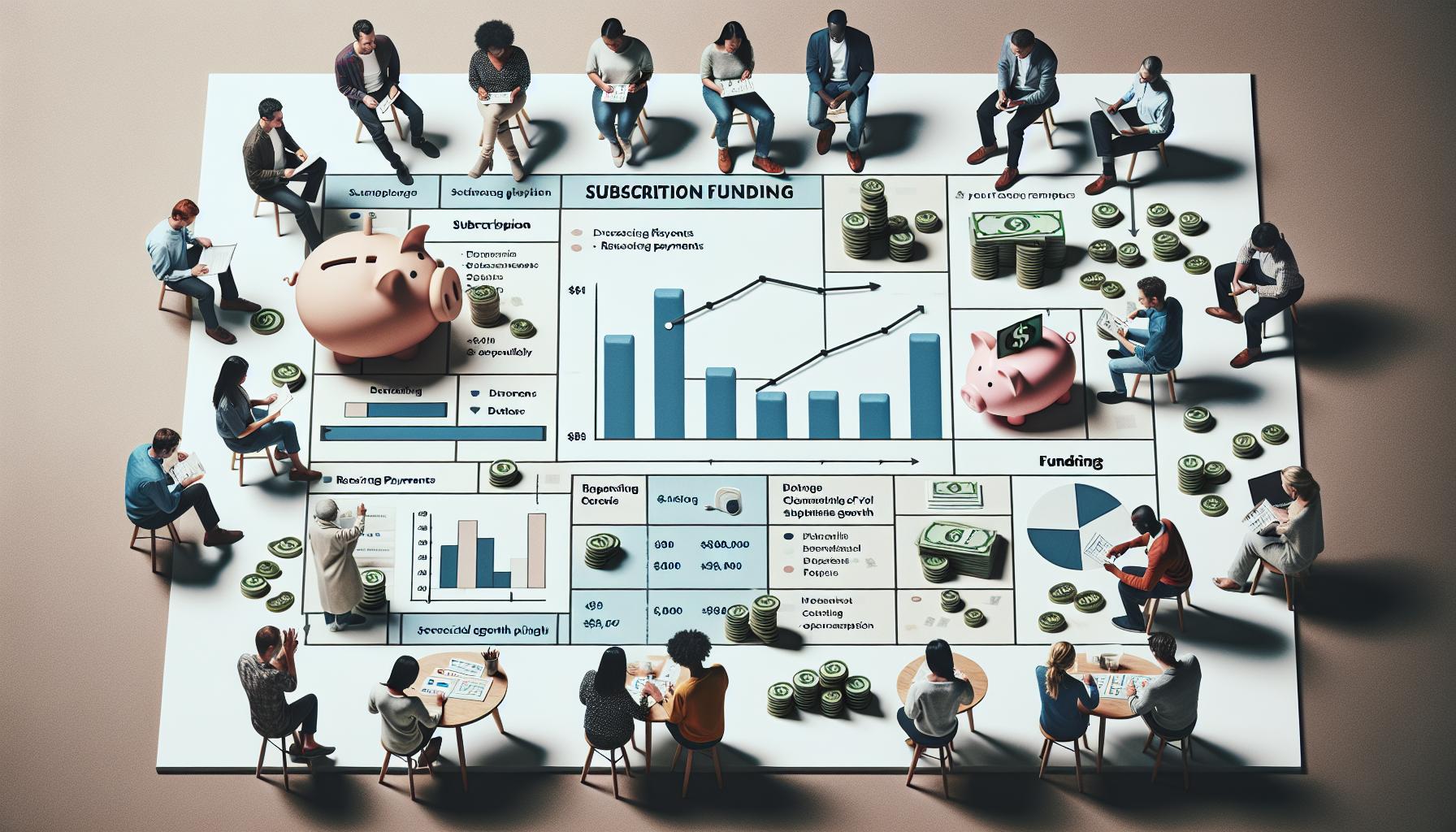
The subscription-based model that Patreon employs provides a dynamic environment for creators and patrons alike, transforming how funding is conceptualized and executed. Instead of relying on one-off fundraising events or campaigns with uncertain outcomes, Patreon allows creators to generate consistent income through tiered subscription levels. This model not only stabilizes revenue flow but also encourages deeper loyalty and engagement from supporters.
At the heart of this system is the ability for creators to craft specific membership tiers, each with its own unique benefits. For example, a content creator might offer subscriptions starting at $5 per month, granting patrons access to exclusive content-like behind-the-scenes materials or early releases. Higher tiers could unlock more personal interactions, such as one-on-one chats or personalized shoutouts, which enhance the patron’s sense of connection and involvement in the creator’s journey. This relational aspect is a significant departure from traditional funding models, where transactions often feel impersonal and purely financial.
In addition to providing financial stability, the subscription funding approach fosters community engagement. Patrons are not just passive supporters; they partake in a dialogue with creators, offering feedback and contributing ideas. This collaborative atmosphere encourages creators to adapt their work according to the preferences and interests of their audience, ultimately leading to richer content creation. According to research, platforms like Patreon help foster sustainable creative practices by promoting ongoing relationships between creators and their supporters, which is crucial in today’s rapidly changing digital landscape.
Moreover, creators can strategically use data insights from their Patreon activity to refine their offerings and enhance community building. By analyzing which tiers attract the most patrons and what types of content generate the highest engagement, creators can tailor their strategies, ensuring that their efforts resonate with their audience while maximizing their revenue potential. This iterative process of learning and adaptation not only empowers creators but also elevates the overall quality of content available to fans, solidifying Patreon’s position as a leader in the shift toward sustainable, subscription-based crowdfunding.
Traditional Funding Models Explained

Traditional funding models have long been the backbone of artistic and creative endeavors, but they often come with significant limitations that the rise of platforms like Patreon seeks to address. In conventional models, creators typically rely on lump-sum funding from various sources such as grants, sponsorships, or one-time donations. This approach can create unpredictable cash flow and can be heavily dependent on external validation, as funding cycles can be restrictive and competitive. For many, this means a constant struggle for financial stability, which can stifle creativity and innovation.
One of the most prominent traditional funding methods is project-based grants, where organizations or individuals apply for funding to complete a specific project within a limited timeframe. While these grants can provide substantial financial support, they often come with strict requirements and oversight, which may limit the creator’s artistic freedom. For instance, artists may be required to adhere to specific guidelines or themes dictated by the grantor, which can compromise their original vision. Additionally, the application process can be arduous, with no guarantee of funding, further complicating a creator’s ability to plan and execute their work effectively.
Another common model is sponsorship or corporate partnerships, where brands fund a creator in exchange for promotional opportunities. Though this can lead to lucrative agreements, it might also place undue pressure on creators to align their work with corporate interests, potentially altering the content’s authenticity and integrity. Creators may find themselves balancing their artistic goals with commercial viability, making decisions that could alienate their core audience over time.
In contrast, subscription-based models like Patreon provide reliable monthly income, which allows creators to focus on their work without the looming uncertainty of traditional funding. The tiered membership system fosters a more personal relationship with supporters, enabling ongoing engagement and feedback that can inform the creator’s work. Consequently, creators can dedicate themselves to producing high-quality content that genuinely resonates with their audience, paving the way for a sustainable creative practice that is less vulnerable to external pressures.
Ultimately, moving away from traditional funding approaches towards subscription-based models encourages not only artistic expression but also broader community involvement, ultimately empowering creators to thrive in a landscape that values continuity and connection over the sporadic nature of conventional funding arrangements.
Comparing Revenue Models: Patreon vs. Traditional Funding
In the evolving landscape of funding for creators, the choice between traditional funding models and platforms like Patreon is increasingly significant. Traditional funding typically involves project-based grants, sponsorships, or donations, which can offer substantial amounts but often come with significant limitations. Grants, for instance, can impose strict guidelines on usage and require extensive documentation, potentially stifling creativity. Moreover, creators face uncertainty, as funding is not guaranteed after initial cycles, leading to financial instability that can hinder long-term artistic goals.
On the other hand, subscription models like Patreon revolutionize this dynamic by providing a steady, predictable income. With a monthly subscription framework, creators can build long-term relationships with their supporters, providing them ongoing value through exclusive content, early access, or personalized interactions. This approach not only enhances community engagement but also allows creators to plan their projects with greater confidence and sustainability. For many, this model empowers artistic freedom, as it shifts the focus from meeting external funding requirements to fulfilling the desires of a dedicated community of supporters.
A practical advantage of using Patreon is its tiered membership system, which enables creators to cater to various audience segments. For example, a podcaster can have different subscription levels ranging from basic access to premium features like one-on-one discussions or merchandise. This flexibility allows creators to customize their offerings based on supporter interests and financial capabilities. Unlike traditional funding models where a creator might have to chase after singular large donations, Patreon turns the funding process into a community-driven model where multiple small contributions accumulate, ensuring a more predictable income stream.
However, it is worth noting that while Patreon offers numerous opportunities, it also requires creators to actively market themselves and maintain continuous engagement with their audience. Building a thriving Patreon community necessitates consistent content delivery and interaction, which can be both time-consuming and demanding. Nonetheless, the prospect of creating a sustainable, authentic artistic career centered around a supportive audience presents a compelling case for transitioning from traditional funding to subscription-based models. This shift not only nurtures individual creativity but also fosters a cooperative environment that celebrates shared values and goals among creators and their fans.
Pros and Cons of Subscription-Based Crowdfunding
Subscription-based crowdfunding on platforms like Patreon presents a unique landscape for creators, allowing them to engage directly with their audience while fostering a sustainable revenue model. As more individuals and organizations shift their funding strategies, understanding the advantages and disadvantages of this approach becomes crucial for informed decision-making.
One significant benefit of subscription-based crowdfunding is the creation of a stable income stream. Unlike traditional funding models that depend on occasional grants or one-time donations, platforms like Patreon enable creators to receive regular, recurring payments from their supporters. This reliability allows for better financial planning and encourages long-term project development rather than short-term goals. Moreover, creators often enjoy increased creative freedom; without the constraints typically associated with grant funding, they can explore innovative ideas and engage their audiences in more meaningful ways.
However, the subscription model does come with its challenges. Building and maintaining a thriving patron base requires consistent engagement and content production, which can be time-consuming and stressful. Creators must continuously provide value to their subscribers to retain interest and justify the ongoing financial support. Additionally, the need for active marketing to attract new patrons can divert time and resources away from actual creation. Therefore, while the model fosters community and ensures income, it can also lead to burnout if not managed properly.
Furthermore, the tiered membership system, while advantageous in offering varied levels of engagement and commitment, can create perceptions of inequality among patrons. Some supporters may feel they are receiving less recognition or value than those who pay higher subscription fees. Creators must navigate these dynamics carefully to ensure all patrons feel appreciated and engaged, which could involve personalized communication or exclusive content for different tiers.
Ultimately, while subscription crowdfunding offers creative individuals a robust alternative to traditional funding, it’s essential to weigh these pros and cons carefully. By evaluating their capacity for engagement and content production, and by being mindful of the potential challenges, creators can better position themselves for success in this evolving landscape.
Access and Engagement: Building a Community
Building a successful community through subscription-based crowdfunding platforms like Patreon requires creators to foster genuine connections with their patrons. Unlike traditional funding models, which often result in one-way interactions between the funder and the funded, Patreon emphasizes engagement, allowing creators to cultivate a loyal audience that feels invested in their work. This sense of community can significantly enhance both patron retention and creator motivation, creating a win-win scenario.
One practical approach to fostering engagement is through regular communication. Creators should prioritize sharing updates, behind-the-scenes insights, and exclusive content with their supporters. For instance, sending out monthly newsletters or hosting live Q&A sessions can deepen the relationship. Additionally, utilizing community posts to solicit feedback on future projects or ask patrons what content they would like to see can not only boost engagement but also make patrons feel valued and involved in the creative process.
Furthermore, creators can implement diverse tiers of membership to cater to different levels of commitment and engagement. By offering unique rewards for each tier, such as personalized messages, exclusive voting rights on project directions, or early access to content, creators can ensure that all patrons feel appreciated. This strategy mitigates potential feelings of inequality among supporters and encourages patrons to opt for higher tiers, nurturing a sense of exclusivity without alienating lower-tier patrons.
To showcase the benefits of this community-driven approach, consider the success of artists like Amanda Palmer. By engaging her patrons through personal storytelling and transparency about her creative journey, she built a robust community that rallies around her work. This engagement translates into sustainable support, demonstrating not only financial benefits but also a vibrant community that champions her art. By implementing key strategies like these, creators can transform their subscriber base into an active community, enhancing both their creative output and their patrons’ experiences.
Sustainability and Long-Term Relationships in Funding
Creating sustainable funding through platforms like Patreon involves developing long-term relationships with patrons, facilitating a recurring revenue stream that empowers creators. Unlike traditional funding models, where donations or investments may lead to a fleeting connection, subscription-based crowdfunding fosters ongoing interaction. This continuous engagement not only sustains financial support but also builds a community that feels personally invested in the creator’s journey.
A key strategy for maintaining this sustainability is transparency. When creators openly share their processes, challenges, and successes, they cultivate trust with their patrons. For example, a visual artist might post regular updates about their projects, sharing sketches, color palettes, and thoughts on artistic decisions. This transparency draws patrons closer, as they no longer feel like just financial backers but rather participants in the creative process. Regular interactions-such as exclusive Q&A sessions or behind-the-scenes live streams-can further enhance this connection, keeping patrons engaged and emotionally tied to the creator’s work.
Another effective method for fostering long-term relationships is diversifying engagement through tiered subscriptions. By offering different levels of support-each with unique rewards-creators can cater to varying patron interests and budgets. For instance, a musician might offer lower tiers with access to exclusive tracks and higher tiers that include personal song requests or virtual concert tickets. This not only drives patron retention by making each subscriber feel valued, but it also encourages patrons to upgrade their support as they see tangible incentives tied to higher contributions.
Real-world examples, such as the experiences of podcasters or YouTubers, illustrate the potential of this crowdfunding model. Creators like Kevin Smith and his “SModcast” have thrived through Patreon by regularly sharing exclusive content and engaging with their community. Their commitment to transparency and interaction ensures that patrons feel validated; as a result, they are more likely to maintain their subscriptions, providing the creator with a stable and predictable income over time.
Ultimately, nurturing long-term relationships with patrons through transparency, community engagement, and diverse subscription tiers not only secures financial support but enriches the creative ecosystem, allowing creators to focus on what they do best-creating.
Case Studies: Successful Creators on Patreon
Notable examples of creators thriving on Patreon demonstrate the impact of subscription-based crowdfunding, enriching both their work and their engaging communities. For instance, video essayist ContraPoints, known for her thought-provoking analyses of social issues, has leveraged Patreon to deepen her connection with her audience. Through her tiered subscription model, supporters can access behind-the-scenes content, exclusive videos, and Q&A sessions, fostering a sense of intimacy and investment among her patrons. This strategy not only secures financial backing but also creates a vibrant community eager to participate in her creative journey.
Another remarkable case is the Delorean’s YouTube channel, which focuses on building a fan base through storytelling and engaging video content. The creator has transformed casual viewers into loyal patrons by offering various tiers that cater to different engagement levels. This approach has allowed fans to contribute while enjoying diverse rewards, such as early access to videos and exclusive merchandise. The channel’s success underscores the power of direct interaction and personalized experiences, turning subscription support into a two-way relationship that amplifies both the creator’s reach and revenue.
Comics artist Amanda Palmer offers a profound insight into the potentials of Patreon. Her commitment to regular communication and exclusive content-a hallmark of her patron strategy-has cultivated a thriving community. Palmer’s use of Patreon enables her to release new works without relying on traditional publishing constraints, reflecting her fans’ preferences and interests more closely. By sharing personal stories, creative processes, and works-in-progress, she strengthens emotional connections and builds a loyal support base that encourages continued financial backing and active engagement.
In each of these cases, the creators’ success on Patreon illustrates the effectiveness of transparency, community engagement, and tiered content offerings. Such strategies not only secure necessary funding but also develop enduring relationships between creators and patrons, fostering a collaborative ecosystem that sustains creativity and innovation. These examples provide valuable lessons for new creators considering the transition to subscription-based funding, emphasizing the importance of connection and active participation in cultivating a successful Patreon presence.
Tips for Transitioning from Traditional to Subscription Funding
Transitioning from traditional funding models to subscription-based crowdfunding can be a transformative journey for creators. By embracing platforms like Patreon, artists, musicians, and content creators can establish a direct relationship with their audience, fostering a community that supports their work sustainably. To facilitate this transition, it’s essential to employ strategies that resonate with both existing and potential patrons, maximally leveraging the benefits of subscription funding.
Start by clearly communicating your vision and goals. Patrons want to understand what they are supporting, so articulate your mission, the value of your work, and how their contributions will make a difference. Consider using storytelling as a tool; sharing your personal journey and creative process helps establish an emotional connection with your audience. Transparency about how funds will be used can also enhance trust and engagement.
Next, define your subscription tiers thoughtfully. Diverse tiers can cater to various patron preferences and financial capacities. For example, offer a basic tier for casual supporters that grants access to exclusive content, while higher tiers might include perks such as one-on-one chats, merchandise, or behind-the-scenes access. This structure not only encourages higher contributions but also creates a sense of exclusivity and appreciation among patrons. Promote your tiers through compelling content that showcases the benefits of each level.
Engagement remains paramount; maintain an ongoing conversation with your patrons. Regular updates, exclusive content, and interactive sessions transform one-time supporters into loyal advocates. For instance, creators can host Q&A sessions or live streams where patrons can interact directly. This approach helps to build a vibrant community and reinforces the notion that supporters play a critical role in the creator’s journey.
Finally, be patient and persistent in your efforts. Transitioning to a subscription model may take time. Use data from your initial campaigns to analyze what works and refine your approach as necessary. Embrace feedback, as it provides valuable insights into your audience’s desires and expectations. This iterative process can turn challenges into opportunities for growth, ultimately leading to a thriving subscription-based support system.
By understanding your audience, defining clear value propositions, maintaining engagement, and being adaptable, you will set the stage for a successful transition from traditional funding to a robust subscription crowdfunding model.
Future Trends in Crowdfunding: What’s Next?
As the landscape of crowdfunding continues to evolve, platforms like Patreon are increasingly reshaping how creators fund their work. As we look toward the future, several notable trends are emerging that promise to redefine both subscription-based models and traditional funding methodologies. The growing popularity of direct engagement models, where creators can forge deeper connections with their audience, is at the forefront of this transformation.
One significant trend is the rise of micro-subscriptions. This model allows patrons to contribute smaller amounts-often on a per-creation basis-rather than committing to a full monthly subscription. This flexibility not only makes supporting creators more accessible for a broader audience but also encourages ongoing engagement as supporters pay only for the content they truly value. For instance, musicians might offer individual songs or albums for a small fee, fostering a sense of ownership and investment in the creators’ work.
Another crucial development involves the integration of technology and community-building tools within crowdfunding platforms. Creators are leveraging social media, livestreaming, and interactive content to enhance patron experiences, making support feel more personal and immediate. By employing features such as live Q&As, exclusive behind-the-scenes access, and community forums, creators can cultivate a loyal base of patrons who feel genuinely connected to the process. Platforms are also harnessing data analytics to help creators understand their audience preferences better, allowing for more tailored content that addresses specific patron interests and needs.
Furthermore, environmental and social consciousness is becoming increasingly pivotal in not just how creators share their work but also how they secure funding. Patrons are now more inclined to support projects that align with their values, emphasizing sustainability and responsible practices. Creators who demonstrate social responsibility through their funding campaigns could see a rise in support, as they connect with an audience deeply invested in ethical considerations. This trend reflects a broader societal shift towards prioritizing purpose-driven initiatives, encouraging creators to be transparent about their operations and impact.
In summary, the future of crowdfunding is leaning toward more personalized, flexible, and socially conscious models. As creators adapt to these changes, they must embrace innovative ways to engage with their patrons, continually assess the needs of their audience, and align their work with broader trends that advocate for a positive social and environmental impact. By doing so, they will not only enhance their funding prospects but also foster lasting relationships with their supporters, paving the way for sustainable success in the evolving crowdfunding landscape.
Navigating Challenges in Subscription-Based Models
Navigating the complexities of subscription-based funding through platforms like Patreon presents unique challenges for creators. Unlike traditional funding models that often rely on one-time donations or grants, subscription funding demands a consistent delivery of value to retain patrons. This ongoing commitment can create significant pressure on creators to produce high-quality content regularly. To manage this, it’s essential for creators to establish a realistic content calendar that outlines not only what they will deliver but also how often. By setting clear expectations with their patrons, creators can alleviate some of the pressure associated with consistent content production.
Moreover, building a robust community is vital in subscription-based models. Patrons are more likely to remain engaged when they feel a personal connection to the creator and their work. This can involve frequent interaction through live streams, Q&A sessions, or exclusive behind-the-scenes content. Additionally, creators should actively seek feedback from their patrons to understand their preferences and adjust their offerings accordingly. This feedback loop not only allows creators to tailor their content but also fosters a sense of ownership and investment among patrons, making them less likely to cancel their subscriptions.
Financial unpredictability is another challenge unique to subscription-based models. Unlike traditional funding, which may provide a lump sum, subscription income can vary month to month. Creators should consider implementing tiered subscription levels to manage this variability better. By offering different levels of support at various price points, they can attract a wider range of patrons while still providing options for their existing supporters to increase their contribution if they choose. Additionally, creators can utilize financial forecasting tools to anticipate income fluctuations and better manage their expenses.
Finally, creators should be prepared to navigate the emotional aspects of subscription funding. The fear of losing patrons can create anxiety that may impact the quality of content produced. It’s crucial to cultivate a mindset that views patron relationships as partnerships rather than transactions. Building and maintaining these relationships through transparency, consistent communication, and value creation can help creators focus on their artistic vision rather than the pressure to meet arbitrary expectations. By fostering an environment of collaboration and mutual support, creators can navigate the challenges of subscription-based models while building sustainable careers in the ever-evolving landscape of crowdfunding.
Q&A
Q: Is Patreon considered a crowdfunding platform?
A: No, Patreon is primarily a subscription model rather than a traditional crowdfunding platform. While it offers creators a way to receive regular financial support from their followers, it does not operate on a one-time fundraising campaign basis typical of crowdfunding [2].
Q: What are the benefits of using Patreon over traditional crowdfunding?
A: Benefits of Patreon include consistent income, direct engagement with supporters, and the potential to create a loyal community. Creators can offer exclusive content and build sustainable relationships, unlike traditional crowdfunding, which may lead to a temporary influx of funding without ongoing support [2].
Q: Can creators use both Patreon and traditional crowdfunding together?
A: Yes, creators can effectively use both models. They can launch a traditional crowdfunding campaign for a specific project while simultaneously using Patreon to gather ongoing support for their overall work. This strategy can maximize funding opportunities and engage with different segments of their audience [2].
Q: What types of projects are best suited for Patreon?
A: Projects that benefit from ongoing interaction, such as creative content production (videos, music, writing), educational resources, or community engagement initiatives, are well-suited for Patreon. Subscription models thrive on delivering regular updates and exclusive content to subscribers [2].
Q: How does sustainability differ between Patreon and traditional crowdfunding?
A: Sustainability in Patreon arises from ongoing subscriptions, providing creators with predictable income that can be adjusted over time. Conversely, traditional crowdfunding relies on one-off contributions, which may not guarantee long-term financial security for creators [2].
Future Outlook
As we’ve explored the nuanced differences between Patreon crowdfunding and traditional funding methods, it’s clear that subscription-based models offer unique advantages for creators seeking sustained support from their audience. By harnessing platforms like Patreon, you can unlock consistent revenue while fostering a direct connection with your fans. If you’re considering this route, there’s no better time than now to take the leap!
For further insights, check out our articles on maximizing Patreon earnings and comparing multiple crowdfunding platforms. Don’t miss your chance to stay updated-sign up for our newsletter for expert tips and tools that empower your creative journey! What is your biggest challenge with funding your projects? Share your thoughts in the comments below, and let’s keep the conversation going. Explore more, engage deeper, and transform your passion into profit!
Get our latest guides, news, and insights highlighted in your Google Search & AI Overviews.