

In today’s digital age, social media plays a significant role in our daily lives, but it also wields substantial influence over our mental health. Studies show that heavy social media use can lead to increased anxiety, depression, and feelings of inadequacy. As you scroll through curated highlights of others’ lives, it’s easy to feel overwhelmed or left out, which can impact your self-esteem and overall well-being. Understanding this relationship is crucial for navigating your online experience in a healthier way. By exploring the effects of social media on mental health, we aim to equip you with practical strategies to foster a positive digital environment. You’ll discover how to set boundaries, find supportive online communities, and cultivate mindful consumption habits that enhance rather than detract from your emotional wellness. Join us as we delve into this essential conversation about balance, empowerment, and the proactive steps you can take to safeguard your mental health in a hyper-connected world.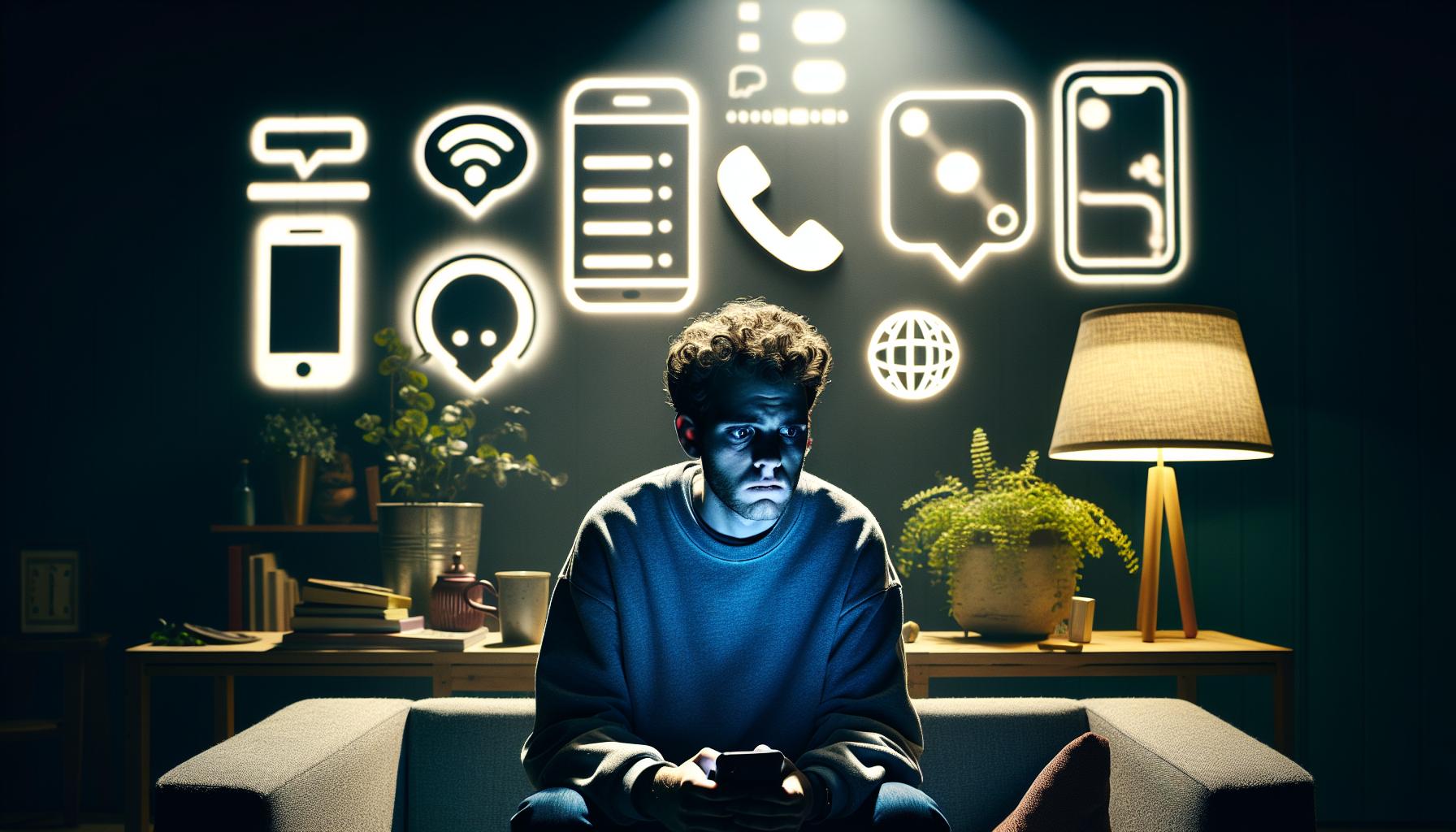
The Psychological Impact of Social Media Use
Despite its ability to connect people across the globe, social media can significantly affect our mental health, prompting both individuals and researchers to explore its psychological ramifications. One notable statistic reveals that 27% of people report feeling overwhelmed by the amount of time spent online, suggesting a pervasive awareness of social media’s potential pitfalls. This phenomenon often leads to issues such as anxiety, depression, and diminished self-esteem, especially among younger users who may be more susceptible to online pressures and comparisons.
The immediate gratification of social media-likes, shares, and comments-creates a feedback loop that can lead to addiction-like behaviors. Users may find themselves constantly checking for new notifications, which generates a cycle of anxiety and dependence. Such compulsive use not only affects emotional stability but also disrupts daily life by making it challenging to engage in face-to-face interactions and activities that foster genuine connections.
Importantly, the psychological impact of social media isn’t uniform; it varies greatly across different demographics and individual circumstances. For instance, studies indicate that teenagers and young adults are particularly vulnerable to body image issues exacerbated by unrealistic portrayals of beauty on social media platforms. Conversely, these same platforms can cultivate community and support for marginalized groups, showing that while the impact of social media can be profound and often negative, it also holds the potential to foster positive mental health outcomes when used mindfully.
To mitigate the negative effects of social media, developing healthy habits is crucial. Setting daily limits on usage, curating content to emphasize positivity, and actively engaging in offline activities can help reduce feelings of anxiety and isolation. By being proactive, users can transform their social media experience, fostering a healthier relationship with technology and enhancing their overall well-being.
Understanding Social Media Addiction and Its Risks
The increasing dependence on social media platforms has led to a growing recognition of the psychological risks associated with excessive use. Many users find themselves caught in a pattern of compulsive checking-constantly refreshing feeds and seeking notifications-that resembles behaviors seen in traditional forms of addiction. This cycle is often fueled by the dopamine response triggered by likes and comments, creating a feedback loop that not only feeds our desire for social validation but can also significantly impact our mental health. As users begin to prioritize online interactions over real-life relationships, feelings of anxiety and depression can escalate, making it crucial to understand and address these risks.
Recognizing the Signs of Addiction
Understanding social media addiction involves recognizing its subtle signs. Common indicators include spending excessive amounts of time online, feeling irritable when unable to access social media, prioritizing social media over important tasks, and experiencing feelings of inadequacy when comparing oneself to others online. If you find yourself continuously checking your phone or feeling anxious when your notifications are low, these could be signs that your social media use is becoming problematic.
The Risks to Mental Health
The psychological risks extended by social media addiction are well-documented. Research indicates that individuals with high social media engagement often report elevated levels of anxiety and depression. Furthermore, participants in studies frequently cited feelings of isolation and loneliness, contrary to the platforms’ intended goal of fostering connection. When users, particularly younger demographics, engage with idealized portrayals of others, it can lead to detrimental body image issues and self-esteem problems. Effective management of these risks is not just about reducing screen time; it’s about understanding the emotional triggers that lead to compulsive behaviors.
Strategies for Healthy Engagement
To mitigate these risks, adopting proactive strategies is essential. Here are some practical steps you can take:
- Set Time Limits: Use built-in app features or third-party tools to limit daily social media usage.
- Curate Your Feed: Follow accounts that promote positivity and mental well-being while unfollowing those that trigger negative feelings.
- Engage Offline: Make a conscious effort to spend time in offline activities and face-to-face interactions to rebuild a sense of community.
- Reflect on Usage: Periodically assess how social media makes you feel; if it’s more negative than positive, consider making a change.
By being mindful of how social media shapes your interactions and self-perception, you can develop a healthier relationship with these platforms, ultimately enhancing your mental health and emotional well-being.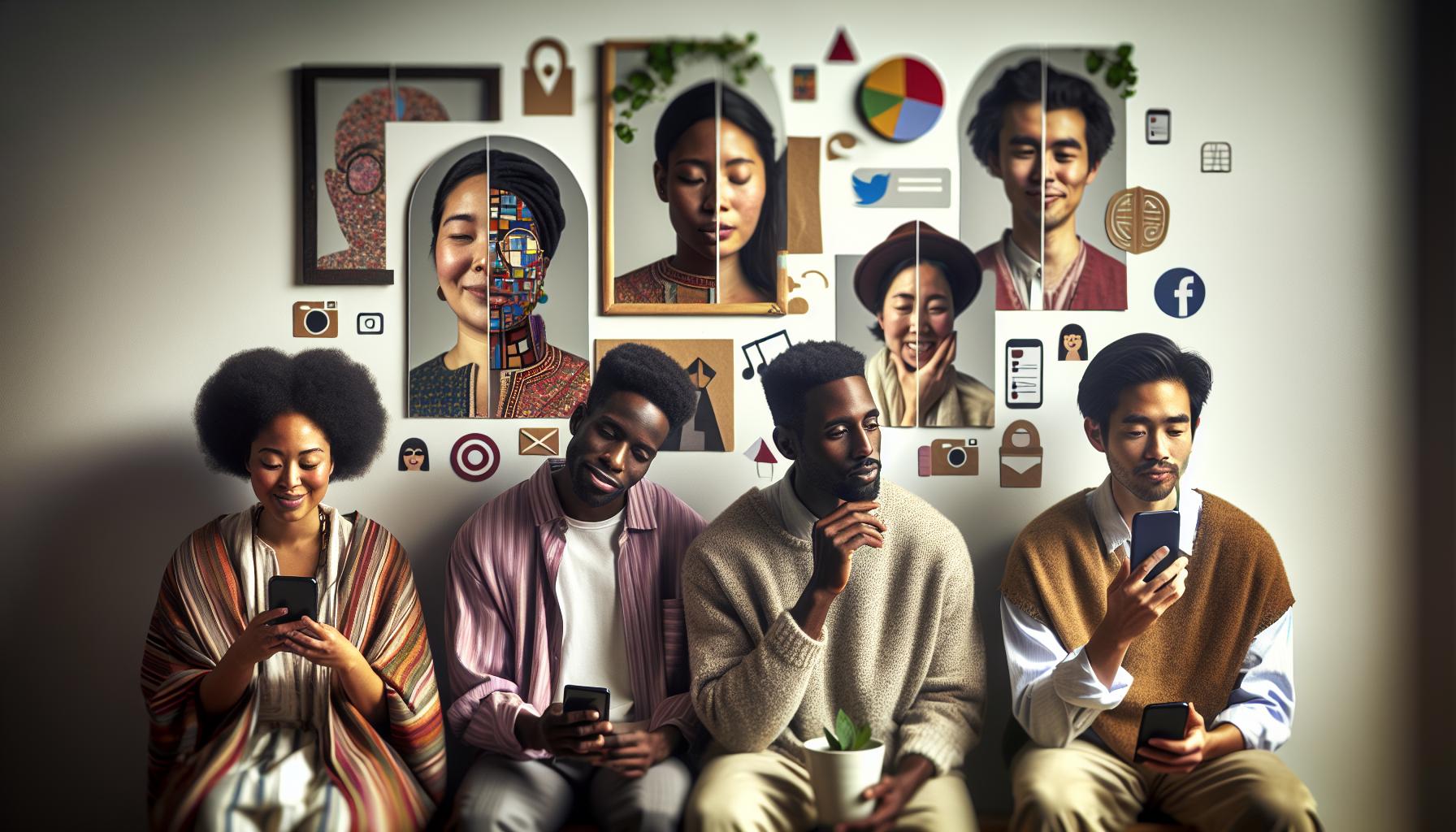
How Social Media Shapes Body Image Issues
The pervasive nature of social media has dramatically reshaped how we perceive ourselves and others, particularly regarding body image. Platforms filled with filtered and curated content can create an unrealistic standard of beauty and perfection, often leading individuals to compare their appearances unfavorably with those they see online. This comparison can foster feelings of inadequacy, fueling discontent with one’s body and potentially leading to serious mental health issues such as anxiety, depression, and eating disorders. Studies indicate that the impact is especially profound among adolescents and young adults, who are most impressionable and actively seeking validation during formative years.
To effectively combat the detrimental effects of social media on body image, it’s essential to cultivate a critical mindset toward online content. One practical approach is to limit exposure to accounts and influencers that emphasize unattainable body standards. By unfollowing or muting such accounts, individuals can strengthen their focus on positive, diverse representations of body types and real-life experiences. Engaging with content that promotes self-acceptance and body positivity can help counteract negative messages.
Additionally, educating oneself about the manipulation often involved in social media imagery-such as filters, angles, and Photoshop-can enhance media literacy and encourage a healthier perspective. Embracing the idea that everyone has unique attributes can shift the focus from comparison to appreciation of one’s own body. Participating in discussions about body image, whether in-person or online, can also create supportive communities that celebrate diversity and strengthen resilience against negative influences.
In summary, while social media can pose challenges to body image, it also offers an opportunity for constructive dialogue around self-acceptance and diversity. By actively seeking uplifting content and engaging in critical discussions, users can develop a healthier relationship with both their bodies and the digital landscape, promoting a more balanced approach to social media usage.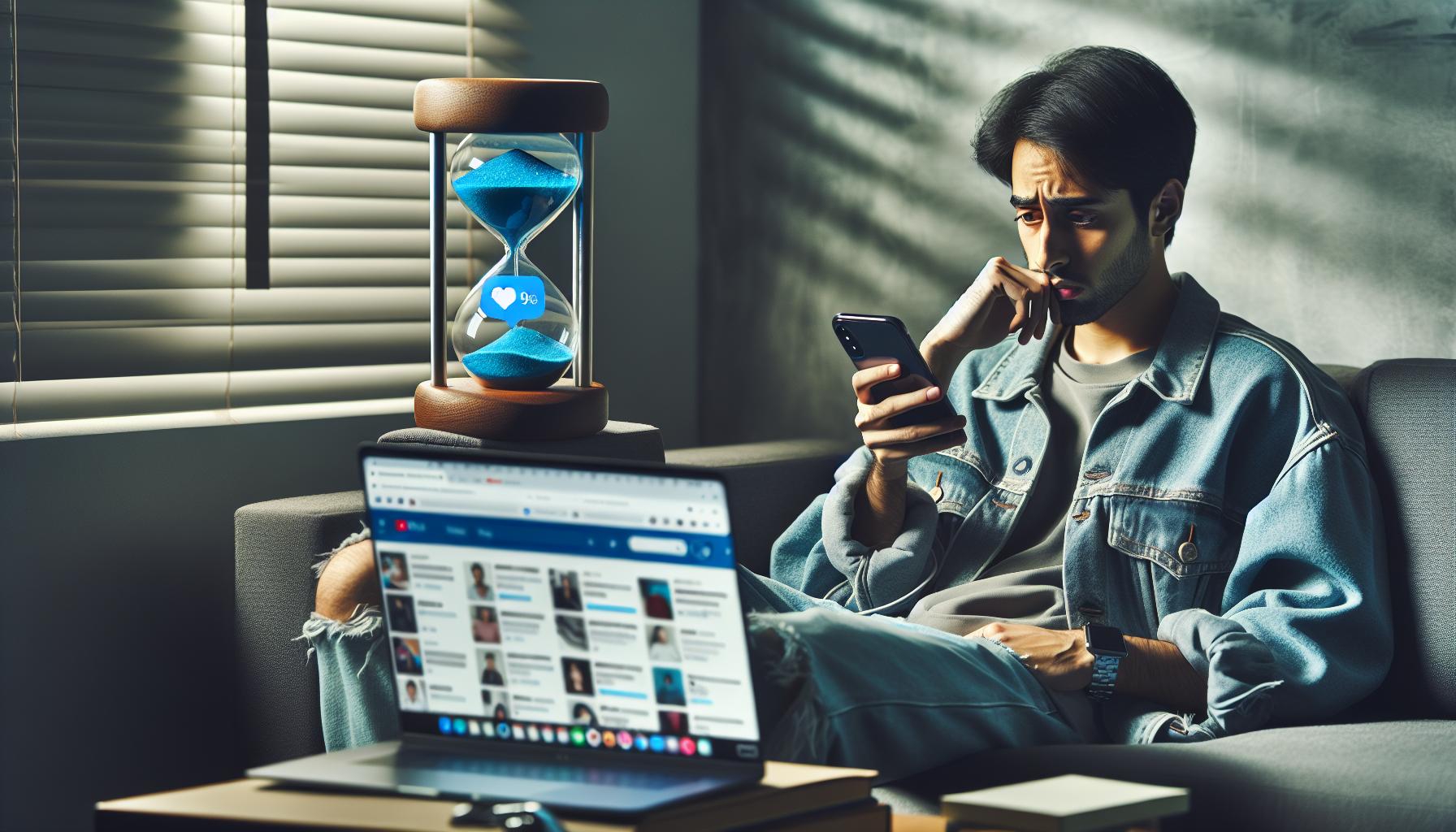
The Link Between Social Media and Anxiety Levels
Feeling anxious after scrolling through social media feeds is more common than you might think-studies indicate that excessive use of these platforms can lead to increased anxiety levels among users. The constant exposure to curated lives and highlight reels creates an environment ripe for comparison, where many feel inadequate or disconnected. This phenomenon, often exacerbated by the immediacy of notifications and social validation, can lead to a cycle of anxiety that feels almost inescapable for those highly engaged with social media.
One of the primary drivers of anxiety linked to social media usage is the fear of missing out (FOMO). This term encapsulates the unsettling feeling that others are experiencing more fulfilling lives, highlighted by enviable posts shared by friends or influencers. The pressure to remain constantly engaged-answering messages quickly, liking posts, and staying up-to-date with trends-can further compound feelings of stress and anxiety. For many, this results in a perpetual state of alertness, leading to mental exhaustion and diminished well-being.
To break this cycle, individuals can adopt several practical strategies. First, consider setting time limits on social media usage to create a healthier relationship with these platforms. Utilizing tools or apps that monitor and control usage can establish boundaries and reduce compulsive behavior. Additionally, curating your online space is essential; unfollowing accounts that contribute to feelings of inadequacy, and instead following those that inspire positivity and connection, can transform your feed into a source of upliftment rather than stress.
Engaging in regular digital detoxes, where you intentionally unplug from social media for a defined period, can also be beneficial. This time away allows for reflection and a reconnection with the real world, reducing anxiety stemming from digital interactions. Cultivating hobbies or spending more time in face-to-face interactions can enrich life experiences and diminish reliance on virtual validation. By taking these steps, users can reclaim their mental space, foster deeper connections, and ultimately mitigate the anxiety often exacerbated by social media engagements.
Social Media’s Influence on Loneliness and Isolation
Social media platforms were initially designed to connect us, but ironically, they can also deepen feelings of loneliness and isolation. Research indicates that individuals who spend more time on social media often report feelings of greater loneliness compared to those who engage in face-to-face interactions. This paradox can stem from a variety of factors, including the passive consumption of content and the comparison of one’s life to those of others, which can create a pervasive sense of disconnection.
The curated nature of social media feeds can intensify feelings of loneliness. Users are constantly exposed to idealized versions of other people’s lives, leading to a distorted perception of reality. When scrolling through images of friends enjoying vacations, intimate gatherings, or milestones, it’s easy to feel like an outsider. This reinforces the idea that others are more connected and fulfilled, thereby exacerbating feelings of isolation. Moreover, for many, the act of engaging in social media can be solitary; checking for updates or browsing feeds does not replace the warmth of real interactions and can leave users feeling more detached.
To combat these feelings, individuals can take proactive steps to enhance their social well-being. Here are some practical strategies:
- Limit Social Media Use: Set specific times to check social media and stick to them. This can reduce the temptation to mindlessly scroll and help redirect focus onto real-life interactions.
- Engage Meaningfully: Rather than passively consuming content, actively comment, message, or interact with friends. Turning online acquaintances into real-life friendships can build stronger connections.
- Focus on Quality, Not Quantity: Curate your social media following to include individuals who bring positivity rather than comparison. Follow accounts that inspire genuine connection and support.
- Plan Offline Activities: Use social media to facilitate real-life meetups. Organize coffee dates, group outings, or hobbies with friends and family to foster deeper emotional ties.
By prioritizing authentic interactions and reducing passive consumption of social media, individuals can mitigate feelings of loneliness and isolation, fostering a greater sense of community and connection. Engaging in these strategies can lead to more fulfilling relationships, both online and offline, ultimately enhancing mental health and well-being.
The Role of Social Media in Fostering Community
Social media has transformed the way we communicate and build relationships, offering invaluable opportunities to foster community among diverse groups of people. While it can sometimes contribute to feelings of loneliness, it also serves as a powerful platform for connection, enabling users to find like-minded individuals and offer support in ways that might not be possible offline. For example, online forums and groups centered around shared interests, such as hobbies, mental health, and activism, become spaces where people can share experiences, challenges, and solutions, creating a sense of belonging and community.
One of the most significant advantages of social media is its ability to bring individuals together regardless of geographical boundaries. Online communities can be a lifeline for marginalized or isolated groups, offering a supportive network where members can express themselves without the fear of judgement that might occur in their immediate physical environments. For instance, consider a person struggling with a chronic illness who might find it difficult to discuss their experiences with others in their community. Through social media, they can connect with others facing similar health challenges, share resources, and even form friendships that transcend their physical limitations.
However, fostering a positive community on social media requires intentional practices. Engaging meaningfully with others and contributing to discussions can enhance feelings of connection. Here are some practical steps to help cultivate a supportive online community:
- Participate Actively: Don’t just observe-comment, share your thoughts, and engage with other users to build connections.
- Join Interest-Based Groups: Find groups that discuss your passions or important issues to connect with others who share your interests.
- Be Supportive: Offer encouragement and share resources when others seek help or advice. Your support could make a significant difference in someone’s life.
- Create a Safe Space: Ensure your online presence promotes positive interactions. Set guidelines for respectful conversations and discourage negativity.
By actively participating in these ways, individuals not only enrich their own lives but also help foster a sense of community that can enhance mental well-being. The power of social media lies in its potential to create lasting connections that promote understanding, empathy, and communal support-qualities essential for mental health in today’s increasingly interconnected world.
Strategies to Manage Social Media’s Mental Health Effects
Many individuals rely on social media for connection, inspiration, and entertainment. However, the constant influx of information and comparisons can lead to significant mental health challenges, including anxiety and low self-esteem. To navigate these potential pitfalls, individuals can employ various strategies to manage their social media interactions effectively while safeguarding their mental well-being.
Set Boundaries
One effective approach is to establish clear boundaries for social media use. This can include limiting the amount of time spent on these platforms each day. For instance, using apps that track screen time can help users stay aware of their daily usage, encouraging breaks when necessary. Designating specific times for checking social media can also prevent it from encroaching into personal time, such as during meals or before bedtime.
Cultivate a Positive Feed
Curating your social media experience can have profound effects on mental health. Follow accounts that inspire positivity, offer education, and foster supportive communities. Conversely, unfollow or mute accounts that elicit feelings of inadequacy or negativity. This active curation helps create a customized digital environment that uplifts rather than drains, promoting overall well-being.
Engage Mindfully
Practicing mindfulness while interacting on social media can protect mental health. Before posting or commenting, take a moment to reflect on your reasons for engaging. Are you seeking validation, or are you contributing to a meaningful conversation? Mindful engagement nurtures healthier interactions and reduces the tendency to fall into comparison traps.
Utilize Supportive Communities
Lastly, leveraging social media’s communal aspects can be beneficial. Joining groups focused on shared interests, support networks, or mental health awareness can foster a sense of belonging. These communities often provide encouragement, resources, and shared experiences that make users feel less isolated and more connected. By focusing on constructive interactions, individuals can turn their social media habits into a source of empowerment and support.
By employing these strategies, individuals can manage the mental health effects of social media effectively, creating a balanced and positive online presence that enhances, rather than detracts from, their overall well-being.
Identifying the Signs of Negative Social Media Impact
Recognizing when social media use is having a negative effect on mental health can be challenging, especially in a world where online interaction is ubiquitous. Many individuals may not immediately connect their feelings of anxiety, sadness, or disconnection with their social media habits. However, by becoming more aware of specific signs, users can take proactive steps to protect their well-being.
One of the most noticeable indicators of negative social media impact is a persistent feeling of inadequacy or comparison. If scrolling through your feeds often leaves you feeling less than, or if you find yourself obsessively comparing your life to the seemingly perfect lives of others, it may be time to reassess your social media diet. This phenomenon, often referred to as “comparison syndrome,” can foster feelings of envy and low self-esteem, which can be detrimental to one’s mental health.
Another critical sign is a change in mood or energy levels associated with social media use. If you notice that engaging with social platforms leads to feelings of anxiety, irritability, or sadness, it is essential to pay attention. Such emotional fluctuations can indicate that social media is exacerbating underlying issues rather than alleviating them. Users might benefit from keeping a journal to track their moods before and after social media interactions to identify patterns and triggers more clearly.
Social media withdrawal symptoms are also a significant indicator of its adverse effects. If you feel anxious, restless, or upset at the thought of missing out on social media updates or notifications, this dependency may signify a deeper issue. This “fear of missing out” (FOMO) can escalate anxiety levels, leading to compulsive behaviors around checking accounts or engaging with posts.
Lastly, an increased tendency toward isolation or avoidance can highlight negative social media interactions. If users find themselves preferring virtual interactions over face-to-face connections, feeling lonely after social media engagement, or avoiding real-life situations due to fear of perceived judgment from online interactions, then the role of social media in their lives may need to be reevaluated. Engaging with offline communities and nurturing in-person relationships can help mitigate these feelings, promoting a more balanced and fulfilling social life.
By recognizing these signs and understanding their implications, individuals can take informed steps towards rectifying their social media habits and fostering healthier interactions with these platforms.
Positive Social Media Practices for Better Mental Health
Embracing social media can be a double-edged sword as it influences our mental health in various ways. However, there are numerous strategies individuals can adopt to ensure their online experiences are more enriching and supportive of their well-being. Leveraging social media positively not only enhances personal growth but can also serve as a platform for nurturing meaningful connections and promoting mental health awareness.
Curate Your Feed
Begin by taking control of your social media environment. This involves unfollowing accounts that evoke negative feelings or encourage unhealthy comparisons, and instead following profiles that inspire, motivate, and uplift. Opt for content that promotes mental health awareness, personal development, and positive community stories. Studies have shown that people who curate their social media feeds towards positivity report lower levels of anxiety and greater satisfaction in their daily lives.
Engage in Positive Interactions
Being active in supportive online communities can significantly enhance your social media experience. Participate in groups that align with your interests or values, where members encourage each other. Whether it’s discussions on mental health strategies, hobbies, or activism, these interactions can foster a sense of belonging. Aim to uplift others by leaving supportive comments, sharing positive messages, or simply liking their posts, as engaging in these interactions can lead to increased feelings of well-being and community support.
Make Mindful Usage a Habit
Establishing boundaries around social media use is essential. Set specific times for scrolling through your feeds, and consider limiting usage to avoid mindless browsing. During these allocated times, practice mindfulness by being present with the content you consume. Reflect on how it makes you feel and whether it positively or negatively affects your mood. Taking breaks and engaging in offline activities can refresh your mental state and create a healthier balance between online and real-world interactions.
Utilize Social Media for Learning
Another beneficial practice is using social media as a tool for learning and self-improvement. Follow educational accounts, join webinars, or participate in online courses that expand your knowledge and skills. Social media can be a powerful resource for personal growth when directed toward constructive content. This not only enriches your mind but also often leads to inspiring connections with like-minded individuals.
By adopting these positive social media practices, individuals can transform their online experiences into a source of empowerment rather than stress. By curating content, engaging positively, practicing mindful usage, and focusing on learning, social media can help enhance mental health and foster genuine connections in our digitally-driven world.
Exploring the Relationship Between FOMO and Mental Well-Being
In a world dominated by social media, the fear of missing out, commonly known as FOMO, can create a paradoxical relationship between online engagement and mental well-being. FOMO can lead individuals to incessantly scroll through feeds showcasing friends’ adventures, achievements, and festivities, often resulting in feelings of inadequacy and exclusion. This phenomenon can significantly impact one’s self-esteem and overall happiness, making it crucial to understand and manage its effects.
One effective approach to combat FOMO is to foster self-awareness about how social media consumption affects emotions. Keep track of instances when scrolling leads to negative feelings; this can illuminate patterns and help identify specific triggers. For example, if you notice that viewing certain types of posts-like those related to social gatherings-leads to anxiety or sadness, it might be worth reconsidering your engagement with such content. This practice of reflection can empower you to regain control over your online experience and prioritize what genuinely enriches your life.
Another strategy is to cultivate gratitude and contentment with your current experiences. Engaging in mindfulness practices can be beneficial; take time each day to reflect on what you’re grateful for in your life. By focusing on your unique journey rather than comparing it to others, you can alleviate the pressure created by FOMO. Consider incorporating activities like journaling or spending time in nature, which can ground you and create a richer appreciation for your personal experiences, reducing the allure of what others are sharing online.
Additionally, try to create boundaries around social media usage. Setting specific times for social media engagement can mitigate the constant barrage of posts that fuel FOMO. Allocating dedicated time to connect with friends in real life or pursuing hobbies can shift focus away from the virtual world and enhance mental well-being. Engaging in meaningful activities often leads to deeper satisfaction than what is portrayed online, helping to diminish feelings of isolation or discontent.
By integrating these practices into your daily routine, you can reduce the negative impacts of FOMO and cultivate a healthier relationship with social media. Ultimately, recognizing that social media only represents a curated version of reality can empower individuals to focus on their personal journeys, leading to increased happiness and fulfillment.
How Age and Demographics Affect Social Media’s Impact
The influence of social media on mental health varies significantly across different age groups and demographics, demonstrating that not all users are affected in the same way. For instance, teenagers and young adults tend to experience more profound effects due to their developmental stage, where social validation and peer relationships are particularly critical. Studies have shown that early engagement with social media can correlate with increased levels of anxiety, depression, and body image concerns among adolescents, who often measure their self-worth against the curated lives of others they see online.
Moreover, the disparity in how different age groups engage with social media platforms highlights the need for tailored mental health strategies. Younger users may gravitate towards platforms designed for instant engagement, such as TikTok or Instagram, which can amplify feelings of inadequacy due to constant comparison with peers. In contrast, older adults, who might prefer more traditional platforms like Facebook, tend to experience social media as a tool for connection and community, which can mitigate feelings of loneliness and isolation. This divergence emphasizes the importance of understanding demographic contexts when assessing social media’s psychological impact.
To navigate the challenges posed by social media effectively, individuals of all ages should be encouraged to develop critical digital literacy skills. Educating oneself about the potential pitfalls of social media use can empower users to create boundaries that protect their mental health. This includes practices like:
- Regularly evaluating one’s social media feeds to ensure they follow positive and uplifting accounts.
- Setting specific limits on screen time to reduce exposure to triggering content.
- Engaging in offline activities that foster in-person connections, which can enhance overall well-being.
By recognizing the unique vulnerabilities and strengths associated with different age groups, it becomes possible to promote healthier social media habits that align with individual experiences and mental health needs. This ongoing dialogue about age and demographic factors is crucial to building a comprehensive understanding of how social media shapes our mental health landscape.
The Future of Social Media and Mental Health Awareness
Looking ahead, the intersection of social media and mental health awareness is poised for significant evolution as both technology and societal understanding of mental health continue to advance. With growing recognition of the challenges posed by excessive social media use, particularly among younger populations, there is an increasing push for platforms to incorporate design elements that prioritize users’ well-being. For example, several social media giants are beginning to experiment with features that encourage users to take breaks or limit their daily screen time, driven by evidence linking high engagement levels to mental health issues like anxiety and depression.
In this evolution, mental health professionals, educators, and policymakers are coming together to advocate for improved digital literacy that equips users-especially youths-with the tools to navigate social media responsibly. This involves educating users on identifying the signs of negative impacts from social media, promoting critical thinking about the content they consume, and fostering resilience against the pressures of online comparison. Workshops and courses aimed at teaching these skills are becoming essential components in schools and community programs.
Moreover, community support networks facilitated through social media can become powerful allies in addressing mental health challenges. Initiatives that connect users to peer support groups or mental health resources have gained traction, demonstrating how social media can serve as a bridge to vital support systems. For instance, platforms that highlight mental health awareness campaigns or create safe spaces for discussion can foster community and help reduce the stigma surrounding mental health issues.
Finally, as user bases for various social media platforms increasingly reflect a diverse demographic range, understanding these nuances becomes critical for tailored mental health interventions. By acknowledging different user experiences-whether those of teens grappling with body image issues or older adults seeking connection-mental health strategies can be designed to resonate more deeply with specific audiences. This holistic approach not only empowers individual users but also promotes a collective responsibility toward cultivating healthier online environments as we advance further into the digital age.
FAQ
Q: How does social media impact self-esteem?
A: Social media can significantly affect self-esteem, often leading to negative comparisons with others. Viewing idealized content may foster feelings of inadequacy. To improve self-esteem, limit exposure to triggering platforms and curate your feed to include positivity and support. For more insights, see our section on body image issues.
Q: What are the signs of social media burnout?
A: Signs of social media burnout include decreased engagement, feelings of anxiety when using platforms, and a sense of overwhelm. To manage this, take regular breaks, set boundaries on usage, and engage in offline activities. Check out our strategies to manage social media’s mental health effects for more tips.
Q: Can social media use lead to depression?
A: Yes, excessive social media use has been linked to depression, particularly when it involves negative interactions or comparison. It’s crucial to engage more with real-world connections and limit time spent on platforms that trigger negative feelings. For further information, refer to our article on anxiety levels.
Q: How can I reduce FOMO related to social media?
A: To reduce FOMO (fear of missing out), consciously curate your social media feeds and engage in activities that bring joy outside of social platforms. Practice gratitude for your own experiences to enhance satisfaction and contentment. Explore our insights on the relationship between FOMO and well-being for more strategies.
Q: What role does social media play in bullying and its effects on mental health?
A: Social media can exacerbate bullying through anonymity and widespread reach, leading to severe psychological impact on individuals. To combat this, educate yourself and others about online etiquette and encourage supportive community engagement. Check our article section on loneliness and isolation for related discussions.
Q: How does the frequency of social media use relate to mental health outcomes?
A: Increased frequency of social media usage is often correlated with negative mental health outcomes, such as anxiety and depression. Try to monitor your usage and engage in mindful practices to create a healthier relationship with social media. For more guidance, visit our topic about identifying negative impacts.
Q: Why is it crucial to monitor social media usage?
A: Monitoring social media usage is vital because it helps identify patterns that may lead to anxiety or poor self-image. Regular assessments can allow individuals to adjust their habits accordingly, promoting a healthier mental state. See our section on strategies to manage these effects for practical advice.
Q: What positive effects can social media have on mental health?
A: Social media can foster a sense of community and support, connecting individuals with similar interests or challenges. Participating in positive groups and discussions can enhance well-being. For detailed strategies on leveraging social media positively, refer to our section on fostering community.
Wrapping Up
As we’ve explored the multifaceted impact of social media on mental health, it’s clear that while these platforms offer connection, they can also trigger anxiety and diminish self-esteem. Recognizing how social media influences your mood is the first step towards healthier habits. Are you ready to take control of your social media experience? Consider setting boundaries around your usage or exploring alternative activities that uplift you.
For more insights, check out our articles on managing anxiety through digital wellness or how peer support can enhance mental health recovery. Dive deeper into these topics and equip yourself with practical strategies to navigate social media mindfully.
Join our community for ongoing discussions about mental health and share your thoughts in the comments below! Remember, every small step taken today can lead to a healthier digital tomorrow. Don’t hesitate-explore our resources now and make a positive change for your mental health!
Get our latest guides, news, and insights highlighted in your Google Search & AI Overviews.








