
As the world embraces new technologies, investing in autonomous driving is becoming increasingly relevant. Waymo, Alphabet’s self-driving unit, is at the forefront of this transformation, having recently raised $5.6 billion to enhance its robotaxi services. This funding round not only lifts its valuation to an impressive $45 billion but also highlights the growing interest from investors in sustainable, innovative transport solutions [2]. Understanding how to invest in Waymo is vital for those looking to tap into the nexus of technology and transportation, especially as the company expands its operations beyond major cities. In this article, we’ll explore the various avenues available for investing in Waymo, uncovering insights into its business model, market potential, and the significant implications for both investors and the environment. Whether you’re an experienced investor or a curious newcomer, navigating this new frontier in transport tech presents exciting opportunities worth exploring.
Understanding Waymo’s Role in Self-Driving Technology Investment
Understanding Waymo’s involvement in the self-driving technology landscape is pivotal for anyone looking to grasp the nuances of investing in this burgeoning sector. As one of the most recognized names in autonomous driving, Waymo, a subsidiary of Alphabet Inc., has positioned itself at the forefront of innovation. With a valuation now exceeding $45 billion following significant funding rounds, Waymo symbolizes the potential of automated transportation as a game-changing industry. The company isn’t just pioneering technology; it’s reshaping the very fabric of urban mobility and addressing efficiency, safety, and environmental concerns.
Investing in Waymo is not merely about acquiring stock; it is about understanding its strategic role within Alphabet’s broader vision of a digital-first future. While Waymo currently hasn’t turned a profit, its relentless investment in research and development is a testament to its long-term objectives. The company is developing sophisticated AI systems to navigate complex driving environments, which could revolutionize how we perceive transportation and logistics. By analyzing Waymo’s approach-balancing innovation with significant capital expenditures-investors can appreciate the risks versus rewards inherent in investing in such a groundbreaking field.
For those considering investment prospects, recognizing the strategic partnerships Waymo has forged is essential. Collaborations with automotive giants and tech companies enhance its influence in the marketplace while demonstrating a commitment to safety and reliability in autonomous operations. Moreover, as regulations evolve to accommodate self-driving vehicles, investors must stay informed about how these changes could facilitate or hinder Waymo’s growth trajectory. With clear opportunities on the horizon for expansion into delivery services and integrated transportation solutions, Waymo is not just a player; it is setting the stage for the next wave of transportation innovation.
In summary, understanding Waymo goes beyond just recognizing its current valuation or technological advancements; it requires an appreciation for its strategic positioning and potential impact on the future of mobility. By examining Real-World applications and success stories, investors can better navigate the complexities of the autonomous driving market and make informed decisions aligned with emerging trends.
The Evolution of Waymo and Alphabet’s Vision
The journey of Waymo, Alphabet’s autonomous driving unit, is a prime example of how technological evolution aligns with a broader vision for the future of transportation. Established from the groundbreaking Google Self-Driving Car Project, Waymo has matured into a leader in the development and deployment of self-driving technology, driven by Alphabet’s mission to organize the world’s information and make it universally accessible and useful. In the rapidly changing landscape of transportation, Waymo aims not only to innovate but also to transform societal norms around mobility.
Investors exploring Waymo should look closely at how its evolution reflects Alphabet’s overarching strategy. The substantial $5.6 billion funding round closed recently not only signifies confidence from major investors but also reinforces Waymo’s aspiration to expand its robotaxi services beyond existing markets such as San Francisco and Phoenix. With a valuation that exceeds $45 billion, the financial backing illustrates a collective belief in the potential market for autonomous vehicles, which is expected to grow significantly over the coming years.
Waymo’s technology development focuses on safety, efficiency, and technological robustness. Their approach utilizes a unique combination of sophisticated machine learning algorithms and extensive real-world testing. For example, their automated systems can handle complex urban driving scenarios, which is critical for achieving regulatory approvals and gaining public trust. This commitment to innovation ultimately positions Waymo as a frontrunner in not just self-driving technology, but in creating smarter, safer cities that address long-term global challenges such as pollution and traffic congestion.
By investing in Waymo, stakeholders are participating in a vision that extends beyond mere profit-making; they are contributing to the reimagining of mobility. This aligns well with growing consumer interest in sustainable transportation solutions and could lead to significant societal benefits. As the regulatory landscape matures and infrastructure adapts to support self-driving technologies, potential investors are encouraged to keep an eye on Waymo’s advancements to ensure they are part of the movement towards an efficient, automated transportation future.
Exploring Investment Opportunities in Waymo
Investing in Waymo offers a unique opportunity to engage with one of the most progressive advancements in transportation technology. As a subsidiary of Alphabet, Waymo isn’t just reimagining mobility; it’s pioneering a shift towards sustainable and automated transport solutions that could redefine urban living. The self-driving car market is projected to grow exponentially, highlighting potential investment returns. To capitalize on this growth, investors should consider several avenues.
Understanding the Investment Landscape
Investing in Waymo often begins with understanding its parent company, Alphabet. Shares of Alphabet represent an indirect but powerful way to invest in Waymo’s future. Since Waymo is not publicly traded as a standalone entity, buying Alphabet stock is one method to gain exposure to Waymo’s innovations and financial growth. In addition to public equity, potential investors can look for opportunities in venture capital funds that are actively investing in autonomous vehicle technologies, as many funds are strategically backing companies that complement Waymo’s mission.
Key Considerations for Investors
When contemplating an investment in Waymo-related initiatives, it’s vital to consider a few key factors:
- Market Demand: As urbanization increases and the demand for efficient transportation solutions grows, the market for autonomous vehicles is expanding. Waymo has identified key markets for its robotaxi services, such as Phoenix and San Francisco, which could potentially be scaled to other cities.
- Technological Advancements: Waymo’s continuous development in AI and machine learning bolsters its competitive edge. For example, Waymo’s 6th-generation self-driving technology is designed to enhance safety and efficiency-key factors that bolster investor confidence in long-term viability.
- Regulatory Environment: The regulatory landscape for self-driving technology is evolving. Staying informed about changes in legislation related to autonomous vehicles can guide better investment decisions.
Real-World Examples of Impact
Investigate how Waymo has already begun transforming transportation paradigms. For instance, in Phoenix, Waymo’s autonomous ride-hailing service has not only provided residents with reliable transportation options but also reduced road congestion and emissions. Such successes highlight the practical benefits of investing in autonomous technology and solidify the rationale for investors seeking both financial returns and positive societal impact.
By aligning investment strategies with ongoing advancements in self-driving technology, stakeholders can support a shift towards a sustainable, automated transportation future while potentially reaping significant financial rewards. This dual focus on profit and planet positions Waymo as a key player in the ongoing investment dialogue surrounding global mobility challenges.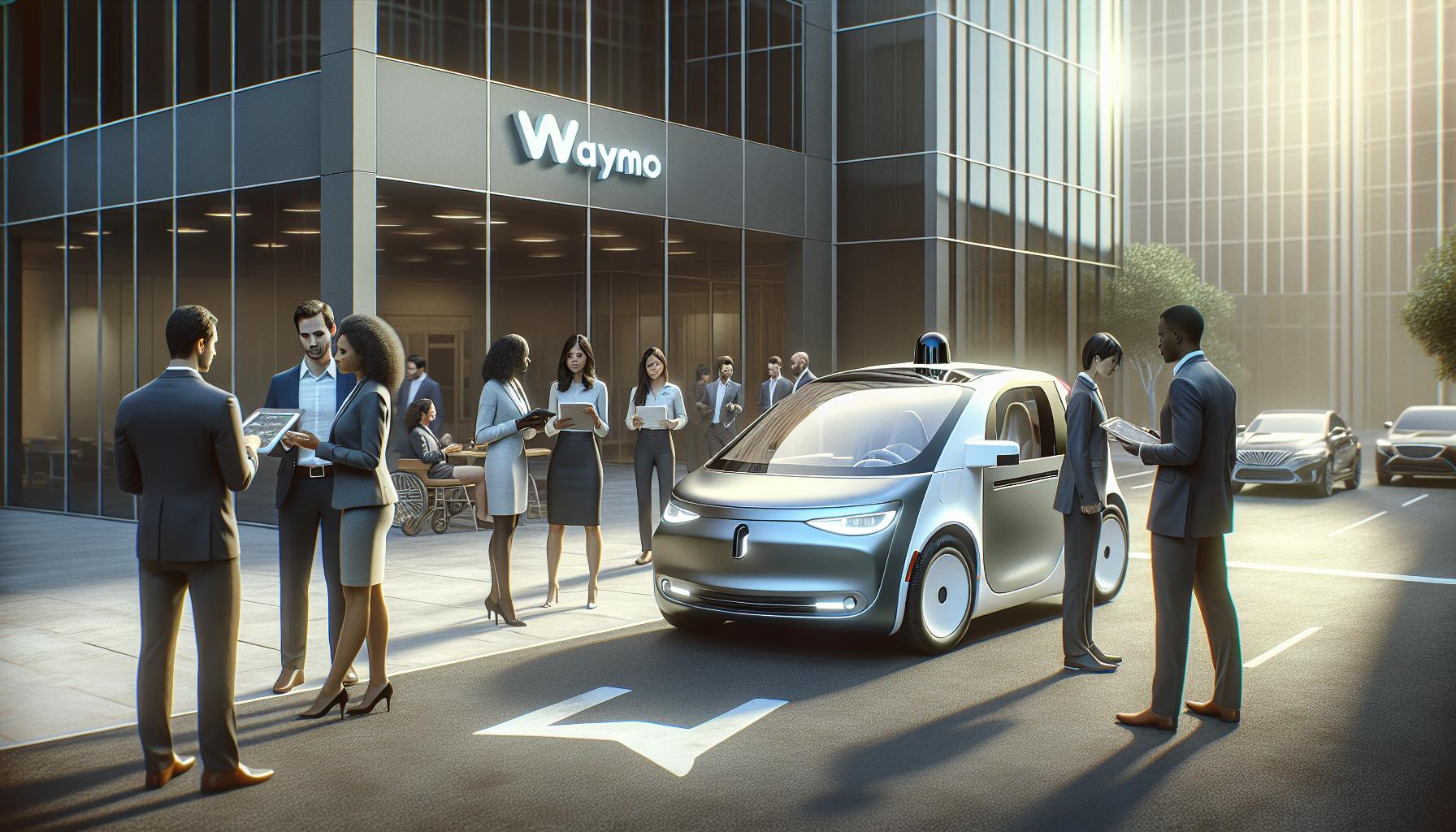
Analyzing the Financial Performance of Waymo
With the recent announcement of a $5.6 billion funding round, Waymo’s financial performance and investment trajectory are becoming increasingly relevant to potential investors. This funding, which was notably led by Alphabet but also included participation from major investors like Andreessen Horowitz and Fidelity, signifies strong market confidence in Waymo’s innovative approach to autonomous vehicles and robotaxi services. This substantial capital infusion not only underscores Waymo’s strategic significance within Alphabet but also demonstrates a clear pathway for financial growth as it aims to expand its services in major urban areas.
The financial performance of Waymo can be analyzed through several lenses. First, the company has been steadily enhancing its fleet of autonomous vehicles, which is expected to yield higher operational efficiency and profitability. Waymo’s robotaxi service has already begun operating in cities like Phoenix and San Francisco, providing valuable data that refines its technology and business model. As urban areas increasingly seek sustainable transit solutions, Waymo stands poised to capture a significant market share in the growing autonomous vehicle market, projected to be worth hundreds of billions of dollars over the next decade.
Moreover, investors interested in Waymo should consider its potential for monetization. Waymo’s ongoing innovation, particularly its advancements in AI and machine learning technologies, sets it apart from competitors. This capability not only enhances service reliability but also enables the company to efficiently manage logistics and customer interactions-key elements for generating revenue. For instance, Waymo’s use of advanced sensors and mapping tools allows it to navigate complex environments effectively, likely leading to increased ride-hailing activity and customer retention.
Lastly, understanding the broader context of Waymo’s financial health involves assessing its relationship with Alphabet. While Waymo is a private entity, its alignment with Alphabet means that its performance directly impacts the parent company’s valuation. As Alphabet looks to diversify its revenue streams beyond traditional advertising, Waymo’s success as a leader in self-driving technology may ultimately reflect positively on shareholders, reinforcing the case for investing in Alphabet stock as a strategic avenue to tap into Waymo’s prospective growth.
In conclusion, the combination of substantial recent funding, technological advancements, and strong market placement creates an optimistic outlook for Waymo’s financial performance. For investors, tracking Waymo’s progress and its integration into Alphabet’s broader strategy will be crucial for making informed investment decisions that align with advancements in self-driving technology.
Key Players in the Autonomous Vehicle Industry
The autonomous vehicle industry is teeming with players, each carving a niche that contributes to the rapid evolution of self-driving technology. As an investor eyeing Waymo-Alphabet’s autonomous driving subsidiary-it’s imperative to understand the broader landscape of key competitors and collaborators that influence market dynamics and innovation.
Among the most notable entities is Tesla, a pioneer in electric vehicles (EVs) that has aggressively developed its Autopilot and Full Self-Driving technologies. Tesla’s deep integration of software and hardware offers a unique, data-driven approach to enhancing driving autonomy. This relentless pursuit of innovation gives Tesla an edge, but also invites competition, prompting challengers like General Motors. Through its Cruise subsidiary, GM is aggressively working on urban autonomous vehicle deployment, representing a direct competitor to Waymo’s offerings.
Uber, while traditionally a ride-hailing service, has invested heavily in self-driving technology through its Advanced Technologies Group (ATG), establishing partnerships with companies like Aurora. This strategic move illustrates the increasing importance of collaboration among tech firms, automakers, and ride-hailing services in navigating the pathway to fully autonomous systems. With ongoing investments and a focus on safety and reliability, these collaborations often lead to innovative solutions that can enhance the service offerings of companies like Waymo.
The Role of Partnership and Competition
The interplay between key players is further influenced by tech companies like NVIDIA and Intel, which supply critical hardware and software solutions for self-driving systems. These tech giants provide the necessary computational power and AI capabilities essential for processing the vast amounts of data generated by autonomous vehicles. The partnerships forged between OEMs (original equipment manufacturers) and these tech players are reshaping how companies like Waymo utilize technology to differentiate themselves in the market.
Moreover, as businesses develop their own autonomous systems, regulatory compliance becomes increasingly pivotal. This environment fosters partnerships among startups, traditional automotive companies, and tech giants to ensure that vehicles meet evolving safety standards and public acceptance requirements. Understanding how these dynamics affect technological adoption and investment opportunities is crucial for investors.
As you navigate these investment waters, consider how Waymo’s unique position-backed by Alphabet’s resources and focus on real-world applications in urban environments-distinguishes it from competitors. Following developments among these key players not only enhances your understanding of market trends but also supports informed decision-making regarding potential investments in autonomous vehicle technology.
Recent Advancements in Waymo’s Technology
illustrate a pivotal shift in the development and deployment of autonomous vehicles, with its innovative approach setting a benchmark in the industry. One significant breakthrough is Waymo’s capability to conduct over 100,000 rides per week in urban environments like San Francisco, Phoenix, and Los Angeles, a feat that showcases both the reliability and scalability of its self-driving system [[1]]. This growth represents not only a technical achievement but also an enhancing customer trust in autonomous ride-hailing services, which could ultimately reflect on investment returns.
Waymo’s recent funding round of $5.6 billion, which brings its valuation to approximately $45 billion, has empowered the company to advance its technology further [[2]]. This substantial capital infusion is being allocated toward enhancing the Waymo Driver, the company’s core self-driving technology. Continued investments focus on refining artificial intelligence algorithms and integrating advanced sensor technology, enabling the vehicles to navigate complex urban environments with greater safety and efficiency. Additionally, Waymo has plans to expand its operations into Austin, Texas, and Atlanta by 2025, leveraging partnerships with established platforms like Uber to broaden its service offerings.
The company’s ongoing improvements also prioritize real-world application, essential for gaining regulatory approval and public acceptance. As part of this commitment, Waymo regularly publishes data demonstrating its safety record, reinforcing its strategy to earn the trust of both regulators and consumers [[3]]. By coupling technological innovation with rigorous safety standards and effective community engagement, Waymo positions itself as a trustworthy leader in the self-driving sector, creating numerous avenues for potential investment. As you assess potential involvement in Waymo, pay close attention to these advancements, as they not only enhance the operational framework but also provide actionable insights into the future of autonomous technology in transportation.
Navigating the Regulatory Landscape for Self-Driving Cars
is crucial for potential investors looking to understand the operational limits and risks associated with companies like Waymo. The autonomous vehicle sector operates in a complex environment of local, state, and federal regulations, which can significantly impact business strategies and expansion plans.
As Waymo continues to develop and deploy its self-driving technology, it must adhere to regulations that vary significantly by region. For instance, in California, the state has already established a comprehensive framework for autonomous vehicle testing and deployment, requiring companies to submit safety reports and obtain a permit to operate. This careful regulatory scrutiny serves as a double-edged sword: while it ensures public safety, it may also slow down the expansion of autonomous services. For investors, understanding these regulations can inform assessments of Waymo’s long-term operational capabilities and potential profitability.
Significantly, Waymo’s proactive approach to regulatory compliance has positioned it favorably among regulators and the public. The company actively publishes safety records and engages in community dialogue, aimed at building trust and promoting transparency. By consistently sharing data that demonstrates the safety and reliability of its vehicles, Waymo reinforces its commitment to responsible innovation. This not only aids in regulatory approval but can enhance market confidence, directly influencing investment potential.
Practical Steps for Investors
Investors interested in Waymo should consider the following strategies to navigate the regulatory landscape effectively:
- Stay Informed: Regularly monitor news from regulatory bodies related to self-driving technologies. This helps anticipate changes that could affect investments.
- Assess Regional Approaches: Different states and countries are at various stages of regulating autonomous vehicles. Market analysis should include regulatory environments in target markets.
- Evaluate Safety Reports: Review Waymo’s published safety data to gauge how well the company is performing relative to regulatory expectations.
- Community Engagement Insights: Understand how Waymo interacts with local communities, as public perception can influence regulatory outcomes.
By taking these steps, investors can better understand not only the risks involved in investing in Waymo but also the opportunities created by a company that is leading the way in responsible and innovative autonomous vehicle technology. As global trends increasingly favor sustainable and efficient transportation solutions, companies that navigate this regulatory maze successfully will likely emerge as leaders, offering robust investment returns.
Evaluating the Risks and Rewards of Investing in Waymo
Investing in Waymo, Alphabet’s self-driving technology arm, presents a landscape filled with both promising rewards and considerable risks. The potential for autonomous vehicles to revolutionize the transportation industry is substantial, driven by advancements in artificial intelligence, machine learning, and data analytics. With Waymo completing over 100,000 rides each week across major cities like San Francisco and Phoenix, it’s clear that the demand for such services is burgeoning, indicating a robust market opportunity for investors [3].
However, potential investors must navigate a complex web of challenges. Regulatory hurdles remain one of the most significant risks that could impact Waymo’s growth trajectory. Each state in the U.S. has its own set of regulations pertaining to the testing and deployment of autonomous vehicles, where setbacks or increased scrutiny could hinder operational expansion. Moreover, the rapidly evolving nature of technology and competition, particularly from other key players in the autonomous vehicle space, necessitates a vigilant approach to investment in Waymo [2].
When weighing the rewards against the risks, investors can adopt several strategies to position themselves advantageously. These include closely monitoring Waymo’s safety reports, which detail their operational metrics and reinforcement of public trust. Engaging in community dialogue and understanding consumer sentiment can also provide valuable insights into how regulations may evolve and affect business prospects [1]. Additionally, potential investors should keep an eye on Waymo’s rapid service expansions, such as plans to enter cities like Austin and Atlanta by 2025 under a partnership with Uber, which indicates a proactive approach to growth [3].
In summary, while the rewards of investing in Waymo could be significant given its market position and technological advancements, the associated risks rooted in regulatory environments and competitive pressures must be thoroughly evaluated. By staying informed and strategically assessing the dynamics of the autonomous vehicle industry, investors can better navigate the complexities of investing in this pioneering company.
Future Trends in Autonomous Transportation Investment
The demand for autonomous vehicle investment is accelerating at an unprecedented rate, driven largely by innovations in technology and changing consumer preferences. Notably, Waymo’s recent activities underscore that the future of autonomous transportation is not merely theoretical; it is unfolding in real-time. For investors keen to grasp where this momentum will lead, understanding the emerging trends will be crucial.
Long-Term Commitment to AI and Innovation
Waymo’s continued investment in artificial intelligence (AI) is set to redefine the landscape of autonomous transport. With $5.6 billion raised in its latest funding round, Waymo aims to enhance its robotaxi services, expanding to new cities like Austin and Atlanta while ensuring that its technology meets rigorous safety standards [[1]]. This commitment to advancement not only positions Waymo as a leader in the industry but also creates attractive opportunities for investors looking to capitalize on AI-driven solutions in mobility.
Shifts Toward Sustainable Practices
Sustainability is another significant trend influencing investment in autonomous transportation. As cities prioritize reducing emissions and traffic congestion, there is a growing need for efficient transport solutions like those offered by Waymo. Investing in autonomous vehicles aligns with broader societal goals for environmental sustainability, making it an appealing choice for impact-conscious investors. Waymo’s focus on reducing vehicle numbers on the road through shared mobility services can be a key selling point for sustainability-focused investment portfolios.
Integration with Existing Transportation Ecosystems
The integration of autonomous vehicles into existing transportation frameworks is anticipated to enhance user experience and operational efficiency. Waymo has already partnered with Uber to expand its ride-hailing services, which signifies a move towards collaborative ecosystems in urban transport [[2]]. This cooperative model can serve as a blueprint for future investments, as seamless integration can bolster user adoption rates and trust-a critical factor for the success of self-driving technologies.
As the autonomous vehicle market continues to evolve, investors should remain vigilant and adaptive. Key strategies include keeping a pulse on regulatory developments and public sentiment, leveraging data analysis to understand market dynamics, and identifying partnerships that can enhance service delivery. By embracing these trends and adapting to the shifting landscape, investors can find significant opportunities within Waymo and the broader autonomous transportation sector.
Comparative Analysis: Waymo vs. Competitors
Understanding the competitive landscape in the autonomous vehicle market is essential for investors looking to capitalize on innovations in self-driving technology. Waymo stands out due to its extensive experience, advanced technology, and strong financial backing, yet it faces considerable competition from other major players like Tesla, Cruise, and Aurora. Each competitor has unique strengths and challenges that influence their market positioning and investment potential.
Waymo distinguishes itself through its rich data repository accumulated from millions of real-world driving miles and a robust approach to safety and passenger experience. Currently, Waymo’s robotaxis complete over 100,000 rides weekly, and with recent funding of $5.6 billion, the company aims to expand its operations beyond key locations like San Francisco and Phoenix into cities like Austin and Atlanta by 2025 [[2]]. In comparison, Tesla relies on a different strategy by leveraging its existing vehicle fleet equipped with advanced driver-assistance systems and a strong consumer demand for its electric vehicles. While Tesla’s Full Self-Driving (FSD) package is highly publicized, it has faced scrutiny over safety concerns and regulatory hurdles, which could impact its investment viability.
Another significant competitor, Cruise, owned by General Motors, focuses on urban markets and aims for large-scale deployment of autonomous vehicles. Cruise’s alignment with GM’s manufacturing and distribution capabilities provides it with robust operational support, which Waymo does not have directly. In contrast, Waymo’s partnership with Uber illustrates a collaborative approach to enhancing ride-hailing services while expanding market reach. Thus, while Cruise develops a manufacturing footprint, Waymo capitalizes on its advanced software capabilities and extensive testing data.
Investors should also consider how the regulatory landscape influences each company’s growth potential. Waymo has consistently prioritized compliance and safety, positioning itself favorably in regulatory discussions, which can be advantageous in the long term. Upcoming federal and state guidelines will shape the operational frameworks for all players in the self-driving space, making it crucial to watch how these regulations unfold across the industry.
As you evaluate potential investments in this evolving sector, it is beneficial to weigh Waymo’s long-standing technological prowess and expansive ambitions against its competitors’ operational strengths and market strategies. The interplay between innovation, safety, collaboration, and regulatory adaptation will ultimately dictate which companies thrive. By understanding these dynamics, investors can make informed choices that align with their financial goals and values in the burgeoning autonomous vehicle market.
How to Integrate Waymo Investments into Your Portfolio
Investing in Waymo, Alphabet’s leading self-driving technology company, offers exciting possibilities for those looking to capitalize on the burgeoning autonomous vehicle market. With the recent $5.6 billion in funding aimed at expanding its robotaxi services, understanding the best approaches to incorporating Waymo into an investment portfolio can help both seasoned and novice investors maximize their potential returns.
One effective strategy for integrating Waymo investments is to look for opportunities directly through Alphabet Inc. (GOOGL) stock. Waymo, as a subsidiary of Alphabet, benefits from the parent company’s financial strength and technological resources, making GOOGL a more accessible option for retail investors. By purchasing shares in Alphabet, investors gain indirect exposure to Waymo’s growth trajectory without needing to invest in separate venture capital funds or private equity firms.
Allocating a Diverse Portfolio
To minimize risk while investing in innovative but volatile sectors like autonomous vehicles, consider diversifying your portfolio. Allocate a percentage of your investments to traditional sectors like healthcare or consumer goods, along with a smaller portion in growth stocks like Alphabet. A common approach is the 60/40 rule where 60% is in conservative investments and 40% in aggressive growth opportunities, such as Waymo. This strategy helps cushion against market fluctuations while still allowing for impactful gains when the market for autonomous technologies advances.
In addition, keep an eye on the automotive industry’s shifts and partnerships. For instance, Waymo’s expanded partnership with Uber to enhance ride-hailing services not only reflects its strategic growth but signifies an intertwining of investments in logistics and transportation sectors. By monitoring such collaborations and other related companies, you can identify complementary investments that align with your Waymo stake.
Staying Informed and Engaged
Investors should remain engaged with developments in the regulatory landscape affecting self-driving cars. Changes in legislation can greatly impact companies like Waymo, making them either more or less favorable for investment. Subscribing to industry reports, financial news, and following webinars or discussions focused on autonomous technology can provide valuable insights and timely information.
Investing in Waymo is not just about the technical advancements but also about aligning with broader economic trends emphasizing sustainability and innovation. The potential impact of Waymo’s services on urban transportation and logistics contributes to progressive environmental goals, which may resonate with socially responsible investment strategies. This can enhance both financial gains and personal satisfaction derived from ethical investments.
In summary, integrating investments in Waymo involves leveraging Alphabet’s stock while ensuring a well-rounded portfolio. Staying informed about industry trends and regulatory developments further strengthens investment decision-making. By approaching your investment strategy with a comprehensive and adaptive mindset, you can position yourself to benefit from the exciting future of autonomous transportation.
Real-World Case Studies of Waymo’s Impact
Waymo’s journey in autonomous driving has sparked considerable interest in urban mobility and investment opportunities. The company’s real-world impact can be illustrated through several case studies that demonstrate not only the technological advances but also the broader social and economic implications of its services.
In San Francisco, Waymo’s robotaxi service has transformed commuting patterns for city residents. By offering over 100,000 rides per week, it has provided a reliable alternative to personal vehicle ownership and traditional ride-hailing options. Customers report decreased wait times and improved accessibility to areas that were previously underserved by public transport. This shift suggests that Waymo’s technology can reduce traffic congestion while promoting a more sustainable urban environment. Investors might consider the positive externalities of such transformations, which could drive demand for more autonomous services and increase the valuation of companies like Waymo.
Another striking example comes from Waymo’s operations in Phoenix, Arizona, where the company initially launched its fully autonomous taxi service. The introduction of this service has had a measurable impact on local economic activity. Reports indicate that local businesses near deployment areas have experienced increased foot traffic, attributable to Waymo users visiting restaurants and shops after their rides. This creates a cycle of economic stimulation, reinforcing the potential for autonomous vehicles to contribute significantly to local economies. Investors can look at these trends as indicators of how autonomous transportation could reshape market dynamics while opening up opportunities for collaboration with other sectors.
Waymo’s recent partnership with Uber to expand its services into cities like Austin and Atlanta exemplifies its strategy to cross-pollinate markets and technologies. This collaboration not only enhances ride-hailing offerings but also positions both companies to leverage each other’s strengths in a competitive landscape. For investors, such partnerships deepen the potential for innovation and market penetration, aligning with growing consumer demand for efficient, tech-driven transportation solutions.
In summary, the case studies surrounding Waymo illustrate the profound impact autonomous vehicle technology is poised to have on urban transportation, economic vitality, and consumer behavior. By understanding these dynamics, investors can better evaluate how Waymo fits within the larger context of the evolving mobility landscape, leading to smarter investment decisions that align with both economic potential and societal benefits.
Frequently asked questions
Q: How can you invest in Waymo?
A: Currently, you cannot directly invest in Waymo as it is a private company and has no publicly traded stock. However, you can monitor its developments and seek investment opportunities through funds or companies that have partnerships with Waymo. Keep an eye on future IPO announcements as well.
Q: When might Waymo go public?
A: Waymo has not publicly announced any IPO plans, and predictions are speculative at this point. The timeline for an IPO could depend on market conditions, investor interest, and Waymo’s operational growth. Regularly check financial news for updates.
Q: What are the risks of investing in autonomous vehicle technology like Waymo?
A: Investing in autonomous vehicle technology carries risks including technological uncertainty, regulatory hurdles, and competition. Market demand for self-driving cars and potential safety issues can also impact financial returns. It’s essential to perform thorough due diligence.
Q: What other companies are investing in self-driving technology similar to Waymo?
A: Several companies, including Tesla, Cruise, and Aurora, are actively investing in autonomous vehicle technology. Each company has unique approaches and technologies, making it important to analyze their strategies before investing in any related stock or fund.
Q: How does Waymo’s funding affect future investment opportunities?
A: Waymo’s recent funding round, raising $5.6 billion, indicates strong investor confidence and could lead to expanded operations and innovations. This influx of capital may enhance Waymo’s market position, potentially creating investment opportunities in related sectors.
Q: What should I look for in an investment in self-driving technology companies?
A: Look for companies with strong technological foundations, strategic partnerships, regulatory approvals, and solid financial backing. Assess their market potential and track record in innovation; these factors can signal future success in the competitive autonomous vehicle industry.
Q: How do advancements in Waymo’s technology influence market trends?
A: Advancements in Waymo’s technology can set benchmarks for the industry, influencing competitors and investors. Innovations may lead to increased consumer acceptance, more partnerships, and expanded use cases, impacting stock performance and investment interest in self-driving tech.
Q: Can I invest in companies partnering with Waymo?
A: Yes, investing in companies that have partnerships with Waymo can provide indirect exposure. Look for companies in sectors like automotive, technology, and logistics that are collaborating with Waymo or utilizing its technology to benefit from the growth in autonomous transportation.
Insights and Conclusions
Investing in Waymo represents an exciting opportunity at the forefront of self-driving technology, promising not just financial returns but also a chance to shape the future of transportation. As you consider your next steps, explore related insights on electric vehicle innovations and sustainable investment strategies to fortify your portfolio. Don’t miss out; subscribe to our newsletter for expert analysis and stay updated on industry trends that influence your investment decisions.
If you still have questions about investing in emerging tech or need personalized guidance, check out our consultation services or explore our comprehensive guide on tech investments. Engaging with these resources will empower you to navigate the evolving landscape with confidence. Remember, every informed decision today can pave the way for a sustainable tomorrow. Share your thoughts in the comments below – your perspective could inspire someone else on their investment journey!