Did you know that the Earth’s temperature has risen by about 1.2 degrees Celsius since the late 19th century? This significant change, driven primarily by human activities such as burning fossil fuels, has profound effects on our climate. Understanding climate and climate change is crucial not only for scientists but for everyone, as it influences our weather patterns, ecosystems, and even our daily lives. In this piece, we will explore the key concepts surrounding climate change, its causes, and its impacts, empowering you to recognize the importance of this global challenge. As we delve deeper, you’ll discover actionable insights and real-world examples that highlight our role in mitigating these changes. Together, we can harness this knowledge to foster a more sustainable future and contribute to meaningful solutions. Are you ready to explore the vital connection between our actions and the world around us?
Understanding Climate: Definitions and Key Concepts
Understanding climate and climate change requires grasping foundational concepts that explain how our planet’s climate system operates and the profound shifts affecting it. The term “climate” refers to long-term patterns of temperature, humidity, wind, and precipitation in a given area, typically observed over decades or longer. It differs from “weather,” which describes short-term atmospheric conditions. Recognizing this distinction is crucial, as climate change represents shifts that may occur over long periods, rather than brief weather variations.
At the heart of climate change is the greenhouse effect-a natural process where certain gases in Earth’s atmosphere, such as carbon dioxide and methane, trap heat from the sun. This process is essential for maintaining a habitable temperature on Earth. However, human activities, particularly through the burning of fossil fuels and deforestation, are significantly enhancing this effect by releasing increased amounts of these gases. In fact, recent reports highlight alarming trends, such as a record jump in carbon dioxide levels attributed partly to wildfires and other emissions-related incidents, underscoring the urgency for recognition and action in addressing climate challenges [[3]].
To navigate the complexities of climate change, it’s essential to understand its multifaceted impacts, which span ecological, economic, and social dimensions. Ecosystems are feeling the strain as rising temperatures alter habitats, leading to shifts in biodiversity. For instance, changes in climate are causing fish populations to migrate to cooler waters, significantly impacting fishing industries and local economies dependent on marine life. This underscores the interconnectedness of climate and socioeconomic factors.
Addressing climate change involves collaborative global efforts, such as international agreements aimed at reducing greenhouse gas emissions. The withdrawal of the U.S. from commitments like the Paris Agreement has influenced the global landscape for climate action, necessitating a deeper inquiry into how different nations can manage their energy needs while contributing to the wider goal of environmental sustainability [[2]]. As we move forward, staying informed and proactive about these defining concepts not only equips individuals and communities for meaningful action but also provides the knowledge needed to advocate for effective policies that can help mitigate the challenges posed by a changing climate.
The Science of Climate Change: Mechanisms and Causes
The complex science behind climate change revolves around interactions within Earth’s systems, primarily through the greenhouse effect, which is accelerated by human activities. This effect is essential for maintaining the planet’s temperature; however, excessive levels of greenhouse gases, like carbon dioxide (CO₂) and methane (CH₄), are now being released into the atmosphere due to industrial processes, deforestation, and fossil fuel combustion. For instance, a recent surge in CO₂ levels highlights the urgency of recognizing the human impact on our climate system. In October 2025, atmospheric CO₂ concentrations reached a record high, indicating the urgent need for collective action to mitigate further emissions [[3]].
As these gases accumulate, they form a thick blanket around the Earth, trapping heat and causing global temperatures to rise. This warming influences weather patterns, leading to more extreme events like hurricanes, droughts, and floods. For example, warmer oceans fuel more intense storms, significantly impacting coastal communities and ecosystems. Moreover, higher temperatures can disrupt freshwater supplies by altering precipitation patterns, leading to both drought in some regions and flooding in others [[1]].
Understanding the mechanisms that drive climate change is critical for developing effective strategies to address its impacts. Awareness of these processes encourages individuals and organizations to shift toward more sustainable practices. For instance, reducing energy consumption, supporting renewable energy projects, and advocating for policies that curb fossil fuel use can all contribute to lowering our collective carbon footprint.
Active participation in sustainability efforts not only mitigates climate change but also promotes a healthier environment and economy. Engaging with local initiatives-like tree planting or promoting local food production-can enhance resilience in communities while fostering a sense of stewardship for the planet. By understanding the science behind climate change, individuals can better appreciate their role in the solution, driving forward a dialogue that inspires collective action for a sustainable future.
The Impact of Climate Change on Different Ecosystems
The ripple effects of climate change on ecosystems span across the globe, fundamentally altering habitats and the species that inhabit them. As temperatures rise and precipitation patterns shift, various ecosystems-ranging from coral reefs and forests to polar regions-face unprecedented challenges. For instance, warming oceans lead to coral bleaching, a phenomenon that threatens the very foundation of marine biodiversity. When water temperatures exceed the tolerance levels of corals, they expel the algae that provide them with nutrients, resulting in the death of these vital organisms. The loss of coral reefs not only impacts marine life but also jeopardizes coastal communities that rely on them for food and protection against storms.
Effects on Terrestrial Ecosystems
Terrestrial ecosystems are similarly vulnerable. The increase in average temperatures affects plant growth cycles, potentially resulting in mismatches between species and their environments. For example, warmer temperatures may cause some plant species to bloom earlier, disrupting the food supply for insects and herbivores that depend on these plants at specific times of the year. Moreover, biodiversity loss can trigger cascading effects throughout the food web. A prime example is the impact on pollinators; as flowers bloom earlier in warmer temperatures, pollinators may not coincide with their peak availability, leading to significant declines in both plant and insect populations.
Impact on Freshwater Systems
Freshwater ecosystems are also under threat, as climate change alters the timing and volume of river flows. In many regions, increased rainfall and melting snow can lead to flooding, while in others, drought conditions become more frequent. These shifts can disrupt aquatic habitats, affecting fish populations and the overall health of these ecosystems. For instance, salmon rely on specific spawning conditions that may be disrupted by altered temperatures and water flows, ultimately affecting their reproductive success and survival.
Strategies for Ecosystem Resilience
To combat the adverse effects of climate change on ecosystems, several strategies can be employed. Conservation efforts, such as establishing protected areas and restoring degraded habitats, can enhance ecosystem resilience. Additionally, promoting biodiversity by allowing natural processes to occur helps ecosystems adapt to changing conditions. Individuals can contribute by participating in local conservation projects, supporting sustainable land-use practices, and advocating for policies aimed at reducing greenhouse gas emissions.
In conclusion, the impacts of climate change on ecosystems are profound and far-reaching. Protecting these natural systems is not only crucial for the survival of countless species but also for maintaining the ecological balance that supports human life. Engaging in solutions and fostering a collaborative approach to environmental stewardship can help safeguard the future of our planet’s ecosystems.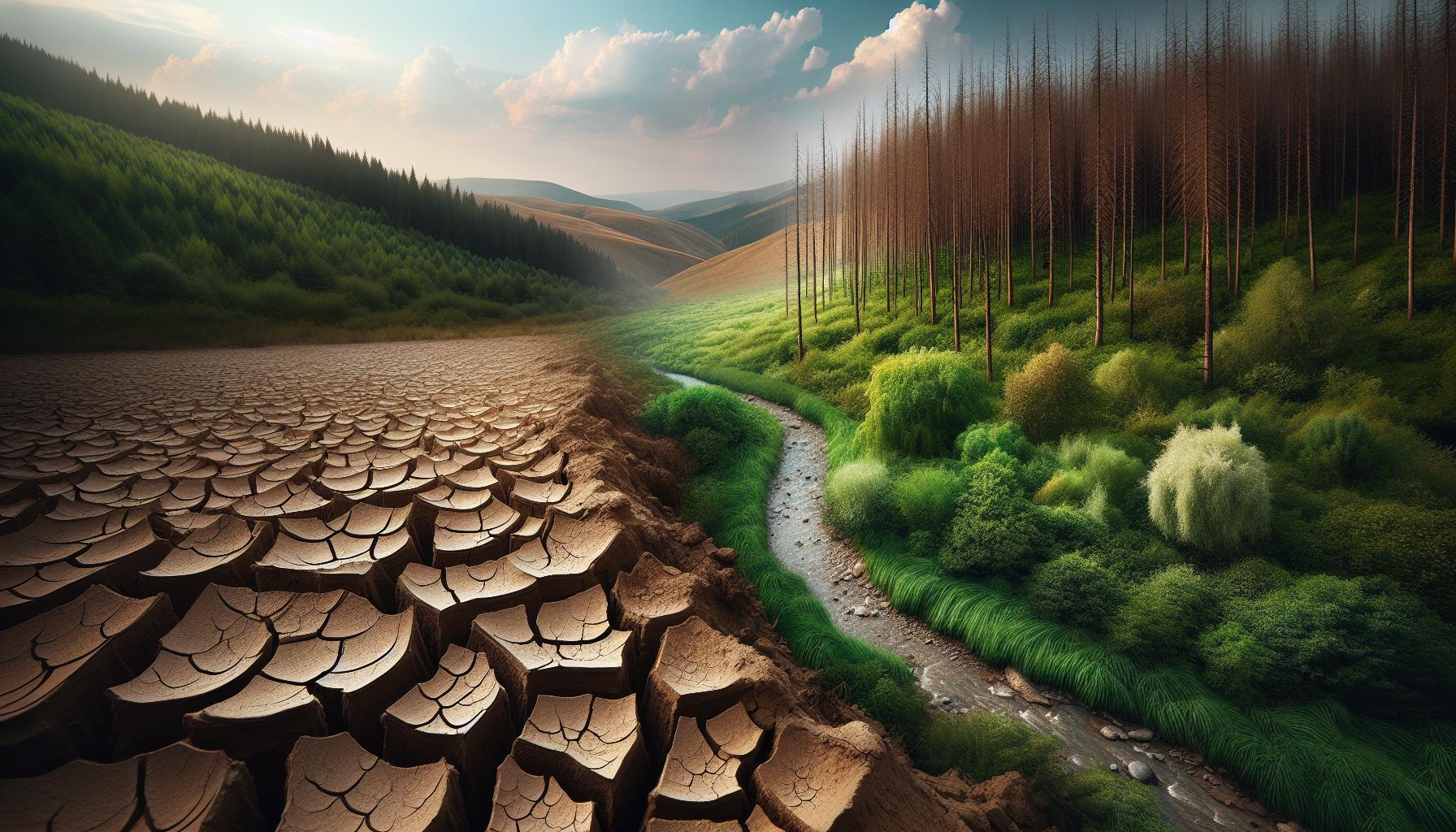
Climate Change Effects: What Does the Data Say?
Climate change is not a distant threat; its impacts are already evident and quantifiable, with escalating consequences for both nature and human societies. A notable example comes from an analysis conducted by the World Health Organization, projecting that climate change will lead to an additional 250,000 deaths annually between 2030 and 2050 due to malnutrition, heat stress, and vector-borne diseases [[1]]. Such staggering statistics illustrate the urgent need for action and reflection on the broader implications of our changing climate.
One critical area of concern is the increase in extreme weather events. Data indicates that regions are experiencing heightened frequencies of severe droughts and intense flooding, showcasing the shifting climate dynamics. For instance, the Intergovernmental Panel on Climate Change (IPCC) has reported that the intensity and duration of heatwaves are projected to increase, putting immense pressure on agriculture, water supply, and public health [[2]]. Communities that rely heavily on agriculture face the dual threat of decreased yields due to drought and crop loss from flooding, inciting food insecurity and economic instability.
Furthermore, the impact of climate change extends to ecosystems, evidenced by altered species distributions and disruptions in migration patterns. For example, rising sea levels and ocean temperatures have resulted in coral bleaching, which threatens marine biodiversity and the livelihoods of coastal communities [[3]]. As these ecosystems deteriorate, they compromise essential services, such as fisheries and natural coastal protection, amplifying the socio-economic challenges faced by these communities.
In summary, the data reflecting the effects of climate change reveal a complex web of challenges that cut across human health, food security, and ecosystem integrity. Addressing these issues requires a collaborative approach that combines conservation efforts, innovative solutions, and policies aimed at reducing greenhouse gas emissions-steps that are crucial in mitigating these profound impacts and fostering resilience in our planet’s systems.
Current Global Initiatives Against Climate Change
Global efforts to combat climate change are becoming more vital as the consequences of inaction become increasingly severe. Around the world, nations, organizations, and communities are collaborating through various initiatives aimed at reducing carbon emissions and promoting sustainable practices. These initiatives not only address climate change but also enhance resilience, foster economic growth, and promote social equity.
International Coalitions and Agreements
One of the most significant global frameworks is the Paris Agreement, adopted by nearly every nation in 2015. This treaty aims to limit global warming to well below 2 degrees Celsius above pre-industrial levels, with aspirations to limit the increase to 1.5 degrees. Countries are required to set their own climate targets, known as Nationally Determined Contributions (NDCs), and to communicate their progress regularly. This peer-driven accountability mechanism encourages nations to ramp up their ambitions over time.
In addition to government efforts, organizations like the Coalition of Finance Ministers for Climate Action are bringing together policymakers from over 60 countries, representing around 40% of global emissions. This coalition emphasizes the necessity of creating jobs through green investments and shifting fiscal policies to support climate-friendly transitions. Their collective ambition centers on integrating climate considerations into national financial planning and promoting sustainable development across sectors [[3]].
Regional and Local Initiatives
On a more localized scale, initiatives such as the Wisconsin Initiative on Climate Change Impacts (WICCI) focus on evaluating climate impacts specific to regions and communities. WICCI combines scientific research with stakeholder input to foster actionable solutions tailored to the unique challenges faced by Wisconsin’s ecosystems and economies. This collaboration exemplifies how localized efforts can lead to meaningful change when informed by scientific expertise and community engagement [[1]].
Additionally, the Minnesota Pollution Control Agency has established a Climate Action Framework that sets specific targets for reducing greenhouse gas emissions-aiming for a 50% reduction by 2030 and achieving net-zero by 2050. The framework embodies a comprehensive approach by integrating climate mitigation strategies while also maintaining a focus on energy reliability and affordability [[2]].
Impact and Future Directions
These initiatives reflect a growing recognition of the interconnectedness of climate action with socio-economic prosperity. By prioritizing investment in renewable energy, enhancing energy efficiency, and promoting sustainable practices, these global efforts are paving the way for a more resilient future. It is essential for individuals, communities, and governments to stay informed and engaged in these initiatives, taking proactive steps in their personal and professional lives to contribute to the collective goal of mitigating climate change and adapting to its unavoidable consequences.
Climate Change and Its Socioeconomic Impacts
The effects of climate change are not just environmental; they extend deeply into economic and social realms, influencing nearly every aspect of life globally. According to research, adverse effects such as increased poverty, food insecurity, and economic instability often disproportionately impact vulnerable communities. Climate change exacerbates existing inequalities, making it a pressing socioeconomic issue that requires holistic solutions.
One vivid illustration of this impact can be seen in the agricultural sector, particularly in developing countries. Farmers reliant on consistent weather patterns face unpredictable storms, droughts, and shifting climates that reduce yields and threaten livelihoods. As agricultural productivity decreases, so does the income of rural populations, leading to malnutrition and increased poverty. In regions already struggling with socioeconomic challenges, these factors can create a vicious cycle that traps communities in hardship [[1]](https://www.sciencedirect.com/science/article/pii/S2405844024111656).
Furthermore, rising temperatures and extreme weather events can cause significant economic losses across various sectors. Infrastructure damage from hurricanes or floods not only disrupts daily life but also creates immense costs for repairing public utilities and homes. Cities with higher poverty rates are particularly vulnerable, lacking the resources to recover swiftly from such disasters. For example, studies indicate that low-income neighborhoods often suffer the most during heatwaves, leading to health crises and increased healthcare costs, thereby tightening the grip of socioeconomic disadvantage [[2]](https://www.ametsoc.org/ams/policy/studies-analysis/the-intersection-of-socioeconomic-status-climate-change-risks-hazards-in-the-united-states-great-lakes-region-an-intern-report/).
To combat these challenges, it is crucial to integrate climate considerations into financial planning and policy making. By investing in sustainable practices and developing resilient infrastructure, governments can not only mitigate the negative impacts of climate change but also promote economic growth and social equity. For instance, renewable energy initiatives have the potential to create jobs while reducing greenhouse gas emissions, illustrating that environmental sustainability can coincide with economic advancement.
Ultimately, the interplay between climate change and socioeconomic factors underscores the necessity for comprehensive strategies that address both ecological and human well-being. Solutions require collaboration across sectors, empowering individuals and communities to partake in a shared vision of resilience and sustainability.
The Role of Renewable Energy in Mitigating Climate Change
Transitioning to renewable energy sources is crucial in the fight against climate change, as it directly addresses the primary driver of global warming: greenhouse gas emissions. In 2021, the International Energy Agency reported that CO2 emissions from fossil fuels reached an alarming record, underscoring the urgent need for cleaner energy solutions. Renewable energy, which comprises solar, wind, hydroelectric, and geothermal power, offers a sustainable alternative that can significantly reduce harmful emissions while providing economic benefits.
Economic Opportunities Through Renewable Energy
Investing in renewable energy not only mitigates climate change but also fosters economic growth. For instance, the renewable energy sector has proven to create more jobs per unit of electricity generated compared to fossil fuels. According to data from the International Renewable Energy Agency, the global renewable energy workforce exceeded 11 million jobs in 2018 and continues to grow. This shift towards sustainable energy sources encourages innovation, offers new career paths, and promotes local economic development.
How Renewable Energy Can Mitigate Climate Change
The mechanisms by which renewable energy contributes to climate mitigation are multifaceted:
- Reduction of Greenhouse Gas Emissions: Unlike fossil fuels, renewable energy sources emit little to no greenhouse gases during operation. For example, solar and wind power produce energy without the direct emissions associated with coal or natural gas.
- Decentralization of Energy Production: Renewable energy can be harnessed locally, reducing dependence on centralized fossil fuel sources and enhancing energy security. This decentralization allows communities to become more resilient and less vulnerable to energy price fluctuations.
- Conservation of Resources: Utilizing renewable energy reduces the need for resource-intensive fossil fuel extraction, preserving ecosystems and biodiversity. For instance, wind turbines and solar panels require significantly less land and water than coal or gas plants.
Real-World Success Stories
Countries worldwide are reaping the benefits of transitioning to renewable energy. Denmark, for instance, generates over 47% of its electricity from wind power, showcasing a model for effective integration of renewables into national energy grids. Similarly, Costa Rica achieved 99% of its electricity from renewable sources in 2020, demonstrating that a shift toward sustainability is both feasible and beneficial.
By prioritizing renewable energy, we not only combat climate change but also pave the way for a sustainable and equitable future. Policymakers, businesses, and individuals alike can play a pivotal role by supporting renewable initiatives, adopting clean energy solutions, and advocating for legislative changes that promote sustainability. Together, these efforts can build a resilient economy that thrives within the planet’s ecological limits, ensuring a healthier world for generations to come.
Personal Responsibility: How You Can Combat Climate Change
Every small change in our daily habits can contribute to combating climate change, highlighting the profound impact of personal responsibility in this global crisis. For instance, studies reveal that individual actions, such as reducing meat consumption, can significantly lower greenhouse gas emissions. The Food and Agriculture Organization of the United Nations points out that livestock farming contributes more to climate change than all the world’s cars and trucks combined. By opting for plant-based meals, individuals can lower their carbon footprints while fostering a healthier lifestyle.
Making conscious choices in energy consumption is another vital aspect of individual responsibility. Simple adjustments can lead to substantial reductions in energy use. Switching to energy-efficient appliances, turning off lights when leaving a room, or utilizing smart home devices can help minimize electricity consumption. Moreover, considering renewable energy options for home electricity-such as solar panels-can not only decrease reliance on fossil fuels but also provide long-term financial savings.
The transportation sector is a major contributor to carbon emissions, making it imperative for individuals to rethink their commuting habits. Carpooling, using public transportation, biking, or walking when possible can significantly reduce personal carbon footprints. Furthermore, the rise of electric vehicles (EVs) presents an exciting opportunity. These cars produce zero emissions at the tailpipe and can be charged with renewable energy, thereby playing a role in a cleaner future.
Staying informed and advocating for change is equally crucial. Individuals can take part in community initiatives, support eco-friendly businesses, and engage in conversations about sustainable practices to amplify their impact. Volunteering for local environmental organizations or participating in climate marches can also help raise awareness and mobilize others to take action. When citizens collectively demand stronger policies for sustainability, we pave the way for systemic change that benefits both people and the planet.
In summary, while climate change may seem like a daunting problem, the power to drive meaningful change lies within each individual. By making informed choices daily and inspiring others to do the same, we can collectively tackle this global challenge and safeguard our environment for future generations.
Policy Responses: Government Actions on Climate Change
Government action plays a crucial role in the response to climate change, and an array of strategies is being implemented worldwide to confront this pressing challenge. Effective policy frameworks can not only curb greenhouse gas emissions but also enhance the resilience of communities against the inevitable impacts of climate change. Governments are increasingly embracing flexible, market-based approaches to sustainability that facilitate innovation while promoting economic growth and environmental sustainability.
One effective measure adopted by various governments is the implementation of carbon pricing mechanisms, such as carbon taxes and cap-and-trade systems. These policies hold polluters accountable for their greenhouse gas emissions, incentivizing businesses to reduce their carbon footprints. For instance, Sweden’s introduction of a national carbon tax in 1991 has led to a reduction of greenhouse gas emissions by approximately 27%, demonstrating that economic strategies can align profit motives with environmental responsibilities. Simultaneously, clean energy standards have been enacted in about two-thirds of U.S. states, mandating utility companies to source a certain percentage of their electricity from renewable energy, thus promoting the transition to greener energy sources.
In addition to market-based strategies, governments are also focusing on adaptation policies to enhance community resilience. These policies include investing in infrastructure to withstand extreme weather events, improving water management systems, and promoting sustainable agricultural practices. For example, cities are re-evaluating their zoning laws and building codes to increase climate resilience, while agricultural programs are being reassessed to ensure food security under changing climate conditions.
While significant progress has been made, the scope of climate change demands an acceleration of these efforts. Strong engagement from both public and private sectors, along with active citizen involvement, is vital. By fostering a culture of advocacy and responsibility, individuals can influence decision-makers to prioritize sustainable practices. Collective action, supported by transparent policies and a commitment to transparency, paves the way for a comprehensive, multi-sector response to climate change that is both effective and equitable. The change that is required is profound, but with informed policies and citizen engagement, a sustainable future is attainable.
Youth Activism: Changing the Narrative on Climate
In an era where the effects of climate change are becoming increasingly undeniable, youth activism has emerged as a powerful force driving change and reframing the climate narrative. Young activists are not just raising awareness; they are demanding action from governments and corporations alike, pushing for policies that prioritize sustainability and environmental justice. This passion and urgency have mobilized millions, manifesting in movements like Fridays for Future and Zero Hour, where youth are central to the conversation about our planet’s future.
One of the remarkable aspects of youth-led movements is their ability to blend science with creativity and activism. They utilize social media platforms to amplify their messages, organize events, and share critical information about climate change. For instance, activists like Greta Thunberg have harnessed the power of digital communication to reach international audiences, making climate issues accessible and relatable. By creating inclusive spaces around climate discussions, young people have shown that everyone has a stake in the planet’s future, not just policymakers or scientists.
Moreover, youth activism is grounded in a strong sense of justice. Many young activists argue that those who have contributed least to climate change-such as low-income communities and developing nations-are often the most affected. This perspective shifts the narrative from one of guilt and blame to one of solidarity and action. Initiatives led by organizations like Earth Uprising focus on equipping young people with the resources they need to educate themselves and their peers on the climate crisis, fostering a generation of informed advocates who can engage in meaningful dialogue and action.
Practical steps for individuals looking to support youth activism include participating in local climate initiatives, educating others about climate issues, and advocating for policies that prioritize environmental sustainability. By standing with youth activists, everyone can contribute to the momentum needed to combat climate change effectively. The unique ability of young people to unite others and highlight the urgency of the climate crisis makes this generation pivotal in shaping a sustainable future. Engaging with their work not only amplifies their efforts but also ignites a collective responsibility among all citizens to uphold the values of stewardship and justice in relation to our planet.
Future Projections: What Lies Ahead for Our Planet
The future of our planet hangs in the balance, shaped by the choices we make today and the actions we take in response to climate change. Current projections suggest that if greenhouse gas emissions continue on their current trajectory, we could see an increase in global temperatures by 1.5 degrees Celsius above pre-industrial levels as early as 2030. This threshold is critical, as exceeding it may lead to irreversible changes in the climate system, resulting in severe weather patterns, rising sea levels, and significant biological and ecological disruptions.
Climate models indicate that the consequences of unchecked climate change will likely be profound and far-reaching. For instance, regions that already experience heatwaves could see a doubling in their frequency, causing widespread health crises, particularly in vulnerable populations. As glaciers and ice sheets continue to melt, coastal cities face the threat of flooding, while agricultural zones may shift, impacting food security globally. Addressing these projections requires urgent action from all sectors, especially as populations increase and urbanize.
To combat this impending crisis, a multi-faceted approach is necessary. Governments must implement policies that drastically reduce carbon emissions, transition to renewable energy sources, and invest in climate-resilient infrastructure. Individuals can play their part by adopting more sustainable practices in their daily lives-such as reducing waste, conserving energy, and supporting local, eco-friendly businesses.
Engaging with community initiatives and advocating for systemic changes can amplify individual efforts. Collective action from grassroots movements can pressure leaders to prioritize sustainability and climate justice in policy-making. Future projections illustrate not just challenges but also opportunities for innovation and collaboration in the face of adversity. By exploring technologies like carbon capture, sustainable agriculture, and renewable energy, we can not only mitigate the impacts of climate change but also forge a path towards a more equitable and sustainable future for all.
Resources for Further Learning on Climate Change
The issue of climate change is one of the most pressing challenges of our time. It affects every corner of the globe, and understanding its complexities is crucial for effective action. For those eager to delve deeper into climate science, policy, and personal responsibility, a wealth of resources is available. Engaging with these materials can empower individuals and communities to contribute meaningfully to the fight against climate change.
Online Courses and Educational Platforms
Many platforms offer free or affordable courses on climate change. Websites like Coursera, edX, and FutureLearn provide access to lectures from renowned universities covering various aspects of climate science, policy, and solutions. For instance, MIT’s “Global Warming Science” course offers insights into the scientific basis for climate change and the potential impacts on ecosystems and human systems. These courses often include interactive elements, allowing learners to engage more profoundly with the material.
Books and Publications
Books remain a powerful medium for deepening our understanding of climate issues. Titles like “The Uninhabitable Earth” by David Wallace-Wells provide a stark overview of the potential consequences of climate change, while “This Changes Everything” by Naomi Klein discusses the economic implications of the climate crisis and the need for systemic change. Moreover, scientific journals such as “Nature Climate Change” and reports from the Intergovernmental Panel on Climate Change (IPCC) offer data-driven insights that can be crucial for understanding the current climate landscape.
Interactive Tools and Data Resources
Websites like NASA’s Climate Change portal and the Global Carbon Project provide interactive tools and extensive datasets that track climate changes over time. These resources offer valuable visualizations that can make complex data more accessible. For example, the Climate Time Machine tool from NASA allows users to visualize changes in global temperature, sea ice, and carbon dioxide levels over time, providing a clear picture of human impact on the planet.
Community and Youth Initiatives
Staying informed through local initiatives and youth movements can also be immensely beneficial. Websites like “350.org” and “Fridays for Future” highlight grassroots movements that focus on activism and community engagement. These organizations often offer resources for getting involved, ranging from local climate strikes to educational workshops that aim to inspire action against climate change. Connecting with such communities fosters a sense of belonging and shared purpose, crucial for sustained engagement.
By leveraging these diverse resources, individuals can enrich their understanding of climate change and identify actionable steps to champion sustainability within their communities. Whether through online education, impactful reading, engaging with interactive data tools, or joining local initiatives, each effort contributes to a larger movement towards a healthier planet.
Q&A
Q: What is the current understanding of climate change according to the IPCC?
A: The Intergovernmental Panel on Climate Change (IPCC) has established that human activities are significantly influencing climate, causing global warming of approximately 0.95-1.20°C since the late 1800s. This knowledge has evolved through extensive research and better climate models [1].
Q: Why are the poorest nations affected first by climate change?
A: Poorer nations are often more vulnerable to climate change due to limited resources and infrastructure to adapt. They contribute less to carbon emissions yet face severe impacts, highlighting a disparity in climate justice [2].
Q: How does climate change impact ecosystems?
A: Climate change leads to altered habitats and species distributions, affecting biodiversity. For example, rising temperatures can cause species to migrate, disrupting existing ecosystems and food chains [3].
Q: What are the major global initiatives targeting climate change?
A: Current initiatives include the Paris Agreement, which sets goals to limit global warming, and frameworks aiming to triple renewable energy use by 2030, emphasizing a transition towards sustainable energy solutions [2].
Q: How can individuals contribute to combating climate change?
A: Individuals can combat climate change by reducing energy consumption, supporting renewable energy, practicing sustainable transportation, and advocating for policies that promote environmental sustainability [3].
Q: What role does renewable energy play in addressing climate change?
A: Renewable energy sources like solar and wind significantly reduce dependence on fossil fuels, thereby lowering greenhouse gas emissions. This transition is crucial for meeting international climate targets and achieving sustainability [2].
Q: What are the socioeconomic impacts of climate change?
A: Climate change exacerbates poverty, reduces food security, and increases health risks, particularly in vulnerable populations. Effective strategies must address both environmental and social challenges to mitigate these impacts [3].
Q: How is youth activism influencing climate policies?
A: Youth activism has brought significant attention to climate issues, urging policymakers to act decisively. Movements led by young people stress the urgency of addressing climate change and inspire collective action for sustainable futures [1].
Concluding Remarks
As we wrap up our exploration of “What Are Climate & Climate Change Newsela Answer Key,” it’s crucial to understand that the fight against climate change is ongoing and requires your active participation. With renewables beginning to outpace coal generation, the transition toward sustainable energy is not just possible-it’s happening now. Don’t miss the opportunity to stay informed about the latest climate developments, like the implications of cutting-edge climate science or federal policy changes affecting climate risk planning.
Explore our related articles on renewable energy advancements and groundbreaking climate strategies to deepen your understanding. Join our newsletter today to receive timely updates and insights that empower you to take informed actions in the climate fight! Remember, every small step contributes to a larger impact. Share your thoughts or questions with us in the comments below, and let’s keep this vital conversation going. Your journey toward climate awareness doesn’t end here; it’s just the beginning.
Get our latest guides, news, and insights highlighted in your Google Search & AI Overviews.