

Did you know that Earth’s average temperature has risen approximately 1.2 degrees Celsius since the late 19th century, primarily due to human activities? Understanding the causes and effects of global climate change is vital, as it not only affects our environment but also impacts economic stability, public health, and future generations. This phenomenon results from a combination of natural processes and anthropogenic factors, like the burning of fossil fuels and deforestation, leading to significant changes in weather patterns. We depend on a stable climate for food security, clean water, and biodiversity; disruptions can therefore have catastrophic consequences for communities worldwide. In the following sections, we will dive deeper into the key drivers of climate change and explore its far-reaching effects, equipping you with the knowledge needed to advocate for solutions that can mitigate these challenges. Join us on this journey to understand how we can collectively address one of the most pressing issues of our time.
Causes of Global Climate Change: An Overview
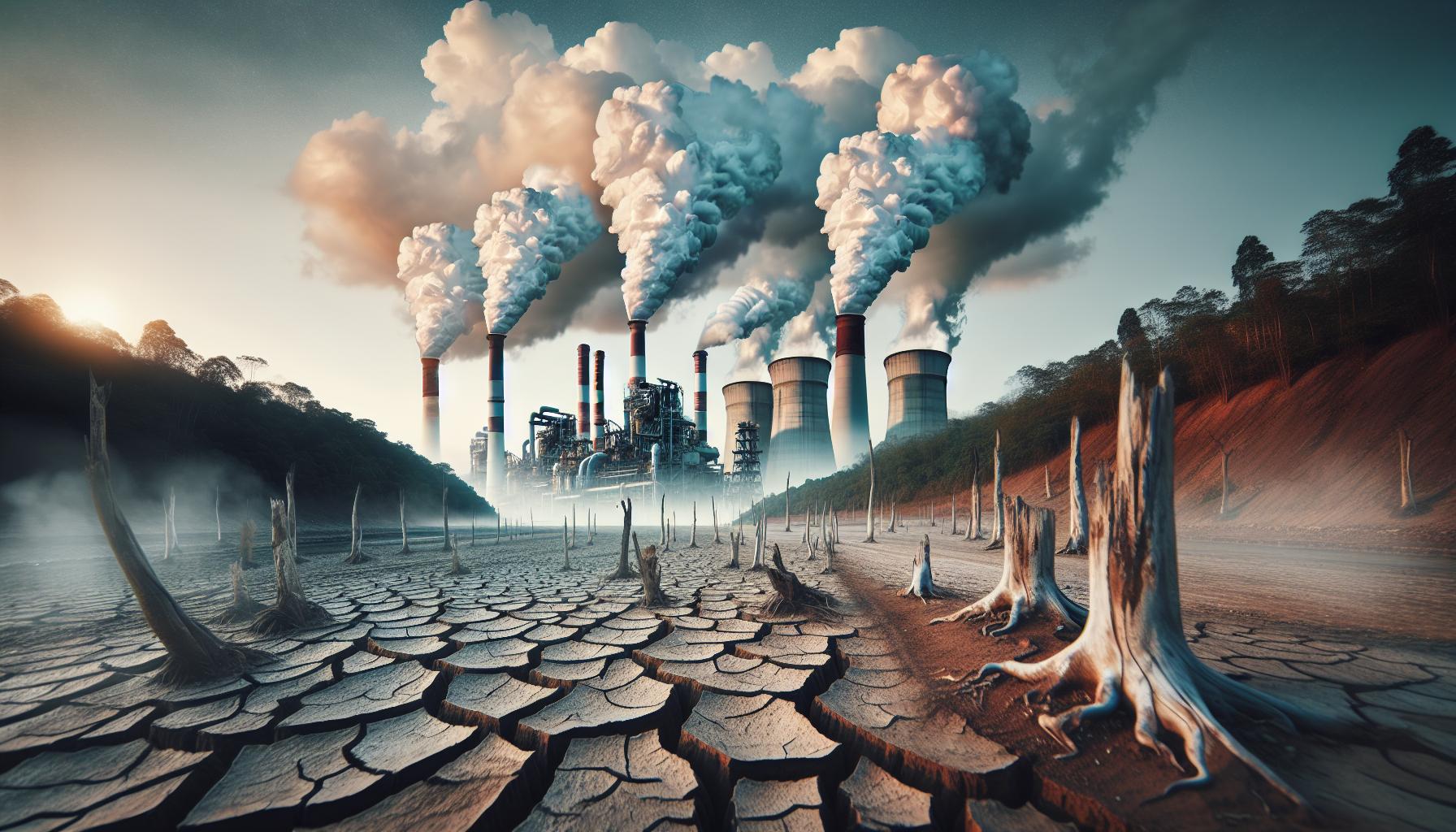
The intricate web of causes behind global climate change is interwoven with human activities and natural phenomena that have evolved over millennia. As we delve into this vital subject, it’s important to recognize that climate change isn’t solely an environmental issue; it encompasses economic, social, and health dimensions that affect all life on Earth. A standout statistic is that since the Industrial Revolution, humans have released over 2 trillion tons of carbon dioxide into the atmosphere. This staggering figure underscores the significant role of anthropogenic activities in driving climate change.
Human activities, particularly the burning of fossil fuels for energy, deforestation, and industrial processes, have dramatically increased the concentration of greenhouse gases (GHGs) such as carbon dioxide (CO2), methane (CH4), and nitrous oxide (N2O) in the atmosphere. These gases trap heat and warm the planet, leading to changes in climate patterns that cause severe weather events such as floods, hurricanes, and droughts. For example, the Intergovernmental Panel on Climate Change (IPCC) has reported that the climate is warming at a rate unprecedented in the last 65 million years, primarily due to human-induced emissions.
However, natural factors also play a crucial role in shaping the Earth’s climate. Volcanic eruptions can inject large amounts of ash and sulfur dioxide into the atmosphere, temporarily cooling the planet. Likewise, solar radiation variances influence climate trends over extended periods. Yet, the current rapid changes in climate cannot be attributed to these natural processes alone. Instead, they act in conjunction with human activities, exacerbating existing challenges.
To effectively address climate change, awareness of its multifaceted causes is essential for fostering a holistic approach to solutions. Understanding the links between our actions and climate outcomes invites us to reflect on our choices, from the energy we consume to the products we purchase. Movement toward sustainable practices-like investing in renewable energy, supporting reforestation projects, and advocating for robust legislation-can collectively tip the scales toward a healthier planet for future generations. Each of us can contribute to mitigating climate change by making informed decisions that reduce our carbon footprint while inspiring others to take action.
The Role of Greenhouse Gases in Warming
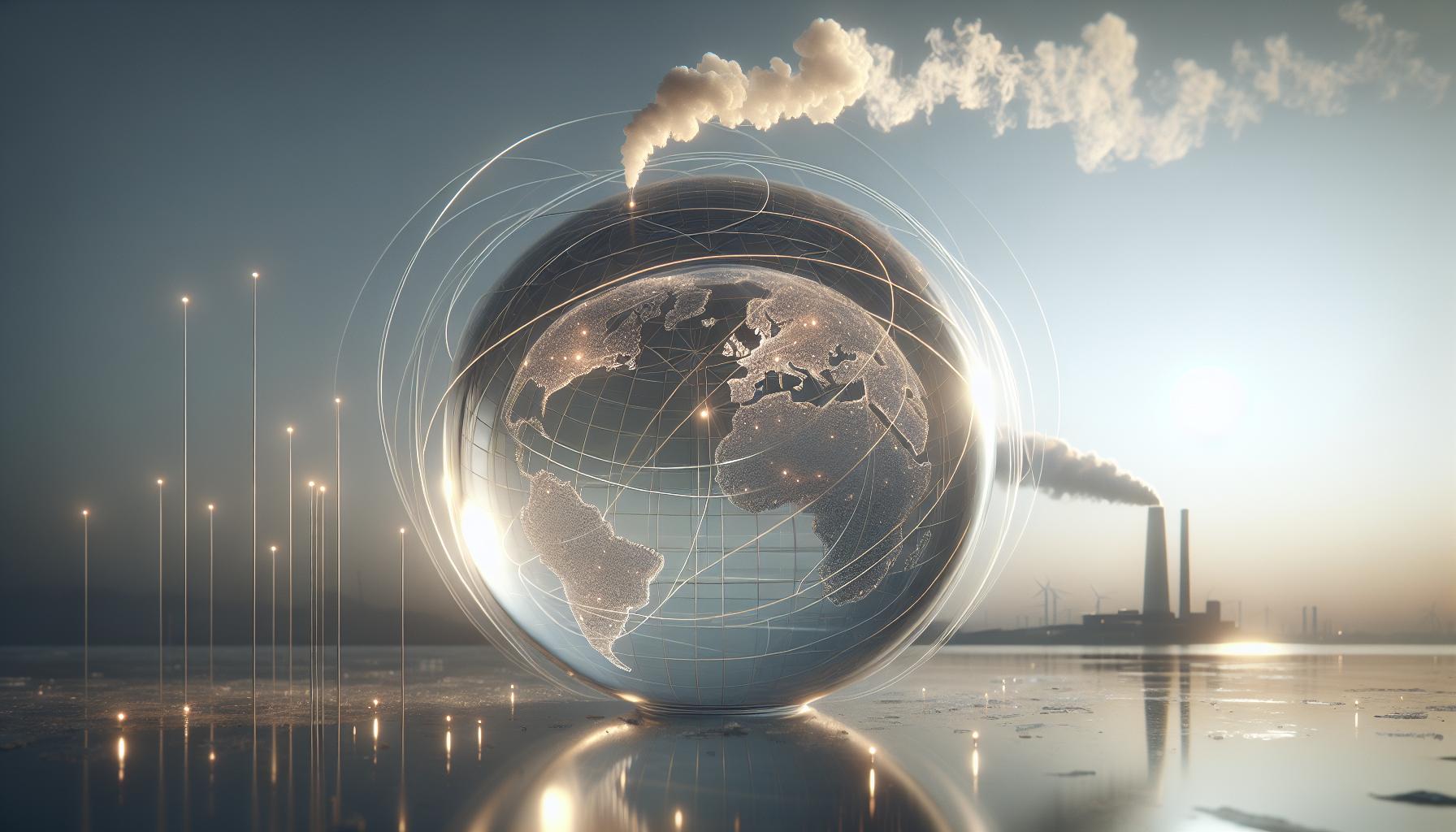
Greenhouse gases (GHGs) are crucial players in the story of global warming, functioning like a blanket that traps heat in the Earth’s atmosphere. Since the Industrial Revolution, human activities have significantly amplified the natural greenhouse effect through the release of GHGs such as carbon dioxide (CO2), methane (CH4), and nitrous oxide (N2O). This increase has led to a rise in average global temperatures, intensifying the impacts of climate change. For instance, CO2 levels have surged from about 280 parts per million before the Industrial Revolution to over 400 ppm today, illustrating the dramatic shift in our planet’s atmospheric composition.
Understanding Greenhouse Gas Emissions
The sources of these emissions are diverse, stemming from common activities that many might overlook. Here are some key contributors:
- Energy Production: The burning of fossil fuels for electricity and heat is the largest single source of global greenhouse gas emissions.
- Transportation: Cars, trucks, and airplanes contribute significantly to CO2 emissions, particularly in urban areas where traffic congestion is prevalent.
- Agriculture: Agricultural practices emit methane and nitrous oxide, particularly through livestock digestion and the use of fertilizers, respectively.
- Deforestation: Forests act as carbon sinks; their destruction releases CO2 stored in trees, compounding the problem.
To visualize the impact of these activities, a report from the Intergovernmental Panel on Climate Change highlights that in 2019 alone, energy production accounted for roughly 73% of total GHG emissions globally. This data underscores the urgent need for a paradigm shift toward cleaner energy alternatives.
Mitigating Greenhouse Gas Emissions
Addressing demands actionable strategies. Individuals and communities can make a meaningful difference by pursuing several practical steps:
- Transition to Renewable Energy: Solar, wind, and hydroelectric power offer sustainable alternatives that can significantly reduce reliance on fossil fuels.
- Enhance Energy Efficiency: Simple habits, like using energy-efficient appliances and optimizing home insulation, can effectively lower energy consumption.
- Promote Sustainable Practices: Supporting local agriculture and participating in community reforestation projects not only curbs emissions but also fosters biodiversity.
- Advocate for Change: Engaging with policymakers to strengthen regulations on emissions can propel systemic changes necessary for a sustainable future.
By embracing such actions, we can work collectively to reduce the concentration of greenhouse gases in the atmosphere and mitigate their warming effects. While challenges are significant, the potential for positive change is within reach, relying on informed choices and engaged communities to guide us towards a more sustainable and resilient planet.
Natural Factors Influencing Climate Patterns
The complex interplay of natural factors plays a crucial role in influencing climate patterns, often acting in synergy with human-induced factors. For example, volcanic eruptions can significantly impact global temperatures by releasing large amounts of ash and sulfur dioxide into the atmosphere, which temporarily cools the Earth by reflecting sunlight away. The eruption of Mount Pinatubo in 1991 led to a global temperature drop of about 0.5°C for the following couple of years. Such natural events remind us of the planet’s vulnerability to sudden changes, which are compounded by ongoing anthropogenic influences.
Variations in solar radiation are another essential natural factor impacting climate changes. The Earth’s orbit and axial tilt influence the distribution of sunlight across the planet, leading to cyclical climate patterns known as Milankovitch cycles. These natural fluctuations have caused ice ages and periods of warming, illustrating that Earth’s climate has always been dynamic. While these cycles occur over tens of thousands of years, understanding them helps contextualize longer-term climate trends despite modern rapid warming due to human activity.
Ocean currents, such as El Niño and La Niña, also critically shape weather and climate patterns around the globe. These phenomena regulate temperature and precipitation levels, influencing agricultural productivity and natural disasters. For instance, the El Niño event can lead to wetter conditions in some regions while causing droughts in others. Preparedness for such variation is essential for communities dependent on agriculture and water resources, underscoring the need for improved climate predictions and adaptive practices.
To develop resilience in the face of these natural influences, communities can adopt a multi-faceted approach. Enhancing early warning systems for climatic extremes, investing in sustainable agricultural practices, and promoting ecosystem restoration are practical steps that can mitigate the adverse effects of both natural and human-induced climate changes. By recognizing the interconnectedness of these factors, society can better prepare and adapt to the evolving climate landscape, fostering a proactive rather than reactive response.
Deforestation and Land Use Change Impact

The alarming rate of deforestation and land use change represents one of the most significant contributors to global climate change, with far-reaching impacts on our planet’s ecosystems and atmospheric balance. Each year, approximately 10 million hectares of forest are lost, translating into the equivalent of around 27 soccer fields every minute. This extensive loss of trees not only releases vast amounts of stored carbon dioxide into the atmosphere but also diminishes the Earth’s capacity to absorb future emissions, creating a perilous feedback loop that accelerates climate change.
Carbon Emissions and Climate Alteration
Forests act as vital carbon sinks, absorbing carbon dioxide during photosynthesis. When trees are cut down or burned, the carbon stored in their biomass is released back into the atmosphere, significantly contributing to the greenhouse gas effect. In fact, deforestation accounts for nearly 10-15% of global carbon emissions, which is comparable to the emissions produced by the entire transportation sector. Protecting existing forests and reforesting degraded areas are critical strategies for mitigating these emissions, highlighting the urgent need for comprehensive land management policies that prioritize ecological stability.
Effects on Biodiversity
Moreover, land use change due to agricultural expansion, urban development, and infrastructure projects disrupts habitats and threatens the survival of countless plant and animal species. Biodiversity loss is intrinsically linked to climate resilience; diverse ecosystems are better equipped to adapt to changing conditions and provide essential services such as pollination, clean water, and soil fertility. For instance, the Amazon rainforest, often referred to as the “lungs of the Earth,” supports approximately 10% of the known species on the planet. Yet, deforestation has already led to the extinction of numerous species and continues to place additional stress on those that remain.
Practical Steps Toward a Sustainable Future
Addressing deforestation and land use change involves systemic change at multiple levels. Here are some actionable strategies:
- Support Sustainable Agriculture: Encourage practices such as agroforestry, which integrates trees and shrubs with crops and livestock, enhancing biodiversity and soil health.
- Engage in Reforestation Efforts: Participate in or support tree-planting initiatives aimed at restoring degraded lands and increasing forest cover.
- Advocate for Policy Change: Push for stronger regulations on land use and deforestation, promoting sustainable land management and acknowledging the rights of indigenous communities who depend on forest resources.
- Reduce Consumption: Make conscious choices regarding products that contribute to deforestation, such as palm oil or unsustainable timber, and seek certification labels that promote environmental responsibility.
By taking these steps, individuals and communities can directly combat the drivers of climate change linked to deforestation and land use changes, fostering a healthier environment for future generations.
Industrial Activities and Their Contributions

The industrial sector is a significant player in the narrative of global climate change, contributing approximately 21% of greenhouse gas emissions globally. The operations of factories, power plants, and manufacturing sites not only generate products but also release a staggering amount of carbon dioxide and other pollutants into the atmosphere. For instance, cement production alone accounts for about 8% of the world’s carbon emissions due to the high temperatures required for its production and the chemical reactions that occur during the process. This industry exemplifies how vital material needs can conflict with climate goals, prompting a critical examination of current practices.
Energy Consumption and Emissions
The energy-intensive nature of industrial activities is a key factor in their contributions to climate change. Many industries rely heavily on fossil fuels such as coal, oil, and natural gas, which are carbon-rich and lead to high levels of emissions. Transitioning to renewable energy sources such as wind, solar, and hydroelectric power could substantially reduce the carbon footprint of these industries. For example, companies that adopt energy-efficient technologies and practices often see not only reduced emissions but also lower operational costs-transforming environmental initiatives into economically beneficial strategies.
Waste and Resource Management
Another aspect of industrial impact lies in waste management systems. Poor waste disposal practices contribute significantly to greenhouse gas emissions, especially when waste decomposes in landfills, releasing methane-a potent greenhouse gas. Industries can mitigate these effects by implementing comprehensive recycling and waste management strategies. For instance, the adoption of circular economy principles allows materials to be reused and recycled, reducing the demand for new resources and minimizing waste. Real-world examples, such as Unilever’s commitment to making all its plastic packaging recyclable, reusable, or compostable by 2025, showcase how companies can lead in this area and inspire broader change.
Practical Steps Toward Greener Industries
To address these issues, industries can adopt several actionable strategies:
- Increase Energy Efficiency: Implement energy audits to identify areas for improvement and invest in technologies that enhance energy efficiency.
- Shift to Renewable Energy: Transition to sustainable energy sources to power industrial operations, which can lead to significant emission reductions.
- Improve Waste Management: Develop robust recycling programs and waste minimization strategies to reduce landfill contributions and emission profiles.
- Engage Employees: Foster a culture of environmental awareness and responsibility among employees through training and incentive programs.
By integrating these practices, industries not only play a pivotal role in combating climate change but can also pave the way for a more sustainable future. Recognizing their influence on environmental outcomes is essential for developing effective solutions to the global climate crisis, where responsible industrial practices can lead to a thriving economy and planet alike.
Human Behavior: The Carbon Footprint Dilemma
Every human being leaves a carbon footprint, a measure of the total greenhouse gas emissions-primarily carbon dioxide-that result directly and indirectly from our actions. According to the Global Carbon Project, individual lifestyles contribute to about 70% of all carbon emissions globally. This startling statistic highlights the immense impact that personal choices-ranging from transportation methods to energy consumption in the home-have on climate change. It’s crucial to recognize that while the industries and governments play significant roles in carbon output, individual behaviors also hold the key to reducing emissions and fostering a sustainable future.
Our daily activities significantly influence our carbon footprints. For instance, opting for public transportation or carpooling instead of driving alone can dramatically reduce the amount of emissions we produce. Similarly, making mindful decisions such as reducing meat consumption or supporting local, sustainable agriculture can lower emissions related to food production and transportation. According to a study by the World Resources Institute, if every American replaced just one beef meal per week with plant-based foods, the carbon savings would be equivalent to taking 7.6 million cars off the road for a year. Small changes, multiplied across a population, can lead to substantial reductions in greenhouse gas emissions.
Strategies for Reducing Personal Carbon Footprints
To encourage readers to take actionable steps toward reducing their carbon footprints, here are several effective strategies:
- Go Green at Home: Implement energy-saving measures such as LED lighting, energy-efficient appliances, and smart home technology to minimize energy use.
- Choose Sustainable Transportation: Utilize walking, biking, or electric vehicles when possible. Car-sharing services also reduce the number of vehicles on the road.
- Minimize Waste: Adopt practices such as recycling, composting, and choosing products with minimal packaging to lessen landfill contributions.
- Support Renewable Energy: Choose energy providers that prioritize clean energy sources, or consider installing solar panels if feasible.
Addressing the carbon footprint dilemma requires an informed and engaged public willing to promote systemic change. Each individual action, when collectively embraced, has the potential to make a significant impact on our environment. By fostering awareness and encouraging responsible consumption, we not only contribute to mitigative efforts against climate change but also create a ripple effect of positive change inspiring others to follow suit. A shift towards sustainable living is not just beneficial for our planet; it’s imperative for the future viability of our communities and economies.
Effects of Global Climate Change on the Environment
The impacts of global climate change on the environment are both profound and far-reaching, altering ecosystems in ways that challenge the very fabric of life on Earth. Reports indicate that rising temperatures are leading to a cascade of changes, such as shifting weather patterns, increased frequency of extreme weather events, and profound implications for both land and marine ecosystems. A striking example is the unprecedented melting of Arctic ice, which not only affects polar habitats but also contributes to rising sea levels that threaten coastal communities worldwide.
One of the most alarming consequences of climate change is its effect on biodiversity. As habitats shift or shrink due to changing climate conditions, many species struggle to adapt, resulting in altered ecosystems and potential extinctions. For instance, coral reefs, often referred to as the “rainforests of the sea,” are experiencing widespread bleaching due to rising ocean temperatures and acidification. This not only affects marine life that relies on these ecosystems but also threatens the livelihoods of communities that depend on fishing and tourism.
The transformation of terrestrial landscapes is equally concerning. Deforestation, driven partly by climate-related agricultural changes, exacerbates the situation, reducing the planet’s natural ability to absorb carbon dioxide. In fact, forests act as vital carbon sinks, and their loss not only releases stored carbon but also diminishes biodiversity and disrupts local water cycles. These alterations can lead to increased soil erosion and decline in fertility, further complicating food production efforts in a world striving to feed a growing population.
To combat these challenges, it is essential to engage in restoration efforts, such as reforestation and the protection of existing natural habitats. Additionally, sustainable agricultural practices can help maintain soil health and reduce emissions. Communities can also play a crucial role by advocating for policies that protect natural ecosystems and investing in renewable energy sources to mitigate the effects of climate change. By focusing on these proactive strategies, we can contribute to a healthier planet and a more resilient future for all living beings.
Impact on Biodiversity and Ecosystem Services
The loss of biodiversity due to global climate change is not merely an environmental issue; it directly impacts human well-being, economies, and the very systems that sustain life on Earth. As ecosystems begin to unravel, the services they provide – such as pollination of crops, clean water, and climate regulation – are increasingly compromised. In fact, a pivotal report indicates that approximately 1 million species are at risk of extinction due to climate change and its associated effects, marking one of the most significant biodiversity crises in history.
To better understand this situation, consider the role of *coral reefs*, often described as the “rainforests of the sea.” Rising ocean temperatures and acidification have resulted in widespread coral bleaching, endangering both marine biodiversity and the livelihoods of millions who depend on fishing and tourism associated with these vibrant ecosystems. In addition to the loss of species, the degradation of coral reefs undermines habitat complexity, further threatening marine life that relies on these structures for survival.
Forests, too, bear the brunt of climate changes. They not only act as critical carbon sinks but also provide habitat for a diverse array of species. Deforestation, which is often exacerbated by agricultural expansion driven by climate change, significantly reduces biodiversity. When forests are cleared, the ecosystem services they provide diminish, leading to increased soil erosion, disrupted water cycles, and loss of fertile land. This is particularly detrimental in areas where communities rely on these ecosystems for food and water security.
To effectively mitigate the dramatic impacts on biodiversity and ecosystem services, concerted actions must be taken. Here are some practical strategies that individuals and communities can adopt:
- Support Conservation Efforts: Engage with local and international conservation organizations that work to protect habitats and restore ecosystems.
- Practice Sustainable Agriculture: Use methods like agroforestry and organic farming that promote soil health and biodiversity rather than harming them.
- Reduce Waste: Opt for sustainable products and minimize single-use plastics, which can harm marine life.
- Advocate for Policy Change: Support policies that aim to protect natural habitats and reduce emissions at local, national, and global levels.
By understanding the interconnectedness of climate change, biodiversity, and ecosystem services, we can better appreciate the urgency of taking action. Our choices today not only shape our environment but also influence the future resilience of the planet. Through a collective commitment to conservation and sustainable practices, we can protect biodiversity and ensure that the essential services ecosystems provide continue for generations to come.
Economic Consequences of Climate Change
The economic ramifications of climate change are profound and multifaceted, affecting not just the environment but our livelihoods, security, and infrastructure. In 2024, the World Meteorological Organization (WMO) highlighted that rising ocean temperatures and extreme weather events threaten key economic sectors like agriculture, fisheries, and tourism, with coastal and island communities facing increased vulnerability due to sea-level rise and marine heatwaves[[2]](https://wmo.int/publication-series/state-of-climate-south-west-pacific-2024). The increasing frequency of climate disasters, such as hurricanes, floods, and droughts, leads to significant damages, straining both public resources and private investments. For instance, it’s estimated that the economic costs of climate inaction could reach trillions of dollars by 2050, jeopardizing global economic stability[[1]](https://wmo.int/publication-series/wmo-global-annual-decadal-climate-update-2025-2029).
Agriculture illustrates a critical link between climate change and economic outcomes. Unpredictable weather patterns negatively impact crop yields, threatening food security and increasing prices. Farmers across the globe are facing challenges as they adapt to changing climate conditions. The American corn and soybean outputs, for instance, have been significantly disrupted due to inconsistent rainfall and extreme temperatures. This volatility not only threatens farmers’ income but also has ripple effects on food prices, affecting consumers and entire economies reliant on agricultural exports.
The financial sector also feels the heat, as investments in infrastructure become increasingly risky. For example, buildings and transportation systems in cities vulnerable to flooding require costly adaptations or even total replacements. Insurance companies are adjusting their models, anticipating higher claims and consequently raising premiums, which can diminish access to affordable coverage for vulnerable populations. This shift in risk perception highlights the urgent need for businesses, investors, and governments to incorporate climate resilience into their planning.
Practical Strategies for Economic Resilience
To mitigate the economic impacts of climate change, individuals and communities can adopt several strategies:
- Invest in Renewable Energy: Communities can shift towards solar, wind, and other renewable sources of energy, reducing dependence on fossil fuels and creating jobs in the green economy.
- Implement Sustainable Agricultural Practices: Techniques such as crop rotation, organic farming, and permaculture not only enhance food security but also build resilience against climate variability.
- Enhance Infrastructure Resilience: Local governments should prioritize climate-proofing infrastructure to withstand extreme weather. This includes investing in flood defenses and retrofitting buildings.
- Support Eco-friendly Businesses: Consumers can choose to invest in or support companies that prioritize sustainable practices, bolstering the green economy.
Each of these strategies plays a vital role in a collective response to the economic threats posed by climate change. By making informed choices today, we can foster a sustainable and resilient economy for future generations.
Health Risks Associated with Climate Change
Climate change poses significant health risks that extend beyond the immediate impacts of extreme weather events. As global temperatures rise, the frequency and intensity of heatwaves increase, leading to a higher incidence of heat-related illnesses and deaths. According to studies, heat stress can exacerbate pre-existing health conditions, particularly among vulnerable populations such as the elderly, children, and those with chronic illnesses. This reality underscores the urgency to address climate-related health issues as integral to public health planning and policy.
The changing climate also influences the spread of infectious diseases. Warmer temperatures and altered precipitation patterns create favorable conditions for vectors such as mosquitoes and ticks, potentially leading to outbreaks of diseases like dengue, Zika, and Lyme disease. Regions not previously affected by such diseases may now see their emergence, placing added pressure on healthcare systems that may not be prepared for these changes. Understanding these dynamics is crucial for developing effective public health strategies to combat vector-borne diseases.
Furthermore, air quality deteriorates as climate change progresses, largely due to increased emissions from wildfires and industrial pollution. Poor air quality is linked to respiratory issues, cardiovascular diseases, and a host of other health problems. For example, the World Health Organization estimates that air pollution contributes to millions of premature deaths annually, emphasizing the need for integrated approaches to manage air quality while addressing climate change. Policies that promote cleaner energy sources and reduce reliance on fossil fuels are key to improving public health outcomes.
Adapting to these risks requires proactive measures. Communities can enhance resilience by improving health infrastructure, promoting awareness of climate-related health impacts, and establishing emergency response systems for extreme weather events. Individuals can also take personal steps to mitigate these effects, such as staying informed about local air quality forecasts, avoiding strenuous outdoor activities during heatwaves, and supporting policies that aim for environmental sustainability. Collective action at local, national, and global levels offers the best hope for reducing the health burdens imposed by climate change while fostering a healthier planet for future generations.
Social Impacts and Community Vulnerability
As climate change accelerates, its social implications are profound, particularly for communities that already face vulnerabilities due to economic, geographic, or social factors. For instance, communities in low-lying coastal regions, such as Kiribati, are not only grappling with rising sea levels but also experiencing diminished agricultural productivity. The dependency on imported foods high in fat, sugar, and salt exacerbates health issues, making these populations more susceptible to noncommunicable diseases like diabetes and heart disease, significantly impacting their overall well-being and quality of life [[1](https://www.who.int/westernpacific/newsroom/feature-stories/item/countering-the-climate-crisis-in-kiribati)].
In addition to health concerns, the social fabric of vulnerable communities is strained as they deal with the fallout from climate-related disasters such as floods and droughts. These events often disproportionately affect marginalized groups, including the elderly, children, and those with disabilities, exacerbating existing inequalities. A significant factor in this vulnerability is the lack of access to resources, information, and support systems. For example, communities may lack adequate infrastructure or emergency services to respond effectively during crises, leading to increased displacement and social disruption. Establishing community emergency response plans and resilience training can empower these populations, improving their ability to withstand climate impacts and support each other in times of need.
Building Resilience Through Community Engagement
Empowering communities to tackle climate challenges involves fostering local engagement and collaboration. Initiatives that encourage community-based adaptation strategies can be particularly effective. These strategies may include creating local disaster response teams, developing sustainable agricultural practices, or implementing water conservation programs. When local leaders, residents, and stakeholders work together, they can tailor solutions to fit their specific challenges and resources.
Additionally, education plays a crucial role. By raising awareness about climate change impacts and practical responses, communities can better prepare for upcoming challenges. Workshops, seminars, and information sharing can enhance knowledge and create a collective mindset focused on sustainable living.
As we confront the realities of climate change, the need for inclusive action is paramount. By understanding and addressing the specific vulnerabilities faced by communities, we can develop targeted strategies that not only mitigate the impacts of climate change but also promote social equity and resilience.
Mitigation Strategies: What Can We Do?
The challenges posed by climate change can feel overwhelming, but individuals and communities possess remarkable power to effect change through actionable mitigation strategies. A robust and multi-faceted approach can lead to impactful results, making it essential for everyone to consider the tangible steps they can take to reduce their carbon footprint and contribute to a healthier planet.
One of the most significant ways to combat climate change is by reducing greenhouse gas emissions. This can be achieved by adopting cleaner energy sources. Transitioning to renewable energy, such as solar or wind, decreases reliance on fossil fuels, which are major contributors to carbon dioxide emissions. For instance, households can install solar panels, and communities can advocate for local governments to invest in renewable energy infrastructure. Additionally, promoting energy efficiency in homes and businesses, such as using LED light bulbs and energy-efficient appliances, can substantially lower energy consumption.
In parallel, sustainable transportation choices can make a significant impact. Individuals can choose public transit, biking, or walking over personal vehicles whenever possible. Organizing carpool systems and supporting local initiatives for electric vehicle usage can further diminish emissions. Cities can encourage these behaviors through better bike lanes, improved public transport networks, and investment in pedestrian-friendly infrastructure, creating an environment that promotes low-carbon mobility.
Another critical area is land use and conservation efforts. Urban gardening and reforestation initiatives present community-led opportunities to enhance local ecosystems, sequester carbon, and improve food security. For example, community gardens not only provide fresh produce but also serve as educational platforms for environmental stewardship. Supporting legislation that protects natural habitats and promotes biodiversity directly strengthens the planet’s resilience against climate impacts.
Finally, the role of education and advocacy cannot be overstated in this collective effort. Informing and engaging the community about climate change risks and solutions fosters a culture of responsibility and proactive involvement. Local workshops, schools, and community centers can organize events that empower individuals to take ownership of their environmental impact while encouraging dialogue about sustainable practices.
By focusing on these mitigation strategies-transitioning to renewable energy, adopting sustainable transportation, engaging in land conservation, and enhancing community awareness-we can create a future that not only addresses the root causes of climate change but also inspires collective action toward a sustainable world. Each person’s efforts, big or small, can lead to substantial changes, reaffirming our shared responsibility in the fight against climate change.
Frequently Asked Questions
Q: What are the primary greenhouse gases contributing to climate change?
A: The primary greenhouse gases include carbon dioxide (CO2), methane (CH4), nitrous oxide (N2O), and fluorinated gases. These gases trap heat in the atmosphere, leading to global warming. Reducing emissions from sources like transportation and agriculture can mitigate their impact. For more on emissions reduction, refer to “Human Behavior: The Carbon Footprint Dilemma” in our article.
Q: How does climate change affect weather patterns?
A: Climate change leads to more extreme and unpredictable weather patterns, including intensified storms, droughts, and heatwaves. This disruption can severely impact agriculture and water supply. Engaging in sustainable practices can help communities adapt to these changes.
Q: What role does deforestation play in climate change?
A: Deforestation contributes to climate change by reducing the number of trees that can absorb CO2, a major greenhouse gas. When trees are cut down and burned, stored carbon is released into the atmosphere. Conserving forests is crucial for mitigating climate change.
Q: Why is climate change a social justice issue?
A: Climate change disproportionately affects vulnerable communities, often amplifying existing inequalities. Low-income populations may lack the resources to adapt to climate impacts, increasing their vulnerability. Addressing climate change through equitable solutions is essential for social justice.
Q: What are some practical steps individuals can take to combat climate change?
A: Individuals can reduce their carbon footprint by using public transport, conserving energy at home, and supporting sustainable products. Every small action counts towards a larger collective effort to mitigate climate change impacts.
Q: How does climate change impact food security?
A: Climate change threatens food security by altering crop yields and disrupting food supply chains. Extreme weather can damage crops, while shifting growing seasons can affect food availability. Adopting resilient agriculture practices can help secure food supplies in changing climates.
Q: When is it too late to reverse climate change effects?
A: While we cannot reverse all effects of climate change, timely action can significantly mitigate future impacts. The sooner we implement sustainable practices and reduce emissions, the better our chances for a healthier planet. Engaging in mitigation strategies is crucial.
Q: Where can I find reliable information about climate change impacts?
A: Reliable information on climate change impacts can be found through government agencies, environmental organizations, and research institutions. Resources like the IPCC reports and academic journals provide thorough insights into ongoing climate research and strategies for action.
To Wrap It Up
Understanding the causes and effects of global climate change is crucial for our collective future. By recognizing the urgent need for actionable solutions, we empower ourselves to mitigate its impact on our planet. Take the first step today: consider sustainable practices in your daily life, explore renewable energy options, and advocate for policy changes in your community.
For deeper insights, check out our related articles on the impact of deforestation and practical steps for reducing your carbon footprint. Don’t miss the opportunity to join our newsletter for the latest updates on climate initiatives and tips for making a real difference.
Your voice matters in the fight against climate change-share your thoughts in the comments below, and connect with a community dedicated to a sustainable future. Together, we can turn awareness into action and create a thriving planet for generations to come.
Get our latest guides, news, and insights highlighted in your Google Search & AI Overviews.








