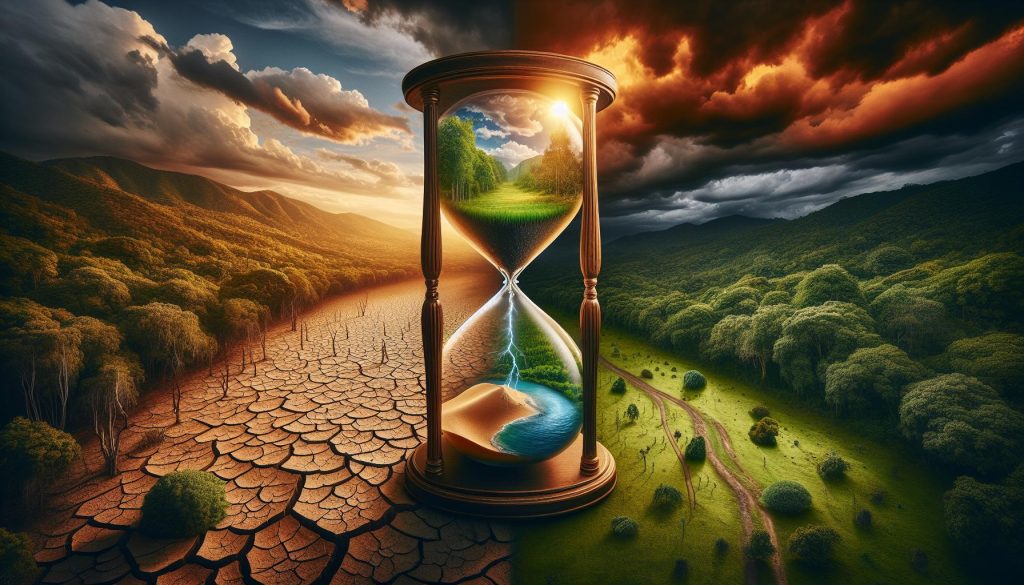
Climate change is not just a distant threat; it is a pressing reality affecting our environment today. Did you know that by 2050, it is estimated that climate change could lead to an additional 250,000 deaths annually due to malnutrition, heat stress, and disease? This staggering statistic underscores the urgent need for us to understand the array of effects climate change has on our planet. From rising sea levels threatening coastal communities to shifting weather patterns causing devastating droughts or floods, the implications are far-reaching. As stewards of our environment, grasping these impacts allows us to take meaningful action-whether through individual lifestyle changes, supporting policy initiatives, or advocating for sustainable practices. Join us as we explore the multifaceted effects of climate change on our environment, and discover how each of us can contribute to a more resilient future.
Effects of Climate Change on Ecosystems

Climate change is not just an abstract scientific concept; its effects are profoundly altering ecosystems around the globe. These changes range from shifting weather patterns to changing biodiversity, impacting the very fabric of life on our planet. For instance, as average global temperatures rise, ecosystems such as forests, wetlands, and coral reefs are stressed beyond their limits, disrupting the delicate balance that sustains them. A prime example is the increased frequency of wildfires in forested areas, which not only endangers wildlife but also affects air quality and climate regulation.
One of the keystone impacts of climate change on ecosystems is the alteration of species distributions. Many species are forced to migrate toward cooler areas, often towards the poles or higher elevations. For instance, studies in the Arctic show that warmer temperatures are driving species such as the polar bear to seek new habitats, while other species may face extinction if they cannot adapt quickly enough. This can lead to a breakdown in local ecosystems, as the loss of one species affects food webs and resource availability for others.
Furthermore, the increasing frequency of extreme weather events, such as hurricanes and droughts, poses significant challenges to ecosystem stability. These events can decimate habitats and lead to long-lasting ecological changes. For example, coral reefs are highly sensitive to temperature changes and can suffer mass bleaching when sea temperatures rise, leading to loss of biodiversity and the degradation of the marine environments they support.
Addressing these challenges requires a proactive approach that includes conservation efforts and habitat restoration initiatives. Tools like biodiversity corridors can help facilitate species migration while preserving genetic diversity. Communities can engage in local conservation efforts, boost advocacy for sustainable practices, and support legislation aimed at protecting vulnerable ecosystems.
By understanding the impact of climate change on ecosystems, we can take meaningful steps to mitigate its effects and promote a healthier planet for future generations.
Impact of Climate Change on Wildlife Species
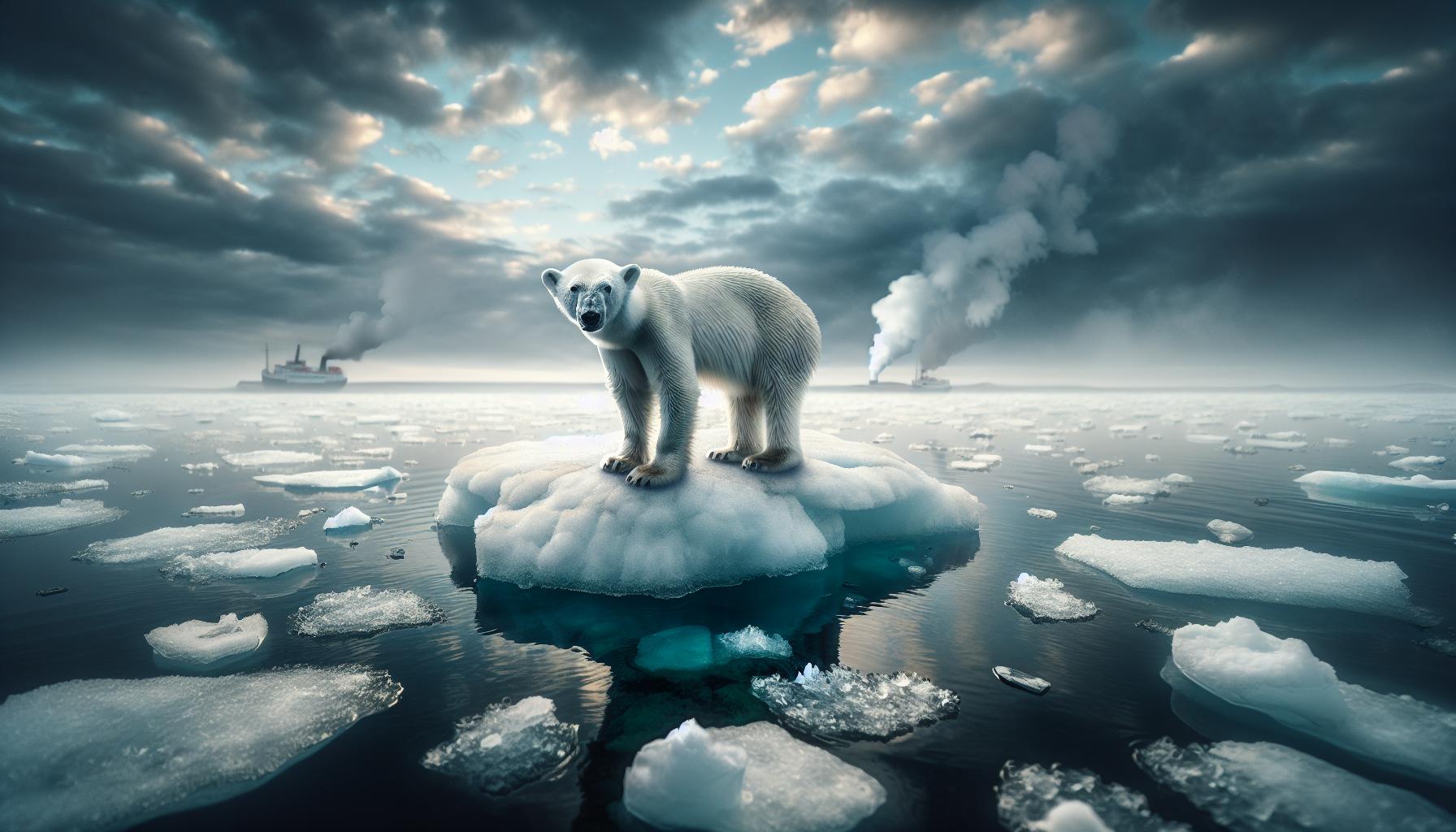
As the planet warms and weather patterns shift, wildlife species around the globe are facing unprecedented challenges. For instance, a study revealed that many terrestrial species are moving their habitats towards higher elevations or latitudes, driven by the need to find cooler climatic conditions. This migration can disrupt existing ecosystems, leading to a ripple effect on food chains and biodiversity. Species that are unable to adapt or migrate quickly enough may face extinction, leading to significant consequences for ecosystem health and stability.
One particularly striking example of this impact is seen with polar bears in the Arctic. As sea ice diminishes due to rising temperatures, these iconic animals are struggling to find the seals that constitute their primary food source. With the melting ice, polar bears are forced to travel further and expend more energy to find food, which can impact their reproduction rates and overall population health. The decline of a top predator like the polar bear can also signal larger ecological shifts; it affects not only other species within the Arctic ecosystem but also human communities that rely on these animals for cultural and subsistence purposes.
The effects of climate change extend to marine wildlife as well. Coral reef ecosystems-home to a significant portion of the planet’s biodiversity-are under severe threat from elevated sea temperatures and ocean acidification. These stressful conditions lead to coral bleaching, where corals expel the algae that provide them with food and color, ultimately resulting in widespread reef die-off. This loss can drastically alter marine ecosystems, affecting everything from fish populations to coastal protection against storms.
Addressing the plight of wildlife under climate change requires a multi-faceted approach. Conservation strategies such as establishing protected areas, creating wildlife corridors, and restoring habitats can help facilitate species adaptation. For individuals and communities, supporting local conservation initiatives and advocating for sustainable practices can have a substantial impact. Engaging in responsible tourism, reducing plastic use, and promoting renewable energy sources are practical measures that can collectively help mitigate the effects of climate change on wildlife. As we understand more about these challenges, fostering a sense of responsibility and action is vital for the survival of wildlife and the ecosystems they inhabit.
How Climate Change Alters Weather Patterns
As the planet’s temperature rises, the consequences stretch far beyond warming summers and milder winters; climate change significantly alters local and global weather patterns, creating more frequent and severe weather events. For instance, rising ocean temperatures are linked to increased storm intensity. Hurricanes and typhoons are not only becoming more powerful but also generate more rainfall, leading to devastating floods. According to recent analyses, heavy precipitation events in many regions have significantly increased due to climate change, posing risks to infrastructure, ecosystems, and communities.
Extreme Weather Events
The increase in global temperatures has led to a rise in extreme weather events, such as heatwaves, droughts, and heavy rainfall. Droughts become more prolonged and severe, endangering water supplies and agricultural productivity. In regions like the American West, prolonged drought conditions have resulted in widespread water shortages and increased wildfire susceptibility, a challenge that communities increasingly face as they seek to adapt and manage dwindling resources. Some studies estimate that by 2050, millions of people will be affected by water scarcity, which will have cascading impacts on health, agriculture, and economic stability.
Seasonal Shifts
Climate change is also altering seasonal weather patterns, affecting everything from crop cycles to wildlife behavior. For example, earlier springs can lead to mismatches between the timing of flowering plants and the life cycles of pollinators, such as bees. By understanding these shifts, farmers can adapt their practices to optimize planting schedules based on changing weather patterns, ensuring food security. In addition, communities can benefit from monitoring this data to prepare for unexpected weather events that may impact daily life.
Practical Steps for Adaptation
To cope with these changing weather patterns, communities and individuals can take several proactive steps:
- Invest in Infrastructure: Upgrading drainage systems and flood defenses can help communities better manage heavy rainfall and flooding.
- Implement Water Conservation Methods: Adopting water-saving technologies and practices can mitigate the effects of drought.
- Engage in Climate-Resilient Agriculture: Crop diversification and adopting drought-resistant varieties can improve food security against unpredictable weather.
- Advance Research and Monitoring: Communities should invest in local climate research to better understand and anticipate changes specific to their regions.
By adopting these strategies and staying informed about weather pattern changes, communities can enhance their resilience against the impacts of climate change, securing a better future against increasingly turbulent environmental conditions.
The Role of Climate Change in Ocean Acidification
As carbon dioxide (CO2) emissions rise, our oceans are experiencing a transformation that threatens marine ecosystems and the livelihoods that depend on them. Ocean acidification occurs when CO2 is absorbed by seawater, leading to chemical reactions that decrease the pH level of the water. This process challenges marine life, particularly organisms that rely on calcium carbonate to build their shells and skeletons, such as corals, mollusks, and some plankton species. As a result, entire marine food webs could be disrupted, ultimately impacting food security and the economy-especially for communities reliant on fishing and aquaculture.
The implications of ocean acidification extend far beyond marine life. For example, the decline in shellfish populations can directly affect industries that depend on oyster farming and fisheries, threatening jobs and traditional ways of life in coastal areas. Research indicates that acidic waters can impair the growth and development of larval shellfish, potentially resulting in lower harvests and economic losses. A study cited by the International Atomic Energy Agency suggests that if current CO2 emission trends continue, the acidity levels of our oceans could reach a point that poses severe risks to key marine species and habitats by mid-century [[2]].
To combat ocean acidification, local and global efforts must prioritize reducing CO2 emissions. Individuals can contribute by advocating for policies that limit emissions, such as supporting renewable energy initiatives and participating in community clean-up activities to protect coastal ecosystems. Furthermore, investing in scientific research and monitoring programs can help us understand and mitigate the effects of acidification. By fostering collaborative approaches that integrate marine stewardship with sustainable economic practices, we can protect our oceans for future generations while preserving vital resources.
In summary, addressing ocean acidification is critical in the larger context of climate change. As we continue to navigate the challenges posed by environmental changes, concerted actions at individual, community, and policy levels can pave the way for healthier oceans and resilient marine ecosystems.
Effects of Climate Change on Freshwater Resources
Changing weather patterns due to climate change are increasingly impacting freshwater resources across the globe. As the planet warms, shifts in precipitation patterns and an increase in evaporation rates lead to significant alterations in freshwater availability. For instance, the World Meteorological Organization has reported that many regions are experiencing reduced snowpack, which traditionally acts as a critical water source during warmer months as it melts and replenishes rivers and reservoirs. This transformation not only threatens water supplies but also impacts agriculture, wildlife, and energy production, intensifying competition for dwindling resources.
Freshwater ecosystems, including rivers, lakes, and wetlands, are particularly sensitive to these changes. Altered flow patterns can disrupt the natural rhythms of these habitats, affecting the species that rely on them. For example, fish migration patterns can be disrupted, negatively impacting breeding cycles and leading to declines in fish populations. Additionally, warmer water temperatures can lead to reduced oxygen levels, further threatening aquatic life and biodiversity. The compounded effects can result in a loss of ecosystem services that are vital for human survival, such as clean water purification, flood control, and habitat provision.
### Practical Steps for Adaptation
To address the challenges posed by climate change on freshwater resources, communities can adopt several strategies:
- Water Conservation: Implementing water-saving technologies and practices in homes and industries can significantly reduce demand on freshwater systems.
- Improved Water Management: Developing policies that promote sustainable water use, such as rainwater harvesting and managed aquifer recharge, can enhance local water resilience.
- Restoration Projects: Investing in the restoration of wetlands and natural watersheds can improve water quality and availability while supporting biodiversity.
- Community Engagement: Raising awareness and involving local communities in water management decisions foster collective responsibility and more effective conservation efforts.
Collectively, these approaches can help mitigate the impacts of climate change, ensuring that freshwater resources are protected and available for future generations. By integrating community action with innovative management strategies, we not only confront the crisis at hand but also cultivate a sense of stewardship that empowers individuals to contribute to a more sustainable and resilient future.
Human Health Risks Associated with Climate Change
Climate change poses a profound threat to human health, influencing various health outcomes and creating new health risks across communities globally. As temperatures rise and weather patterns change, the risks associated with vector-borne diseases like malaria and dengue fever are escalating. Warmer climates can lead to an increase in the populations of mosquitoes and other disease-carrying organisms, extending their habitat and the seasons during which they thrive. For instance, research has shown that rising temperatures have already contributed to an increase in the incidence of these diseases in previously unaffected regions, creating significant public health challenges.
Beyond infectious diseases, climate change exacerbates respiratory issues and cardiovascular diseases. Air pollution, fueled by extreme weather conditions and increased wildfires, releases a cocktail of harmful particles that can lead to chronic respiratory conditions such as asthma. Vulnerable populations, including children and the elderly, are particularly at risk. Moreover, heatwaves-another consequence of climate change-pose direct health risks, with higher temperatures leading to heat exhaustion, heatstroke, and aggravation of pre-existing health conditions.
### Addressing Climate-Related Health Risks
Mitigating the health impacts of climate change requires collective action at community and policy levels. Here are practical steps individuals and communities can take:
- Community Awareness Programs: Educating the public about the symptoms and prevention of heat-related illnesses can empower them to take necessary precautions during extreme heat events.
- Improved Infrastructure: Developing green spaces and improving urban planning can help reduce heat in cities, making environments more conducive to health.
- Healthcare Access: Strengthening healthcare systems to be resilient against climate change impacts, with an emphasis on preventive care, can help protect at-risk populations.
By implementing these strategies and fostering community engagement, we can build resilience against the health risks posed by climate change. Collaboration between government agencies, healthcare providers, and community organizations will not only enhance public health responses but also cultivate a sense of shared responsibility for a healthier future. Together, we can address these challenges head-on and mitigate the impacts of climate change on human health effectively.
Economic Consequences of Environmental Changes
The increasing frequency and intensity of environmental changes driven by climate change are reshaping economies worldwide. With studies indicating that climate change could generate over $2.1 trillion in new business opportunities for the largest corporations, the economic landscape is ripe for transformation yet fraught with challenges. Companies are now compelled to incorporate sustainability into their core strategies, as investors demonstrate an escalating demand for climate-conscious practices. The consequence of ignoring these changes is clear: firms that fail to adapt risk facing significant hurdles in securing funding and maintaining market relevance[[1]](https://news.climate.columbia.edu/2019/06/20/climate-change-economy-impacts/).
Investments in green technology and sustainable practices have become not only beneficial but essential as businesses pivot to address climate risks. For instance, transitioning towards renewable energy sources not only reduces a company’s carbon footprint but also enhances long-term profitability as regulatory frameworks increasingly favor low-emission solutions. Moreover, communities that invest in resilient infrastructure-such as flood defenses or sustainable urban planning-can mitigate potential losses from extreme weather events, translating to lower recovery costs and a sustained economic base[[2]](https://epic.uchicago.edu/area-of-focus/climate-change-and-the-us-economic-future/).
The economic implications extend beyond corporations to the broader labor market, necessitating a workforce skilled in sustainability and adaptation strategies. Education and training programs focused on green jobs can enable workers to thrive in an economy increasingly influenced by environmental considerations. This shift highlights the crucial link between economic stability and proactive climate action-communities that prioritize adaptability and resilience are better equipped to handle the shifts brought on by climate change[[3]](https://carnegieendowment.org/research/2023/01/economic-development-in-an-era-of-climate-change?lang=en).
To navigate the complexities of these economic changes, individuals and businesses must adopt concrete steps such as practising resource efficiency, advocating for sustainable policies, and engaging in community projects that enhance resilience. By embracing a collaborative approach, stakeholders can transform the challenges posed by climate change into opportunities for economic growth while ensuring a sustainable future for all.
Climate Change and Its Influence on Agriculture
Agriculture is at the frontline of climate change impacts, as the very fabric of agricultural practices is woven into the climate. Extreme weather events, unpredictable rainfall patterns, and rising temperatures pose significant challenges for farmers worldwide. For instance, a study by the World Meteorological Organization projects that global temperatures could remain near record levels over the next several years, directly influencing crop yields and food security[[2]](https://wmo.int/publication-series/wmo-global-annual-decadal-climate-update-2025-2029).
Droughts can lead to decreased harvests, while excessive rainfall can cause flooding, destroying crops and disrupting planting schedules. These alterations not only threaten the availability of staple foods but also drive up prices and affect farm incomes. Farmers are now facing an urgent need to adopt adaptive strategies to mitigate these effects. Implementing practices like crop diversification, no-till farming, and the use of drought-resistant crop varieties can enhance resilience against climate unpredictability.
Furthermore, changes in climatic conditions can disrupt pest and disease patterns, requiring farmers to rethink their pest management strategies. The introduction of integrated pest management (IPM) practices, which combine biological and cultural tactics to control pest populations, presents a viable approach to maintain crop health in the face of these emerging challenges.
Practical Steps for Resilient Agriculture
To navigate the complexities of climate change, here are a few actionable strategies that farmers can implement:
- Soil Health Improvement: Invest in healthy soil through organic amendments and cover cropping to improve water retention and nutrient availability.
- Water Management Techniques: Implement drip irrigation and rainwater harvesting systems to optimize water use.
- Crop Rotation and Diversification: Rotate crops to prevent soil depletion and introduce different plant species to reduce the risk of total crop failure!
- Utilization of Climate Data: Leverage technology to access weather forecasts and climate data for better planning and decision-making.
By prioritizing these adaptive measures, agricultural systems can enhance their resilience to climate impacts. Ultimately, a proactive approach can safeguard food security and sustain livelihoods while fostering an agricultural sector that can thrive amid changing climatic conditions.
Mitigating Climate Change: Solutions and Strategies
The urgency to address climate change has never been clearer. With its far-reaching impacts on our ecosystems, economies, and daily lives, mitigating climate change requires innovative and practical solutions that engage individuals, communities, and industries alike. From transitioning to renewable energy sources to adopting sustainable agricultural practices, the pathways to a more resilient future are both diverse and actionable.
One effective strategy for reducing greenhouse gas emissions is the widespread adoption of renewable energy. Solar, wind, and hydroelectric power not only reduce dependency on fossil fuels but also create sustainable energy jobs. For example, transitioning to solar energy for home heating and electricity can significantly lower utility costs while contributing to a reduction in carbon footprints. Communities can further benefit by implementing local energy programs that encourage the use of renewables, thus fostering both environmental and economic resilience.
Adopting sustainable agricultural practices is equally crucial in mitigating climate change. Practices such as crop rotation, organic farming, and regenerative agriculture enhance soil health, reduce chemical inputs, and increase biodiversity. Transitioning from conventional farming to sustainable methods has shown promising results; studies have indicated that regenerative techniques can sequester more carbon in soil than standard practices, effectively making farms part of the climate solution. Farmers who implement cover cropping and reduced tillage not only bolster their fields against droughts and floods but also improve overall productivity.
Engaging Communities and Individuals
Additionally, community engagement plays a vital role in climate change mitigation. Local governments can foster initiatives that promote carbon footprint reduction, such as community-wide recycling programs, urban green spaces, and tree planting events. Individuals can assess their consumption patterns, opt for sustainable products, and utilize public transportation to decrease their emissions. With collective action, communities can create significant positive impacts on local and global scales.
By implementing these strategies, we can collectively combat climate change while reaping economic and social benefits. Through informed actions, collaboration, and a focus on sustainable practices, we can foster a healthier environment for future generations, underscoring that meaningful change is not only possible but within our reach.
The Importance of Biodiversity in a Changing Climate
The health of our planet’s ecosystems intricately weaves a tapestry of biodiversity that is essential for maintaining balance in a changing climate. Biodiversity encompasses not just the variety of species, but also the genetic diversity within those species and the ecological processes they support. As climate change intensifies, the loss of biodiversity poses significant risks, threatening both natural systems and human well-being. For instance, diverse ecosystems like forests, wetlands, and coral reefs play crucial roles in carbon storage and act as buffers against climate change impacts, enhance resilience, and provide essential services such as clean water and food production.
One key aspect of biodiversity’s role in climate adaptation is its contribution to ecosystem resilience. Healthy ecosystems with high biodiversity are better equipped to withstand and recover from extreme weather events, such as floods, droughts, or heatwaves. This resilience allows for the sustainable continuation of ecosystem services-such as pollination, water purification, and soil fertility-which are vital for agriculture and human life. The interconnectedness of species means that the loss of even a single species can lead to cascading effects across food webs, diminishing the overall health and functionality of ecosystems.
Furthermore, biodiversity is a significant ally in mitigating climate change effects. Ecosystems rich in diverse plant life, for example, can sequester more carbon than monoculture plantations. Forests and peatlands serve as carbon sinks, absorbing large amounts of atmospheric carbon dioxide and helping to stabilize the climate. Efforts to restore degraded ecosystems and protect existing habitats can enhance this carbon storage capacity. Conservation strategies, such as establishing protected areas and promoting sustainable land-use practices, become imperative not only for preserving species but also for bolstering the planet’s capacity to combat climate change.
In summary, fostering biodiversity is not merely an environmental concern; it is a critical strategy for ensuring a sustainable and resilient future amid the challenges posed by climate change. By adopting practices that promote biodiversity, such as reforestation, sustainable agriculture, and protection of natural habitats, communities can not only protect their local environments but also contribute to global climate solutions. The interplay between biodiversity and climate underscores the necessity for integrated approaches that prioritize ecological health alongside economic and social development.
Future Projections: What Lies Ahead for Our Environment
The future of our environment is poised at a critical crossroads, with projections indicating that, if current trends continue, we could face unprecedented changes by the year 2050. According to recent assessments, we could experience an increase in average global temperatures by 1.5°C to 2°C compared to pre-industrial levels, leading to severe consequences for ecosystems, wildlife, and human communities alike. This stark reality emphasizes the urgent need for collective action and innovative solutions to mitigate these impending challenges.
Wildlife and Ecosystem Changes
As temperature rises accelerate due to climate change, the delicate balance of ecosystems hangs in the balance. For instance, warmer temperatures can alter habitats, forcing wildlife to migrate to cooler areas or leading to population declines of sensitive species. Coral reefs, which are already suffering from bleaching events, may see further degradation, affecting the myriad marine species that depend on them for survival. Reports suggest that if warming exceeds 2°C, up to 70% of coral reefs could be lost, which would have a cascading effect on marine biodiversity and fisheries that are vital for millions of people globally.
Altered Weather Patterns and Natural Disasters
Future weather patterns are expected to grow increasingly erratic, contributing to more frequent and intense weather events. Projections show that regions already prone to storms, heavy rainfall, or droughts could face even harsher conditions, potentially displacing populations and creating more significant humanitarian crises. In addition, rising sea levels due to melting ice caps threaten coastal communities, with estimates suggesting that by 2100, up to 200 million people could be displaced if global temperatures continue to rise unchecked.
Innovative Solutions and Community Actions
In the face of these challenges, there is hope. Communities worldwide are taking action toward sustainability by implementing practical strategies such as reforestation, sustainable agriculture, and renewable energy initiatives. For example, urban areas are adopting green infrastructure, like green roofs and permeable pavements, which can help manage rainfall, reduce urban heat, and promote biodiversity. Moreover, grassroots movements advocating for climate-friendly policies are gaining momentum, showing that collective efforts can lead to significant systemic change.
Understanding these future projections empowers individuals and communities to act responsibly, ensuring that while our environment may face grave challenges, it is not too late to redirect our trajectory. By aligning localized actions with global goals, we can foster resilience and adaptability, creating a sustainable future for all inhabitants of our planet.
Community Actions to Combat Climate Change Effects
The alarming realities of climate change can often feel overwhelming, but communities around the globe are rising to the occasion with innovative and impactful actions. Individuals, local organizations, and governments are recognizing that collaborative efforts can drive substantial change, making a difference on both local and global scales. These initiatives not only mitigate the impacts of climate change but also foster community resilience and promote sustainable practices for future generations.
Grassroots Movements and Local Innovations
Communities are harnessing grassroots power to implement eco-friendly practices that directly address climate change. For example, in cities like San Francisco, local residents initiated a composting program that significantly reduces landfill waste and improves soil health. Such programs highlight the capacity for local actions to yield substantial environmental benefits. By empowering citizens to participate in sustainable initiatives, communities can cultivate a sense of ownership and responsibility for their environment.
Education and Awareness Campaigns
Education plays a vital role in combating climate change. Local organizations and schools are launching awareness campaigns to inform citizens about their carbon footprints and the importance of sustainable living. Workshops on energy conservation, waste reduction, and sustainable gardening equip individuals with practical skills and knowledge. For instance, community-led workshops teaching residents about using solar energy have gained popularity, making renewable energy more accessible and appealing. This focus on education not only informs but also inspires action and fosters a culture of sustainability.
Collective Action and Policy Advocacy
Collective action is essential for driving policy changes at higher levels of government. Communities are joining forces to advocate for policies that reduce greenhouse gas emissions, protect natural resources, and promote renewable energy. Initiatives like community solar programs allow neighborhoods to pool resources for solar energy installations, significantly lowering costs and increasing adoption. Moreover, public demonstrations and campaigns often amplify voices calling for governmental accountability in climate action. These movements help ensure that those in power recognize the urgency of the climate crisis and the need for actionable solutions.
In conclusion, community actions are a powerful force against the impacts of climate change. By engaging in local initiatives, fostering education, and advocating for sustainable policies, individuals can create a ripple effect that extends far beyond their immediate environment. Through collective efforts, communities not only combat climate change but also build stronger, more resilient societies that prioritize the health of the planet and future generations.
Faq
Q: What are the primary environmental effects of climate change?
A: The primary environmental effects of climate change include increased temperatures, altered precipitation patterns, rising sea levels, and extreme weather events. These changes disrupt ecosystems, threaten biodiversity, and lead to challenges in freshwater availability and agricultural productivity.
Q: How does climate change affect air quality?
A: Climate change can worsen air quality by increasing ground-level ozone and other air pollutants. Warmer temperatures promote the formation of smog, which can lead to respiratory issues and cardiovascular diseases, impacting public health significantly.
Q: What role do forests play in mitigating climate change effects?
A: Forests play a critical role in mitigating climate change by absorbing carbon dioxide, regulating water cycles, and providing habitats for wildlife. Protecting and restoring forests can enhance biodiversity and improve ecosystem services, thereby reducing the overall impact on the environment.
Q: How does climate change threaten coastal areas specifically?
A: Climate change threatens coastal areas through rising sea levels, increased flooding, and coastal erosion. These impacts can displace communities, damage infrastructure, and disrupt local economies that rely on coastal resources, necessitating robust adaptation strategies.
Q: In what ways can agriculture adapt to climate change?
A: Agriculture can adapt to climate change through practices such as crop rotation, using drought-resistant crop varieties, and implementing sustainable water management practices. These adaptations enhance resilience, improving food security even under changing climate conditions.
Q: What are the consequences of melting ice caps due to climate change?
A: The melting of ice caps contributes to rising sea levels, which can inundate coastal areas and displace populations. It also disrupts marine ecosystems and affects global weather patterns, leading to more extreme climate events.
Q: How does climate change impact freshwater resources?
A: Climate change negatively impacts freshwater resources by altering precipitation patterns and increasing evaporation rates. These changes can cause water scarcity, affecting agriculture, drinking water supplies, and aquatic ecosystems dependent on stable water levels.
Q: What is the link between climate change and biodiversity loss?
A: Climate change leads to biodiversity loss by altering habitats, disrupting migration patterns, and increasing the risk of extinction for vulnerable species. As ecosystems shift, many species struggle to adapt, resulting in decreased biodiversity and ecosystem resilience.
Wrapping Up
As we’ve explored, the effects of climate change on our environment are profound and urgent, impacting everything from sea levels to biodiversity. Understanding these changes empowers us to act-whether by advocating for policy changes or making personal lifestyle adjustments. Have questions or want to dive deeper into specific impacts? Check out our detailed articles on climate adaptation strategies and the latest research on extreme weather, which can further inform your next steps.
Now is the time to engage with these pressing issues! Share your thoughts in the comments below and consider signing up for our newsletter for ongoing insights and updates. Together, we can turn awareness into meaningful action. Let’s secure a healthier planet for future generations-after all, every small step counts in combating climate change.
Get our latest guides, news, and insights highlighted in your Google Search & AI Overviews.