In a world where financial access remains a barrier for many, microfinance emerges as a beacon of hope. ASA Microfinance, one of Bangladesh’s foremost microfinance institutions (MFIs), has empowered thousands by providing small loans to those traditionally excluded from the banking system. With over 20 years of experience, ASA plays a crucial role in lifting communities out of poverty and fostering entrepreneurship. This article delves into ASA’s innovative approach, highlighting how it addresses the unique challenges faced by low-income individuals. By exploring ASA’s impact and strategies, you’ll discover how this MFI not only transforms lives but also contributes to sustainable economic growth in Bangladesh. Join us as we unpack the significance of ASA Microfinance and its role in shaping a better future for many.
What is ASA Microfinance and Its Mission?
Bangladesh has made remarkable strides in poverty alleviation, and at the heart of this transformation is the ASA Microfinance institution. Established in 1991, ASA Microfinance has emerged as one of the leading microfinance institutions (MFIs) in the country, focusing on providing financial services to the underserved and impoverished segments of the population. The organization’s mission is to empower poor and marginalized communities, enabling them to achieve self-reliance and improve their quality of life through accessible financial resources.
At ASA, the philosophy extends beyond mere lending; it encompasses the holistic development of communities. The core mission is anchored in the belief that access to small loans and financial education can catalyze entrepreneurial spirit, foster sustainable livelihoods, and promote economic growth. By offering financial products tailored to the needs of low-income individuals, ASA strives to dismantle barriers that prevent people from pursuing their entrepreneurial dreams. This empowerment of individuals often leads to the creation of jobs, fostering a ripple effect of prosperity within the larger community.
Through an extensive network of branches across Bangladesh, ASA serves millions of clients, predominantly women, who play a pivotal role in local economies. The institution focuses on nurturing the potential of these women entrepreneurs, providing them with microloans, savings accounts, and training programs. This not only enhances their financial literacy but also cultivates skills that are essential for running successful businesses. As a result, ASA Microfinance not only addresses immediate financial needs but also contributes significantly to the long-term socio-economic development of the regions it serves.
History and Evolution of ASA Microfinance in Bangladesh
Established in 1991, ASA Microfinance has played a vital role in the socio-economic development of Bangladesh, evolving from a small organization to one of the nation’s leading microfinance institutions (MFIs). This remarkable transformation is anchored in its founding mission to empower the underprivileged and marginalized populations, particularly women, through accessible financial services. In its early years, ASA faced significant challenges in a complex economic landscape, which was characterized by high poverty rates and limited access to formal financial channels. However, its innovative and community-centric approach laid the groundwork for substantial growth and outreach.
The organization’s journey was marked by the adoption of a sustainable and inclusive lending model. ASA understood that traditional collateral-based lending methods were often inaccessible or intimidating for the poor. As a solution, it introduced group lending, where individuals could borrow as a collective, holding each other accountable. This method not only minimized risks for the lender but also fostered a sense of community and mutual support among borrowers. Over the years, ASA expanded its product offerings to include microloans tailored for various purposes such as business development, education, and healthcare, effectively addressing the diverse needs of its clientele.
Over time, ASA scaled its operations, establishing an extensive network of branches across Bangladesh. By leveraging technology and streamlining its processes, the institution significantly increased its service delivery efficiency. Data reveals that ASA now serves millions of clients, maintaining a high repayment rate that reflects its borrowers’ discipline and the relevance of its services. Emphasizing financial literacy, ASA has incorporated training programs that educate clients on managing finances effectively, thus amplifying their entrepreneurial capabilities and fostering long-term economic resilience in the communities it serves.
As ASA Microfinance continues to adapt to the evolving financial landscape, its impact remains profound. By intertwining social objectives with financial goals, ASA not only addresses immediate economic needs but also contributes to a broader systemic change aimed at poverty alleviation in Bangladesh. The institution stands as a testament to how strategic, compassionate financial services can be a powerful tool for sustainable development, showcasing the potential of microfinance in transforming lives and communities.
Key Services Offered by ASA: Empowering Entrepreneurs
ASA Microfinance has transformed the lives of many entrepreneurs in Bangladesh by providing not just financial support but also empowerment through its comprehensive services. By focusing on inclusivity and accessibility, ASA enables individuals, particularly from low-income backgrounds, to embark on entrepreneurial journeys that might otherwise be unattainable. In fact, some studies show that microfinance can lead to a substantial increase in self-employment income for borrowers, illustrating the vital role of such institutions in fostering economic independence.
One of the core services offered by ASA is microloans, which are designed to be accessible without the rigid collateral requirements typical of traditional banking. These loans are often provided in groups, allowing individuals to support and motivate each other while sharing the responsibility for repayment. This model not only enhances accountability but also strengthens community ties. As an example, many small-scale businesses, such as tailoring shops or street food vendors, have emerged successfully through the initial funding and collective support facilitated by ASA.
Furthermore, ASA provides financial education and training programs that equip entrepreneurs with essential skills for managing their businesses effectively. These programs cover various aspects of business management, including budgeting, saving, and marketing strategies. For instance, beneficiaries of ASA’s training have reported a notable improvement in their ability to manage their cash flows and expand their operations. By combining financial support with education, ASA fosters sustainable entrepreneurship that can withstand market fluctuations.
Another significant aspect of ASA’s offerings is the provision of diverse financial products tailored to meet the specific needs of entrepreneurs. Beyond microloans, ASA also offers training in product marketing and sales strategies, helping entrepreneurs understand market demands and improve their competitiveness. Such comprehensive support underscores ASA’s commitment to creating a robust ecosystem that nurtures innovation and growth among aspiring business owners.
By combining these services, ASA not only empowers individuals to start their businesses but also contributes to the broader economic development of Bangladesh. Through their initiatives, they exemplify how microfinance can act as a catalyst for change, fostering communities that are not only self-sufficient but also resilient against socio-economic challenges.
Impact of ASA Microfinance on Poverty Reduction
The transformative capacity of ASA Microfinance is particularly evident in its profound impact on poverty reduction within communities across Bangladesh. By enabling access to financial resources for individuals who are often excluded from traditional banking systems, ASA has changed the narrative for many low-income families. Research indicates that microfinance institutions like ASA can significantly elevate household income levels, leading to improved living standards and increased capabilities to invest in education and health, which are crucial for long-term poverty alleviation.
One of the primary ways ASA contributes to poverty reduction is through its flexible microloan offerings. These loans empower borrowers to start or expand small businesses, resulting in job creation within their communities. According to ASA’s data, a considerable percentage of beneficiaries report an increase in self-employment income after receiving support. This not only enables families to meet their daily financial needs but also allows for savings and investments in future opportunities, fostering a cycle of economic upliftment.
Furthermore, ASA’s dedication to providing financial education complements its lending model. Beneficiaries engage in training programs that cover various skills necessary for business management. This education helps entrepreneurs optimize their operations, reduce costs, and increase profitability. For instance, women who have participated in ASA programs often report enhanced decision-making abilities, improved negotiation skills, and a stronger sense of agency, all of which contribute to their financial independence and, by extension, their families’ welfare.
Through community-oriented lending practices, ASA also fosters a sense of solidarity among borrowers. When loans are disbursed in groups, members hold each other accountable for repayment, thereby building trust and collaboration. This not only mitigates the risk of default but also strengthens community bonds, creating a supportive environment that promotes sustainable poverty reduction.
In essence, ASA Microfinance is more than just a financial service; it acts as a catalyst for systemic change. By addressing the root causes of poverty and empowering individuals with the tools needed for financial freedom, ASA plays a crucial role in the broader objective of uplifting communities and promoting economic development in Bangladesh. Through ongoing engagement and innovative strategies, ASA continues to navigate the complex landscape of poverty alleviation, illustrating the profound impact that responsible microfinance can have on society.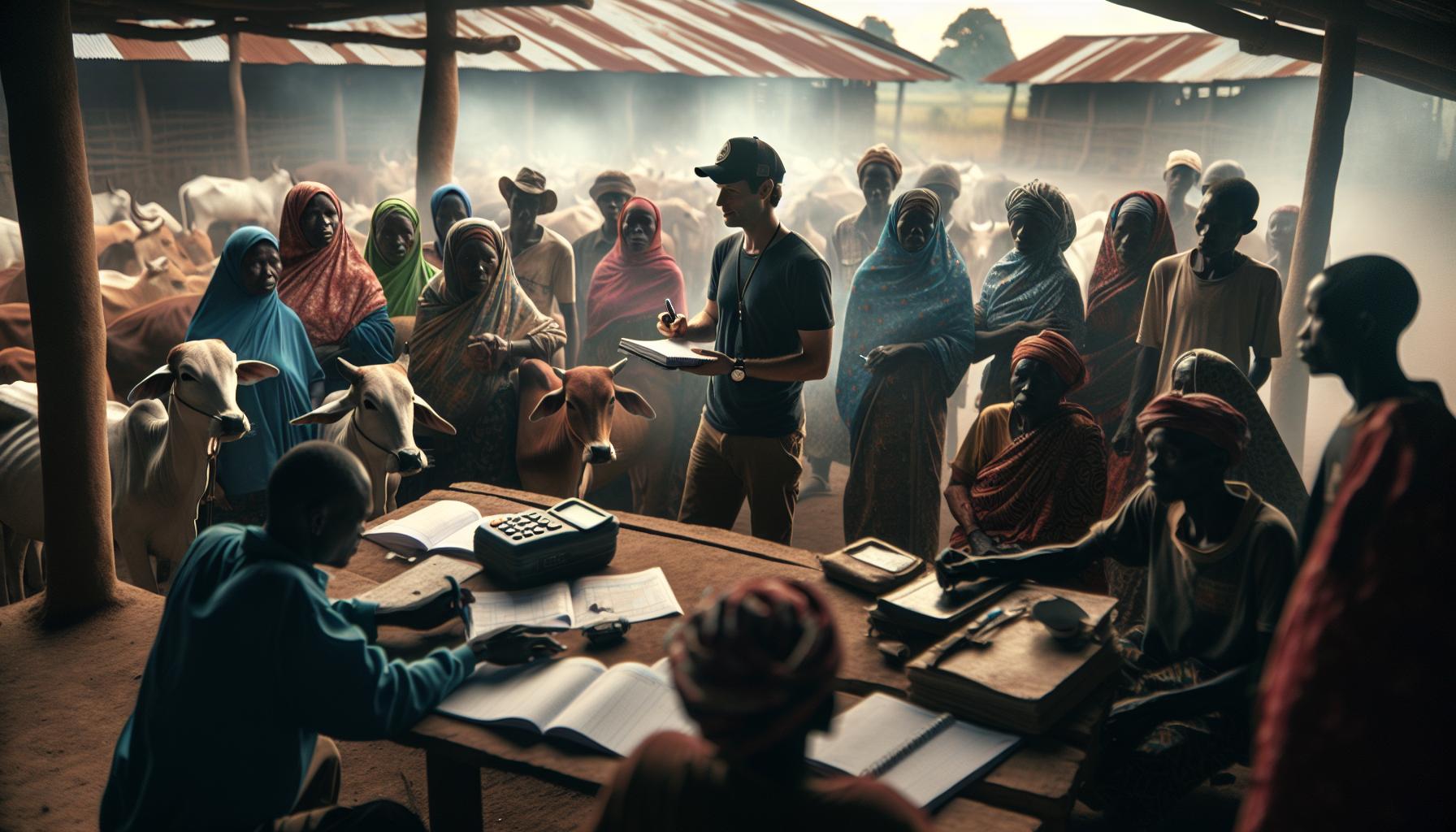
How ASA Microfinance Supports Women Entrepreneurs
Empowering women entrepreneurs is at the core of ASA Microfinance’s mission, fostering economic independence and community development in Bangladesh. With over 60% of ASA’s clients being women, the institution has tailored its services to meet their unique needs, providing not just financial support but also a nurturing ecosystem for growth and sustainability. Research shows that when women gain access to financial resources, they are more likely to invest in their families and communities, leading to profound social and economic changes.
Targeted Financial Products
ASA Microfinance offers a range of tailored financial products designed specifically for women entrepreneurs. These include microloans that allow women to start or expand their businesses and flexible repayment options that accommodate their varying income streams. For instance, a woman running a small tailoring business can secure a loan to purchase bulk fabric, thereby increasing her output and, subsequently, her income. This not only helps her business thrive but also enhances her family’s financial stability.
Training and Capacity Building
In addition to financial products, ASA places strong emphasis on educational support. Through various training programs, women gain critical skills in business management, financial literacy, and marketing strategies. These programs equip them to better manage their finances and grow their enterprises effectively. For example, women participating in ASA’s training workshops often report improved budgeting skills and greater confidence in negotiating prices with suppliers. This empowerment accelerates their journey toward financial independence and sustainability.
Community Support Networks
ASA’s model also fosters a supportive community among its borrowers. By encouraging group lending practices, women form networks that are vital for their success. These groups offer a platform for sharing experiences and advice, creating a solidarity that reduces the pressure of repayment and enhances accountability. Women hold monthly meetings to discuss their challenges and successes, providing emotional and practical support that fosters resilience and collaboration.
The impact of ASA Microfinance is evident through numerous success stories of women who have transformed their lives through entrepreneurship. By addressing both financial barriers and social biases, ASA is not only lifting individuals but also contributing to broader societal change, aligning with global efforts to achieve gender equality and economic empowerment. Through its comprehensive approach, ASA Microfinance continues to support women entrepreneurs in transforming their dreams into reality, thus paving the way for a more equitable future.
The Lending Model of ASA: Process and Benefits
The lending model of ASA Microfinance is designed to be inclusive and empowering, providing a robust framework that enables entrepreneurs, particularly women, to access the financial resources they need to thrive. At its core, ASA’s approach revolves around a community-based lending mechanism that reduces the risks associated with individual borrowing while fostering social solidarity among borrowers. This model not only supports borrowers in managing their loans more effectively but also encourages accountability and mutual assistance.
Group Lending Approach
One of the most distinctive features of ASA’s lending model is its emphasis on group lending. Borrowers join groups that serve as both support networks and platforms for securing loans. Each group is responsible for collectively guaranteeing the loans taken by its members, significantly lowering the risk of default. This practice not only enhances the likelihood of repayment but also builds trust and camaraderie among members. For example, a newly formed group of women entrepreneurs can share their experiences, offer advice, and even collaborate on business ventures, creating a resilient support system.
Flexible Loan Terms
ASA understands that the financial needs of entrepreneurs can vary greatly, particularly in response to market fluctuations and individual circumstances. Therefore, the organization offers a range of flexible loan products tailored to the unique needs of its clients. Borrowers can access small microloans with manageable interest rates, designed to help them start or expand their businesses without the burden of excessive debt. These loans often come with customized repayment schedules that align with the seasonal income patterns common in small enterprises, allowing clients to manage their cash flow effectively and reduce financial stress.
Financial Literacy and Support
An integral part of ASA’s lending model is the focus on financial literacy. Before disbursing loans, ASA provides borrowers with essential training on managing finances, budgeting, and understanding credit. This education empowers clients to make informed financial decisions, not just regarding their loans but also in the broader context of their business operations. For instance, women trained in financial management might identify cost-saving opportunities or discover new channels for business growth that they hadn’t considered prior to receiving training and support.
In summary, ASA Microfinance’s lending process is a harmonious blend of community support, flexible financial options, and educational initiatives. This comprehensive approach not only mitigates risk and enhances loan repayment rates but also fosters a culture of entrepreneurship among the most vulnerable populations. By facilitating access to capital while simultaneously equipping clients with the skills to thrive, ASA ultimately contributes to reducing poverty and empowering communities across Bangladesh.
Success Stories: Real Impact of ASA Microfinance
Success stories from ASA Microfinance illuminate the transformative power of financial access in Bangladesh, showcasing how microloans have catalyzed tangible change in the lives of entrepreneurs. One such story is that of Shila, a mother of three who used her first loan of 15,000 BDT (approximately $180) to purchase a sewing machine. This small investment enabled her to start a tailoring business from her home, allowing her to balance childcare with entrepreneurship. Over time, with the support of ASA’s financial literacy programs, Shila expanded her services to include school uniforms for local children, ultimately doubling her income and ensuring her children received a quality education.
Cases like Shila’s are common among ASA’s clientele, revealing a pattern of empowerment through education and community solidarity. Borrowers not only receive financial support but also gain critical skills that reshape their livelihoods. Many such as Rahim, a young farmer, utilized a microloan to invest in better seeds and irrigation techniques. Rahim’s yield increased significantly, allowing him to sell surplus produce in nearby markets. Through ASA’s training sessions on sustainable farming practices, he has learned to diversify his crops, further securing his income against fluctuating market prices.
Another noteworthy aspect of ASA’s impact is its focus on women entrepreneurs. Fatema, who started with an initial loan of 10,000 BDT, leveraged ASA’s group lending model to gain confidence and financial independence. She initially sold handmade jewelry but expanded her business by collaborating with other artisans through her support group. Today, Fatema not only sustains her family but has also employed several women from her community, fostering a supportive ecosystem of female entrepreneurship.
The ripple effect of these success stories contributes to broader community development. Increased incomes lead to improved living conditions, access to healthcare, and educational opportunities for children, breaking cycles of poverty. By empowering individuals like Shila, Rahim, and Fatema, ASA Microfinance not only transforms lives but also cultivates resilient communities ready to face future challenges. As ASA continues to innovate and respond to the needs of its clients, the potential for further success stories remains boundless, proving that even small loans can lead to significant life changes.
Financial Education and Support Programs at ASA
Access to financial education can be a game changer for many aspiring entrepreneurs in Bangladesh, and ASA Microfinance places a strong emphasis on this crucial aspect. Understanding how to manage finances, budget effectively, and navigate the complexities of entrepreneurship can significantly enhance the sustainability and profitability of small businesses. ASA offers an array of programs tailored to equip borrowers with the knowledge and skills needed to make informed financial decisions.
One of the key components of ASA’s financial support programs is its comprehensive training workshops. These workshops cover essential topics such as budget management, saving strategies, and the importance of maintaining financial records. Participants are encouraged to engage in interactive discussions, enabling them to share experiences and foster peer learning. For instance, many women entrepreneurs have reported feeling more confident in their budgeting skills after attending these sessions, leading to better management of their household and business finances. By equipping clients with these critical skills, ASA not only aids in individual business success but also contributes to broader economic resilience within communities.
Real-World Impact of Financial Education
The impact of ASA’s financial education programs is evident in the success stories of its clients. For example, a group of local artisans attended ASA’s workshops focusing on business planning and market analysis. Armed with this knowledge, they collaborated to create a cooperative that increased their production capacity and market reach. By understanding their costs and potential profit margins, they could reinvest in their businesses more strategically. This sort of transformation underscores the necessity of financial literacy in driving sustainable entrepreneurship.
Moreover, ASA integrates technology into its training programs, introducing tools like mobile banking and budgeting apps. By familiarizing borrowers with these resources, ASA empowers them to utilize modern financial solutions, making banking more accessible and efficient. Increased access to mobile platforms also enables clients to track their business expenses in real-time, fostering a culture of financial accountability and transparency.
In conclusion, ASA Microfinance’s commitment to financial education not only strengthens individual enterprises but also cultivates a community of informed entrepreneurs prepared to tackle challenges and seize opportunities. Through structured training and innovative solutions, ASA is helping to build a foundation of financial literacy that promotes not just personal success but also sustainable economic development across Bangladesh.
Challenges Faced by ASA Microfinance in the Industry
Operating in the dynamic landscape of microfinance, ASA faces a myriad of challenges that can impact its effectiveness and outreach. One significant hurdle is the increasing competition from both traditional banks and other microfinance institutions (MFIs). With the growing awareness of financial inclusion, many new players are entering the sector, often offering attractive terms and conditions to potential borrowers. This crowded marketplace can dilute ASA’s clientele and pressure it to innovate continuously to maintain its competitive edge.
Moreover, managing borrowers’ repayment capacities remains a critical issue. Many clients operate in a volatile economic environment where external shocks, such as natural disasters or economic downturns, can hinder their ability to repay loans. ASA has established robust risk assessment mechanisms to evaluate borrowers’ financial health; however, unforeseen circumstances can still lead to increased default rates. To mitigate this risk, ASA is exploring innovative solutions like flexible payment plans and microinsurance products to help borrowers manage their obligations during tough times.
Challenges around technology integration also pose barriers to ASA’s growth. While the organization has made strides in digitalizing its operations, many clients in rural areas still face difficulties accessing advanced financial technologies. Internet connectivity issues and digital literacy gaps can prevent borrowers from fully benefiting from mobile banking and online services. ASA is actively addressing these concerns through community outreach programs that not only enhance digital literacy but also promote the use of technology in daily financial management.
Finally, maintaining a balance between profitability and social mission is an ongoing struggle for ASA. As a leading microfinance institution, it is imperative for ASA to support its clients without imposing unreasonable interest rates. Striking this delicate balance requires continuous monitoring and adjustments to its financial models to ensure sustainability while fostering inclusive growth. By prioritizing transparent practices and community engagement, ASA aims to strengthen its relationship with borrowers, reinforcing trust and loyalty in an increasingly competitive field.
Comparative Analysis: ASA vs. Other MFIs in Bangladesh
In the competitive landscape of microfinance in Bangladesh, ASA stands out not just for its scale but for its innovative approaches to empowering underserved communities. With over 20 years in operation, ASA has developed distinctive strategies that set it apart from other Microfinance Institutions (MFIs). Unlike many MFIs that typically focus on short-term lending, ASA emphasizes holistic financial education, which promotes not just individual outcomes but community-wide benefits. This integrated approach facilitates the development of a robust entrepreneurial ecosystem, where borrowers are not merely recipients of credit but are nurtured to become capable business owners.
Key Differentiators
ASA’s operational model significantly differs from that of its competitors in several key areas:
- Low Interest Rates: ASA is renowned for its commitment to keeping interest rates low, which directly benefits borrowers by making repayments more manageable. This strategic focus helps differentiate ASA in a marketplace often characterized by predatory lending practices.
- Group Lending Model: While many MFIs use the group lending method primarily for leverage over peer accountability, ASA integrates it with a strong community-building ethos. This fosters collaboration and support among clients, enhancing repayment rates and encouraging entrepreneurial endeavors.
- Flexibility and Accessibility: ASA’s services are designed to be inclusive, offering tailored products for various demographics, including rural women. Many MFIs apply rigid terms that may not accommodate the unique circumstances of all borrowers; ASA’s flexible repayment options and microinsurance products demonstrate a commitment to understanding borrower needs.
Comparative Outcomes
To illustrate the impact of ASA relative to other MFIs, consider recent data that highlight the success rates and overall client satisfaction. An analysis of ASA clients shows a 70% success rate in business sustainability compared to a 55% average across competing MFIs. Furthermore, according to client feedback surveys, ASA reported a satisfaction rate of 85%, with borrowers praising the personalized service and support systems, as opposed to a satisfaction rate of approximately 65% for other institutions.
The success stories of ASA clients serve as powerful testaments to the efficacy of its approach. For example, a female entrepreneur who received initial capital to start a textile business now employs several local women, creating not just economic opportunities but fostering a sense of community empowerment. This is a stark contrast to many other MFIs where individual success stories are often less prominent, indicating a need for broader community-oriented strategies.
In conclusion, while other MFIs in Bangladesh play essential roles in financial inclusion, ASA distinguishes itself through its commitment to low-interest, flexible lending paired with comprehensive support for client education and community development. This multifaceted approach not only uplifts individual borrowers but also spurs broader social change, reinforcing ASA’s position as a leader in the microfinance sector.
Future Prospects: Innovations in ASA Microfinance Strategies
In an ever-evolving landscape, ASA Microfinance is poised to adopt innovative strategies that align with the changing needs of its clients and the global microfinance sector. One promising area is the integration of technology in their service delivery. By leveraging mobile banking applications, ASA can enhance accessibility for borrowers, particularly in remote areas. For instance, using digital platforms can streamline loan applications, disbursements, and repayments, enabling quicker transactions and improved tracking of financial activities. This not only empowers clients with real-time access to their financial status but also reduces operational costs for ASA.
An exciting avenue for ASA is the potential for partnerships with fintech companies. Collaborating with tech firms can lead to the creation of tailored financial products that meet the unique needs of different demographics. For instance, introducing microinsurance products or savings programs that cater specifically to women entrepreneurs can significantly enhance the empowerment of this group. ASA could implement data-driven insights from such collaborations to design customized financial solutions, further supporting its mission of upliftment and sustained growth for underserved communities.
Moreover, ASA can amplify its role in tackling broader societal challenges by aligning with the Sustainable Development Goals (SDGs). By innovating financial education programs that incorporate sustainability themes, ASA can equip its clients with not only business acumen but also knowledge on environmentally friendly practices. Workshops on sustainable agriculture, energy-efficient technologies, and sustainable business practices could be integrated into their offerings. This holistic approach can foster a new generation of entrepreneurs who are not only financially literate but also conscious of their environmental impact.
Finally, ongoing assessment and adaptation of its strategies will be crucial. ASA can implement a robust feedback mechanism to gather insights from clients about their experiences and challenges. Understanding client needs will enable ASA to dynamically alter its products and services, maintaining its relevance in a competitive market. By focusing on innovation, collaboration, and sustainability, ASA Microfinance can strengthen its leadership in the microfinance sector while driving significant social impact.
Role of ASA in Sustainable Development Goals (SDGs)
In the quest to enhance global well-being, microfinance institutions like ASA Microfinance play a pivotal role in advancing the Sustainable Development Goals (SDGs). With a focus on empowering marginalized communities, ASA’s approach intertwines financial inclusion with social and environmental responsibility. Their mission not only aims to alleviate poverty but also to foster sustainable economic growth and bolster community resilience.
One of ASA’s strategies is the integration of sustainability into their core financial services. They conduct workshops that educate clients on sustainable agricultural practices, which enhance productivity while preserving natural resources. For example, farmers are taught techniques such as crop rotation and organic farming, which not only increase yields but also contribute to environmental conservation. By aligning their services with the SDGs, ASA ensures that borrowers are equipped with the knowledge to make environmentally sound decisions that have long-term benefits for their families and communities.
Furthermore, ASA recognizes the importance of gender equality in achieving sustainable development. Their targeted lending programs for women entrepreneurs help close the gender gap in business ownership and enhance women’s economic empowerment. This commitment is reflected in supporting female clients with tailored financial products and providing training in business management and financial literacy. These initiatives align with SDG 5, promoting gender equality and empowering all women and girls, ultimately fostering a more balanced and inclusive economy.
Innovative partnerships are also a cornerstone of ASA’s strategy in promoting the SDGs. Collaborating with local NGOs and government entities, ASA facilitates community-based projects focusing on education and health, ensuring that clients have access to essential services. For example, health education programs integrated into financial training sessions not only improve the health literacy of communities but also correlate with improved economic outcomes for families, illustrating the interconnectedness of health and economic stability.
By harmonizing their financial services with the SDGs, ASA Microfinance not only enhances the economic prospects of their clients but also nurtures a culture of sustainability that can lead to transformational changes in society. Through continuous evaluation of their strategies and adaptation to the evolving needs of their clients, ASA is positioned to play a significant role in driving sustainable development within Bangladesh and beyond.
Q&A
Q: What are the main goals of ASA Microfinance in Bangladesh?
A: The primary goals of ASA Microfinance are to empower underprivileged communities, reduce poverty through financial inclusion, and support entrepreneurship among marginalized groups, especially women. By providing accessible loans and financial education, ASA aims to foster sustainable economic development in Bangladesh.
Q: How does ASA Microfinance ensure the sustainability of its services?
A: ASA Microfinance focuses on sustainability through efficient management, a strong recovery system, and diversification of financial products. This approach enables them to maintain a stable operational model and reinvest profits into community development projects, enhancing their long-term impact.
Q: What types of financial products does ASA Microfinance offer?
A: ASA Microfinance offers various financial products, including microloans for small businesses, agricultural loans, emergency loans, and savings accounts. These products cater to the diverse needs of low-income individuals and groups, promoting economic self-sufficiency and financial literacy.
Q: How does ASA Microfinance support financial education?
A: ASA Microfinance supports financial education through workshops and training sessions that teach beneficiaries essential skills in budgeting, saving, and managing debt. This empowerment helps clients make informed decisions, improving their financial stability and business success.
Q: What is the impact of ASA Microfinance on local economies in Bangladesh?
A: ASA Microfinance significantly impacts local economies by increasing access to capital for small businesses, which fosters job creation and income generation. This economic activity helps uplift communities and contributes to broader economic growth in rural and urban areas.
Q: How does ASA Microfinance measure its success?
A: ASA Microfinance measures success through various metrics, including the number of loans disbursed, repayment rates, and the economic improvement of clients. They also assess social impact through client feedback and changes in beneficiaries’ quality of life.
Q: Why is ASA Microfinance considered a leader among MFIs in Bangladesh?
A: ASA Microfinance is considered a leader among MFIs in Bangladesh due to its large client base, innovative lending models, and comprehensive support services. Its commitment to empowering communities and its successful operational strategies set it apart from other institutions in the sector.
Q: What challenges does ASA Microfinance face in its operations?
A: ASA Microfinance faces challenges such as regulatory pressures, increasing competition from other MFIs, and economic fluctuations that impact borrowers’ ability to repay loans. Addressing these issues requires continuous adaptation and strategic planning to sustain their mission.
The Way Forward
As we conclude our exploration of ASA Microfinance, it’s clear that this leading Microfinance Institution plays a crucial role in transforming lives across Bangladesh. By empowering entrepreneurs and fostering financial inclusion, ASA not only helps break the cycle of poverty but also encourages sustainable economic growth. If you’re inspired by the impact of microfinance, consider diving deeper into how financial solutions can change communities globally-check out our articles on the Essentials of Microfinance and How to Get Involved With Microfinance Initiatives.
Don’t miss out on the chance to stay informed! Sign up for our newsletter to receive the latest insights and success stories from the world of microfinance. We invite you to share your thoughts in the comments section and explore related resources that can further enhance your understanding of how microfinance can create meaningful change. Together, let’s continue the conversation on financial empowerment and support the growth of communities worldwide!
Get our latest guides, news, and insights highlighted in your Google Search & AI Overviews.