
In an age where traditional funding sources often fall short, crowdfunding has emerged as a revolutionary way to bring ideas to life. Imagine tapping into the collective power of passionate individuals to support your vision-whether it’s launching a startup, funding a creative project, or backing a social initiative. This complete guide will demystify crowdfunding, showcasing how it enables anyone, regardless of financial background, to access capital while fostering community engagement. With successful campaigns raising millions and transforming dreams into reality, it’s clear that crowdfunding isn’t just a trend; it’s an essential tool for innovation and social change. Ready to unlock the potential of collective funding? Let’s dive into the world of crowdfunding and explore how you can harness its power for your next venture.
Understanding Crowdfunding: Definition and Key Concepts
Crowdfunding has transformed the way individuals and organizations raise funds, democratizing access to capital in ways that were once unimaginable. At its core, crowdfunding harnesses the collective power of a large number of people, often through online platforms, to finance projects, startups, and even charitable causes. This innovative funding method allows creators to present their ideas directly to potential backers, eliminating the gatekeeping traditionally associated with banks and venture capitalists.
Key Concepts of Crowdfunding
Understanding crowdfunding involves familiarizing yourself with its fundamental concepts. At its essence, crowdfunding is a way to gather small contributions from many individuals to reach a larger financial goal. This model is particularly effective because it connects creators with audiences who are passionate about their projects, fostering a sense of community. The key pillars of crowdfunding include:
- Platforms: Websites like Kickstarter, GoFundMe, and Indiegogo provide the infrastructure for projects to gain visibility and for potential backers to contribute.
- Types of Funding: Crowdfunding typically falls into several categories, including reward-based, equity-based, donation-based, and debt crowdfunding, each catering to different types of projects and investor preferences.
- Campaign Elements: Successful campaigns usually feature a compelling narrative, engaging visuals, and clear goals. Campaign creators often offer incentives, such as exclusive products or recognition, to motivate contributions.
This approach allows not just for the funding of creative or entrepreneurial endeavors but also paves the way for community-driven initiatives and social impact projects. For instance, a local charity might successfully rally financial support through a crowdfunding campaign, highlighting both the project’s needs and the community’s values, thus engaging local supporters to contribute.
Understanding these fundamental concepts can empower potential creators and backers alike, enabling them to navigate the crowdfunding landscape effectively. As this model continues to evolve, it presents vast opportunities for anyone looking to turn their ideas into reality while fostering collaboration and support among individuals.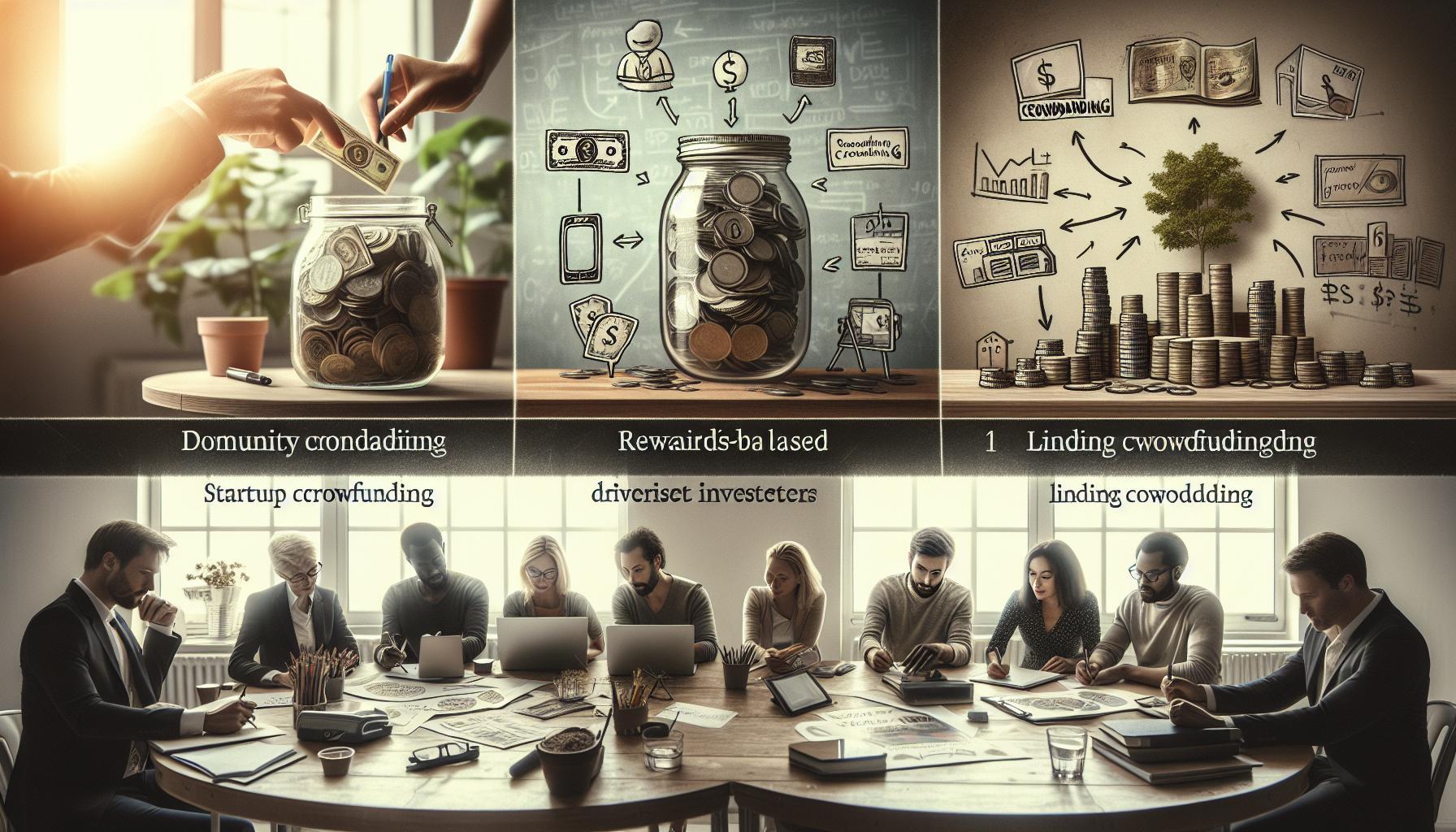
The Different Types of Crowdfunding Explained
Crowdfunding has revolutionized the world of finance, offering diverse avenues for raising funds. Understanding the various types of crowdfunding can help creators and backers choose the right approach to meet their specific needs and goals. Here’s a look at the most common types of crowdfunding and how they operate.
Reward-Based Crowdfunding
One of the most popular forms of crowdfunding, reward-based crowdfunding allows creators to raise funds by offering tangible rewards or incentives to backers once the campaign is successful. This model is prevalent on platforms like Kickstarter and Indiegogo, where a project’s backers might receive exclusive merchandise, early access to products, or special experiences based on their contribution levels. For instance, a board game creator might offer different editions of the game as rewards, enticing backers with various options that correlate to their pledged amount.
Donation-Based Crowdfunding
Donation-based crowdfunding focuses on raising money for charitable causes or social projects, where backers do not expect any financial return or reward. This type typically occurs on platforms like GoFundMe, where individuals share personal stories or community projects that resonate with potential donors. An example could be a community seeking funds to build a local playground, appealing to the community’s sense of shared responsibility and goodwill.
Equity-Based Crowdfunding
Equity-based crowdfunding allows backers to invest in a business venture in exchange for an ownership stake or shares in the company. This model brings together entrepreneurs seeking capital with investors looking for potential returns on their investments. Platforms like Crowdcube or SeedInvest facilitate this type of fundraising by enabling startups to present their business plans to potential investors. For example, a tech startup might raise funds through equity crowdfunding to develop its innovative product, offering equity in return for financial backing.
Debt-Based Crowdfunding
Also known as peer-to-peer lending, this type involves backers lending money to individuals or businesses with the expectation of repayment over time, plus interest. Platforms like LendingClub and Prosper connect borrowers with individual lenders, facilitating loans for personal or business use. A small business owner seeking equipment financing could opt for debt-based crowdfunding, appreciating the often lower interest rates compared to traditional bank loans.
Conclusion
Understanding these different types of crowdfunding is imperative for creators and backers navigating the landscape. Each type offers its unique advantages and caters to various project requirements and investor motivations. By aligning a crowdfunding initiative with the appropriate method, creators can not only secure needed funds but also foster a community of engaged supporters rallying around their vision.
How Crowdfunding Works: A Step-by-Step Guide
In today’s dynamic financial landscape, crowdfunding has emerged as a powerful tool that enables creators to leverage the collective financial support of their communities. The process is generally straightforward, involving a series of well-defined steps that anyone can follow to successfully launch a crowdfunding campaign.
Start by clearly defining your project or business idea. A compelling story is integral to attracting backers, so provide a detailed overview of your vision, the problem you’re solving, and the impact you hope to achieve. Next, set a realistic funding goal. This should cover all necessary costs, including production, marketing, and any fees associated with the crowdfunding platform you choose. Remember, transparency is key; backers appreciate knowing how their funds will be utilized.
Once you have your project outlines and funding goals established, create a marketing plan to promote your crowdfunding campaign. This involves selecting the appropriate platform-like Kickstarter for creative projects or GoFundMe for charitable causes-and designing engaging content, such as video pitches and graphics, to capture attention. A well-executed marketing strategy can significantly increase visibility and engagement, often leading to higher funding amounts.
After launching your campaign, actively engage with potential backers. Utilize social media, email newsletters, and community outreach to build momentum. Respond promptly to inquiries and provide regular updates on your progress. This not only keeps your audience informed but fosters a sense of community and ownership among backers. Once the campaign concludes, whether successful or not, remember to follow through by fulfilling any promises made, such as delivering rewards. This will build trust and potentially foster support for future projects.
By adhering to these steps and continuously connecting with your audience, you can harness the power of crowdfunding effectively, turning your ideas into reality with the collective support of your community.
Benefits of Crowdfunding for Creators and Backers
Crowdfunding has revolutionized the way creators fund their projects, making it a notable alternative to traditional funding avenues. For creators, the benefits extend far beyond merely obtaining financial support; they also gain access to a community of engaged backers who are invested in their success. This dual benefit helps foster a strong relationship between creators and contributors, enhancing the overall crowdfunding experience.
Empowerment Through Community Support
One of the primary advantages for creators is the immediate ability to gauge interest in their concept or product. When individuals pledge funds, they are essentially voting in favor of the project. This not only provides crucial market validation but also allows creators to refine their ideas based on feedback received from backers. For instance, a tech startup seeking funding for a new gadget can use crowdfunding as a litmus test: if their campaign garners substantial interest, they can confidently proceed with product development, knowing there is a demand.
Moreover, crowdfunding platforms often act as marketing tools. Creators can reach a global audience, maximizing visibility beyond what local funding sources might provide. Successful campaigns create a ripple effect, generating excitement and media attention that can lead to additional funding opportunities. A striking example is the Pebble smartwatch, which raised over $10 million on Kickstarter, far surpassing its initial goal. This remarkable success story shifted it from a small startup to a market player, largely driven by the support and enthusiasm of the crowdfunding community.
Access to Diverse Funding Sources
For backers, the benefits lie in the ability to support projects they believe in while gaining exclusive access to early products or services. Many crowdfunding campaigns offer tiered rewards that incentivize different levels of contribution, which can range from branding perks to early-bird specials on products that are not yet available to the general public. This structure creates a sense of involvement and ownership, as backers feel they are contributing to a project that reflects their personal values or interests. For example, individuals supporting a social cause or innovative technology not only help fund these projects but also become part of a community focusing on shared interests and goals.
Ultimately, crowdfunding provides both creators and backers with a platform for collaboration and innovation. It breaks down traditional barriers to funding, allowing passionate individuals to transform their visions into realities while also enabling backers to play a crucial role in the creative process. By connecting communities around common projects, crowdfunding fosters a cycle of support and empowerment that extends well beyond financial contributions.
Common Crowdfunding Platforms: Choosing the Right One
When considering crowdfunding as a viable funding avenue, selecting the right platform is paramount. With numerous options available, each tailored to different needs and audiences, understanding the distinct features and benefits can significantly enhance your crowdfunding experience. Choosing a platform that aligns with your project can maximize outreach, funding potential, and the overall success of your campaign.
Types of Crowdfunding Platforms to Consider
There are primarily three types of crowdfunding platforms: donation-based, rewards-based, and equity crowdfunding.
- Donation-Based Crowdfunding: Platforms like GoFundMe allow individuals to raise money for causes without offering anything in return. These are ideal for charitable projects, personal causes, or community support, as they thrive on stories that resonate with potential donors.
- Rewards-Based Crowdfunding: Kickstarter and Indiegogo are popular in this category, where backers receive rewards or products in exchange for their contributions. This model is particularly effective for creative projects, product launches, or startups looking to validate their business ideas while generating early interest.
- Equity Crowdfunding: Platforms such as SeedInvest and Crowdcube allow backers to invest in a startup in exchange for equity. This model is suited for businesses seeking substantial investment and willing to share ownership with their supporters.
Key Considerations for Choosing a Platform
When selecting a crowdfunding platform, a few key factors should guide your decision:
- Target Audience: Consider where your potential backers are likely to engage. Platforms like GoFundMe cater primarily to personal causes and nonprofits, while Kickstarter attracts creators and entrepreneurs.
- Fee Structure: Review each platform’s fee arrangements carefully. Some charge a percentage of the funds raised, while others might have flat fees. Understanding the costs involved ensures that your campaign budget remains intact.
- Technical Features: Evaluate user-friendliness and the technical capabilities of the platform, including payment processing, data analytics, and marketing tools. Robust analytics can help track progress and optimize your campaign.
- Community Engagement: Look at how active and supportive the platform’s community is. Some platforms foster a strong sense of community which can enhance your project’s visibility and backer engagement.
By taking the time to assess these platforms and aligning your project’s needs with their strengths, you can create a more effective and tailored fundraising campaign. The right platform not only supports your financial goals but also enhances your ability to connect with like-minded backers, fostering a community around your vision.
Legal Considerations in Crowdfunding Campaigns
Navigating the world of crowdfunding requires not just a compelling idea and a solid strategy, but also a keen awareness of the legal landscape surrounding it. Whether you’re launching a donation-based, rewards-based, or equity crowdfunding campaign, understanding your legal obligations is crucial for protecting your interests and ensuring compliance with regulations. Lack of attention to these details can lead to legal complications, damage to your reputation, or even the failure of your campaign.
One primary legal consideration involves ensuring transparency and honesty in your campaign communications. Misleading potential backers about what their contributions will support can lead to serious legal repercussions. For instance, if you’re raising funds for a specific project, make sure your budget and projected timelines are accurate and realistic. The Federal Trade Commission (FTC) emphasizes the importance of truthful advertising; failure to adhere can result in investigations and penalties. Always disclose any risks associated with the investment or donation, and offer clear terms on how the funds will be used to build trust with your audience.
Additionally, intellectual property rights should not be overlooked. If your crowdfunding project involves original ideas, designs, or products, consider securing trademarks or patents beforehand. This protects your creative work from being copied and ensures you maintain ownership rights. Depending on the nature of your rewards or equity offerings, you may also need to register your project with relevant securities authorities, particularly for equity crowdfunding, which requires adherence to specific regulatory frameworks like the JOBS Act in the United States.
Lastly, familiarize yourself with the terms of service and policies of the crowdfunding platform you choose. Each platform has its own legal requirements that you must comply with in addition to broader legal obligations. Understanding these rules helps prevent potential violations that could jeopardize your campaign. Engage with a legal professional who specializes in crowdfunding or startup law to navigate these complexities and ensure you’re well-prepared before launching your campaign.
By prioritizing these legal considerations, you not only safeguard your project but also create a foundation of trust that can attract and retain backers. Proper legal oversight ultimately allows you to focus more on your project’s creative aspects, knowing that you’re compliant with necessary regulations.
Creating a Successful Crowdfunding Campaign: Best Practices
To maximize the potential of a crowdfunding campaign, understanding and applying best practices is essential. A staggering 90% of crowdfunding campaigns fail to reach their goals; however, applying effective strategies can significantly boost your chances of success. At the heart of a successful campaign lies a compelling narrative that resonates with potential backers. Craft a story that not only outlines the need for funding but also highlights the impact your project will have on the community or individuals involved. A well-told story captures attention, builds emotional connections, and invites participation.
Engagement and Outreach
Active engagement with your audience before and during the campaign is crucial. Utilize multiple channels, including social media, email newsletters, and community events, to build a following. Consider creating teaser videos or behind-the-scenes content that fosters excitement and curiosity about your project. Once your campaign is live, regular updates on your progress, mentioning milestones, and sharing testimonials can keep backers invested. Responses to comments and messages should be timely and personal to enhance trust and loyalty.
Setting Financial Goals and Rewards
Your funding goal should reflect a realistic budget that accounts for all costs related to launching and delivering your project. Additionally, clearly outline what the funds will be used for, as transparency breeds trust. Consider offering tiered rewards that cater to various backer levels-this encourages larger contributions while appealing to smaller donors. For instance, a creative project might offer exclusive merchandise for higher tiers, while lower tiers might include a simple thank-you note or digital content.
Utilizing Data and Feedback
Before launching, you can leverage data-driven insights to refine your approach. Analyzing similar campaigns can inform you about potential pitfalls as well as successful strategies. Post-launch, collect feedback from your backers to understand what aspects of your campaign resonated with them the most. This information not only helps in the current campaign but also equips you to improve future crowdfunding efforts.
By implementing these best practices, you harness the collective potential of your community, establish a trustworthy brand, and ultimately increase the likelihood of reaching or exceeding your financial goals. The journey may be challenging, but with each step, you bring your vision closer to reality.
Marketing Your Crowdfunding Project: Strategies for Success
The success of your crowdfunding project relies heavily on how effectively you market it. Engaging potential backers with a well-crafted promotional strategy is not just beneficial-it’s essential. According to recent studies, campaigns that utilize targeted marketing efforts report significantly higher success rates, proving that the right approach can turn an average project into a thriving endeavor. By leveraging specific techniques and channels, you can amplify your message and garner support for your vision.
Utilize Social Media Wisely
Social media platforms are powerful tools for reaching a vast audience. Craft a content calendar that includes a mix of promotional posts, engaging updates, and relatable stories that connect your project to your audience’s interests. Use visuals, such as eye-catching graphics or videos, to capture attention. Engaging with followers in real time-responding to comments, and sharing content that resonates with your target demographic-can significantly enhance your project’s visibility.
Tap into Your Networks
Start by reaching out to your existing network of friends, family, and professional connections. Personal outreach often yields the most significant benefits. Consider organizing a launch event, either virtually or in-person, where you can present your project and encourage initial backers to contribute. Incentivizing early backers with limited-time rewards can create urgency and momentum. Strategies like these help create a ripple effect, as your initial supporters often share your campaign within their networks.
Leverage Influencer Partnerships
Collaborating with influencers who align with your project’s mission can dramatically broaden your reach. Identify influencers that resonate with your target audience and propose partnerships where they can share your campaign with their followers. This not only lends credibility to your project but also introduces it to a wider pool of potential backers. Consider offering them exclusive insights or rewards that they can share in their promotions to enhance their engagement.
In summary, marketing your crowdfunding project is a dynamic process that requires creativity, persistence, and strategic planning. By leveraging various channels-from social media to your personal networks and influencer partnerships-you can craft a compelling narrative that draws in supporters and increases your chances of success. Consider these strategies as essential components of your campaign toolkit, allowing you to effectively convey your project’s value and connect with those who believe in your vision.
Navigating Challenges in Crowdfunding: Risks and Solutions
Crowdfunding is an exciting landscape, but like any endeavor, it comes with its share of challenges. Understanding these risks is crucial for potential project creators and backers alike. One significant hurdle is the high competition for visibility. With thousands of projects vying for attention on various platforms, cutting through the noise can be daunting. To address this, creators should invest in thorough market research to identify their target audience and tailor their messaging accordingly. Engaging content that resonates with potential backers and a well-defined value proposition can help stand out in a crowded field.
Another challenge lies in funding uncertainties. Unlike traditional financing methods, crowdfunding doesn’t guarantee that projects will raise the desired funds, leaving creators vulnerable to financial shortfalls. To mitigate this risk, it’s essential to set realistic funding goals based on clear budgeting and an understanding of associated costs. Many successful campaigns adopt an incremental approach, where they initially target a lower amount, allowing them to build momentum and credibility before seeking larger sums.
Legal complexities also loom large in crowdfunding. Each platform has specific rules and regulations that projects must adhere to, which can vary by country and even by state. Failure to comply can result in severe penalties or campaign cancellation. Creators should take time to familiarize themselves with these legal requirements and, if necessary, consult legal professionals to ensure compliance. This not only protects the campaign but instills confidence in backers, who may be wary of investing in projects that don’t seem trustworthy.
Finally, overseeing the project’s fulfillment can be a daunting task. Many creators underestimate the logistical requirements needed to deliver promised rewards. To navigate this challenge, establishing a clear timeline and maintaining open communication with backers is vital. Regular updates about project progress can help manage expectations and build trust, while detailed planning ensures that creators can deliver on their promises-critical for long-term success and future crowdfunding endeavors.
In summary, while the path to successful crowdfunding can be fraught with challenges, proactive strategies can turn potential pitfalls into resounding triumphs. By understanding the competitive landscape, setting achievable goals, navigating legal requirements, and focusing on fulfillment logistics, both creators and backers can enhance their crowdfunding experience, making it a rewarding venture that fosters innovation and community engagement.
Analyzing Successful Crowdfunding Case Studies
The success stories in crowdfunding illustrate not just the potential for financial gain but the power of community support around innovative ideas and meaningful causes. One quintessential example is the Pebble Smartwatch, which holds the record for one of the most successful Kickstarter campaigns of all time. Launched in 2012, Pebble aimed to raise $100,000 but ended up securing over $10 million from nearly 69,000 backers. This success stemmed from a combination of a clear value proposition, engaging storytelling, and an effective marketing strategy that utilized social media platforms extensively to reach tech enthusiasts interested in wearable technology.
Another remarkable case is that of the Coolest Cooler, which raised over $13 million on Kickstarter after setting an initial goal of $50,000. Coolest’s creators blended a functional outdoor cooler design with a range of appealing features, including a blender, Bluetooth speaker, and phone charger. The project gained traction not just through innovative product design but also through a well-planned campaign that included engaging presentation videos and lively updates that kept backers excited and informed. Lessons from the Coolest Cooler demonstrate the importance of integrating product function with emotional appeal, thereby creating a compelling narrative that resonates with potential backers.
Key Strategies for Successful Campaigns
To analyze these successful campaigns, several recurring strategies emerge:
- Clear Objectives: Clearly define what you hope to achieve and communicate that effectively in your campaign. Both Pebble and Coolest set ambitious yet clear funding goals that captured attention.
- Engaging Storytelling: Use storytelling to create emotional connections. Campaigns that weave personal narratives or relatable challenges often see better engagement.
- Leveraging Social Media: Active promotion on social media platforms can drive awareness and shares. Both campaigns took advantage of sharing features to expand their reach significantly.
- Regular Communication: Keeping backers updated fosters trust and builds community. Frequent updates about project progress create a sense of ownership among supporters.
By examining these successful crowdfunding case studies, aspiring creators can gain insights into the elements that resonate with backers. Crafting a compelling narrative while maintaining transparency and engagement can significantly enhance the likelihood of campaign success. As crowdfunding continues to evolve, these lessons remain timeless, illustrating that at its core, the essence of crowdfunding is about building community connections around shared goals and visions.
The Future of Crowdfunding: Trends and Innovations
As the landscape of crowdfunding continues to evolve, exciting innovations and trends are shaping the future of collective financing. The increased accessibility of digital platforms, coupled with emerging technologies, is paving the way for a more dynamic and inclusive crowdfunding ecosystem. One significant trend is the rise of niche crowdfunding platforms tailored to specific interests and communities, from arts and gaming to environmental causes. This specialization allows creators to connect with targeted audiences more effectively, fostering stronger engagement and support.
Technological Advancements
The integration of advanced technologies like blockchain is revolutionizing how crowdfunding operates. Blockchain technology enhances transparency and security, which are critical in building trust with backers. Smart contracts automate processes, ensuring that funds are only released when specific conditions are met. This kind of innovation not only simplifies transactions but also mitigates risks associated with mismanagement or fraud. Additionally, the introduction of AI tools is helping campaign creators analyze market trends and tailor their pitches in real-time, improving their chances for success.
Social Impact and Sustainability
Another vital trend is the growing emphasis on social impact and sustainability within crowdfunding projects. Many backers are increasingly drawn to campaigns that not only promise financial returns but also offer positive social or environmental contributions. For example, green crowdfunding initiatives are gaining traction, allowing the financing of eco-friendly products and projects that address climate change and promote sustainability. This orientation towards impact is not only appealing to potential investors but is also cultivating a community of passionate supporters invested in meaningful change.
Community-Building and Engagement
As crowdfunding continues to mature, the importance of community-building is becoming evident. Successful campaigns are increasingly those that prioritize creating strong communities around their projects. This involves not only engaging supporters through updates and communication but also involving them in decision-making processes related to project development. Impact-driven campaigns often leverage storytelling and shared missions to foster a sense of belonging, encouraging backers to contribute not just financially but through advocacy and promotion within their networks.
Embracing these trends is essential for future creators looking to launch successful crowdfunding campaigns. By understanding and adapting to the evolving landscape, they can harness the power of community support and technological innovation to transform their visions into reality.
Crowdfunding for Social Impact: Funding Causes That Matter
In a world increasingly driven by the desire for positive change, crowdfunding has emerged as a powerful tool for funding causes that resonate deeply with individuals. The ability to harness collective financial support not only empowers creators but also fosters a community of backers dedicated to social good. With the global crowdfunding market valued at approximately $12.4 billion in 2021 and projected to grow, this platform’s potential for social impact is immense.
Crowdfunding enables individuals and organizations to launch campaigns for a variety of social causes, demonstrating how collective action can lead to significant progress. Initiatives range from combating climate change through eco-friendly product funding to supporting local communities through social entrepreneurship. For instance, platforms like GoFundMe and Kickstarter have seen campaigns focused on educational resources for underprivileged children, humanitarian aid in crisis situations, and even innovative health solutions aimed at alleviating medical disparities. Such campaigns not only highlight urgent needs but also inspire others to contribute, creating a ripple effect of generosity and community support.
Practical Steps for Launching Impact-Driven Campaigns
To ensure success in crowdfunding for social impact, it’s essential to follow best practices that resonate with potential backers:
- Define Your Cause: Clearly articulate the social or environmental issue your campaign addresses. Use data and compelling narratives to illustrate the significance of the cause.
- Create a Strong Narrative: Engage your audience with storytelling. Share personal experiences or testimonials that convey the emotional weight of your project.
- Utilize Visuals: A captivating video or impactful images can enhance the message of your campaign. Visual content allows potential backers to connect visually and emotionally with the cause.
- Engage Your Community: Foster relationships with supporters. Regular updates and opportunities for feedback create a sense of ownership among backers, encouraging them to spread the word.
- Highlight Transparency: Clearly detail how funds will be used. Transparency builds trust, which is critical in motivating backers to contribute.
By following these steps, campaign creators can significantly increase their chances of success while making a meaningful difference in the world.
Furthermore, connecting financial contributions to tangible outcomes-like funding a specific project or initiative-reinforces the impact of backers’ generosity. For instance, a campaign that funds solar panels for a local school not only presents a financial goal but also visualizes the educational and environmental benefits, engaging backers on multiple levels.
As crowdfunding adapts and grows, creators can leverage innovative approaches, such as integrating social media campaigns and utilizing influencer partnerships, to broaden their reach and enhance their social impact. Ultimately, crowdfunding serves as not just a financial tool but a platform for collective action, making it possible for anyone to fund causes that matter while joining a global community dedicated to change.
Frequently Asked Questions
Q: What are the main types of crowdfunding?
A: The main types of crowdfunding include rewards-based, equity-based, donation-based, and debt crowdfunding. Each type caters to different funding needs, allowing creators to choose the most suitable approach for their projects. Explore more about these types in our section on “The Different Types of Crowdfunding Explained.”
Q: How does crowdfunding work in simple terms?
A: Crowdfunding works by pooling small contributions from a large number of people via an online platform. Campaigners present their projects and funding goals, attracting backers who can then support the initiative with financial contributions. For a detailed breakdown, see our “How Crowdfunding Works: A Step-by-Step Guide.”
Q: Why do people choose crowdfunding over traditional funding methods?
A: People often choose crowdfunding for its accessibility, community engagement, and the ability to validate ideas before launch. It provides a way for anyone to raise capital without relying solely on banks or investors, making it a dynamic choice for various projects. For more insights, refer to our “Benefits of Crowdfunding for Creators and Backers.”
Q: What are the common challenges in crowdfunding campaigns?
A: Common challenges include competition, reaching funding goals, and managing backer expectations. Campaigners must be prepared to address these issues through effective marketing strategies and transparent communication. Our section on “Navigating Challenges in Crowdfunding: Risks and Solutions” offers further details on overcoming these hurdles.
Q: When should someone consider using crowdfunding?
A: Consider using crowdfunding when you have a project with a clear value proposition, require funding within a specific timeframe, or wish to engage directly with your target audience. Effective timing can significantly enhance campaign success. Learn more in our “Creating a Successful Crowdfunding Campaign: Best Practices.”
Q: What legal considerations should I be aware of in crowdfunding?
A: Legal considerations in crowdfunding include compliance with local regulations, understanding investor rights, and ensuring transparency in financial reporting. These aspects are crucial to maintaining trust and adhering to the law. For a comprehensive overview, visit our “Legal Considerations in Crowdfunding Campaigns” section.
Q: How can marketing impact the success of a crowdfunding campaign?
A: Marketing significantly impacts crowdfunding success by creating awareness, generating interest, and driving backers to the campaign. Utilizing social media, email marketing, and storytelling techniques can help increase funding potential. Dive into our “Marketing Your Crowdfunding Project: Strategies for Success” for actionable tips.
Q: Where can I find successful crowdfunding examples to learn from?
A: Successful crowdfunding examples can be found on major platforms like Kickstarter and Indiegogo, where various campaigns showcase their strategies and outcomes. Analyzing these case studies can provide valuable insights into what works. Check out our “Analyzing Successful Crowdfunding Case Studies” section for more inspiration.
Feel free to explore more details within the article, and engage with us for any further questions related to crowdfunding.
In Conclusion
Thank you for exploring “What Is Crowdfunding: Your Complete Guide to Collective Funding.” You’ve uncovered the power of collective funding, but the journey doesn’t end here. Act now and consider how you can leverage crowdfunding for your next project-your ideas deserve the backing they need to flourish! For further insights, dive into our articles on effective post-campaign strategies here and tips for successful crowdfunding preparation here.
Join our newsletter for expert resources to guide you through the crowdfunding landscape, ensuring you’re never alone in your funding journey. Engage with us in the comments below or share your crowdfunding experiences-your story could inspire others! Remember, each step you take in understanding crowdfunding can significantly impact your project’s success. Don’t wait; start your venture today!
Get our latest guides, news, and insights highlighted in your Google Search & AI Overviews.