Did you know that by 2030, unmet funding needs for climate action in developing countries could reach an astonishing $2.5 trillion annually? The UN Green Climate Fund (GCF) plays a crucial role in addressing this challenge. Established to assist developing nations in combating climate change and transitioning to sustainable economies, the GCF not only provides essential financial resources but also fosters innovative approaches to reduce emissions and enhance resilience. As climate change impacts become increasingly severe, understanding how the GCF works is vital for governments, businesses, and individuals alike. This complete guide will delve into the mechanisms of the fund, its significance, and how you can be part of the global movement toward a sustainable future. Let’s explore the transformative potential of the GCF and how it can help turn ambitious climate goals into reality.
What Is the UN Green Climate Fund? Overview of Its Purpose and Goals
The UN Green Climate Fund (GCF) stands as a pivotal financial mechanism established to support the transition into a low-emission and climate-resilient future. Launched during the 2010 UN Climate Change Conference in Cancun, Mexico, its overarching goal is to assist developing countries in their efforts to combat climate change while promoting sustainable development. The GCF aims to channel investments into projects that address both mitigation and adaptation strategies, thereby enabling communities and economies to better withstand the impacts of climate change.
Central to its mission, the GCF seeks to mobilize substantial financial resources from both public and private sectors, with an aim to facilitate the transition to greener economies. This extends beyond simply financing projects; it also includes fostering innovation in sustainable technologies and building local capacities. For instance, the GCF funds projects that range from renewable energy initiatives such as solar and wind power to programs that enhance local farming practices to withstand drought and flooding, demonstrating its commitment to nuanced and context-specific solutions.
The GCF positions itself as a facilitator of transformative change by not only targeting the immediate needs of communities but also laying the groundwork for long-term resilience. By prioritizing projects that have a tangible social and environmental impact, the fund ensures that investments support both current generations and future sustainability. For potential stakeholders, understanding the fund’s purpose and goals is the first step in leveraging its resources to create effective climate action strategies that resonate at local, national, and global levels.
Understanding the Structure: How the Green Climate Fund Works
The Green Climate Fund (GCF) operates as a dynamic mechanism designed to mobilize financial resources for climate action, functioning under the United Nations Framework Convention on Climate Change (UNFCCC). It serves a critical role in addressing climate change by providing financial support and promoting investments in low-emission, climate-resilient development. The GCF’s structure is engineered to facilitate a collaborative approach, engaging various stakeholders, including governments, international organizations, and the private sector.
Central to its functioning is a governance model that incorporates a Board composed of representatives from both donor and recipient countries. This inclusive governance structure ensures that the perspectives and needs of all parties are taken into account, fostering transparency and accountability. The GCF categorizes its funding into two primary windows: mitigation and adaptation. Mitigation projects aim to reduce greenhouse gas emissions, such as renewable energy initiatives, while adaptation projects focus on enhancing resilience to climate impacts, like improved agricultural practices or water management systems.
In practice, accessing the GCF’s resources involves a structured process where eligible countries and entities must submit project proposals that align with national climate priorities and demonstrate significant potential for transformation. These proposals undergo rigorous assessment and must meet specific criteria to qualify for funding. The GCF employs a “readiness” program that helps countries develop the necessary institutional capacities and frameworks to effectively utilize GCF resources. This capacity-building aspect is crucial, as it empowers nations to not only secure funding but also manage and implement climate projects successfully.
A significant feature of the GCF is its emphasis on innovative financing mechanisms, encouraging the leveraging of private investments alongside public funding. This dual approach not only amplifies the financial resources available for climate initiatives but also helps to instill confidence in the sustainability of funded projects. By incorporating diverse financing strategies, including grants, loans, and guarantees, the GCF aims to maximize impact and facilitate comprehensive climate action across developing countries.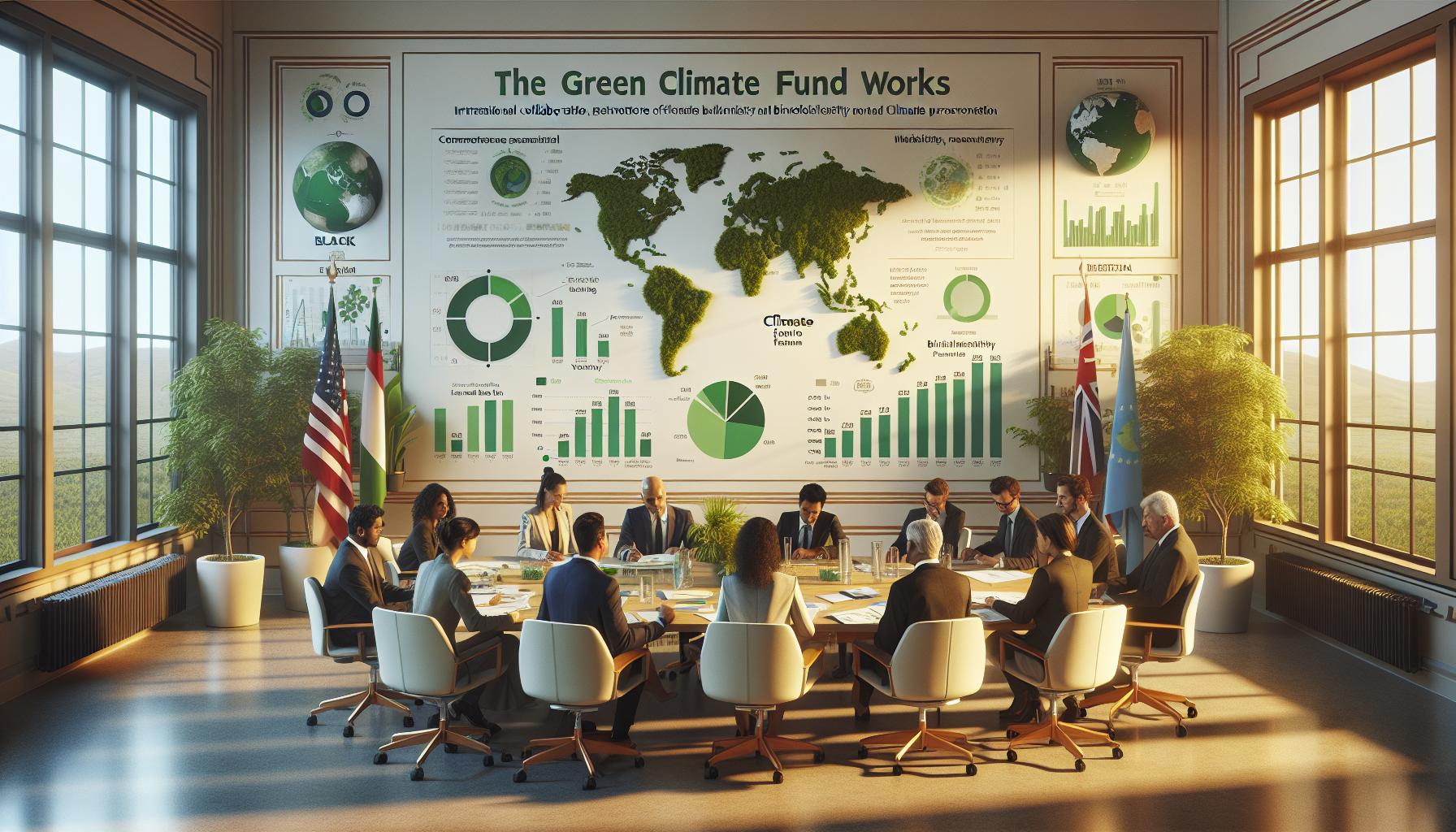
Key Funding Opportunities: Projects and Initiatives Supported
A transformative force in the global fight against climate change, the Green Climate Fund (GCF) champions a variety of projects designed to bolster resilience and promote sustainable, low-emission pathways for developing nations. With a focus on both mitigation and adaptation, the GCF supports initiatives that range from renewable energy development to enhancing systems for water management and agricultural resilience. Each project not only aims to combat the immediate impacts of climate change but also contributes to long-term sustainable development goals.
Major Funding Themes
The GCF categorizes its funding into several key areas, ensuring that resources are allocated where they can achieve the greatest impact. These themes include:
- Mitigation Projects: These projects focus on reducing greenhouse gas emissions through innovative practices such as developing renewable energy sources, improving energy efficiency, and creating sustainable transport systems.
- Adaptation Initiatives: These initiatives are crucial for enhancing climate resilience, particularly in vulnerable communities. Examples include developing climate-resilient agricultural practices and improving coastal defenses against rising sea levels.
- Capacity Building: The GCF invests in strengthening the institutional frameworks necessary for effective climate action. This includes funding “readiness” programs that equip countries to implement climate projects successfully.
Noteworthy Projects
Real-world examples of GCF-funded projects illustrate the diverse applications of its resources. One such project is the RenewStable Barbados, which received up to $40 million in blended concessional financing from the GCF. This innovative solar generation facility, coupled with green hydrogen and lithium-ion battery storage, will not only provide clean energy but also stabilize the Barbadian electricity grid for future demands [3].
Another significant allocation includes over $120 million recently approved to enhance climate resilience across Ghana, the Maldives, and Mauritania. These funds are set to support critical adaptation initiatives that address local vulnerabilities, such as improving agricultural practices and water management systems [1].
Funding Approach and Strategy
The GCF employs a mixed funding approach that combines grants, loans, and guarantees to catalyze private investment alongside public funding. This strategy not only broadens the financial base for projects but also enhances the sustainability and scalability of initiatives. By integrating diverse financing mechanisms, the GCF aims to empower countries to pursue comprehensive climate action, driving innovation while securing lasting environmental benefits.
The fund’s flexible structure and strategic focus on high-impact projects make it a pivotal resource for nations striving to meet their own climate goals while contributing to global efforts against climate change. Each initiative backed by the GCF represents a step toward a more sustainable and resilient future for vulnerable communities around the world.
Eligibility Criteria: Who Can Access the Green Climate Fund?
Access to the Green Climate Fund (GCF) is primarily designed for countries that are most vulnerable to the effects of climate change, ensuring that financial aid is directed where it can create the most significant impact. Eligible recipients include Non-Annex I Parties to the United Nations Framework Convention on Climate Change (UNFCCC), specifically developing countries. This encompasses a wide range of nations, from those classified as Least Developed Countries (LDCs) to Small Island Developing States (SIDS) and other emerging economies.
Countries that wish to access GCF resources must first engage with their National Designated Authority (NDA) or focal point. This key entity is responsible for providing oversight and facilitating communication between the GCF and the government, ensuring that project proposals align with national priorities and strategies for climate action. Entities that are eligible to develop and submit funding proposals include accredited sub-national, national, and regional implementing entities. These entities must undergo a rigorous accreditation process to establish their capacity to manage funds and implement projects effectively, demonstrating policies, track records, and expertise in environmental and social risk management [1].
One important aspect of eligibility is the necessity for projects to align with the GCF’s investment criteria. This includes considerations for impact potential, paradigm shift potential, and sustainable development co-benefits. For example, countries looking to fund renewable energy projects must show how these initiatives will contribute not only to emission reductions but also to broader socio-economic benefits such as job creation and sustainable development.
The GCF also emphasizes gender equality, making it a requirement for implementing partners to integrate gender considerations into project proposals. This commitment to gender-responsive funding demonstrates the GCF’s understanding that climate change affects men and women differently, and that inclusive solutions will enhance the effectiveness and reach of funded projects.
In summary, while the GCF is open to a diverse range of developing countries, it requires a collaborative approach between governments and accredited entities, adhering to strict criteria that ensure both effectiveness and alignment with larger global climate goals. Preparing a successful application to the GCF not only involves demonstrating project viability but also a commitment to sustainability and inclusivity in proposed climate actions.
Step-by-Step Guide to Applying for Financial Assistance
Navigating the application process for financial assistance from the Green Climate Fund (GCF) can seem daunting, especially for countries grappling with the impacts of climate change. By breaking down the process into clear, actionable steps, applicants can enhance their chances of successfully securing funding for their climate initiatives.
Understanding the Application Process
The first step is to connect with your country’s National Designated Authority (NDA). The NDA serves as the main liaison between the GCF and the governmental body, ensuring that project proposals align with national priorities. Each country has a unique structure for its NDA, so it’s essential to familiarize yourself with its processes, understand submission timelines, and ask pertinent questions regarding project specifications and funding categories.
Once you have established contact with the NDA, the next stage involves developing a project concept note (PCN). This document outlines the basic idea, objectives, and anticipated impacts of your project. Here, clarity and alignment with the GCF’s investment criteria are crucial. You’ll need to demonstrate how your initiative will contribute to climate mitigation or adaptation and yield sustainable development co-benefits. For instance, a renewable energy project should not only focus on reducing carbon emissions but also illustrate how it will create jobs and bolster local economies.
Project Proposal Submission
After refining your PCN with input from the NDA, you’ll progress to drafting a full project proposal. This proposal will require more detailed information, including potential project risks, budgetary needs, and an implementation timeline. Be sure to highlight the innovative aspects of your project that align with the GCF’s goal of fostering a paradigm shift in climate finance.
- Step 1: Engage with the National Designated Authority (NDA).
- Step 2: Develop a project concept note (PCN).
- Step 3: Draft a detailed project proposal.
- Step 4: Submit the proposal through the NDA.
Once submitted, the GCF review process will evaluate your proposal against its criteria, focusing on elements such as feasibility, sustainability, and potential for significant climate impact. Feedback may be provided to help refine the project, so be prepared to engage in discussions and revisions.
After Submission: Monitoring and Implementation
If accepted, the implementation of your project will require ongoing communication with the GCF and adherence to reporting obligations. Regular updates on progress, financial expenditures, and outputs are essential for maintaining transparency and ensuring that the project aligns with intended outcomes.
In summary, successfully applying for financial assistance from the Green Climate Fund requires a well-coordinated effort involving local authorities, comprehensive planning, and an ongoing commitment to meeting GCF standards. By following this structured approach, applicants can better position their projects to receive the support necessary to tackle the profound challenge of climate change.
Success Stories: Impact of the Green Climate Fund on Climate Action
The Green Climate Fund (GCF) has made significant strides in fostering impactful climate action across the globe. One compelling example is its support for a project in Bangladesh, where the GCF allocated funds to enhance the resilience of local communities against climate change. The initiative focuses on building robust embankments and developing flood-resistant crop varieties, directly benefiting over 1 million people living in vulnerable coastal areas. This not only safeguards their livelihoods but also helps in preserving local ecosystems, thus showcasing a successful integration of climate adaptation and sustainable development.
Another noteworthy success story can be found in Kenya, where the GCF facilitated a pioneering project aimed at transforming the agricultural sector into a climate-resilient model. By investing in sustainable farming practices and climate-smart technologies, the initiative has helped increase crop yields while reducing carbon emissions. Farmers involved in this project reported up to a 30% increase in production, significantly improving food security and local economies. Such results illustrate how GCF initiatives not only address climate challenges but also promote socio-economic benefits for communities.
Global Impact Through Innovative Projects
In addition to the direct benefits at the community level, the GCF has also made an impact on a broader scale through investment in renewable energy projects. For instance, a significant investment in a solar energy initiative in India has led to the creation of thousands of jobs while providing clean energy to rural areas. This project exemplifies the GCF’s dual focus on climate change mitigation and poverty alleviation, demonstrating how access to affordable and sustainable energy can transform lives.
These success stories are bolstered by the GCF’s commitment to integrating stakeholder input, particularly from local communities and NGOs. By ensuring that projects are designed with the end users in mind, the GCF helps foster ownership, leading to more sustainable and long-lasting impacts. As countries around the world continue to grapple with the effects of climate change, the GCF stands out as a vital mechanism in transforming ambitious climate goals into reality, paving the way for a more resilient and equitable future.
Challenges and Criticisms: Addressing Common Concerns
Despite commendable efforts and successes, the Green Climate Fund (GCF) faces several challenges and criticisms that merit attention. One primary concern is the transparency and accessibility of funding processes. Critics often highlight bureaucratic red tape which can inhibit timely access to funds, particularly for small-scale projects in developing countries. This complexity can deter potential applicants, especially local communities and non-governmental organizations (NGOs) lacking the necessary resources or expertise to navigate the application procedures.
Additionally, the GCF has been scrutinized for the proportion of funds allocated to adaptation versus mitigation projects. While adaptation is crucial for vulnerable countries facing immediate climate impacts, there is pressure to balance funding between long-term mitigation efforts that address the root causes of climate change. In some cases, a perceived bias towards larger infrastructural projects can marginalize smaller, community-driven initiatives that are often more effective in fostering local resilience.
Moreover, the GCF’s reliance on contributions from developed nations can lead to unpredictability in funding levels. Delays in pledges or shifts in political commitment among donor countries can leave funded projects in limbo, creating uncertainty for developing nations that are planning their climate action strategies. To counter these issues, the GCF is exploring innovative financing mechanisms, such as blended finance and public-private partnerships, which could diversify funding sources and enhance project sustainability.
To address these challenges, the GCF can enhance its engagement with grassroots organizations and local communities to ensure that their needs and priorities are reflected in funded projects. Increasing stakeholder involvement not only fosters trust but also contributes to project success, as initiatives designed with community input tend to have higher acceptance and effectiveness. Additionally, simplifying application processes and providing capacity-building support for applicants can help level the playing field, allowing diverse voices to access the resources they need to combat climate change effectively.
The Role of Stakeholders: Governments, NGOs, and Communities
The Green Climate Fund (GCF) thrives on the active engagement of a diverse array of stakeholders, each playing a crucial role in the successful implementation of climate initiatives worldwide. By fostering collaboration between governments, non-governmental organizations (NGOs), and local communities, the GCF creates a more inclusive approach to climate finance, ensuring that resources are directed toward projects that genuinely meet the needs of vulnerable populations most affected by climate change.
Government Involvement
Governments are essential partners in utilizing GCF resources effectively. They are responsible for developing national climate strategies that outline how funds will be integrated into wider climate action plans. By aligning their objectives with the GCF’s mission, governments can optimize funding for large-scale projects that address both mitigation and adaptation. For instance, countries like Kenya and Panama have successfully leveraged GCF funding to implement national policies that enhance their resilience to climate impacts while supporting sustainable development. Moreover, governments facilitate the scaling of successful initiatives through policy frameworks and regulations that encourage investment in green technologies and practices.
The Role of NGOs
Non-governmental organizations are critical in bridging the gap between local communities and the GCF. They often possess in-depth knowledge of grassroots issues and can advocate for the needs of marginalized groups in climate discussions. By collaborating with the GCF, NGOs can help design and implement projects that include community perspectives, leading to more effective and sustainable outcomes. For example, organizations working in rural areas often develop educational programs aimed at increasing awareness about climate resilience strategies. This grassroots approach not only empowers local populations but also enhances the success rates of funded projects, as they are more likely to align with community interests and capabilities.
Community Engagement
Local communities are at the heart of the climate action narrative facilitated by the GCF. Their involvement is vital for ensuring that projects are sustainable, culturally appropriate, and effective. When local stakeholders are engaged in decision-making processes, they bring unique insights and traditional knowledge that can significantly enhance project design. Initiatives such as community-led reforestation or sustainable agriculture projects not only promote environmental health but also improve livelihoods. For instance, communities in Bangladesh have successfully engaged in integrated climate adaptation projects that combine local farming techniques with modern practices, resulting in improved food security and economic resilience.
In summary, the interplay between governments, NGOs, and communities on GCF-supported initiatives demonstrates a model of cooperation that enhances the impact and sustainability of climate finance. By prioritizing stakeholder involvement, the GCF ensures that its projects are responsive to the needs of those facing the harsh realities of climate change, ultimately driving more effective action worldwide. Engaging stakeholders not only builds trust but also empowers communities to take ownership of climate solutions, paving the way for a resilient future.
Future Prospects: What’s Next for the Green Climate Fund?
As we look to the future, the Green Climate Fund (GCF) stands at a pivotal crossroads in global climate financing. With increasing urgency to address climate change, the GCF has plans to enhance its strategies and deepen its impact over the coming years. One of the most notable initiatives is the GCF’s 2024-2027 Strategic Plan, which articulates ambitions to strengthen climate results while increasing access for developing countries. This plan aims to better leverage financial resources, establish strong partnerships, and improve knowledge sharing to create lasting climate resilience on a larger scale [2].
To adapt to the evolving climate landscape, the GCF is focusing on innovative financing mechanisms that can catalyze further investment in sustainable projects. The blend of public and private finance will be crucial; for instance, the recent collaboration with the International Finance Corporation (IFC) to support the RenewStable Barbados project-featuring advanced solar generation and battery storage-demonstrates the potential for scaling up financing through effective partnerships. This project not only exemplifies a shift towards sustainable energy but also highlights how GCF funding can be a catalyst for private sector involvement in climate-smart initiatives [1].
As the GCF moves forward, an emphasis on community engagement and local ownership of projects will be fundamental. By ensuring that local populations are involved from conception to execution, the GCF can enhance the effectiveness and sustainability of its funded initiatives. For example, actively involving local farmers in designing climate adaptation projects allows for unique insights and culturally relevant strategies that not only bolster resilience but also improve economic conditions [1].
In conclusion, the future of the Green Climate Fund is shaped by a commitment to innovation, collaboration, and inclusivity. By strategically enhancing its operational approaches, the GCF can continue to address the pressing climate challenges that developing countries face, ultimately driving transformative change that promotes both environmental sustainability and social equity.
How Does the GCF Integrate with Global Climate Agreements?
The Green Climate Fund (GCF) plays a pivotal role in operationalizing global climate agreements, particularly those established under the United Nations Framework Convention on Climate Change (UNFCCC). Since its inception, the GCF has been effectively aligned with major international climate targets, including the Paris Agreement, which aims to limit global warming to well below 2 degrees Celsius and pursue efforts to limit it to 1.5 degrees. This alignment reflects a commitment not only to fund climate action but also to ensure that financing strategies are coherent with the long-term climate goals set by nations around the world.
One of the most significant ways the GCF integrates with global climate agreements is through its structured approach to financing. By mobilizing substantial financial resources from various stakeholders, including government contributions and private investments, the GCF supports developing countries in their mitigation and adaptation efforts. It prioritizes projects that align with the Nationally Determined Contributions (NDCs) put forward by countries under the Paris Agreement, thereby ensuring that GCF-funded initiatives directly contribute to national and global climate action objectives. This targeted funding approach helps to bridge the gap between ambitious climate goals and the reality of limited resources in developing regions.
Moreover, the GCF enhances coordination among different stakeholders involved in climate action, including governments, international organizations, and civil society. By fostering local ownership and community engagement in funded projects, the GCF not only ensures relevance and effectiveness but also builds resilience against climate impacts. For example, projects funded under the GCF often involve comprehensive stakeholder consultations, ensuring that the needs and insights of local communities are incorporated into climate strategies. This participatory approach not only amplifies the impact of climate financing but also promotes social equity and justice, aligning with the broader goals of many international climate agreements.
As the GCF looks ahead, strengthening its integration with global climate frameworks will be critical. This integration might involve expanding its portfolio to include more innovative financing mechanisms that can leverage additional climate investments, thereby enhancing the capacity of countries to implement their NDCs. Additionally, by continually assessing and realigning its strategies with evolving international climate commitments, the GCF can maintain its relevance and effectiveness, ensuring that it remains a cornerstone of global climate finance.
Exploring Innovative Financing Mechanisms of the Green Climate Fund
Innovative financing mechanisms are crucial for addressing the multifaceted challenges of climate change, especially in developing countries, where financial resources are often scarce. The Green Climate Fund (GCF) employs several cutting-edge strategies to mobilize funds, broaden access to financial resources, and ensure the sustainability of funded projects. By leveraging public and private investments, the GCF acts not just as a donor but as a catalyst for comprehensive climate action.
One of the standout mechanisms of the GCF is its ability to provide a range of financial instruments, not limited to traditional grants. The fund offers loans, guarantees, and equity investments, allowing projects to access diverse forms of funding that best fit their needs. This flexibility helps projects to become financially sustainable, as they can generate returns that can be reinvested into further climate initiatives. For example, a renewable energy project might use a combination of grants for initial setup costs and loans to finance the ongoing operational expenses, thereby creating a self-sustaining model.
Scaling Up Through Innovative Partnerships
Collaborations play a critical role in enhancing the GCF’s financing capabilities. Partnerships with multilateral development banks, private sector entities, and philanthropic organizations expand the reach of the GCF’s finance. By pooling resources and sharing knowledge, these partnerships can implement larger-scale projects that have a significant impact, such as large solar farms or climate-resilient infrastructure development. For instance, the GCF has engaged with the African Development Bank to finance climate-smart agriculture projects, directly addressing food security while enhancing resilience to climate impacts.
Blended Finance to Maximize Impact
The GCF is also pioneering the use of blended finance, which combines concessional finance with commercial finance to lower the risk for private investors while still maintaining substantial investments in climate solutions. This approach opens doors to investments that would otherwise be considered too risky or less attractive. By granting a first-loss guarantee, the GCF can attract private investors who may not have been willing to finance specific projects, thereby leveraging much larger amounts of capital for climate action.
Incorporating these innovative mechanisms not only transforms the landscape of climate finance but also demonstrates a commitment to sustainable development goals. By equipping countries with the tools necessary to address their unique climate challenges, the GCF positions itself as a key player in the global network of climate finance, ultimately making strides towards a more resilient and sustainable future.
Resources and Tools: Guide to Further Learning and Engagement
Access to knowledge and resources can empower individuals and organizations looking to engage with the Green Climate Fund (GCF) and support climate action effectively. Whether you are a government representative, a non-governmental organization, or a community group, understanding the tools available can enhance your capacity to implement impactful climate initiatives. The GCF provides a range of resources that facilitate learning and engagement, making it easier for stakeholders to navigate the funding landscape.
One of the essential resources is the GCF’s knowledge and learning platform, which offers various training modules, case studies, and best practices in climate finance. This platform is designed to equip users with the skills necessary to develop competitive funding proposals and effectively manage projects. For instance, access to case studies that document successful GCF-funded initiatives allows stakeholders to learn from real-world examples and adapt successful strategies in their contexts. Additionally, the GCF frequently hosts workshops and webinars to discuss emerging trends in climate finance and share experiences among peers.
To further assist potential applicants, the GCF provides detailed guidelines and handbooks that outline eligibility criteria, application processes, and project requirements. This includes information on the necessary documentation and steps for submission, ensuring transparency and clarity throughout the application process. By following these guidelines, applicants can increase their chances of securing funding and ensuring that their projects are aligned with GCF priorities.
Moreover, collaborating with local and international entities can amplify efforts significantly. Stakeholders are encouraged to forge partnerships with other organizations, such as development banks and private sector innovators, which can enhance both the scope and impact of projects. Policymakers can also tap into the GCF’s network of regional hubs to connect with experts and fellow practitioners, thereby facilitating knowledge exchange and collaborative funding approaches.
In support of ongoing learning, the GCF maintains an open data platform where stakeholders can access project data, funding statistics, and impact assessments. These resources empower organizations to draw insights, measure success, and advocate for funding in their own regions. By integrating these tools and resources, stakeholders can not only enhance their engagement with the GCF but also contribute to the global climate agenda, fostering a more sustainable future for all.
Frequently asked questions
Q: What is the main purpose of the UN Green Climate Fund?
A: The primary purpose of the UN Green Climate Fund is to finance climate change mitigation and adaptation projects in developing countries, facilitating a shift towards low-emission and climate-resilient economies. It aims to support nations in achieving their climate goals under international agreements.
Q: How does the Green Climate Fund support developing countries?
A: The Green Climate Fund supports developing countries by providing financial resources, technical expertise, and capacity-building initiatives to implement climate-related projects. This involves direct funding for initiatives that reduce emissions and enhance resilience to climate impacts.
Q: What types of projects does the Green Climate Fund typically fund?
A: The Green Climate Fund funds a wide range of projects, including renewable energy installations, sustainable agriculture practices, and infrastructure designed to withstand climate impacts. These projects are selected to achieve significant climate benefits while addressing local needs [1].
Q: Who can apply for funding from the Green Climate Fund?
A: Eligible applicants for Green Climate Fund financing include national and subnational governments, private sector entities, and non-governmental organizations in developing countries. Each applicant must demonstrate a commitment to climate action and the capacity to manage funded projects.
Q: What are the criteria for accessing Green Climate Fund resources?
A: Accessing resources from the Green Climate Fund requires meeting specific criteria like demonstrating the project’s expected impact on climate change, alignment with national climate strategies, and the applicant’s capacity for project implementation and management.
Q: How does the Green Climate Fund ensure accountability for funded projects?
A: The Green Climate Fund ensures accountability through its comprehensive governance structure, which includes a Board that oversees operations, project evaluations, and regular reporting. This structure promotes transparency and adherence to international climate standards.
Q: What are the future prospects for the Green Climate Fund?
A: The future prospects for the Green Climate Fund include expanding its funding base, enhancing partnerships with private sectors, and increasing its global reach to drive more scalable climate solutions. Continuous adaptation to emerging climate challenges is also anticipated [2].
Q: How does the GCF integrate with other global climate initiatives?
A: The Green Climate Fund integrates with global climate initiatives by aligning its projects with the goals set in international agreements like the Paris Accord. It collaborates with other entities to enhance synergies and support country-driven climate strategies [3].
Future Outlook
The UN Green Climate Fund is pivotal in combating climate change by empowering developing countries to adopt sustainable practices. By understanding its role, you’re not just informed, but poised to contribute to global climate solutions. Imagine being part of transformative projects that foster resilience and sustainability-it’s time to take action! Explore our articles on effective climate strategies and funding opportunities to deepen your understanding.
Don’t leave yet! Subscribe to our newsletter for the latest insights on climate finance and advocacy, and check out our resources on how climate initiatives are reshaping economies and lifestyles. Your engagement matters; join the conversation in the comments below and share your thoughts on the future of climate action. Together, let’s turn awareness into impactful change!
Get our latest guides, news, and insights highlighted in your Google Search & AI Overviews.