
In today’s digital age, crowdfunding has become a vital tool for individuals and organizations seeking financial support for diverse causes, from personal emergencies to creative projects. However, understanding the fees associated with different crowdfunding platforms is crucial for maximizing your fundraising efforts. Did you know that crowdfunding fees can vary widely, impacting the total amount you receive? Many potential fundraisers overlook these costs, which could significantly reduce their success. By breaking down these percentages and fees, you can make informed decisions that align with your goals, ultimately ensuring that your campaign’s success translates into real financial support. Join us as we explore the fee structures of popular crowdfunding platforms, empowering you to strategize effectively and keep more of your hard-earned contributions.
What is Crowdfunding and How Does It Work?

Crowdfunding has emerged as a powerful mechanism for raising funds in various sectors, from personal emergencies to creative projects and charitable causes. At its core, crowdfunding involves pooling small contributions from a large number of people, typically through online platforms. This model not only democratizes the funding process but also allows individuals and organizations to connect with a wider audience who shares their vision or cause. For example, someone might use crowdfunding to cover medical expenses, finance a creative endeavor, or support a community initiative, leveraging social networks to amplify their reach and impact.
The mechanics of crowdfunding are straightforward: campaigners create a project page on a crowdfunding platform, detailing their goals, funding targets, and the means by which potential backers can contribute. Typically, platforms like GoFundMe or Indiegogo facilitate these efforts by providing tools for campaign management and marketing, making it easier for campaigners to share their stories and solicit support. Participation can vary from small donations to larger investments depending on the nature of the project, with many platforms also offering rewards or incentives for backers at different funding tiers, further encouraging contributions.
However, while crowdfunding is an accessible solution for many, it comes with its own set of fees. Understanding how these fees work is essential for campaigners to effectively manage their fundraising efforts. Most platforms charge a percentage of the total funds raised, along with transaction fees, which can vary significantly from one platform to another. Hidden costs, such as payment processing fees or costs associated with promotional tools, can also eat into the total funds received. Therefore, it is crucial for potential campaigners to do thorough research and budget for these expenses upfront, ensuring they set realistic funding goals that account for any costs associated with the crowdfunding process.
By weaving their narratives and engaging their communities, individuals harness crowdfunding not just as a fundraising tool but as a means of making their projects or causes resonate with a broader audience, fostering a sense of community and shared purpose that is vital for success in this dynamic funding landscape.
Understanding the Different Types of Crowdfunding Fees
Crowdfunding platforms have revolutionized how individuals and organizations raise money, but understanding the fee structure can be the difference between a successful campaign and a budgetary disaster. Fees associated with crowdfunding can vary widely, and recognizing the different types can empower campaigners to make informed financial decisions. Typically, crowdfunding fees fall into several categories, including platform fees, transaction fees, and payment processing fees.
Platform Fees are a common cost associated with crowdfunding. These fees are generally a percentage of the total amount raised, which can range from 3% to 10%, depending on the platform. For example, popular services like GoFundMe often have a standard fee that applies to successful campaigns, providing a clear and predictable cost structure for campaigners. Understanding this upfront is crucial, as it affects how much of the raised funds will actually be available for the intended cause.
Transaction Fees generally apply to each donation made through the crowdfunding platform. These are typically charged by payment processors like PayPal or credit card companies and can accumulate swiftly, especially in high-volume campaigns. Expect these fees to be around 2.9% plus a small fixed fee per transaction. Estimating these costs accurately can help campaigners set more realistic funding goals, ensuring that they account for all potential deductions when forecasting their financial needs.
Additionally, there may be hidden costs, such as promotional tools or additional services that some platforms charge for to enhance the reach of a campaign. Failing to account for these can lead to unexpected financial shortfalls. Therefore, it’s beneficial for campaigners to engage in thorough research and detailed planning. Taking the time to compare fee structures across platforms not only uncovers the best financial advantage but also aligns the campaign with the overall strategic goals.
In summary, a comprehensive understanding of these fees provides a clearer picture of the actual funds available post-campaign. This awareness enables campaigners to budget accurately, minimizing unexpected costs while maximizing the resources available for their causes. Investing time in learning these financial nuances can lead to not only more successful campaigns but also a better alignment of funds with the intended social or charitable initiatives.
Breaking Down Crowdfunding Platform Fees
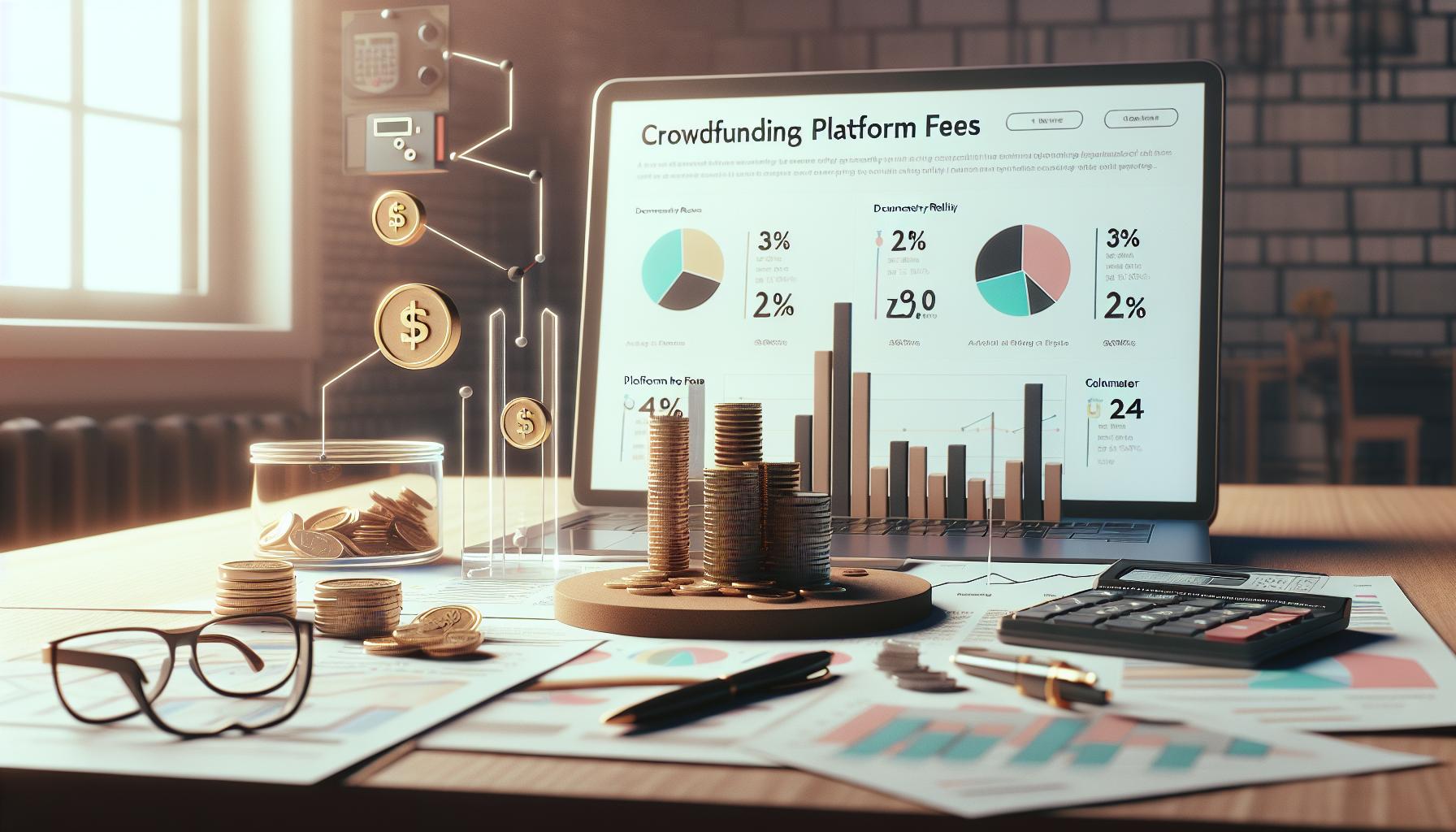
Understanding the cost structure of crowdfunding platforms is essential for any campaign aiming to maximize its fundraising potential. These platforms typically charge a variety of fees that can significantly reduce the amount of money received from contributions. It’s vital to break down these fees to better understand how they impact your campaign’s success and overall effectiveness.
Crowdfunding platform fees generally include several components:
- Platform Fees: Most platforms charge a fee that is a percentage of the total funds raised, ranging from 3% to 10%. For instance, platforms like Kickstarter might charge around 5%, while others might offer lower introductory rates or increase fees based on campaign success.
- Transaction Fees: In addition to platform fees, campaigns incur transaction fees, which are typically charged by payment processors. These fees usually hover around 2.9% plus a small fixed amount (for example, $0.30 per donation). The cumulative effect of these fees can be substantial, particularly for campaigns with a high volume of small donations.
- Payment Processing Fees: Separate from transaction fees, payment processors may impose additional charges that could affect the net amount received. It’s crucial to read the fine print to understand what these charges entail.
- Optional Service Fees: Many platforms offer promotional tools or premium features at an additional cost. While these can enhance visibility and campaign effectiveness, they also represent extra expenses that need to be factored into the budget.
Each platform’s fee structure varies, so it’s prudent to compare them based on your specific goals and audience. For instance, if your campaign is geared towards a local community initiative with smaller donations, you might opt for a platform with lower transaction fees to maintain more funds in your campaign budget. Alternatively, if your campaign has a potential for a substantial total raise, the absolute fee percentages become progressively more crucial.
By calculating potential net returns after fees, campaigners can make informed decisions that align with their funding strategies. For example, if a crowdfunding campaign on a platform charges a total of 8% in combined fees on a projected $10,000 raise, the net amount available would be approximately $9,200. Understanding this can help set realistic funding goals and expectations.
In sum, demystifying crowdfunding platform fees isn’t just about knowing the costs-it’s about leveraging this knowledge to strategize fundraising efforts effectively. Engaging with the fee structures early in the planning process will allow campaigners to allocate resources properly, maximize engagement, and ultimately drive success.
Hidden Costs in Crowdfunding You Should Know
When engaging in crowdfunding, it’s crucial to be aware of the less obvious costs that can eat into your funds. While many campaigns focus on the explicit platform and transaction fees, hidden costs can significantly impact the actual amount you receive. These unforeseen expenses may stem from various sources and can collectively undermine your campaign’s financial goals if not accounted for early in the planning process.
One of the most common hidden costs arises from currency conversion fees. If your campaign receives contributions from international donors, you may encounter charges from payment processors that convert funds into your local currency. These fees, which can range from 1% to 3%, can be particularly burdensome, especially for smaller campaigns. Additionally, consider chargeback fees that may occur if a donor disputes a transaction. Many platforms impose fees for managing chargebacks, which can range from $15 to $30 and reduce your total earnings unexpectedly.
Moreover, promotional efforts to boost your campaign might incur costs that often go unnoticed. Utilizing social media ads or paid promotional tools on crowdfunding platforms can enhance visibility but can also lead to increased expenses. It’s wise to budget for these marketing initiatives as part of your overall strategy. Additionally, consider the impact of personal time and resources. Engaging in a crowdfunding campaign often requires significant time investment for marketing, updates, and customer engagement. If you are running a professional campaign, don’t overlook the potential costs associated with your own time.
Lastly, remember that the tax implications of funds raised can serve as a hidden cost. Depending on your jurisdiction, many platforms do not withhold taxes on the amounts raised, meaning you may be responsible for reporting this income when tax season arrives. Consult with a tax professional to understand how these earnings may affect your tax liabilities. By being diligent and proactive about these hidden costs, you can better prepare your fundraising strategy and ensure your campaign is as effective and profitable as possible.
How Fees Vary Across Popular Crowdfunding Platforms
Different crowdfunding platforms offer varying fee structures, which can significantly impact how much money you ultimately take home from your campaign. Understanding these differences is crucial for anyone considering crowdfunding as a fundraising option. While some platforms charge a flat percentage of the funds raised, others may have tiered pricing models based on the funding goal or the type of project being funded.
Most commonly, platforms typically charge between 5% to 10% of the funds raised as platform fees. For instance, Kickstarter and Indiegogo, both popular for creative projects, usually take around 5%. However, these fees can add up quickly, especially when combined with payment processing fees, which range from 3% to 5% depending on the payment processor used. When selecting a crowdfunding platform, it’s vital to factor in both the platform fee and the transaction fees.
### Comparing Platform Fees
To better illustrate how fees can vary among popular crowdfunding platforms, consider the following table:
| Platform | Platform Fee | Payment Processing Fee |
|---|---|---|
| Kickstarter | 5% | 3% + $0.20 |
| Indiegogo | 5% (Funding goals met) | 3% + $0.30 |
| GoFundMe | 0% (donation-based campaigns) | 2.9% + $0.30 |
| Patreon | 5% – 12% (based on plan) | 2.9% + $0.20 |
### Strategic Considerations
Choosing the right platform should extend beyond just fees; consider the types of campaigns that succeed on each platform. For instance, GoFundMe is ideal for personal causes and emergencies, where the zero-platform fee is attractive. Conversely, platforms like Kickstarter or Indiegogo are suited to creative and entrepreneurial projects, but their structured fees can take a larger slice of your funds if your campaign doesn’t reach its goal.
Ultimately, performing a cost-benefit analysis tailored to your project’s unique needs will empower you to maximize your fundraising potential while minimizing the impact of fees on your bottom line. Being proactive in your planning and understanding how fees vary across platforms will help ensure your crowdfunding efforts yield the best possible financial result.
Comparing Success Fees and Their Impact on Your Campaign
Understanding how success fees influence your crowdfunding campaign is crucial for maximizing the funds you receive. A success fee is essentially a percentage deducted from the total amount you raise, which can significantly affect your overall fundraising outcome. For example, if you’re using a platform that charges a 5% success fee on a $10,000 campaign, that deducts $500 right off the top, leaving you with only $9,500. This deduction becomes even more critical when your goals are high or if every dollar counts towards your project.
To illustrate the importance of these fees further, consider a scenario where two campaigners choose different platforms based on their fee structures. One individual utilizes Kickstarter, incurring a standard 5% fee plus payment processing fees, while another opts for GoFundMe, which has a 0% platform fee but still charges payment processing fees. If both campaigns successfully raise $20,000, the first campaigner ends up with around $18,600 after fees, whereas the GoFundMe user nets approximately $19,300. This difference underscores the need to compare success fees and understand how each platform’s fees stack up against its benefits.
When evaluating success fees, it is also wise to consider the platform’s audience and what types of projects typically succeed there. Campaigns that resonate well with a community often fare better, even when they face higher fees. For instance, platforms like Kickstarter may require a well-crafted pitch that speaks to creative individuals, while GoFundMe thrives on personal, relatable stories that appeal to a broader audience. This means that while one may have a higher success fee, the potential for higher visibility and support could compensate for that cost.
By accurately calculating success fees and understanding their potential impact, you can devise strategies to increase the net amount you receive from your campaign. Consider incorporating a brief fundraising goal breakdown in your campaign messaging to reassure backers that their support translates directly into project funding. Being transparent about the fees and showing potential backers that you have considered all costs while planning increases your credibility and encourages contributions, ultimately enhancing your fundraising success.
How to Calculate Your Total Crowdfunding Costs
Calculating the total costs associated with crowdfunding campaigns is crucial for understanding how much of the funds raised will actually reach your project. Many campaigners underestimate these expenses, which can lead to disappointment when the final amount collected is less than expected. To avoid this scenario, it’s essential to take into account both obvious and hidden costs.
To start, collect all relevant fees that the crowdfunding platform charges. Most platforms operate on two main types of fees: success fees (a percentage of the total funds raised) and payment processing fees (typically around 2-3% in addition to a fixed fee per transaction). Here’s a breakdown of how to itemize these costs:
- Success fees: Review the percentage your chosen platform charges and apply it to your target amount. For instance, if you are aiming to raise $10,000 with a 5% success fee, expect to pay $500.
- Payment processing fees: Calculate these fees based on the total amount raised, adding around 3% plus any per-transaction fees. For example, on a $10,000 goal, you could incur approximately $300 in processing fees.
Let’s illustrate with an example. If your total fundraising goal is $10,000, and you use a platform that charges a 5% success fee and a 3% processing fee plus $0.30 per transaction, your costs would look like this:
| Fee Type | Calculation | Total Amount |
|---|---|---|
| Success Fee | $10,000 x 5% | $500 |
| Payment Processing Fees | ($10,000 x 3%) + ($0.30 x expected number of transactions) | $300 + variable |
To average out the total costs, add these expenses to arrive at the total amount deducted from your campaign. So, if you collect $10,000, you might end up with around $9,200 after the fees.
Finally, make sure to also consider any additional costs like marketing your campaign and providing rewards to backers. Being aware of these elements ensures that you can set realistic funding goals and strategize effectively. By factoring in all potential costs and making them transparent to your backers, you improve trust and can enhance your chances of success.
Strategies for Minimizing Crowdfunding Fees
Maximizing funds from crowdfunding campaigns often requires a strategic approach to minimize fees. With many platforms charging a range of costs, every dollar saved can contribute significantly to your project’s overall success. One effective way to reduce these fees is to carefully select your crowdfunding platform. Research various sites to find those that offer competitive success fees and lower transaction costs. Some platforms cater specifically to niche fundraising efforts, often providing reduced fees for specific causes or communities, which can lead to substantial savings.
Another key strategy is to clearly define your fundraising goal. Instead of setting a low target that might lead to an underwhelming campaign, aim high but realistic. Many platforms charge fees based on the total amount raised, so even a small increase in your goal can offset fees. Additionally, emphasize the importance of personal networks. Encouraging backers to support your campaign directly through social sharing can lead to fewer transaction fees associated with larger donation platforms.
Using a tiered reward system can also effectively minimize fees. By offering various reward levels, you can attract a broader range of donors while ensuring that the cost of rewards aligns well with the donation amounts. This strategy not only enhances engagement but can also lead to donations that exceed the transaction fees, further boosting your campaign’s profitability.
Finally, transparency about costs with your backers builds trust and can encourage higher contributions. When potential donors understand how their funds will be utilized and see that you are mindful of minimizing costs, they may be more inclined to support your endeavor wholeheartedly. Strategies like these can collectively enhance your fundraising success by maximizing net contributions and ensuring that more of the funds raised are allocated to your project rather than fees.
Tax Implications of Crowdfunding Fees Explained
Understanding the tax implications of crowdfunding fees is crucial for campaign creators looking to maximize their net earnings. When you embark on a crowdfunding journey, not only do you need to consider the platform’s fees-which can range from 5% to 10% of total funds raised-but you also must account for how these fees influence your taxable income. This often-overlooked aspect can significantly affect your financial planning and overall gains from your crowdfunding efforts.
First, it’s important to remember that funds raised through crowdfunding, whether for personal projects or charitable causes, are generally considered taxable income by the IRS. However, if the funds are classified as a gift (for example, donations made to individuals or personal projects), different tax rules may apply. If contributors receive a reward or incentive in return for their support, the funds are typically treated as income to the fundraiser. This is where understanding fees becomes critical; since the net amount received after fees is the actual income that may be taxable.
Understanding Fees and Income Calculation
For instance, if you raise $10,000 and incur $1,000 in fees, your net gain is $9,000, but the IRS views the full $10,000 as your gross income. Thus, if you’re not careful about tracking fees, you could end up paying taxes on an amount greater than what you actually receive. Here’s a general approach to how you should calculate your taxable income from crowdfunding:
- Total Funds Raised: $10,000
- Crowdfunding Platform Fees: $1,000
- Net Income: $9,000
- Taxable Income: $10,000 (gross amount)
It’s advisable to keep detailed records of all contributions and corresponding fees, as well as any rewards or expenses related to your campaign. Not only does this prepare you for reporting income correctly, but it can also help when it comes time to file your taxes.
Strategies for Managing Tax Liabilities
To mitigate potential tax burdens, creators might consider the following strategies:
- Consulting with a Tax Professional: Before launching your campaign, meet with a tax advisor who can provide advice tailored to your specific situation.
- Proper Bookkeeping: Maintain an organized ledger of all transactions associated with your crowdfunding campaign. This includes all fees paid, contributions received, and any rewards provided.
- Reviewing Tax Deductions: Investigate whether any expenses related to promoting or executing your crowdfunding campaign can be deducted from your taxable income, thereby reducing your overall tax liability.
Ultimately, being aware of the tax implications of crowdfunding fees, along with proper planning and documentation, can empower you to approach your fundraising efforts more strategically, enhancing your campaign’s profitability and alleviating potential future tax complications.
Real-Life Examples: Fee Impacts on Successful Campaigns
Launching a successful crowdfunding campaign can be exhilarating, yet understanding the impact of fees on your total earnings is crucial. For instance, a campaign that raises $50,000 may seem like a huge success at first glance. However, if that campaign is hosted on a platform that charges an 8% fee, the creators would be paying $4,000 in fees alone, drastically reducing their net income. Real-life examples illustrate how these fees can evolve into hidden challenges that creators must navigate to maximize their fundraising potential.
One notable case is a tech startup that sought funding for an innovative gadget using a popular crowdfunding platform. They successfully raised $200,000, but didn’t account for the platform’s 5% fee plus credit card processing fees, which added another 3%. In total, the company faced around $16,000 in fees. This substantial deduction emphasized the importance of pre-launch financial planning and understanding fee structures. The startup’s founders learned a valuable lesson about factoring in these costs not just in their overall budget, but also in their promotional strategies to ensure they attract enough backers to cover the fees and still achieve their financial goals.
Another compelling instance is a community-driven arts project aimed at revitalizing a local park. The project creators anticipated fundraising $25,000 but were caught off guard by a 6% platform fee plus ancillary costs. Ultimately, after the fees deducted, the group only netted around $22,500. This experience prompted them to develop a more accurate budget, incorporating fees into their goal and engaging backers beforehand about the projected expenses. Consequently, they reassessed their target, aiming to raise $27,000 to ensure their project would still be viable even after the fees were reconciled.
These examples highlight the need for transparency and strategic planning in crowdfunding campaigns. By understanding fee breakdowns, creators can craft a more realistic funding goal and create financial buffers. It’s crucial not just to focus on the total amount raised but also to consider the implications of fees on the end amount available for your project, ensuring a smoother path to achieving your fundraising objectives.
User Experiences: What to Expect from Crowdfunding Fees
The journey of crowdfunding can often feel like an exhilarating rollercoaster, yet the ride has its complexities, particularly when it comes to understanding fees. Many creators hit roadblocks when they realize that fundraising success doesn’t always equate to financial gain. For instance, a particularly successful campaign might garner $100,000, but if the crowdfunding platform charges a hefty fee of 8%, that translates to $8,000 deducted from the total raised. Unpacking these fees provides insight into what users can realistically expect, and how to prepare for them.
Anticipating Fees Early
Most crowdfunding platforms operate on a fee model that includes a percentage of the total funds raised, along with potential transaction fees. This dual-layer structure prompts creators to meticulously calculate how much they will actually retain from their campaigns. Often, users are surprised to learn that fees can vary significantly from one platform to another, which is why comparing them before committing to one is essential. For example, while GoFundMe may have lower rates for personal campaigns, platforms such as Kickstarter might be preferable for creative projects despite a higher fee structure, as they offer broader visibility and dedicated support.
Lessons from Real Campaigns
Real-world experiences highlight the need for pre-launch education about fees. Consider a startup that aimed to raise $250,000 for a new app but neglected to factor in the substantial fees associated with their chosen platform. After successfully reaching their goal, they found that nearly 10% had been siphoned off by fees, significantly impacting their projected budget and timelines. Another example involves a local charity which set a goal of $30,000, intending to use the funds for community outreach. Upon discovering their platform’s fees would take approximately $3,000, they adjusted their target to $33,000, aiming to mitigate the impact of the fees they hadn’t previously accounted for. Such strategic adjustments provide valuable lessons for future campaigns.
Practical Strategies for Fee Management
To ensure that you maximize your fundraising efforts, adopting a proactive approach toward fees is beneficial. Here are several strategies that can help alleviate the financial strain:
- Choose the Right Platform: Research the fee structures of different platforms. Some may offer flat fees, while others compound fees based on success.
- Set an Informed Goal: Consider the fees when determining your fundraising goal. Always aim slightly higher to cover those costs.
- Engage Donors Early: Communicate openly with your backers about how fees will be handled. Transparency can enhance trust and inspire more generous contributions.
- Factor in Transaction Fees: Don’t forget about credit card processing fees when estimating total costs.
By understanding and preparing for these costs, future campaigners can set themselves up for success, ensuring that more of the funds they raise actually reach their intended projects and causes.
FAQ
Q: What is the average crowdfunding fee percentage across platforms?
A: The average crowdfunding fee typically ranges from 5% to 10% of the total funds raised. However, this can vary significantly depending on the platform. For example, some sites charge flat fees, while others may have tiered structures based on the amount collected. Always check the specific terms on your chosen platform.
Q: Are there additional costs associated with crowdfunding besides platform fees?
A: Yes, apart from platform fees, crowdfunders should consider potential costs like payment processing fees, marketing expenses, and promotional costs. Hidden fees may also arise, so reviewing the full fee structure of a chosen platform is crucial to understanding the total costs involved.
Q: How do payment processing fees impact crowdfunding earnings?
A: Payment processing fees usually range from 2.9% to 3.5% per transaction, impacting the total amount received after deductions. These fees are in addition to platform fees, so it’s essential to factor them into your budget to avoid unexpected shortfalls in funding goals.
Q: Can crowdfunding fees be negotiated with the platform?
A: Generally, crowdfunding fees are predefined by the platforms and non-negotiable. However, some platforms may offer lower fees based on the project’s scale or if you’re working with affiliates. It’s worthwhile to inquire for any special arrangements that may apply to your project.
Q: What crowdfunding platform has the lowest fees?
A: Platforms like Kickstarter and Indiegogo typically charge around 5%, but specific fees can vary based on the services they provide. Crowdfunding sites that cater to niche markets might offer lower fees; however, these may come with fewer resources. It’s essential to balance cost with the services provided.
Q: How can I estimate my potential crowdfunding fees before starting?
A: To estimate potential fees, add up the platform fee and any expected payment processing fees. Use the following formula: Total Amount Raised x (Platform Fee % + Payment Processing Fee %). This gives a good approximation of what you will net after fees.
Q: Are there situations where crowdfunding fees can be waived?
A: Some platforms may waive fees for specific causes, particularly charitable campaigns or disaster relief efforts. Additionally, some promotions might reduce or eliminate fees during limited-time offers. Always check for any current promotions or waivers that could apply to your campaign.
Q: How do success fees work in crowdfunding campaigns?
A: Success fees are typically a percentage charged on the total funds raised after meeting your campaign goal. This incentivizes platforms to help you succeed. If you do not meet your fundraising goal, you may not owe this fee. Understanding these terms beforehand can impact your funding strategy.
The Conclusion
Understanding the percentage that crowdfunding platforms take is crucial for maximizing your fundraising efforts. By knowing these fees, you can choose the right platform that aligns with your financial goals. Don’t let uncertainties hold you back-get started with your crowdfunding journey today!
Ready to dive deeper? Check out our guides on the best crowdfunding platforms and successful fundraising strategies to equip yourself with valuable insights that can enhance your campaign’s success. If you have any questions or want to share your crowdfunding experiences, feel free to leave a comment below!
For ongoing tips and insights, consider subscribing to our newsletter, and take the first step towards empowering your cause. Your journey in crowdfunding awaits, so take action now and turn your dreams into reality!
Get our latest guides, news, and insights highlighted in your Google Search & AI Overviews.