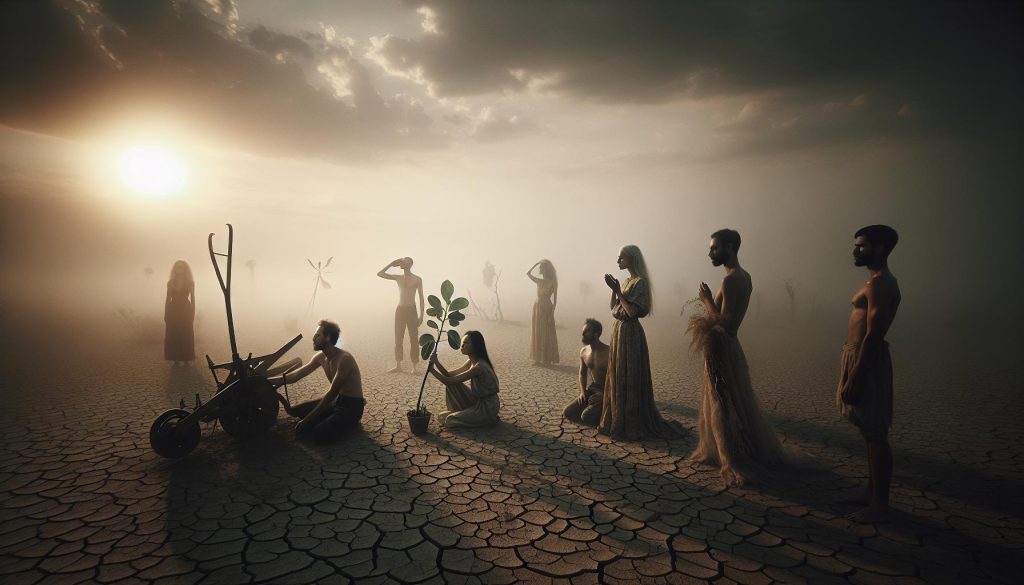
Imagine a world plunged into darkness, where famine and disease reigned supreme-a reality faced during the climatic catastrophe of the Dark Ages. This period, marked by dramatic climate shifts, not only shaped societies but also serves as a critical reminder of our vulnerability to environmental changes. Understanding what truly happened during this global climate crisis offers us valuable insights into resilience and adaptation that are more relevant today than ever. As we confront modern challenges like climate change, exploring the history of these events can guide our responses and inspire solutions that bridge the past with our ongoing struggle for sustainability. Join us in uncovering the lessons from this pivotal period and how they resonate with our current fight against environmental degradation and societal upheaval.
The Causes of the Dark Ages Climate Catastrophe
The climate upheaval during the Dark Ages, often linked to a series of catastrophic events, marked a profound shift in both the environment and the very fabric of society. A pivotal driver of this calamity was the combination of volcanic activity and a series of adverse climatic conditions that led to widespread agricultural failures and food shortages. Notably, the eruption of Mount Tambora in 1815 resulted in the “Year Without a Summer” phenomenon, a stark reminder of the impact volcanic activity can have on global climate patterns. Similarly, the earlier eruptions during the 6th century contributed to a period of cooler temperatures, known as the Late Antique Little Ice Age, which further stressed agricultural systems already struggling due to mismanagement and overpopulation.
Compounding the natural disasters were the sociopolitical factors at play. As feudalism began to take root, society saw a stratification that exacerbated the problems inherent in climatic shifts. Rural communities, heavily reliant on the harvest, faced economic collapse when crops failed, leading to famine. The inability to adapt to the climatic stresses transformed local economies and caused widespread migrations as people sought more viable living conditions. This dislocation not only fueled societal fragmentation but also prompted the decline of trade networks, as populations shifted to seek essential resources.
Adaptability became critical in this challenging environment. Many communities turned to alternative forms of agriculture or diversified their diets, incorporating foraged wild plants and hunting to sustain themselves. Historical records indicate that some even implemented more sustainable farming practices in response to the challenging conditions. The interplay of climate, societal response, and environmental shifts during the Dark Ages serves as a complex tapestry reflecting resilience but also highlighting the consequences of insufficient preparedness in the face of climatic adversities. Understanding this intricate relationship continues to offer valuable lessons on the importance of sustainable practices and responsive governance in today’s climate challenges.
Impact on Societal Collapse and Migration

The historical narrative of the Dark Ages reveals a time when climate-induced crises triggered profound societal upheaval. As agricultural productivity faltered due to erratic weather patterns and volcanic activity, communities that once thrived began to face starvation and economic despair. This crisis spurred significant migrations as individuals and families left their homes in search of more stable living conditions. Historical accounts depict a grim picture: urban centers suffered from declining populations as people sought refuge in the countryside, leading to the disintegration of once-vibrant trade networks.
The interlinking of climatic stress and social structure exacerbated these challenges. As feudalism took root, societal hierarchies intensified, leaving rural populations particularly vulnerable to the agricultural collapse. Landowners often prioritized their interests, which restricted the autonomy of less affluent farmers. When crop failures struck, these stratified communities quickly fell into chaos, as the inability to procure food led to desperation and unrest. Peasants, facing famine and the breakdown of local economies, migrated in significant numbers, seeking sustenance and stability elsewhere.
Surviving records indicate that these migrations reshaped the demographic landscape of Europe. Groups relocated not only in search of arable land but also to escape oppressive feudal policies. The symbiotic relationship between climate and societal response illustrated a dynamic where environmental stresses had immediate repercussions for human behavior. For instance, the allure of regions with milder climates or more fertile soils prompted populations to abandon territories characterized by harsh living conditions.
In essence, examining the impact of climate on societal collapse during the Dark Ages underscores the importance of adaptability. Communities learned to diversify their agricultural practices and embraced new forms of resilience, employing strategies such as foraging and livestock management. Each migration wave carried cultural exchanges and innovations, fostering a gradual transformation that shaped the landscapes of modern Europe. The historical responses to environmental upheaval during this period serve as a poignant reminder of the potential for human resilience amidst adversity, emphasizing the need for flexible and sustainable solutions in the face of contemporary climate challenges.
How Volcanic Activity Shaped the Climate

Volcanic activity has long been recognized as a significant driver of climatic changes, with profound consequences for human societies, especially during the Dark Ages. Explosive eruptions can propel vast amounts of ash and sulfur dioxide into the atmosphere, where they can form sulfate aerosols. These particulates reflect sunlight, resulting in cooling temperatures. For example, the eruption of Mount Pinatubo in 1991 led to a temporary global temperature decrease. Historical volcanic events, such as the eruption of El Chichón in 1982 or the notorious Thera eruption around 1600 BCE, demonstrate similar disruptive climatic effects. During the Early Middle Ages, multiple volcanic eruptions likely contributed to a series of cooler periods that would challenge agricultural practices across Europe and beyond.
The impact of these eruptions can be illustrated through historical records that correlate volcanic activities with famines or decreased agricultural productivity. The period surrounding 536 AD, often referred to as the beginning of the Dark Ages, is marked by significant volcanic activity, with theories pointing toward eruptions that caused ominous atmospheric changes. The result was a notable decline in crop yields, leading to widespread food shortages and societal instability. Historical texts describe the sun’s light being obscured for over a year, which could have severely disrupted the growing seasons critical for early medieval communities. The cooling effect disrupted not only agricultural production but also the social structures intertwined with these agrarian economies.
Understanding the Aftermath: Migration and Societal Shifts
The chilling effects of volcanic eruptions exposed the vulnerabilities within feudal societies reliant on stable agricultural outputs. Displaced populations often sought refuge in more favorable climates, leading to migrations that reshaped territorial and demographic boundaries. Communities that could adapt through diversified farming practices or by leveraging trade networks adapted better than those who could not. For instance, records show how areas less impacted by cooling benefitted as they absorbed those fleeing hardships, thus redefining local economies and cultural landscapes.
Moreover, the resilience observed in certain populations during this period offers lessons for today. Modern societies facing the realities of climate change can look to historical responses to volcanic-induced climatic shifts for guidance. Strategies such as crop rotation, the development of hardier crop varieties, and community collaboration can bolster food security in the face of environmental upheaval. Highlighting these examples serves not only to educate but also to inspire actionable responses among contemporary communities grappling with similar challenges. The interplay between volcanic activity and climate, therefore, is not merely a historical curiosity but a crucial facet of understanding how human societies can thrive in the face of natural adversities.
The Role of the Little Ice Age in Medieval Life
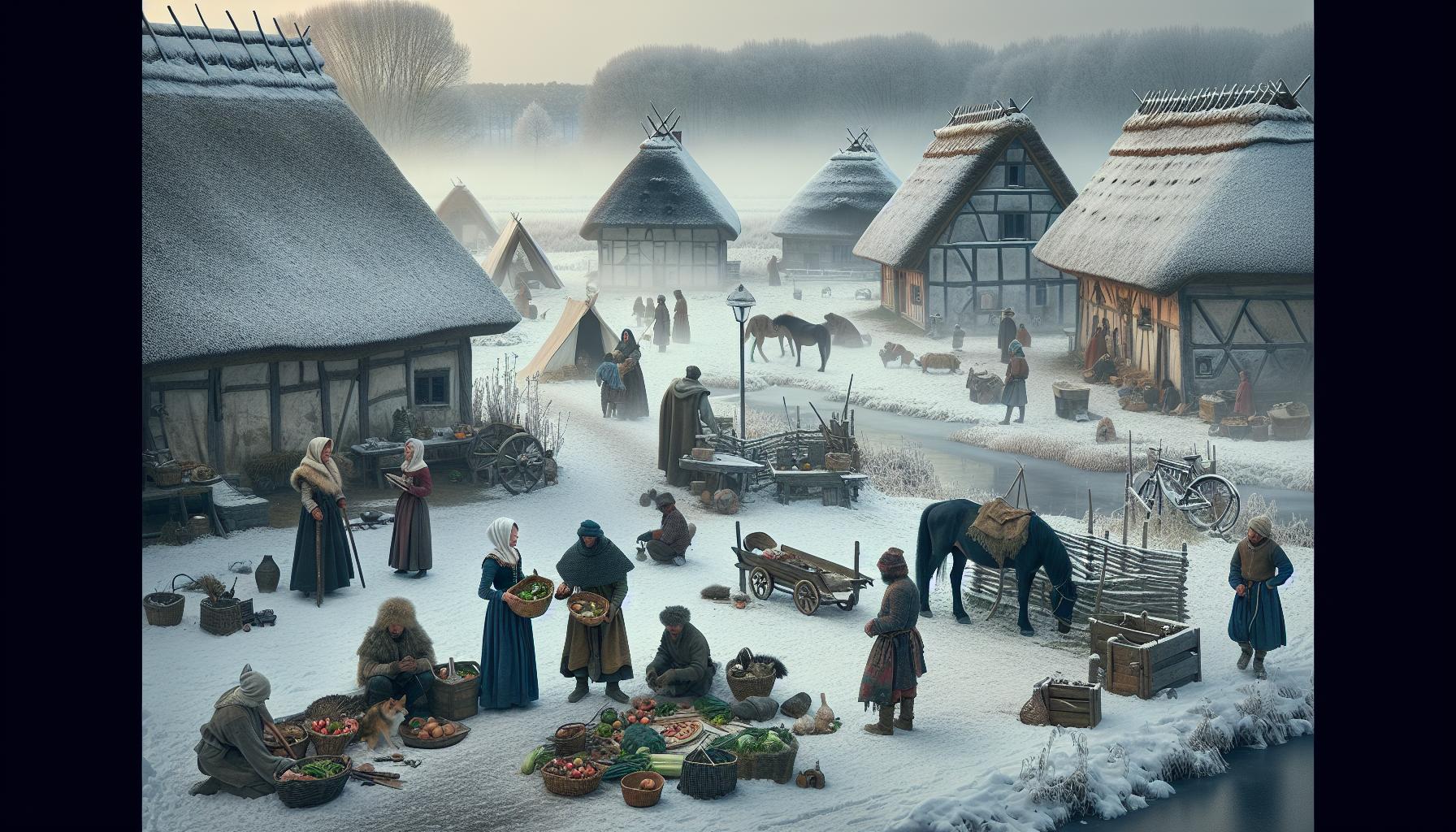
The Little Ice Age, a period of pronounced climatic cooling that lasted from roughly the 14th to the 19th century, had a profound impact on life during the medieval ages, altering societal structures, agricultural practices, and even religious sentiments. This era was marked by significant temperature declines that fundamentally affected seasonal weather patterns, resulting in shorter growing seasons and harsh winters. For rural communities often reliant on agriculture, these changes brought about stark challenges that would shape their way of life for generations.
Amidst these challenging climate conditions, agricultural innovation became crucial for survival. Farmers were compelled to adapt, employing techniques such as
- crop rotation to enhance soil fertility and resilience against fluctuations in yield.
- Diversification of crops allowed for a buffer against failures of staple crops, fostering a more sustainable agricultural framework.
- Use of hardier varieties of crops, like rye and barley, which thrived in cooler climates, became more common as communities sought to ensure food security.
These adaptive strategies became essential not just for subsistence but also for the socio-economic stability of regions affected by climate shifts.
Religious and political dynamics also shifted considerably during this era. The palpable fear of famine and the harshness of winter led to increased religious fervor, with many turning to faith in hopes of favorable weather. Beliefs related to divine retribution for societal ills often gained traction, resulting in heightened conflict and a desire for reform within established religious institutions. This tumultuous environment fostered a landscape ripe for change, as communities sought both spiritual and temporal relief from their suffering.
Moreover, the Little Ice Age serves as a pivotal case study when considering modern climate challenges. Much like medieval populations, contemporary societies face the pressing need to adapt to increasingly erratic weather patterns and their ramifications for agriculture and food systems. By examining historical responses to climate-induced disruptions, we can glean valuable insights for today. For instance, enhancing agricultural diversity and investing in resilient crop technologies could be vital strategies for mitigating risks associated with current climate change. As we navigate these global challenges, the lessons of the past resonate with newfound urgency, highlighting the importance of resilience and adaptability in the face of environmental adversity.
Understanding Frost Fairs and Environmental Changes
The Thames River in London once hosted vibrant markets and festivities atop its icy surface, known as Frost Fairs. These events, which flourished during the cold winters of the Little Ice Age, not only reveal the harsh climatic conditions of the time but also highlight how communities adapted and found joy amidst adversity. Vendors sold goods, entertainment flourished, and society showcased an impressive resilience in the face of challenging environmental changes. Frost Fairs became a remarkable testament to human ingenuity in withstanding and celebrating the trials presented by an increasingly frigid world.
As temperatures dropped, the frequency and severity of frosts intensified, fundamentally altering everyday life. During this era, the Thames would freeze over for weeks, allowing the populace to engage in activities such as ice skating, festive gatherings, and even the construction of temporary structures for commerce and entertainment. This grassroots adaptation provided not just a means to cope with the cold but also a unique opportunity for social interaction and community bonding, which might have otherwise diminished during the prolonged winter months when agriculture and trade were severely impacted.
Moreover, the Frost Fairs are an illuminating case study in climate resilience. They demonstrate how societal norms can shift in response to environmental changes. Local communities learned to navigate the challenges posed by unpredictable weather patterns, innovating within their economic frameworks. This included diverse methods of generating income and support during a time when traditional livelihoods were disrupted. Ultimately, the Frost Fairs served not only as a source of income and a return to community engagement but also as a reflection of a broader societal reluctance to succumb to despair in the face of climate adversity.
Examining these historical frost festivals offers valuable insights for contemporary society grappling with climate challenges. As the risks of extreme weather events increase, the lessons drawn from the Frost Fairs encourage us to foster community resilience through innovation, adaptability, and collaboration. They compel us to envision new ways to support each other in times of climate-induced stress by rallying together to celebrate and adapt, thus transforming potential hardships into shared experiences that strengthen social bonds.
Lessons from Historical Climate Resilience
The dramatic shifts in climate experienced during the Dark Ages serve as a powerful reminder of humanity’s resilience in the face of adversity. Historical records suggest that societies developed innovative strategies to cope with extreme weather events, agricultural failures, and social upheaval, drawing important lessons that are still relevant today.
Communities adapted not just through immediate survival techniques but also by transforming socio-economic structures. For instance, as crop yields diminished due to erratic weather patterns, people began to diversify their agricultural practices. Crop rotation and the introduction of hardier plant species became vital strategies for maintaining food security. Additionally, embracing communal land management allowed for a more collaborative approach to agriculture, helping to sustain populations even during severe shortages.
Community and Collaboration
The social fabric of communities during this time was crucial for resilience. Innovations in trade practices and local economies emerged, often prioritizing local resources and skills. Seasonal markets and community gatherings not only provided opportunities for exchange but also reinforced social networks. These gatherings served as platforms for sharing knowledge about agricultural techniques and climate patterns, fostering a collective understanding that enhanced community adaptability.
Furthermore, historical migrations illustrate the importance of moving in response to changing environmental conditions. Many groups relocated to more hospitable areas, demonstrating that flexibility and mobility can be key survival strategies. By observing these historical patterns, contemporary societies can appreciate the necessity of adaptability in the face of climate-induced challenges.
In modern contexts, we can take many of these lessons to heart. Building resilient communities today involves embracing sustainable practices, enhancing cooperation among neighbors, and remaining flexible in our responses to environmental changes. Initiatives like community gardens, local cooperatives, and educational workshops can revitalize local economies while preparing societies to face potential climate crises, ensuring that we emerge stronger, just as our ancestors did during their darkest times. By learning from history, we position ourselves to tackle the challenges of climate change with informed optimism and practical strategies.
Agricultural Challenges During Climate Shifts
The agricultural landscape during the Dark Ages was profoundly affected by climate shifts, which brought about significant challenges for communities reliant on farming for sustenance. With erratic weather patterns, including periods of excessive rainfall and prolonged droughts, traditional agricultural practices faced unprecedented pressures. This volatility forced societies to confront the stark reality that reliance on single crop varieties, like wheat or barley, could no longer guarantee food security.
To adapt to these new challenges, communities began to explore a variety of strategies that would ensure their survival. One notable approach was the diversification of crops. This meant not only planting a wider range of cereals and legumes but also integrating vegetables and fruits into their agricultural systems. Such diversity not only mitigated the risk of total crop failure but also contributed to improved nutrition among the population. For example, the adoption of hardier plant species that could better withstand drought or flood allowed farmers to maintain yields even during climatic extremes.
Innovative Farming Techniques
As climate conditions changed, communities employed innovative farming techniques to enhance resilience. Crop rotation emerged as a key strategy, whereby different crops were planted in succession on the same land to maintain soil fertility and reduce pest outbreaks. Moreover, the adoption of communal farming practices fostered collaboration among neighbors, allowing resources and knowledge to be shared more effectively. Historical evidence suggests that communal lands often thrived, as collective management could better absorb shocks related to crop failures or natural disasters.
Vibrant local markets and trade networks also played a crucial role in supporting agricultural resilience. By establishing connections with neighboring regions, communities could exchange surplus crops for necessary goods, ensuring they were less vulnerable to local shortages. This network of trade not only bolstered food security but also promoted social cohesion, as communities came together to support one another in times of need.
Through these adaptive strategies, societies during the Dark Ages managed to navigate a period marked by profound climatic upheaval. Lessons learned from their experiences provide a framework for modern agricultural practices, underscoring the importance of diversification, community collaboration, and adaptive management in the face of ongoing climate change. As we face our own environmental challenges, reflecting on these historical strategies can inspire innovative solutions that foster resilience and sustainability in contemporary agricultural systems.
The Influence of Climate on Religious and Political Changes
The challenges presented by climate fluctuations during the Dark Ages not only transformed agricultural practices but also significantly influenced religious and political landscapes across Europe. As communities faced food shortages and environmental stresses, their response often involved seeking solace and guidance from spiritual authorities. This period saw the rise of intense religiosity, where people turned to faith as a means of interpreting the hardships inflicted by nature and securing divine favor for more favorable weather.
Religious institutions, particularly the Christian Church, began to play a pivotal role in providing stability amid societal upheaval. The Church not only offered moral support, but its ability to mobilize resources and organize communal prayer in times of crisis became crucial. For instance, mass supplications for rain became commonplace during prolonged droughts, allowing the Church to reinforce its authority and unify the populace under shared beliefs and rituals. Additionally, the construction of monumental cathedrals and monasteries during this era reflected both a spiritual response to these climatic challenges and an attempt to solidify political power through religious leadership.
As the climate instability continued, political entities felt the pressure to adapt as well. Famine and hardship often led to social unrest, prompting rulers to strengthen political alliances and consolidate power to maintain order. This dynamic frequently resulted in the rise of local leaders who could effectively manage resources and respond to the needs of their communities. Moreover, the shifts in population due to migrations-resulting from inhospitable conditions in certain areas-altered the political map. Regions that could sustain larger populations through improved agricultural techniques or favorable climate conditions gained geopolitical importance, leading to new alliances and conflicts.
In summary, the interplay between climate change and societal structures during the Dark Ages illustrates how environmental pressures can catalyze significant shifts in religious fervor and political authority. By examining these historical patterns, modern societies can glean important insights into the resilience of community and governance in the face of environmental challenges, potentially guiding contemporary actions as we navigate our own climate crises. Understanding these dynamics allows current leaders and communities to foster collaboration and adaptive strategies essential for navigating future uncertainties.
Archaeological Insights into Dark Ages Adaptations
Archaeological investigations into the Dark Ages reveal a tapestry of human resilience and adaptability in response to the climate catastrophes that struck Europe between the 5th and 10th centuries. Contrary to the notion that the Dark Ages marked a period of stagnation and decline, these findings frequently illustrate how communities creatively navigated environmental challenges. For instance, evidence of shifting agricultural practices, such as the adoption of more resilient crop varieties and diversified farming techniques, can be seen in various archaeological sites throughout northern Europe. As the colder climate reduced yields, these adaptations were critical for survival, showcasing an early form of climate resilience.
One fascinating example comes from Scandinavia, where archaeological digs have uncovered shifts in settlement patterns. Villages were often relocated to more fertile lands, exploiting areas that waylaid the harsh climate. This trend was not merely a response to immediate agricultural downturn but reflected a deeper understanding of land management and seasonal cycles. Tools and artifacts suggest that communities increasingly relied on fishing and foraging, supplementing their diets with marine resources as traditional crops struggled under cooler temperatures. Such adaptations underscore the importance of flexibility and resourcefulness in the face of environmental changes.
Key Archaeological Insights
The insights gained from archaeological studies extend beyond mere survival strategies; they illuminate social dynamics and cultural exchanges during the Dark Ages. For instance, the movement of people in search of better living conditions often led to cultural interminglings that enriched local traditions. The material culture, including pottery styles and agricultural implements, reveals connections between distant communities that sprang from migration and trade. These interactions fostered resilience not just in an economic sense but also culturally, as shared practices and knowledge became vital coping strategies across regions.
To summarize, archaeological evidence from the Dark Ages provides a rich narrative of human adaptability against a backdrop of climate-induced challenges. By understanding how past societies navigated such difficulties, modern communities can draw parallels to current environmental issues. This knowledge emphasizes the importance of sustainable practices, adaptability, and collaboration in addressing our climate crisis, reminding us that resilience is as much about community and culture as it is about sheer survival.
Comparative Analysis with Modern Climate Events
The climate challenges faced during the Dark Ages bear striking similarities to many modern environmental crises, highlighting the universal struggle of human societies to adapt to shifting climates. Historically, the reliance on agricultural production in a temperate climate made communities vulnerable to disruptions, such as the cooling temperatures and irregular weather patterns experienced from the 5th to the 10th century. Today, it is imperative to examine these past events as we confront contemporary issues like climate change, severe weather events, and rising sea levels.
In the Dark Ages, agricultural shifts were crucial for survival. When traditional crops failed, communities adapted by exploring new farming methods, cultivating different varieties that could withstand colder conditions, and diversifying their diets to include protein sources from fishing and foraging. This adaptability is a lesson for modern agronomy, where resilience to climate variability can be achieved through sustainable practices such as crop rotation and permaculture. As global temperatures rise and the climate continues to change, leveraging local biodiversity can help increase food security and reduce reliance on monocultures that are vulnerable to pests and diseases.
Moreover, the migratory patterns of people during the Dark Ages-driven largely by searching for arable land-mirror current trends of climate migration seen worldwide. As regions become uninhabitable due to flooding, drought, or extreme heat, populations are forced to move. This modern phenomenon underscores the need for policies that support displaced communities, similar to how societies in the past created networks to share knowledge and resources. Collaboration on a global scale is crucial; just as past communities learned from one another to enhance their prospects, today’s societies must come together to address shared challenges brought on by climate change.
The interplay between environmental shifts and societal responses demonstrates the longstanding nature of this relationship. Future implications from the Dark Ages suggest that cultural adaptation and flexibility under climate pressure are vital for survival. To prepare for a climate uncertain future, it’s essential for modern societies to incorporate these historical insights. Practical steps can include investing in resilient infrastructure, fostering community engagement in sustainable practices, and prioritizing education on climate adaptation strategies. By learning from the past, we can better equip ourselves to navigate the complexities of today’s climate challenges and ensure a more sustainable and equitable future for all.
Future Implications: Learning from the Past
As we confront an increasingly volatile climate, understanding past failures and adaptations can serve as a powerful guide for today’s societies. During the Dark Ages, massive environmental upheavals, such as cooling temperatures and unreliable weather patterns, prompted significant transformations in agricultural practices and societal structures. This historical period illustrates the resilience of humanity when faced with climate-induced challenges, revealing strategies that can be translated into modern contexts in our fight against climate change.
One key lesson from the Dark Ages is the importance of agricultural diversity and resilience. Communities that thrived did so by diversifying their crops and incorporating alternative food sources like fishing and foraging. Modern agriculture can benefit from similarly adaptive strategies-investing in a wider variety of crops can protect against potential failures linked to climate variability. Techniques such as crop rotation, permaculture, and agroforestry not only enhance biodiversity but also contribute to healthier ecosystems, thereby making food systems more resilient to climatic stresses.
Community Collaboration and Migration Adaptations
As demonstrated during the Dark Ages, migration patterns influenced by environmental shifts remind us of the urgency to develop policies that support climate-displaced populations today. Communities in the past often shared knowledge and resources, fostering networks that enabled adaptive strategies to be shared across regions. In the present, nations facing climate-induced migration must collaborate to ensure displaced individuals receive adequate support. This includes creating legal frameworks for migration, providing humanitarian assistance, and investing in infrastructure that accommodates new communities.
Investing in Resilience
To safeguard against future climate crises, investments in infrastructure that is environmentally resilient are crucial. Building resilient cities can involve using sustainable materials, improving drainage systems to handle heavy rains, or creating green spaces that help alleviate urban heat island effects. Such initiatives not only protect against immediate environmental threats but also promote long-term sustainability by fostering healthy ecosystems.
By looking back to the challenges faced during the Dark Ages, contemporary societies can harness the strength of past adaptations and innovations. As we develop frameworks for action in response to climate change, the imperative is clear: embedded within historical lessons are the keys to a more sustainable, resilient future. Learning from the past is not merely a reflection; it’s a call to action as we strive to navigate a changing world more effectively.
Frequently asked questions
Q: What triggered the climate catastrophe during the Dark Ages?
A: The Dark Ages climate catastrophe was primarily triggered by a series of volcanic eruptions that led to a significant drop in global temperatures. These eruptions released ash and gases into the atmosphere, which obstructed sunlight and disrupted weather patterns, causing agricultural failures and societal stress.
Q: How did the climate changes during the Dark Ages affect population movements?
A: Climate changes during the Dark Ages prompted significant population movements as communities sought more hospitable environments. This migration often resulted from food shortages due to failed crops, encouraging people to leave their homelands for regions with better agricultural conditions or resources.
Q: What role did extreme weather events play in the societal impacts of the Dark Ages?
A: Extreme weather events during the Dark Ages, such as prolonged cold spells and flooding, exacerbated food shortages and contributed to widespread societal instability. These conditions led to famine and increased mortality, significantly influencing the collapse of established communities and the rise of new power dynamics.
Q: How did agricultural practices adapt to the climate shifts of the Dark Ages?
A: Agricultural practices adapted to the climate shifts during the Dark Ages by diversifying crops and altering planting schedules to cope with shorter growing seasons. Some communities also turned to livestock farming as an alternative source of sustenance, demonstrating resilience amid environmental changes.
Q: What were the long-term consequences of the Dark Ages climate catastrophe on European civilization?
A: The long-term consequences of the Dark Ages climate catastrophe included significant shifts in population demographics, the decline of urban centers, and changes in trade routes. These shifts contributed to the eventual rise of the feudal system and laid the groundwork for future socio-economic structures in Europe.
Q: How did the Little Ice Age relate to the climate conditions of the Dark Ages?
A: The Little Ice Age, which began in the late 13th century, was connected to the earlier climate conditions of the Dark Ages. Both periods experienced significant cooling that disrupted agricultural practices. Understanding this connection helps historians recognize patterns of climate influence on societal development.
Q: What lessons can we learn from the Dark Ages about climate resilience?
A: Lessons from the Dark Ages on climate resilience include the importance of adaptive agricultural practices and the necessity of flexibility in societal structures. Understanding community responses to climate stresses from this period can inform modern approaches to dealing with current climate challenges.
Q: How can archaeological findings inform our understanding of the Dark Ages climate catastrophe?
A: Archaeological findings provide valuable insights into how communities responded to climate changes during the Dark Ages. Evidence of settlement patterns, agricultural practices, and artifacts can reveal how societies adapted to environmental challenges, helping historians build a clearer picture of this tumultuous period.
In Conclusion
As we’ve explored the profound effects of the Dark Ages Global Climate Catastrophe, it’s clear that understanding this critical period is essential for grasping today’s climate challenges. The lessons learned showcase the resilience of societies in the face of extreme adversity, but they also highlight the urgent need to address current environmental threats. Don’t let this knowledge fade-now is the time to act!
Dive deeper into our extensive resources on climate change resilience and historical climate impacts by visiting our related articles on The Little Ice Age and Sustainability Strategies for Today. Join our community by signing up for our newsletter, where we share expert insights and actionable steps to foster a sustainable future. Your insights matter-share your thoughts in the comments below, and let’s keep this conversation going!
Together, we can learn from the past to ensure a more stable future. Explore more today and empower yourself with the knowledge to make a difference!
Get our latest guides, news, and insights highlighted in your Google Search & AI Overviews.