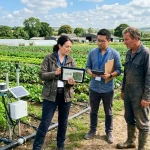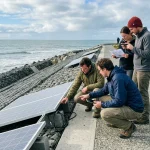
As climate change increasingly impacts our lives, many seek guidance on how to respond, including looking to faith for answers. “What The Bible Says About Climate Change” explores the intersection of biblical teachings and environmental stewardship, emphasizing that caring for creation is a moral imperative for believers. By examining scriptural insights on humanity’s role in nature, we can uncover a framework for responsible action. This exploration reveals not only God’s intentions for our stewardship but also practical steps we can take to address environmental challenges. Engaging with this topic offers a unique opportunity to connect spiritual values with pressing global concerns, inviting us to reflect on our responsibilities and inspiring proactive steps toward a sustainable future. Join us as we delve into this essential conversation and discover how faith can empower us to make a positive impact on our planet.
What the Bible Says About Stewardship of the Earth
Stewardship of the Earth is not merely a modern environmentalism concept; it is deeply rooted in biblical teachings that emphasize care and responsibility for God’s creation. In Genesis, humanity is tasked with the role of caretaker, as seen in Genesis 1:28-30, where God commands Adam and Eve to “fill the earth and subdue it,” granting them dominion over all living things. This stewardship implies not ownership, but a role as responsible managers of the Earth and everything within it. Acknowledging that all creation ultimately belongs to God shapes our approach to environmental issues, highlighting our duty to preserve and protect the world around us.
The biblical perspective on stewardship emphasizes that resources are gifts from God, intended to be used wisely and for the greater good. This principle leads to a holistic view of environmental care, encouraging communities to engage in sustainable practices that preserve biodiversity and ensure the health of ecosystems. Recognizing our place as caretakers influences how we interact with the environment. For instance, adhering to principles of stewardship can lead Christians to support local agriculture, reduce waste, and promote renewable energy sources, aligning daily actions with their faith.
Faith communities play an essential role in fostering awareness and action towards climate change. By incorporating teachings on stewardship into their missions, these groups can mobilize congregations to participate in climate advocacy and grassroots initiatives. This can range from organizing clean-up efforts in local parks to advocating for policies that address environmental justice and climate resilience. Such actions reflect a commitment to not only honoring God’s creation but also caring for our neighbors, particularly those who are most vulnerable to the impacts of climate change.
By understanding and acting upon the biblical mandate for stewardship, believers can contribute to a more sustainable future. Taking practical steps such as reducing consumption, embracing recycling, and advocating for policies that protect the environment are ways to embody the values of stewardship in an increasingly complex world. In doing so, they not only fulfill their spiritual obligations but also inspire others to participate in a collective movement toward healing and preserving the Earth.
Scriptural Foundations for Environmental Care

In a world facing pressing environmental challenges, the call to stewardship resonates with a profound urgency rooted in Scripture. The Bible presents a clear mandate for humanity to care for God’s creation, which is not merely an obligation but a privilege that reflects our relationship with the Creator. From the very beginning in Genesis 1:28-30, humanity is entrusted with the responsibility to “fill the earth and subdue it,” indicating that our dominion is not one of exploitation, but of nurturing, maintaining, and preserving the natural world. This foundational premise of stewardship encourages believers to view every decision and action as an opportunity to honor the environment as part of their divine charge.
The teachings of Scripture emphasize the importance of sustainability and responsible management of resources. For instance, Proverbs 12:10 states, “The righteous care for the needs of their animals,” highlighting the interconnectedness of all living beings and a call to compassionate stewardship. By recognizing that all creation is under God’s authority, we are reminded that our actions, whether large or small, have significant impacts on the planet and its future. Practical steps like advocating for local produce, reducing plastic use, or engaging in reforestation projects can embody these teachings in everyday life. Furthermore, the biblical principle that resources are gifts encourages a mindset of gratitude and shared responsibility, empowering communities to foster sustainable practices that reflect this worldview.
Faith communities play an indispensable role in this movement. Many congregations are mobilizing their members to engage in activities that align with biblical teachings on environmental care. Churches across the globe host educational programs on sustainability, organize clean-up initiatives in their neighborhoods, and advocate for policies that address climate change and environmental justice. These efforts not only contribute to ecological healing but also strengthen the bonds of community and serve those particularly vulnerable to environmental crises.
By actively integrating biblical principles of stewardship into our lives, we can contribute meaningfully to the health of our planet. Educating ourselves on the intersection of faith and environmental issues equips individuals with the necessary tools to effect change. Whether through personal lifestyle choices such as minimizing waste and conserving energy or participating in collective faith-based initiatives, believers can transform their understanding of stewardship from a passive acknowledgment to dynamic action. As we work together to nurture creation, we fulfill not only a spiritual calling but also an imperative for a sustainable and just world.
Biblical Teachings on Creation and Responsibility

The Bible provides a compelling framework for understanding our responsibility toward creation, urging us to care for the earth as custodians rather than mere consumers. This stewardship is rooted in scriptural teachings, which offer both wisdom and practical guidance for living sustainably. For example, in Genesis, we see that humanity is created in God’s image and tasked with the role of caretaker over all living things (Genesis 1:26-28). This foundational narrative underscores that our relationship with the environment is one of respect and nurturing, rather than exploitation or neglect.
As we explore the scriptural foundations of environmental responsibility, passages such as Psalm 24:1 remind us that “the earth is the Lord’s, and everything in it.” This perspective shifts the focus from ownership to stewardship, prompting believers to reflect on how their actions affect the world around them. Moreover, the call to love our neighbors implicates environmental care, since many of the most vulnerable communities are disproportionately impacted by environmental degradation and climate change. By integrating faith with ecological awareness, we derive moral imperatives that call for action in response to environmental crises.
Practical steps that align with biblical teachings can be employed in everyday life. Simple actions, such as reducing waste, choosing sustainable products, and supporting local agriculture, resonate with the scriptural principles of stewardship. Churches and faith-based organizations can further bolster these efforts by organizing community clean-up events or adopting eco-friendly practices within their congregations. Such initiatives not only embody religious teachings but also foster stronger community ties and enhance the collective impact of individual actions.
Engaging with the Bible’s teachings on creation encourages believers to reassess their lifestyles and the broader implications of their choices. By emphasizing a balance of spiritual and practical commitment to environmental stewardship, faith communities can lead the way in addressing contemporary ecological challenges, demonstrating that caring for the Earth is indeed a fundamental expression of faith. Through education, advocacy, and collaborative efforts, believers can contribute to a sustainable future that honors both God’s creation and their commitment to love and justice for all.
How Faith Influences Climate Change Perspectives

The interaction between faith and climate change perspectives is profound and can serve as a beacon for action and hope in challenging times. Faith communities often emphasize stewardship, a biblical principle that frames environmental care as a divine mandate. This perspective is not only about preserving nature but also about enhancing human life and dignity. For instance, understanding Genesis 2:15, which urges humanity to “work it and take care of it,” highlights the responsibility to nurture the earth as a sacred trust, rather than exploiting it for immediate gain.
Through various faith traditions, believers can find a compelling motivation to address climate change. Many faith leaders advocate for eco-theology, where spiritual teachings underscore the interconnectedness of all creation. These teachings can inspire congregations to participate in climate action through initiatives like community gardens, reforestation projects, or renewable energy campaigns. By linking faith with actionable practices, communities can champion the cause of sustainability, affirming that caring for the planet is integral to living out their beliefs.
Moreover, the concept of social justice, deeply rooted in many religious teachings, drives the narrative around climate change. Vulnerable populations, often the least responsible for environmental degradation, bear the brunt of climate impacts. Faith organizations have increasingly recognized this injustice and are mobilizing resources to support those most affected. This activism not only promotes ecological welfare but fosters a sense of solidarity and empathy among believers, aligning with biblical teachings of love and compassion.
In practical terms, faith communities are implementing educational programs that equip individuals with knowledge about sustainable practices, such as reducing waste, conserving water, and embracing a plant-based diet. These steps not only mitigate personal environmental footprints but also cultivate a culture of stewardship within congregations. The integration of faith and climate action exemplifies how religious values can inform and inspire proactive engagement with pressing global issues, illustrating that hope and action can flourish even amidst the challenges posed by climate change.
Prophetic Warnings and Social Justice in the Bible
The Bible is rich with prophetic warnings that alert humanity to the consequences of neglecting social justice and environmental stewardship. Throughout the scriptures, the intertwining themes of care for creation and the plight of the vulnerable serve as a unified call to action. For instance, the prophet Jeremiah expresses deep concern over the consequences of unfair practices and their environmental ramifications, stating, “The land will be desolate and the cities laid waste” (Jeremiah 4:27). This vivid imagery conveys the idea that societal injustice often leads to ecological destruction, reflecting a profound biblical understanding that our treatment of the earth is directly linked to our treatment of one another.
Faith communities have increasingly recognized that social justice is not merely a secondary concern but central to the biblical narrative. The teachings of Jesus, particularly his emphasis on helping the marginalized, resonate powerfully in today’s context of climate change. As seen in Matthew 25:40, “Whatever you did for one of the least of these brothers and sisters of mine, you did for me,” underscores the idea that our duty to care extends to ensuring that all people, especially those most affected by climate change, receive justice. Women, children, and impoverished communities often bear disproportionate burdens in environmental degradation; thus, addressing climate issues becomes an act of fulfilling our spiritual obligations.
To translate these prophetic warnings into actionable strategies, faith-based organizations are increasingly engaging in grassroots movements that blend advocacy for social justice with environmental action. Initiatives such as community clean-ups, tree-planting drives, and programs aimed at restoring natural habitats not only enhance the local ecosystem but also foster a sense of unity and purpose among participants. Furthermore, education plays a pivotal role; congregations are encouraged to conduct workshops that inform members about sustainable practices, such as recycling, conserving energy, and advocating for systemic policy changes that promote environmental justice.
In this coupled quest for justice and sustainability, the biblical message remains clear: caring for the earth and its inhabitants is not simply a choice but a divine imperative. Empowering congregants to advocate for both the environment and the disadvantaged enriches their faith while fulfilling the Biblical call to stewardship. As believers rise to these challenges, they don’t just heed prophetic warnings; they actively create a more equitable and sustainable future for all.
Interpreting Genesis: A Case for Sustainability
In the foundational narrative of Genesis, the relationship between humanity and the earth is established with profound significance, setting the stage for sustainability within a biblical context. The creation story articulates a divine intention where God entrusts the care of the world to humanity, seen in Genesis 1:28: “Be fruitful and multiply and fill the earth and subdue it, and have dominion over the fish of the sea and over the birds of the heavens and over every living thing that moves on the earth.” This charge, often interpreted as a call to stewardship, emphasizes responsibility rather than exploitation, advocating for a harmonious relationship with creation.
The Charge to Care
Understanding dominion as stewardship means recognizing that every action taken today affects the ecological balance of tomorrow. A critical first step for individuals and communities is adopting sustainable practices that reflect this stewardship mandate. Here are some practical approaches:
- Community Gardens: Initiatives like community gardens not only provide fresh produce but also enhance biodiversity, sequester carbon, and educate participants about local ecosystems.
- Water Conservation: Simple actions, such as installing rain barrels and using drought-resistant plants in landscaping, can significantly reduce water consumption and improve local resilience against droughts.
- Local Sourcing: Supporting local farmers and businesses can decrease the carbon footprint associated with transporting goods, as well as strengthen local economies.
Each of these strategies not only aligns with the biblical call to nurture the earth but also empowers individuals to become proactive contributors to the healing of our planet.
Lessons from the Garden of Eden
The depiction of the Garden of Eden serves as a model for sustainable living, where humans lived in a universe perfectly balanced and reliant on mutual care and respect. This initial state of existence can inspire modern practices that respect the delicate ecosystems we inhabit. For example, permaculture principles can be applied-designing agricultural systems that mimic natural ecosystems can lead to more resilient food sources while promoting biodiversity.
Moreover, Genesis underscores the need for balanced usage and care of natural resources as found in Genesis 2:15, which states, “The Lord God took the man and put him in the Garden of Eden to work it and keep it.” The word “keep” conveys maintenance and preservation, challenging the modern narrative of consumption towards a focus on sustainability and restoration.
By interpreting biblical texts through the lens of sustainability, faith communities can become pivotal in addressing climate change, encouraging both individual actions and collective movements that resonate with the core biblical tenet of stewardship. Progressing from understanding our role as caretakers of creation to actively engaging in practices that sustain both the earth and its inhabitants reflects a deep faith commitment to honor God’s creation in a tangible way.
The Role of Faith Communities in Climate Action
In a world grappling with environmental challenges, faith communities serve as vital catalysts for climate action. They possess unique strengths, including strong networks, dedicated volunteers, and the moral imperative to foster stewardship of God’s creation. Through their teachings, congregations can inspire individuals to reconsider their relationship with the environment, urging them to take action and advocate for sustainable practices that honor biblical principles.
Faith communities have the potential to mobilize individuals around specific environmental goals. For instance, many churches have initiated “creation care” programs, which include educational workshops, community clean-up days, and tree-planting events that emphasize the importance of preserving local ecosystems. Churches can also adopt energy-efficient practices, such as installing solar panels and utilizing green building materials, showcasing a commitment to stewardship while reducing their carbon footprint. Additionally, transforming worship practices to include themes of creation care and accountability can deepen the commitment of congregants to environmental action.
Moreover, these communities can serve as platforms for interfaith dialogue. Collaborative efforts among diverse religious groups can amplify their voices in advocating for sustainable policies at local, national, and global levels. Such alliances can produce impactful campaigns that address social justice issues intertwined with environmental concerns, highlighting how climate change disproportionately affects marginalized communities. By engaging in these interfaith partnerships, faith communities can extend their reach and influence, fostering a collective responsibility toward creation that transcends denominational lines.
Faith communities are also well-positioned to integrate prayer and action in their climate advocacy. By organizing prayer vigils focused on environmental issues and inviting members to reflect on their role as caretakers of the Earth, they can cultivate a sense of urgency and purpose. Through these actions, congregations transform spiritual commitments into practical steps, motivating their members to engage in sustainable practices personally and collectively, thereby contributing to a broader movement for ecological integrity grounded in a shared faith perspective.
In conclusion, is indispensable. Their ability to educate, mobilize, and inspire through the lens of stewardship not only aligns with biblical teachings but also empowers individuals and collective groups to become proactive participants in the healing of our planet.
Modern Applications of Biblical Principles to Climate Issues
In today’s world, where climate change poses significant threats to our planet, many are looking for guidance not just in science but also in spiritual and ethical frameworks. The Bible offers profound insights that can inform modern environmental practices, encouraging a sense of stewardship that is both practical and spiritual. One of the essential applications of biblical principles to contemporary climate issues is the recognition of humanity’s role as caretakers of creation, that calls for responsible management of the Earth’s resources.
Central to biblical stewardship is the understanding that God created the world and entrusted it to humanity. For many faith-based organizations, this translates into concrete action plans such as advocating for sustainable agriculture, reducing waste, and promoting renewable energy. For instance, organizations inspired by faith often engage in community gardens to support local food systems, making use of methods that respect the environment, thereby cherishing the gifts of creation. Transforming worship practices to include specific calls to action on climate issues also reinforces this message, making it clear that caring for the planet is an integral part of one’s faith.
Moreover, interfaith collaborations can amplify efforts in environmental justice, where various faith communities come together to address societal and ecological challenges. For example, the joint initiatives among various denominations in the “Interfaith Power & Light” campaign have demonstrated how diverse religious groups can work together to advocate for policies that protect the environment. These collective actions can lead to greater influence on local and national policies, striving for a just transition to a sustainable ecological framework that aligns with biblical values of care and mercy for all creation.
Practical actions grounded in biblical teachings can also encourage individuals to reflect on their daily choices. Simple steps include reducing consumption of single-use plastics, embracing a plant-based diet, or supporting businesses that prioritize sustainability. Additionally, faith communities can organize educational forums and workshops that encourage and train members in sustainable practices at home. Creating awareness about the impact of personal choices not only empowers individuals but also transforms communities, aligning collective action with a shared commitment to stewardship, as emphasized in scripture.
By connecting faith with actionable steps toward ecological integrity, believers can live out their commitment to caring for God’s creation, making significant strides in combating climate change. The biblical call to stewardship serves as an enduring reminder that every small effort counts in the larger narrative of healing our planet.
Stories of Hope: Faith-Based Environmental Initiatives
In a world increasingly aware of the challenges posed by climate change, faith communities are becoming beacons of hope and action. They are not only preaching the importance of stewardship but also actively engaging in environmental initiatives that reflect their values. From community gardens to recycling drives, these faith-based efforts showcase how spiritual beliefs can translate into practical solutions for ecological issues. The integration of stewardship principles drawn from Scripture into everyday practice rejuvenates local areas while inspiring broader social movements.
Community Gardening and Food Sustainability
A powerful example of faith-based environmental initiatives can be seen in community gardening projects spearheaded by churches and religious organizations across the globe. These gardens not only provide fresh produce for local communities but serve as a living testament to the biblical call to care for creation. Organizations like Churches United for the Environment have developed programs that encourage congregants to cultivate vegetable gardens, emphasizing the importance of sustainability and community resilience. Participants are often guided to use organic methods and share their harvests with food pantries, thus enhancing food security while fulfilling their role as responsible stewards of the land.
Education and Advocacy
Beyond gardening, many faith organizations are playing a vital role in educating their members and the broader community about environmental issues. For instance, the Green Church Initiative offers resources for churches to “green” their facilities and operational practices, encouraging eco-friendly choices like renewable energy and energy-efficient appliances. These educational campaigns are powerful tools, often leading to congregational commitments to reduce carbon footprints and promote environmentally friendly practices. Workshops on environmental stewardship, climate change, and sustainability are regularly hosted, empowering members to transform their lifestyles and advocates for systemic changes in their localities.
Interfaith Collaborations for a Greater Impact
Collaborative efforts between different faith groups further amplify the impact of these initiatives. The Interfaith Power & Light campaign serves as a notable platform where faith communities unite to address climate change collectively. By working together, they can influence policy, promote renewable energy, and engage in legislation aimed at environmental protection. These collaborations highlight how shared values across various doctrines can converge to tackle global issues like climate change while promoting social justice and equity.
By harnessing their collective faith-driven passion for creation care, these communities not only work toward ecological integrity but also inspire others to join the movement. With every tree planted and every recycling initiative undertaken, faith-based environmental initiatives offer compelling stories of hope and action, demonstrating that stewardship is not just a biblical ideal but a practical path for sustainable living.
Connecting Prayer and Action in Climate Advocacy
In the face of climate change, many faith communities recognize the profound connection between prayer and actionable environmental stewardship. The call to safeguard creation isn’t just a moral imperative; it is a deeply spiritual one. When believers gather and pray for the planet, they channel their spiritual energy into collective action, bridging the gap between their faith and environmental responsibility. This connection is pivotal-prayer nurtures a community’s commitment to act, transforming intentions into tangible efforts.
When it comes to making a real difference, integrating prayer with specific actions can amplify the impact of faith communities. For example, congregations can initiate prayer walks focused on local environmental issues, combining spiritual reflection with a physical commitment to the land. Such activities can raise awareness while also fostering a sense of connection to the environment, showing participants how their prayers can spur them into action. Furthermore, dedicating prayer services to the earth, where congregants can express gratitude for creation and seek guidance on stewardship, strengthens the resolve to advocate for policies that protect our planet.
Practical Steps for Incorporating Prayer into Climate Advocacy
- Prayer Circles for the Environment: Organize regular gatherings where community members pray specifically for issues like climate justice, biodiversity conservation, and sustainable practices.
- Inclusive Prayer Resources: Utilize prayer guides and resources that focus on environmental themes, allowing individuals to engage in personal and group prayer that aligns with climate action.
- Partner with Local Environmental Groups: Aligning prayer efforts with local organizations can strengthen advocacy movements. Collaborate on campaigns, attend rallies, or participate in educational events while praying for their success.
- Annual Creation Care Days: Designate specific days for communal prayer and action focused on environmental preservation, such as tree planting or community clean-up events.
Engaging in these practical approaches not only bridges the spiritual and physical realms but also exemplifies how faith can drive proactive solutions to climate issues. As scripture emphasizes the importance of caring for creation, these initiatives demonstrate that climate advocacy walking hand-in-hand with earnest prayer can engender hope, inspire action, and foster a sustainable future for all.
Navigating Conflicts Between Faith and Science
Navigating the often turbulent waters between faith and science can be a challenge, yet it is essential for fostering a holistic understanding of issues like climate change. Many believers grapple with reconciling scientific findings on environmental degradation with biblical teachings that emphasize stewardship. This intersection not only encourages faith communities to engage thoughtfully with science but also empowers them to take actionable steps toward caring for creation.
At its core, scripture calls for a reverence for the Earth as God’s creation; therefore, embracing scientific insights can enhance, rather than undermine, this divine mandate. For instance, when science presents compelling evidence of climate change and its impacts, it is an invitation for believers to respond actively. Rather than viewing science as a challenge to faith, church leaders can frame it as a valuable tool that can illuminate our understanding of the natural world and our role within it. This integrated perspective can promote a more profound commitment to environmental action, illustrating that stewardship and scientific inquiry can coexist harmoniously.
To bridge these worlds, faith communities might consider implementing educational programs that invite both scientists and theologians to engage in dialogues. Such initiatives can create spaces for members to ask questions and explore how faith shapes their responses to scientific data. Practical strategies might include forming discussion groups about climate science grounded in biblical texts, which can help demystify the perceived conflicts.
Additionally, incorporating community service projects that address local environmental issues-like urban greening initiatives or clean-up drives-can serve as tangible demonstrations of faith in action, reinforcing the idea that caring for creation is a shared responsibility. By aligning both spiritual practices and scientific understanding toward common goals, communities can foster a climate of hope and proactive stewardship, ultimately cultivating a more sustainable world.
Exploring Interfaith Approaches to Climate Awareness
The urgency of climate change is a rallying point for diverse faith communities around the world, transcending denominational lines to foster collaboration on environmental issues. With many religions sharing common stewardship principles, interfaith dialogue is becoming an essential tool for addressing climate change. This approach not only enhances understanding across various beliefs but also amplifies the collective voice calling for sustainable practices that resonate with a deeper spiritual commitment to the earth.
A remarkable example of interfaith action is the Green Faith initiative, which unites religious groups globally in a covenant to care for the planet. This initiative exemplifies how faith leaders can mobilize their communities to advocate for environmental justice while addressing social inequities exacerbated by climatic effects. Representatives from diverse faith traditions come together to offer prayers, share resources, and organize community actions, such as tree-planting days and recycling campaigns. These tangible efforts highlight the interconnectedness of spiritual beliefs and environmental stewardship, encouraging congregants to view their ecological responsibilities as part of their faith practice.
Moreover, annual events like Earth Day provide religious communities with a platform to share their unique narratives around creation care. By inviting participation from various faith groups, these events can showcase a matrix of religious teachings that highlight humanity’s responsibility towards the earth. For instance, Christian groups may refer to Genesis, where humans are appointed as caretakers of creation, while Buddhists may emphasize the interconnectedness of life. Such narratives reinforce that caring for the environment is a universal responsibility, urging believers from all backgrounds to take action.
Faith-based discussions about climate change can be enriched by collaborative workshops where religious leaders and scientists explore shared goals. These workshops could cover practical strategies such as renewable energy adoption within congregations, conservation practices informed by local ecological knowledge, and advocacy for environmental policies rooted in both scientific evidence and ethical mandates derived from spiritual texts. By bridging the gap between faith and science, communities can devise actionable plans that reflect their core values while addressing one of the most pressing issues of our time.
FAQ
Q: What does the Bible say about climate change?
A: The Bible emphasizes stewardship of the Earth, encouraging people to care for God’s creation. While direct references to climate change are absent, scriptures about environmental care highlight humanity’s responsibility in preserving nature for future generations.
Q: How does stewardship relate to climate action in the Bible?
A: Biblical stewardship implies a duty to protect the environment. Scriptures like Genesis 2:15 urge humans to “tend and keep” the Earth, which aligns with modern climate action efforts that advocate for sustainable practices and conservation of natural resources.
Q: Are there biblical principles that advocate for environmental justice?
A: Yes, many biblical teachings advocate for justice and care for the vulnerable. Passages such as Proverbs 31:8-9 call for speaking up for those who cannot defend themselves, which extends to advocating for those affected by climate change, particularly marginalized communities.
Q: How can faith communities contribute to climate change mitigation?
A: Faith communities can lead by example through sustainability initiatives, education on environmental issues, and community activism. Mobilizing congregations for tree planting, recycling programs, and advocating for policy changes directly supports climate action efforts.
Q: What scriptural examples can inspire eco-friendly living?
A: Biblical passages like Psalm 24:1 remind us that “the Earth is the Lord’s,” encouraging followers to honor the planet through practical actions like reducing waste and using natural resources wisely. These examples inspire a lifestyle that harmonizes faith with eco-conscious choices.
Q: How can prayer influence environmental stewardship?
A: Prayer can raise awareness and inspire individuals and communities to act on environmental issues. Engaging in prayer for the Earth fosters a collective commitment to stewardship, encouraging actions rooted in faith, such as supporting renewable energy and conservation efforts.
Q: Where can I find resources on faith and climate change?
A: Numerous organizations provide resources connecting faith and climate action, such as the Green Church Network and Interfaith Power & Light. They offer educational materials, community programs, and advocacy tools to help faith communities engage in environmental responsibility.
Q: What are some examples of faith-based environmental initiatives?
A: Faith-based environmental initiatives include programs like EcoCongregations and church-led community gardens. These projects demonstrate how congregations can actively participate in sustainability efforts while reinforcing their commitment to God’s creation.
For further insights into how faith can inform environmental care, explore our article on the biblical teachings surrounding stewardship and creation responsibility.
Wrapping Up
As we explore what the Bible says about climate change, it becomes clear that our stewardship of the Earth is not just a modern concern but a biblical mandate. By understanding our responsibility to protect creation, we can take meaningful action today. Are you ready to embrace this call? Visit our articles on biblical sustainability and discover practical steps you can take to make a difference in your community and beyond.
Don’t let this knowledge stop here-engage further! Subscribe to our newsletter for insights on how faith intersects with environmental action and join the conversation in our community forum. Together, we can address concerns, share stories, and inspire others. Explore our related resources on environmental responsibility and how the scriptures guide us in these important discussions. The journey towards a sustainable future starts with you-take the first step now!
Get our latest guides, news, and insights highlighted in your Google Search & AI Overviews.