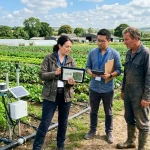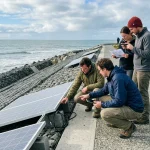
Did you know that the Green Climate Fund (GCF) plays a pivotal role in tackling climate change by supporting developing countries? Understanding where this vital fund holds its donated money is crucial for anyone invested in sustainable development and climate action. The GCF not only mobilizes substantial financial resources but also ensures these funds are strategically allocated to foster low-emission, climate-resilient growth. As concerns about climate change intensify, knowing how these funds work can empower you to engage with global efforts more meaningfully. Join us as we explore the mechanisms of the GCF and how your contributions can make a real difference in building a sustainable future.
Where Is the Green Climate Fund Money Invested?
Investments from the Green Climate Fund (GCF) are strategically directed towards a diverse array of climate initiatives aimed at fostering sustainable development and combating climate change in developing countries. Each project is meticulously designed to not only address immediate environmental challenges but also contribute to broader socio-economic benefits. The GCF funds are utilized for projects across several key areas, including renewable energy, climate resilience, sustainable agriculture, and forest conservation.
Areas of Investment
- Renewable Energy: The GCF invests in solar, wind, and hydroelectric projects to increase access to clean energy in vulnerable regions, thereby reducing dependency on fossil fuels.
- Adaptation Projects: Funds are allocated to strengthen the resilience of communities against climate impacts, such as improved infrastructure and disaster risk management initiatives.
- Sustainable Agriculture: Investments facilitate the adoption of climate-smart agricultural practices that not only boost food security but also promote biodiversity.
- Forestation and Land Use: The GCF supports reforestation and sustainable land management projects, which help sequester carbon and protect ecosystems.
To ensure a substantial and far-reaching impact, the GCF collaborates with various stakeholders, including governments, private sector entities, and local communities. This collaborative approach enhances the effectiveness of investments by integrating local knowledge and resource needs.
In essence, the Green Climate Fund’s investments are not merely financial transactions; they represent a commitment to fostering a resilient and sustainable future for those most affected by climate change. By focusing on transformative projects that address both environmental and socio-economic issues, the GCF aims to create a lasting impact that benefits communities on multiple fronts.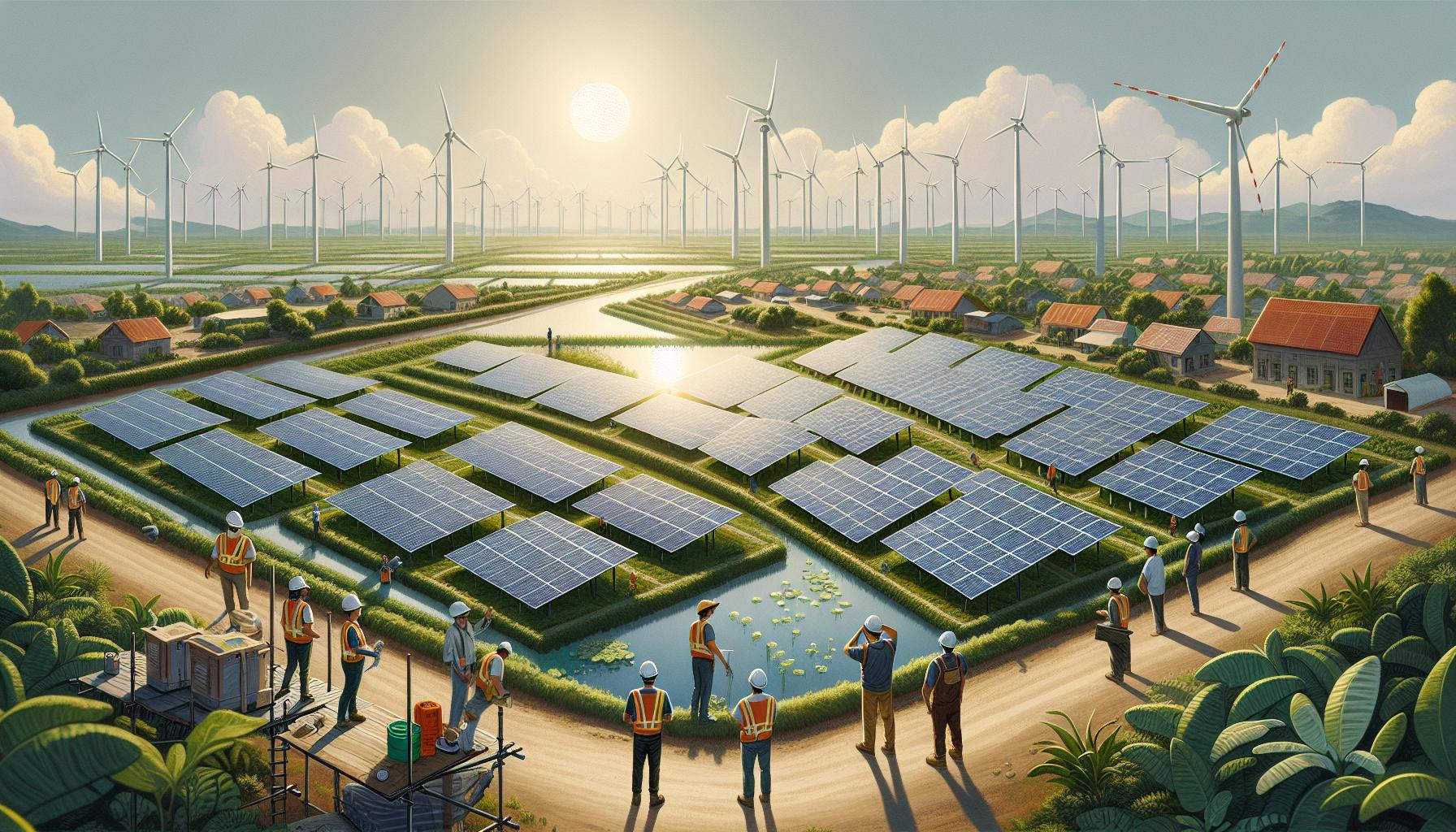
Understanding the Green Climate Fund’s Purpose
The Green Climate Fund (GCF) plays a pivotal role in the global effort to tackle climate change by channeling resources to where they are needed most-developing countries facing the brunt of climate impacts. Established under the auspices of the Paris Agreement, its primary purpose is to support these nations in transitioning to low-emission and climate-resilient development pathways. This initiative not only addresses the immediate challenges posed by climate change but also promotes sustainable development that boosts economic growth and social well-being.
To understand the fund’s purpose more clearly, it’s essential to recognize that the GCF aims to mobilize significant financial resources for climate action through a combination of public and private investments. By targeting a broad spectrum of sectors such as renewable energy, sustainable agriculture, and climate adaptation, the GCF supports projects that can yield both environmental and socio-economic benefits. For instance, investments in renewable energy projects help communities reduce their reliance on fossil fuels and mitigate greenhouse gas emissions, while simultaneously creating jobs and enhancing energy security.
Furthermore, the GCF’s approach emphasizes collaboration, working closely with governments, NGOs, and the private sector to ensure that projects are tailored to the unique needs of local communities. This participatory model not only optimizes resource allocation but also fosters community ownership of the projects, which is vital for their long-term success. By integrating local knowledge, the GCF helps design innovative solutions that are better suited to the specific environmental and socio-economic contexts of the regions it serves.
In conclusion, the Green Climate Fund is more than just a financial institution; it is a transformative force in the fight against climate change that empowers developing nations. Through its strategic investments and collaborative efforts, the GCF hopes to create a sustainable future, demonstrating that financial commitments can indeed lead to substantial real-world impacts.
Key Sources of Donations to the Green Climate Fund
The financial architecture of the Green Climate Fund (GCF) is built on the contributions of a diverse range of donors, playing a crucial role in its ability to support climate action in developing countries. The GCF primarily receives its financial resources from government contributions, which include both developed countries and emerging economies that recognize the need for global climate action. For instance, countries like Germany, the United Kingdom, and France are significant donors, showcasing a collective acknowledgment of their responsibility to support vulnerable nations facing severe climate challenges.
In addition to government funding, the fund is also supported by philanthropic organizations and private sector investments. Notably, philanthropic foundations and wealthy individuals contribute to the GCF, enhancing the pool of resources available for impactful projects. The active participation of private investors, who increasingly seek to align their capital with sustainable development goals, reflects a growing trend where investment returns are coupled with social and environmental responsibility. This shift not only widens the financial base of the GCF but also catalyzes innovative funding solutions.
Understanding the Funding Mechanisms
The GCF’s donation structure operates through a comprehensive approach, ensuring that funds are effectively mobilized and allocated. Key mechanisms include:
- Initial Resource Mobilization: The GCF’s initial capital was established during the 2014 pledging conference, and it continues to attract further commitments from donor countries.
- Replenishment Phases: Every few years, the GCF engages in replenishment rounds where donor nations reaffirm their commitments. This cycle not only secures ongoing funding but also reflects the evolving priorities in climate action.
- Co-funding Opportunities: The GCF often provides funding alongside other mechanisms and financial institutions, multiplying the impact of each dollar donated.
Through these mechanisms, the GCF not only ensures sustained financial support but also encourages strategic partnerships that enhance the overall effectiveness of climate investments. By leveraging contributions from various sources, the GCF can pursue a wide range of projects, empowering developing nations in their efforts to adapt to climate change and transition to sustainable practices. This collaborative funding model exemplifies the critical importance of global solidarity in addressing the climate crisis and highlights the role each donor plays in shaping a resilient future.
How the Green Climate Fund Allocates Resources
A crucial mechanism that powers the Green Climate Fund’s efforts lies in its systematic approach to allocating resources to projects and initiatives that address climate change challenges in developing countries. The fund strategically prioritizes funding based on the potential impact of proposed projects, ensuring that the allocation aligns with global climate goals, the specific needs of recipient countries, and the overarching objectives outlined in the Paris Agreement.
Prioritization Framework
To efficiently allocate resources, the GCF employs a multifaceted prioritization framework that evaluates proposals against several criteria, including:
- Climate Impact: Projects are assessed based on their expected contributions to reducing greenhouse gas emissions and enhancing climate resilience.
- Alignment with Nationally Determined Contributions (NDCs): The GCF ensures that funded initiatives support countries’ own climate action plans, fostering ownership and sustainability.
- Co-benefits: Proposals that generate additional benefits-such as biodiversity conservation, poverty alleviation, or gender equity-are favored, further maximizing the potential for positive change.
Once projects are approved, the allocation process is both rigorous and transparent, involving a range of partners including government institutions, private sector actors, and non-governmental organizations (NGOs). This collaborative approach not only broadens the scope of investments but also encourages knowledge sharing and capacity building among stakeholders.
Flexibility in Funding
The GCF utilizes various funding modalities to accommodate diverse project needs. These include grants, guarantees, loans, and equity investments, allowing for a customized funding strategy that best suits each initiative’s requirements. For example, a small-scale renewable energy project may receive grant funding to cover initial setup costs, while larger infrastructure projects might involve a combination of loans and equity investments to support their long-term viability.
The fund also engages in co-financing arrangements with other financial institutions to enhance leveraging of resources. This strategic partnership model not only amplifies the financial support available to projects but also encourages innovation in climate finance. Through these avenues, the GCF successfully allocates resources in ways that advance both immediate climate action and longer-term sustainability goals, demonstrating its commitment to a greener future for developing nations.
Examining the Impact of Funded Projects Globally
The Green Climate Fund (GCF) plays a pivotal role in global efforts to combat climate change, investing donor money in projects that directly address climate challenges in developing countries. To understand the impact of these funded projects, it’s essential to examine both the allocation of resources and the outcomes achieved. The GCF’s investments span a range of sectors, including renewable energy, sustainable agriculture, and water management, showcasing their versatility and commitment to fostering climate resilience.
Real-World Impacts of GCF Projects
For instance, one notable project in Bangladesh focuses on enhancing the resilience of coastal communities against climate-induced flooding. This initiative not only protects vulnerable populations but also promotes sustainable agricultural practices, contributing to food security while reducing greenhouse gas emissions. Such projects serve as model solutions, demonstrating how targeted investments can result in both environmental and social benefits.
In Africa, the GCF has funded a project aimed at restoring degraded land through sustainable land management practices. By implementing agroforestry techniques, this project has contributed to increased biodiversity, improved soil health, and enhanced livelihoods for local farmers. These outcomes illustrate how GCF-funded initiatives can create a ripple effect, amplifying benefits across communities and ecosystems.
Data-Driven Insights
Evaluating the success of these initiatives is crucial. The GCF employs rigorous monitoring and evaluation frameworks to assess the effectiveness of funded projects. For example, around 50% of GCF investments have been directed towards projects with explicit gender equality co-benefits, highlighting its commitment to inclusivity. By aligning project goals with broader social impact metrics, the GCF ensures that its funding not only addresses climate change but also fosters equity and community empowerment.
Investments by the GCF are not merely financial transactions; they represent a strategic ally for countries striving to achieve their Nationally Determined Contributions (NDCs) under the Paris Agreement. Through meticulous planning and execution, the GCF champions impactful projects that navigate the complexities of climate finance, ultimately paving the way for a sustainable future. By showcasing both quantitative and qualitative results, the GCF continues to inspire confidence in climate financing, demonstrating that collaborative efforts can yield substantial progress in combating the climate crisis globally.
Transparency and Accountability of Fund Management
In an era where transparency and accountability in financial management are imperative for gaining public trust, the Green Climate Fund (GCF) stands out for its commitment to these principles. The GCF emphasizes meticulous tracking and reporting of its financial flows to ensure that every dollar is spent effectively in the fight against climate change. To illustrate this, the Fund utilizes a robust monitoring and evaluation framework that rigorously assesses the performance of funded projects.
One key mechanism employed by the GCF is its project approval process, which involves a thorough review to ensure alignment with both financial and environmental objectives. All proposed projects undergo scrutiny by technical teams who evaluate factors such as cost-effectiveness, sustainability, and potential social impact. This attentiveness not only safeguards donor investments but also ensures that funded initiatives deliver tangible benefits to vulnerable communities. Furthermore, by mandating regular reporting from accredited entities managing these projects, the GCF maintains a continuous feedback loop that allows for timely adjustments and enhancements based on ground realities.
Additionally, the GCF publishes detailed reports and updates on its website, offering stakeholders access to vital information concerning fund allocation and project outcomes. This transparency promotes accountability by allowing the public and donor countries to track how funds are being utilized, fostering trust and encouraging continued financial contributions. The Fund’s commitment to public engagement is further reflected in its stakeholder consultations, where the voices of local communities and civil society organizations are integrated into decision-making processes, ensuring that the needs of those most affected by climate change are prioritized.
Through these comprehensive practices, the GCF not only reinforces its integrity but also sets a benchmark for other climate funds. By demonstrating effective management and clear communication, the GCF addresses concerns about potential misuse of funds and builds a foundation of confidence among its contributors and beneficiaries alike. This approach embodies a broader vision where financial mechanisms play a crucial role in sustainable development, highlighting the connection between responsible financial stewardship and meaningful action against climate change.
Comparative Analysis: GCF vs Other Climate Funds
The Green Climate Fund (GCF) operates within a unique framework that sets it apart from other climate finance initiatives. Established to support developing countries in mitigating and adapting to climate change, the GCF distinguishes itself by prioritizing not only funding but also transformational projects that have substantial long-term impacts. For instance, while many other climate funds focus primarily on disbursing grants or loans, the GCF’s approach integrates a variety of financial instruments, including performance-based payments and guarantees, which broaden the scope of potential investments and enhance their effectiveness.
When comparing the GCF with other major climate funds such as the Global Environment Facility (GEF) or the Adaptation Fund, key differences emerge in their operational structures and target outcomes. The GCF aims to mobilize private sector investment alongside public funding, whereas the GEF primarily funds governmental and multilateral projects focused on environmental benefits. This ability to attract additional private capital can amplify the GCF’s overall financing capability, increasing the scale and impact of its funded initiatives. Notable examples include projects that involve public-private partnerships, which take advantage of both public funding to reduce risks and private investment to scale solutions.
Transparency and accountability are cardinal values upheld by the GCF. Among climate funds, it stands out for implementing stringent monitoring and evaluation frameworks that ensure effective use of money. This commitment is crucial given that trust and confidence from donor countries directly influence the flow of contributions. In contrast, some other funds have faced scrutiny over their governance structures or project efficacy, which can undermine their credibility and hinder future funding efforts.
Moreover, the GCF uniquely integrates stakeholder engagement at various levels, ensuring that the voices of local communities are not only heard but are integral to project design and execution. This participatory model enhances project relevance and effectiveness, allowing funds to be allocated in ways that truly meet the needs of those affected by climate change. By fostering a collaborative environment, the GCF not only ensures that investments align with local priorities but also builds grassroots support for climate initiatives, which is crucial for long-term sustainability.
In summary, the Green Climate Fund’s integrative, transparent, and participatory approach distinguishes it from other climate financing mechanisms, promoting not only funding assurance but also impactful, sustainable development aligned with the urgent needs of vulnerable populations around the globe.
Success Stories: Projects Funded by the GCF
The Green Climate Fund (GCF) has become a beacon of hope for many communities vulnerable to the impacts of climate change, showcasing remarkable success stories that highlight both financial and social benefits derived from its investments. One standout project is in Ethiopia, where the GCF has funded reforestation initiatives that not only restore degraded lands but also empower local farmers. Through the Green Climate Fund, approximately $40 million has been allocated to restore over 900,000 hectares of land, which is expected to sequester around 16 million tons of carbon dioxide, thus combating climate change while providing sustainable livelihoods for communities.
Another noteworthy example is the GCF’s partnership with small island developing states (SIDS), particularly in the Caribbean. Here, the fund has supported climate-resilient infrastructure projects, including the construction of storm surge barriers and improved drainage systems. These projects, collectively funded with nearly $50 million, have significantly reduced vulnerability to extreme weather events, safeguarding the lives and properties of thousands of residents. By integrating local knowledge into the design and implementation phases, these initiatives have fostered community ownership and resilience against climate-induced disasters.
Innovative Approaches and Community Engagement
The GCF’s commitment to innovative approaches is further demonstrated through its funding of projects that incorporate technology. For example, in Bangladesh, the GCF has financed a project to develop a satellite-based early warning system for floods that provides real-time data to local farmers. This initiative, costing approximately $25 million, not only enhances disaster readiness but also helps secure crop yields, thus stabilizing food security in a region highly susceptible to climate impacts.
Community engagement is a pillar of the GCF’s strategy, ensuring that funded projects are tailored to the actual needs of the populations they serve. For instance, projects in Nepal have enabled participatory planning, where local communities collaborate with engineers and planners to design water management systems that effectively mitigate flooding during the monsoon season. This grassroots involvement ensures that investments made translate into real-world solutions that resonate with those directly impacted by climate change.
The success stories stemming from GCF-funded projects are not merely financial statistics; they represent a profound shift toward resilient and sustainable practices among the world’s most vulnerable populations. By continually prioritizing community-based solutions, the GCF exemplifies a model of climate financing that other organizations and initiatives could emulate, fostering a brighter and more sustainable future for all.
Challenges Facing the Green Climate Fund
The Green Climate Fund (GCF) champions numerous initiatives to combat climate change globally, yet it grapples with significant challenges that hinder its potential impact. One of the primary obstacles is funding volatility. While GCF has received pledges from developed nations, the actual disbursement often falls short. Countries like the United States have fluctuating commitments based on political decisions, which creates uncertainty in funding levels. This inconsistency directly affects project planning and implementation timelines, leaving vulnerable communities in limbo while awaiting critical financial support.
On another front, administrative bottlenecks pose a challenge as well. The complex procedures required to access GCF resources can discourage potential beneficiaries, especially smaller, grassroots organizations. The stringent requirements for project proposals and the lengthy approval process often filter out innovative solutions that may not fit traditional funding models. As a result, many smaller entities, which are crucial for local engagement and implementation, find themselves unable to navigate through the red tape, stifling grassroots innovations that tailor local responses to climate issues.
Moreover, measuring and reporting on impact remains a significant hurdle. While the GCF allocates funds with ambitious goals, quantifying the efficacy of various projects proves challenging. Developing standardized metrics for diverse initiatives across different contexts can complicate efforts to showcase success and attract further investment. Ensuring that funded projects result in tangible outcomes is vital for maintaining donor confidence and justifying continued support.
To address these challenges, the GCF must prioritize strategies that enhance transparency and simplify access to funding. By adopting more flexible funding mechanisms and streamlining application processes, the GCF can empower a broader range of stakeholders to contribute to climate action. Utilizing technology to facilitate easier communication and feedback loops can further enhance community engagement and project ownership. Ultimately, overcoming these obstacles is essential for maximizing the impact of the GCF’s mission to mitigate climate change worldwide.
Future Trends and Innovations in Climate Financing
In the evolving landscape of climate financing, innovative strategies are emerging to enhance the effectiveness and reach of funds like the Green Climate Fund (GCF). With the urgent need for transformative climate action, a focus on sustainability and equity is driving forward-thinking approaches that can substantially impact future investments. For example, blending public and private financing through innovative financial instruments, such as green bonds or social impact bonds, can engage a wider array of stakeholders, drawing in capital that may have previously remained untapped.
Leveraging Technology for Better Transparency
As technology continues to advance, utilizing data analytics and blockchain technology can bolster transparency within the GCF. These tools facilitate real-time tracking of funds and allow stakeholders to see precisely where donations are flowing. By harnessing these technologies, the GCF can become a model of accountability, giving donors clarity about their contributions and reassuring communities about the integrity of funding disbursements. Increased transparency will not only drive trust but might also attract further investments from environmentally conscious investors.
Engaging Local Communities
Another trend is the emphasis on grassroots engagement in climate financing. By prioritizing local knowledge and integrating community-led initiatives, the GCF can ensure that funding is not only effective but also culturally relevant and impactful. Programs that support capacity building at the local level empower communities to implement climate solutions that meet their specific needs. This engagement can also stimulate economic development, providing jobs and bolstering resilience against climate impacts.
Adopting Adaptive Funding Strategies
The GCF will increasingly need to adopt adaptive funding mechanisms that can respond quickly to emerging climate science and the pressing needs of vulnerable communities. This includes flexible financial solutions that allow for rapid funding disbursement in response to natural disasters or extreme weather events. By establishing a more responsive funding model, GCF can play a crucial role in crisis management, ensuring that communities have access to necessary resources when they need them most.
Embracing these future trends not only positions the GCF as a leader in climate financing but also enhances the overall efficacy of funds directed to combat climate change. As the global landscape continues to shift, ensuring that financing is accessible, transparent, and effective becomes paramount in paving the pathway toward a sustainable future.
How to Contribute to the Green Climate Fund
Contributing to the Green Climate Fund not only helps combat climate change but also empowers communities globally to build resilience and adapt to its impacts. By donating, individuals, businesses, and governments can play a critical role in financing projects that mitigate greenhouse gas emissions and foster sustainable development in vulnerable regions.
To get involved, there are several avenues available for potential contributors. Governments are often the primary donors, with contributions being coordinated through international agreements and national budgets. However, individuals and organizations can also make a significant impact through direct contributions. Many nonprofit organizations and foundations partner with the Green Climate Fund to channel donations into specific projects. Supporting these intermediaries can effectively increase the reach of one’s contribution, as they often have established networks and expertise in climate finance.
What Can You Contribute?
When considering how to contribute, potential donors should explore various options:
- Financial Donations: Direct contributions can be made through official channels, often accompanied by reports on the outcomes achieved from the funding.
- Technical Assistance: Donors can also offer technical expertise, helping local entities plan and implement climate projects effectively.
- Advocacy and Awareness: Raising awareness about the importance of the fund and encouraging others to donate can amplify the impact of individual contributions.
In addition to monetary support, the role of innovative financing mechanisms such as green bonds and impact investments is gaining traction. These financial instruments attract a broader range of investors who seek both environmental impact and financial returns. By investing through these alternatives, stakeholders not only contribute financially but also become part of a larger movement towards sustainable development.
Accountability and Transparency
It’s crucial for potential donors to ensure that contributions are used effectively. The Green Climate Fund emphasizes transparency and accountability, providing regular updates on funded projects and their impacts. This commitment can drive trust and encourage further donations from those wishing to support the fight against climate change.
Every contribution, big or small, has the potential to help shape a more sustainable future. By choosing to support the Green Climate Fund, contributors are not just making a financial donation; they are investing in a global movement towards a more resilient planet. Through collective action, significant progress can be made in addressing one of the most pressing challenges of our time.
The Role of Stakeholders in Climate Fund Management
Stakeholders play a crucial role in the successful management and allocation of funds within the Green Climate Fund (GCF). By engaging a diverse range of actors-from governments and private sector participants to local communities and nongovernmental organizations-the GCF not only fosters a collaborative approach to tackling climate change but also ensures that a variety of perspectives and expertise are considered in project implementation.
Governments are often the primary contributors, providing financial resources through international agreements and national budgets. Their involvement is essential for establishing the legal and policy frameworks that facilitate the effective use of the fund. Moreover, the GCF relies heavily on accredited entities-such as local and international NGOs and financial institutions-that act as intermediaries to disburse funds and manage projects on the ground. This delegation enables GCF to leverage existing local knowledge and networks, which are vital for addressing the unique climate challenges faced by vulnerable communities.
At the community level, stakeholder engagement is paramount. Community members can offer invaluable insights into local needs and priorities, ensuring that funded projects are culturally appropriate and equitable. Successful projects often include training programs or ongoing support for local stakeholders, empowering them to take ownership and ensure the sustainability of interventions. For example, involving indigenous groups in decision-making processes can enhance the effectiveness of climate actions by incorporating traditional knowledge and practices.
Regular communication and transparency between stakeholders are also essential for building trust and accountability in fund management. The GCF emphasizes not only the financial tracking of resources but also the social and environmental impacts of its investments. This commitment encourages stakeholders at all levels to stay engaged, share outcomes, and adapt strategies as needed to maximize effectiveness and address emerging challenges. By fostering a participatory environment, the GCF facilitates a deeper sense of responsibility and collective action towards achieving climate goals, reinforcing the notion that every stakeholder, from global donors to local community members, has a critical role in shaping a more resilient future.
Faq
Q: Where does the Green Climate Fund hold its donated money?
A: The Green Climate Fund holds donated money in account managed by financial institutions that ensure its security and availability for environmentally sustainable projects. These funds are allocated strategically to initiatives aimed at combating climate change.
Q: How is the money from the Green Climate Fund invested?
A: Money from the Green Climate Fund is invested in projects focused on climate mitigation and adaptation, such as renewable energy, sustainable agriculture, and infrastructure resilient to climate impacts. Specific investments are detailed in the section “Where Is the Green Climate Fund Money Invested?” of our main article.
Q: What measures does the Green Climate Fund take for transparency in fund management?
A: The Green Climate Fund promotes transparency through regular reporting and audits, ensuring that all financial activities are accessible for public scrutiny. This accountability maintains donor trust and encourages further contributions.
Q: Can individuals donate to the Green Climate Fund?
A: Yes, individuals can contribute to the Green Climate Fund. Information on how to contribute can be found in the section “How to Contribute to the Green Climate Fund” within the article.
Q: What happens to unallocated Green Climate Fund donations?
A: Unallocated donations are typically held in secure financial accounts until they are earmarked for specific projects or initiatives. This ensures that funds remain available for urgent climate actions as identified by the GCF framework.
Q: How does the Green Climate Fund report on its financial activities?
A: The Green Climate Fund publishes reports detailing its financial activities, project outcomes, and the effectiveness of funded initiatives. This reporting facilitates stakeholder awareness and accountability.
Q: Why is the Green Climate Fund important for global climate action?
A: The Green Climate Fund plays a crucial role in global climate action by providing necessary financial resources to developing countries for resilience and adaptation strategies. Its influence extends to fostering innovative climate solutions globally.
Q: How are projects selected for funding by the Green Climate Fund?
A: Projects are selected based on their alignment with GCF criteria, including their potential impact on reducing greenhouse gas emissions and enhancing climate resilience. The processes and criteria for project selection are elaborated in the section on “How the Green Climate Fund Allocates Resources.”
In Retrospect
Now that you understand where the Green Climate Fund holds donated money, it’s crucial to consider how you can contribute to this impactful initiative. The Fund is more than just a financial reservoir; it acts as a catalyst for climate action worldwide, supporting projects that lead us toward a sustainable future. If you haven’t done so already, explore our articles on “Climate Financing Strategies” and “Impact of Green Investments” to deepen your understanding and stay informed about your role in combating climate change.
As you seek to make informed financial decisions, think about signing up for our newsletter to receive updates on the latest developments in climate finance and how you can get involved. Every action counts, and your engagement can inspire others to contribute as well. Have questions or thoughts? We encourage you to leave a comment or share this content with your network! Together, we can make a meaningful difference.
Get our latest guides, news, and insights highlighted in your Google Search & AI Overviews.