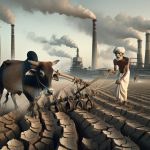
Climate change isn’t just a long-term dilemma; it manifests in immediate, often alarming ways that affect our daily lives and environment. While we often focus on the broader implications of climate change, understanding the factors that drive short-term fluctuations is equally crucial. Events like extreme weather patterns, wildfires, and pollution can lead to rapid changes that influence ecosystems, economies, and public health. By grasping these factors, you can better appreciate the urgency behind climate action and how individual choices contribute to a larger solution. Join us as we delve into the causes of short-term climate change, empowering you with insights that can inspire responsible action in your community and beyond.
Causes of Short Term Climate Change Explained
Climate change manifests both in the long-term warming of our planet and in short-term fluctuations that can drastically affect weather patterns and ecosystems. Short-term climate change, influenced by various factors, encompasses immediate shifts in weather and climatic events that can occur over days, months, or a few years. Understanding the causes of these fluctuations is crucial for mitigating their effects and preparing for future events.
Human activities are a significant driver of short-term climate changes. The burning of fossil fuels releases large amounts of greenhouse gases-primarily carbon dioxide (CO2) and methane (CH4)-into the atmosphere, enhancing the greenhouse effect and leading to rapid changes in climate patterns. Daily activities, such as transportation and industrial processes, contribute to this effect, making it essential for individuals and communities to consider reducing carbon footprints through alternative energy sources and sustainable practices.
Natural variability also plays a vital role in short-term climate changes. Events such as El Niño and La Niña cycles can cause drastic shifts in weather by altering ocean temperatures and atmospheric conditions globally. For instance, El Niño typically brings warmer and wetter conditions, while La Niña can lead to cooler temperatures and droughts in various regions. Understanding these patterns can help communities prepare for the associated weather extremes.
Additionally, factors like volcanic eruptions can temporarily cool the Earth by releasing ash and sulfur dioxide into the atmosphere, which reflect sunlight away from the planet. These eruptions may offer a brief respite from warming but can also lead to devastating local impacts. Recognizing the interplay between human actions and natural phenomena is essential for developing effective strategies to adapt to and mitigate the impacts of short-term climate change.
In conclusion, a combination of human activities and natural variability drives the short-term climate changes we experience. By understanding these causes, individuals and policymakers can implement effective strategies to address current challenges while promoting sustainable practices that decrease our overall impact on the environment. As we confront these issues, it’s crucial to remain engaged and informed about how our choices can contribute to broader climate solutions.
Natural Variability: The Earth’s Climate Patterns
Understanding the intricate dance of natural climate variability is key to comprehending how short-term climate changes unfold. The Earth’s climate is influenced by a myriad of natural factors that can result in rapid shifts in weather patterns, often altering regional climates in profound ways. For example, phenomena like El Niño and La Niña are prime examples of how oceanic and atmospheric interactions can drastically reshape weather globally. During an El Niño event, which typically occurs every few years, warmer ocean temperatures in the Pacific can lead to increased rainfall and flooding in some regions, while causing droughts in others. Conversely, La Niña, characterized by cooler ocean temperatures, usually brings drier conditions to the southern United States and wetter conditions to parts of the Pacific Northwest.
Understanding Climate Oscillations
These climate oscillations also affect agricultural productivity, water supply, and even the prevalence of natural disasters. To adapt and prepare for these fluctuations, communities can utilize weather forecasting models that incorporate these natural cycles. By understanding patterns such as the Pacific Decadal Oscillation or the North Atlantic Oscillation, local governments can make informed decisions about resource management. For instance, farmers can adjust planting schedules based on anticipated moisture levels influenced by these oscillations, ultimately protecting crops from the extremes of drought or flooding.
Volcanic Activity and its Climatic Effects
Moreover, volcanic eruptions represent another significant natural factor altering short-term climate. When a volcano erupts, it can inject massive quantities of ash and gases such as sulfur dioxide into the stratosphere. This not only produces short-term cooling but can also sustain changes in climate for years. The eruption of Mount Pinatubo in 1991, for example, led to a noticeable global temperature drop. Understanding these events underscores the complexity of Earth’s climate system and highlights the importance of research in tracking volcanic activity to predict its climatic effects.
In conclusion, by grasping these dynamic interactions within our climate systems-be it natural oscillations or volcanic influences-individuals and communities can better prepare for and respond to short-term climate changes. Engaging in proactive measures such as utilizing advanced climate prediction tools and participating in environmental monitoring allows for a more resilient approach to the inherent uncertainties of our climate.
Human Activities: Direct Impacts on Climate
The rise in global temperatures over the last few decades has been heavily influenced by human activities, revealing how closely intertwined our actions are with the climate. Research shows that human actions, particularly since the Industrial Revolution, have significantly increased the levels of greenhouse gases in the atmosphere, leading to rapid and often unpredictable climate changes. This can be illustrated by the alarming statistic that, from 1750 to 2021, atmospheric carbon dioxide levels rose by over 40%, largely due to burning fossil fuels, which emits extensive amounts of carbon dioxide and other pollutants into the air.
Key Human Activities Impacting Climate
Several activities are pivotal in driving short-term climate change, and understanding them can empower individuals and communities to make more sustainable choices:
- Fossil Fuel Combustion: The electricity and heat generated by coal, oil, and natural gas create significant carbon emissions, accounting for about 70% of total greenhouse gas emissions in many regions.
- Deforestation: Cutting down forests not only releases stored carbon dioxide when trees are burned or decay, but it also reduces the planet’s capacity to absorb carbon dioxide from the atmosphere.
- Agricultural Practices: Livestock production generates methane, a potent greenhouse gas, accounting for nearly 14.5% of all greenhouse gas emissions globally. Additionally, the use of nitrogen fertilizers can release nitrous oxide.
- Waste Management: Landfills produce methane as organic waste decomposes anaerobically, contributing to climate change unless effective recycling and composting practices are implemented.
The impacts of these activities are compounded during periods of extreme climate events. For instance, the increasing frequency of hurricanes and wildfires has been partly attributed to climate change, which is exacerbating the underlying conditions favorable for such disasters. Communities facing these impacts can take practical steps to mitigate risks, such as enhancing local infrastructure to withstand severe weather, implementing green technologies, and fostering environmental education among residents.
Taking Action for a Sustainable Future
While the challenges posed by human-induced climate change can seem insurmountable, numerous avenues exist for individuals and communities to enact meaningful change. This can include transitioning to renewable energy sources, supporting sustainable agricultural practices, and advocating for policies aimed at reducing emissions. Moreover, every small action counts-reducing energy consumption, participating in local reforestation efforts, and minimizing waste not only benefits the environment but also fosters community resilience.
In conclusion, understanding the direct impacts of human activities on climate change is essential for fostering informed actions. By acknowledging our role and taking proactive steps towards sustainable practices, we can collectively make a significant dent in the trajectory of short-term climate changes, safeguarding our planet for future generations.
Major Greenhouse Gases and Their Sources
The climate crisis we face today can be largely attributed to a few critical greenhouse gases that trap heat in our atmosphere, making their sources and impacts paramount in discussions about short-term climate change. Among these gases, carbon dioxide (CO2), methane (CH4), and nitrous oxide (N2O) play significant roles in elevating global temperatures and altering weather patterns. Understanding where these gases originate is essential for developing effective strategies for mitigation and fostering a more sustainable future.
Carbon dioxide is the most prevalent greenhouse gas emitted by human activities, primarily through the burning of fossil fuels for electricity, heat, and transportation. In fact, combustion of coal, oil, and natural gas for energy is responsible for about 70% of global CO2 emissions. This gas remains in the atmosphere for centuries, contributing to long-term changes in climate.
Methane, while present in smaller quantities, is over 25 times more effective than CO2 at trapping heat over a 100-year period. Key sources of methane emissions include livestock digestion (enteric fermentation), rice paddies, landfills, and the extraction of fossil fuels. Livestock alone contributes approximately 14.5% of global greenhouse gas emissions, highlighting the urgent need to rethink agricultural practices.
Nitrous oxide, another potent greenhouse gas, is generated from agricultural practices, especially the application of nitrogen-based fertilizers, which can release this gas into the atmosphere. It accounts for about 6% of greenhouse gas emissions globally and has a significant warming potential, as it is nearly 300 times more effective than CO2 over a century.
Recognizing these greenhouse gases and their sources empowers individuals and communities to make informed choices. For instance, simply reducing red meat consumption can lower methane emissions from livestock. Transitioning to renewable energy sources, enhancing waste management practices to discourage methane production, and adopting sustainable farming techniques can all contribute to reducing these harmful emissions. As we navigate the challenges of climate change, understanding the intricate web of greenhouse gases and their sources is crucial in our quest for a healthier planet.
By taking actionable steps and fostering community awareness, we can significantly impact climate dynamics and create a more sustainable environment for future generations.
The Role of Ocean Currents in Climate Changes
The oceans cover about 71% of the Earth’s surface and play a pivotal role in regulating climate. One of the most crucial mechanisms in this climate regulation is the system of ocean currents, which function like a conveyor belt, transporting warm and cold water around the globe. This movement of water impacts not just ocean temperatures, but also atmospheric conditions, which can lead to significant short-term climate variations.
Ocean currents are driven by a combination of wind patterns, water density differences (caused by temperature and salinity), and the Earth’s rotation. For instance, the Gulf Stream carries warm water from the Gulf of Mexico towards the North Atlantic, significantly influencing the climate of Europe and North America. Changes or disruptions in these currents can lead to dramatic weather phenomena, such as the unexpected cold snaps in winter or intensified heat waves. For example, in 2021, the disruption of the Antarctic Circumpolar Current was linked to colder winters in parts of the Southern Hemisphere, demonstrating how interconnected our climate is.
As we dive deeper into understanding these currents, it becomes clear that human activities, such as greenhouse gas emissions, are altering ocean temperatures and salinity, which in turn affect current patterns. A warming ocean can lead to stronger currents, capable of amplifying weather events like hurricanes. Furthermore, shifts in current patterns can have ripple effects on marine ecosystems, fisheries, and weather systems globally.
Mitigating the impacts of changing ocean currents requires collective action and awareness. We can take practical steps to help preserve marine health and stability, such as reducing carbon footprints, supporting sustainable fishing practices, and advocating for policies that protect ocean habitats. By understanding the essential role that ocean currents play in our climate system, we can better appreciate the need for responsible environmental stewardship that promotes a balanced, sustainable future.
How Volcanic Eruptions Influence Climate
Volcanic eruptions are natural phenomena that can have profound and immediate impacts on short-term climate change. When a volcano erupts, it releases large amounts of ash, sulfur dioxide (SO₂), and other gases into the atmosphere. These materials can significantly alter weather patterns and atmospheric conditions for months or even years following an eruption. A notable example is the eruption of Mount Pinatubo in the Philippines in 1991, which released approximately 20 million tons of sulfur dioxide. This event resulted in a global cooling effect, with temperatures dropping by about 0.5°C for the following two years due to the reflective properties of volcanic aerosols in the atmosphere.
The particles from volcanic eruptions, particularly sulfur particles, reflect sunlight away from the Earth, leading to a temporary cooling effect known as “volcanic winter.” This phenomenon can disrupt monsoon seasons, diminish crop yields, and impact ecosystems. The extent of cooling largely depends on the scale of the eruption. For instance, super-eruptions, like the one that occurred at Yellowstone over 640,000 years ago, could lead to drastic and damaging climate shifts that might last much longer than typical eruptions.
To understand the specific environmental impacts, consider the following effects of volcanic activity on climate systems:
- Immediate Cooling: Ash and aerosols create a barrier that reflects sunlight, which can lead to cooler temperatures in the upper atmosphere and alter precipitation patterns.
- Glacial Effects: Volcanic ash can accumulate on glaciers and ice caps, causing them to melt more rapidly or, conversely, slow melting by altering reflective properties.
- Long-term Impacts: Repeated small eruptions can lead to more sustained climatic effects, as continuous emissions build up within the atmosphere.
While some may see volcanic eruptions as a natural climate regulator, the broader impact of human-induced climate change complicates these dynamics. Enhanced greenhouse gas emissions can magnify the warming effects that follow cooling events. Thus, while volcanic eruptions can temporarily counteract warming, they ultimately highlight the complex interplay between natural processes and human activities.
Mitigating the effects of these eruptions requires a proactive approach in disaster preparedness and awareness about their climate impact. Communities near volcanoes should develop robust monitoring systems, invest in research on volcanic activity and climate correlations, and improve infrastructure to cope with potential short-term climate disruptions caused by eruptions. Understanding volcanic influences on climate can empower individuals and governments alike to navigate and adapt to these natural events more effectively.
Land Use Changes: Deforestation and Urbanization
The transformation of land through human activities such as deforestation and urbanization plays a significant role in accelerating short-term climate change. Around 13 million hectares of forests are lost each year due to logging, agriculture, and urban development, drastically altering local and global climatic conditions. When forests are cleared, the carbon stored in trees is released into the atmosphere, contributing to the greenhouse gas emissions that drive global warming. A striking statistic reveals that deforestation accounts for up to 20% of the world’s carbon dioxide emissions, highlighting its impact on climate dynamics.
Impacts of Deforestation
Forests are critical in regulating climate by absorbing carbon dioxide and producing oxygen. When trees are removed, not only does this carbon storage capacity diminish, but the soil is also disturbed, leading to increased soil erosion and degradation. This process can exacerbate extreme weather events, such as floods and droughts, further destabilizing local climates. For example, regions that have experienced significant deforestation, like the Amazon rainforest, face increased temperature variations and altered rainfall patterns, which can have dire consequences for agriculture and biodiversity.
Moreover, the loss of vegetation disrupts local ecosystems and the vital services they provide. For instance, forests play a key role in maintaining soil health and water cycles, which are crucial for sustaining agricultural productivity. The resulting reduction in biodiversity also makes ecosystems more susceptible to diseases and invasive species, compounding the challenges related to food security and environmental stability.
Urbanization and Its Consequences
Urbanization, the process of expanding cities and towns, significantly contributes to short-term climate change impacts. As urban areas grow, natural land is often replaced with impermeable surfaces like concrete and asphalt, which disrupts water drainage and increases temperatures-a phenomenon known as the urban heat island effect. This not only leads to higher energy consumption, as buildings require additional cooling but also amplifies local weather extremes. For example, cities can find themselves trapped in a cycle of heat, prompting increased energy use for air conditioning, further elevating greenhouse gas emissions.
To combat the negative effects of land use changes, individuals and communities can adopt sustainable practices. Strategies include promoting reforestation efforts, supporting sustainable agriculture, and enhancing urban green spaces. Urban planners can focus on developing green infrastructure, such as parks and green roofs, which can help cool urban areas, improve air quality, and manage stormwater. Engaging in local conservation initiatives empowers citizens to take action and fosters a sense of responsibility towards land stewardship.
In summary, the interplay between land use changes, including deforestation and urbanization, significantly shapes short-term climate conditions. By understanding these dynamics and taking proactive steps, individuals and communities can contribute to mitigating the effects of climate change, ensuring a healthier environment for future generations.
The Impact of Agriculture on Short Term Climate
The global agricultural sector plays a crucial role in shaping our climate, often contributing more to short-term climate change than many people realize. In fact, agriculture accounts for about 10-12% of global greenhouse gas emissions, primarily from practices that involve land clearing, livestock production, and the use of fertilizers. The connection between agricultural practices and climate impacts is complex, and understanding this relationship is essential for developing sustainable food systems that can mitigate climate change.
One significant factor is the release of methane and nitrous oxide, potent greenhouse gases emitted from livestock, rice paddies, and synthetic fertilizers. For example, methane, which is over 25 times more effective at trapping heat in the atmosphere than carbon dioxide over a 100-year period, is predominantly released through enteric fermentation in cows and other ruminants. Sustainable farming techniques, such as rotational grazing and feed management, can help reduce these emissions while improving soil health and productivity.
Sustainable Agricultural Practices
Utilizing sustainable agricultural practices can dramatically reduce the carbon footprint of the sector. Some effective strategies include:
- No-till and reduced-till farming: These methods prevent soil erosion and enhance carbon storage by leaving crop residues in place, which continue to sequester carbon for years.
- Cover cropping: Planting cover crops during off-seasons helps to enrich the soil, reduce erosion, and absorb carbon dioxide from the atmosphere.
- Agroforestry: Integrating trees into farming systems can capture carbon, improve biodiversity, and provide additional income sources through fruit or timber.
- Organic farming: This approach avoids synthetic fertilizers and pesticides, which reduces greenhouse gases and enhances the soil’s carbon storage capacity.
Case Study: Regenerative Agriculture
A noteworthy example of an effective agricultural approach is regenerative agriculture, which focuses on rebuilding soil organic matter and restoring degraded soil biodiversity. In practice, this might involve a combination of techniques such as rotational grazing, intercropping, and polyculture farming. Studies show that implementing these methods can lead to significant reductions in carbon emissions and even generate net carbon sequestration in the soil.
Moreover, the transition to sustainable agricultural practices not only plays a critical role in alleviating short-term climate impacts but also enhances food security. By improving soil health and resilience against climate extremes, farmers can better withstand droughts and floods, ensuring consistent crop yields and stable food supplies.
In conclusion, agriculture has a direct and profound impact on short-term climate change. By adopting sustainable practices, farmers and consumers can work together to mitigate greenhouse gas emissions, enhance biodiversity, and contribute to a more resilient food system that supports both human well-being and the planet’s health. As we move forward, prioritizing sustainable agricultural practices will be key to addressing the urgent challenge of climate change and ensuring a sustainable future for generations to come.
Weather Extremes: What Do They Reveal?
The increasing frequency and intensity of weather extremes serve as alarming indicators of the underlying shifts in our climate system. From devastating hurricanes to prolonged droughts and extreme heatwaves, these phenomena are potent reminders of how short-term climate changes manifest in tangible, often destructive ways. Records show that over the last few decades, the number of extreme weather events has risen sharply, linking directly to the warming atmosphere caused by human-induced greenhouse gas emissions. Understanding these extreme events is crucial for developing effective strategies to adapt and mitigate their potentially catastrophic impacts.
One revealing aspect of weather extremes is their direct correlation with rising global temperatures. For instance, warmer air can hold more moisture, leading to more intense rainfall during storms, which increases the risk of flooding. According to the Intergovernmental Panel on Climate Change (IPCC), extreme precipitation events have intensified globally, putting infrastructure and human lives at greater risk. In contrast, regions experiencing higher temperatures and altered precipitation patterns face increased vulnerability to droughts, which threaten food security and water supply. For example, the prolonged drought conditions in California have underscored how interconnected these weather patterns are with water management, agricultural practices, and energy production.
Adapting to these changes requires a multi-faceted approach involving preparation, resilience, and community engagement. Practicing sustainable land management and investing in infrastructure capable of withstanding extreme weather are crucial steps. Communities affected by frequent flooding might consider building better drainage systems, while areas prone to drought could implement water conservation techniques, such as rainwater harvesting. On an individual level, households can contribute by adopting energy-efficient practices and advocating for local policies aimed at reducing greenhouse gas emissions. Importantly, education plays a pivotal role; as people become more informed about the science behind climate change and its manifestations in extreme weather, the collective ability to respond and adapt improves.
Moreover, extreme weather events provide an opportunity to inspire responsible action. They serve as vivid reminders of our interconnectedness with the ecosystem and the potential consequences of inaction. Community-wide initiatives, such as afforestation projects and climate action groups, empower individuals to contribute positively toward mitigating this global challenge. The stories of resilience in the face of adversity can galvanize communities and highlight the importance of solidarity as we navigate the complexities of a changing climate. By learning from past experiences and preparing collectively for future challenges, we can forge a path toward a more resilient and sustainable world.
The Science of Climate Feedback Loops
The intricate dynamics of climate systems hinge significantly on feedback loops, a vital aspect that contributes to both short-term climate changes and long-term environmental shifts. These loops occur when an initial change in the climate system triggers further changes, often amplifying the original effect. For example, as global temperatures rise, the polar ice caps melt, reducing the Earth’s albedo-the ability to reflect sunlight. This reduction leads to more solar absorption, which in turn raises temperatures even further. This positive feedback cycle can hasten climate change in ways that might be irreversible once certain tipping points are crossed.
Understanding these feedback loops can empower individuals and communities to make informed decisions about climate action. Here are a few critical aspects to consider:
- Carbon dioxide and methane: The release of greenhouse gases such as carbon dioxide and methane from thawing permafrost not only contributes to warming but can potentially overwhelm our efforts to mitigate climate change if not addressed.
- Aerosols and clouds: Human activities release aerosols that can temporarily cool the atmosphere but also affect cloud formation. Changes in cloud properties can lead to either warming or additional cooling, depending on their reflectiveness and lifespan.
- Vegetation and soil: Changes in land use and deforestation can exacerbate warming. When forests are cut down, those regions lose their ability to sequester carbon, which feeds back into the climate system and accelerates temperature rise.
Educators and community leaders can leverage these insights to develop practical strategies for climate resilience. For instance, enhancing local green spaces can help sequester carbon while also providing cooling benefits in urban heat zones. Furthermore, promoting awareness about the impacts of individual behaviors-like energy consumption and waste generation-can foster a culture of sustainability.
To effectively combat short-term climate change, societies must engage in a multipronged approach that includes recognizing the role of feedback loops. Developing policies that not only aim to reduce greenhouse gas emissions but also enhance natural systems’ capacity to mitigate these emissions can create a more sustainable and resilient future. Initiatives can range from community planting days to local policy advocacy aimed at supporting renewable energy projects, underscoring the collective impact of informed grassroots efforts in driving systemic change.
Mitigating Short-Term Climate Change Effects
Addressing short-term climate change effects requires a multifaceted approach that encompasses individual actions, community initiatives, and government policies. One effective way to make a difference is by reducing our carbon footprints through lifestyle changes. For instance, opting for public transit, walking, or cycling can significantly decrease greenhouse gas emissions from personal vehicles. Additionally, adopting energy-efficient appliances and reducing electricity consumption not only lowers utility bills but also curtails emissions from fossil fuels used to generate power.
Community Engagement and Education
Empowering communities through education and active participation can play a pivotal role in . Programs aimed at planting trees, creating green spaces, or developing community gardens not only sequester carbon but also enhance local biodiversity and improve air quality. Educators can utilize hands-on learning experiences to raise awareness about climate impacts and sustainable practices. For example, schools that integrate environmental science into their curriculums provide students with the knowledge to advocate for responsible choices in energy use and waste management.
Policy and Governance
On a larger scale, advocating for policies that support renewable energy sources, such as solar and wind, can drive systemic change. Governments can implement incentives for businesses that reduce emissions and adopt sustainable practices, creating a ripple effect in the private sector. Furthermore, zoning regulations that promote sustainable land use and support the development of energy-efficient buildings can significantly alter local environments to be more resilient against climate impacts. For instance, cities that incorporate green architecture in their planning can improve energy efficiency while enhancing the well-being of residents.
Real-World Examples
Case studies from around the world highlight the effectiveness of combined efforts in mitigating climate change. In Denmark, a strong emphasis on wind energy has helped the country meet a significant portion of its energy needs through renewable sources, drastically reducing reliance on fossil fuels. Similarly, the city of San Francisco implemented comprehensive waste management policies, including composting and recycling programs, leading to a significant decrease in landfill waste and associated greenhouse gas emissions.
By collectively striving for these changes-at both individual and collective levels-we can effectively counter short-term climate change effects. Through informed actions, community collaboration, and supportive policies, we can foster a healthier planet for future generations while addressing the pressing climate challenges of our time.
Future Trends: What to Expect in Climate Dynamics
The future landscape of climate dynamics presents a compelling narrative filled with both challenges and opportunities. As we inch closer to crossing critical temperature thresholds, such as the alarming statistic that suggests 2024 may have already shown global temperatures over 1.5°C above pre-industrial levels, it is imperative to recognize the interconnectedness of various factors influencing short-term climate change. Proactive measures must be taken now, as the frequency of extreme weather events and changing climate patterns solidify their role as an ongoing reality.
One significant trend to watch is the acceleration of greenhouse gas emissions driven by human activity, particularly from industries and transportation. The shift towards renewable energy sources is crucial here; for instance, countries like Denmark have become models by harnessing wind energy as a major component of their energy mix. This transition can lead to a substantial reduction in reliance on fossil fuels, mitigating the short-term effects of climate change. Additionally, public demand for sustainable practices will likely strengthen as awareness of climate issues grows. Communities can anticipate an increase in supporting policies and initiatives designed to encourage local businesses to adopt greener practices.
Moreover, the ongoing impact of ocean currents and the role they play in regulating climate patterns cannot be understated. Changes in ocean temperatures can have cascading effects on atmospheric conditions, resulting in shifts in weather patterns and extreme events. For example, the “El Niño” phenomenon showcases how variations in ocean temperatures can lead to significant global climate shifts. As these patterns become more erratic due to climate change, preparing for their unpredictable nature will be crucial for communities worldwide.
Lastly, the integration of climate resilience strategies into urban planning represents a proactive approach to facing future challenges. Cities are increasingly investing in green infrastructure-such as parks and green roofs-that can help absorb carbon, manage stormwater, and reduce urban heat effects. These developments not only combat climate change but also enhance the quality of life for residents. Engaging in this dialogue now means that we can sculpt a future where sustainable practices are embedded in our societal framework, turning looming threats into collaborative, actionable goals that benefit both people and the planet.
Frequently asked questions
Q: What are the primary natural causes of short term climate change?
A: Natural causes include volcanic eruptions, solar variability, and ocean currents. These factors can significantly alter the climate over short periods, often leading to temporary cooling or warming effects, altering weather patterns globally.
Q: How do human activities contribute to short term climate change?
A: Human activities, such as deforestation, fossil fuel combustion, and agriculture, release greenhouse gases that trap heat in the atmosphere. Short-term impacts include increased temperatures and altered weather patterns, necessitating immediate policy action for mitigation.
Q: What role do greenhouse gases play in short term climate change?
A: Greenhouse gases like carbon dioxide and methane are pivotal in short term climate change as they enhance the greenhouse effect. Their increased concentrations from human activities lead to rapid warming trends, requiring urgent strategies for reduction and management.
Q: How do weather extremes indicate short term climate change?
A: Weather extremes, such as hurricanes, floods, and heatwaves, serve as indicators of short term climate change. These phenomena signal the immediate impacts of climate disruptions, prompting a need for adaptive measures in vulnerable regions.
Q: Can agriculture practices influence short term climate change?
A: Yes, agricultural practices significantly affect short term climate change. Activities like livestock farming and the use of synthetic fertilizers release large amounts of greenhouse gases. Sustainable farming practices can mitigate these effects by promoting soil health and reducing emissions.
Q: What is the significance of climate feedback loops in short term climate change?
A: Climate feedback loops, such as the melting of polar ice, can accelerate short term climate change. As ice melts, darker ocean surfaces absorb more heat, further warming the planet. Understanding these feedback mechanisms is crucial for predicting climate dynamics.
Q: How do land use changes contribute to short term climate change effects?
A: Land use changes, especially deforestation and urbanization, release stored carbon dioxide, contributing to short term climate fluctuations. Prioritizing reforestation and sustainable urban planning can help mitigate these impacts effectively.
Q: What future trends should we expect regarding short term climate change?
A: Future trends indicate that climate change will intensify, leading to more frequent weather extremes and shifts in ecosystems. Monitoring current research and implementing adaptive strategies is essential to minimize risks and prepare for upcoming challenges.
The Conclusion
Understanding the causes of short-term climate change is crucial as it empowers us to make informed choices that can mitigate its impacts. By addressing the roles of human activity and natural phenomena, we can take immediate action to support our planet and future generations. Don’t miss out on exploring additional resources like our detailed guide on long-term climate solutions or insights on sustainable practices that can contribute to climate stability.
If you’re eager to dive deeper into related topics, check out our articles on the effects of urbanization on climate and effective strategies for reducing your carbon footprint. Join our community by signing up for our newsletter to stay informed about the latest in climate trends and research-your engagement can make a difference! Share your thoughts in the comments or spread the word on social media; every action counts in the fight against climate change.