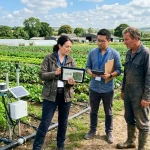
In the fight against climate change, funding is crucial. Did you know that in 2024, one-third of National Meteorological and Hydrological Services (NMHSs) reached an ‘advanced’ level in climate services, thanks to targeted adaptation funding? This highlights the vital role donors play in empowering nations to tackle environmental challenges effectively. Understanding who funds climate power reveals the strategies and motivations behind these investments, offering insights into how each contribution impacts communities and ecosystems worldwide. As climate issues become increasingly pressing, knowing the source of funding can help us connect the dots between financial decisions and their social and environmental outcomes. Join us as we explore the landscape of climate funding, uncovering the innovators and organizations making a difference, and find out how we can better align resources to combat climate challenges effectively.
Who is Behind Climate Power Funding?
In the dynamic landscape of climate funding, a diverse array of stakeholders plays a pivotal role in shaping the financial flow that supports climate initiatives. Understanding who is behind climate power funding provides insights into the motivations, strategies, and impacts that drive this critical aspect of environmental governance.
- Governments and Multilateral Institutions: Public financing remains a cornerstone of climate funding, with national governments and international organizations like the United Nations offering substantial contributions. These funds generally aim to support both mitigation and adaptation efforts across vulnerable regions, reflecting government commitments made under agreements like the Paris Accord.
- Philanthropic Organizations: Foundations such as the Bill and Melinda Gates Foundation and the Rockefeller Foundation have emerged as influential players in climate funding. These entities often prioritize innovative solutions and scalable projects, directing their resources toward initiatives that promise significant social and environmental returns.
- Corporations: Many businesses are increasingly recognizing the importance of sustainability, leading them to invest directly in climate initiatives. Companies from various industries are establishing partnerships with non-profits and funding projects that align with their corporate social responsibility goals, thereby facilitating a transition to greener practices.
- Grassroots Movements: While institutional funding garners much attention, grassroots donations play a crucial role. Community-based organizations often mobilize local resources and volunteer support to implement on-the-ground climate actions that larger donors may overlook. This local engagement can spark significant change and innovation.
The convergence of these various funding sources allows for a multifaceted approach to climate solutions. By leveraging both top-down and bottom-up funding mechanisms, stakeholders can achieve comprehensive changes that address the environmental crisis in a more equitable manner. This blending of resources not only amplifies the effectiveness of individual donations but also fosters collaborative efforts among diverse entities, ensuring that climate action is both impactful and inclusive. In essence, the robust tapestry of donors underpins a responsive and effective climate funding ecosystem that addresses immediate needs while striving for long-term sustainability.
Major Donors in Climate Movement

In the realm of climate action, the financial landscape is increasingly shaped by a diverse group of donors who provide critical resources for innovative solutions and sustainable projects. Among these major players, we can identify a mix of governmental entities, philanthropic organizations, corporations, and grassroots movements, each bringing unique strengths and motivations to the table.
Government and Multilateral Funding
Governments around the world, guided by international agreements like the Paris Accord, are pivotal in climate funding. They allocate significant tax revenue to support both mitigation and adaptation efforts, particularly in vulnerable regions. For example, the Green Climate Fund, established under the United Nations Framework Convention on Climate Change (UNFCCC), mobilizes financial support from developed countries to developing nations to combat climate change and enhance resilience against its impacts.
Philanthropic Organizations
Philanthropic foundations are also key players, often supporting groundbreaking projects that may not attract traditional investment. The Bill and Melinda Gates Foundation and Rockefeller Foundation are two notable examples where funding is funneled into scalable, innovative initiatives. These foundations often prioritize projects that demonstrate a clear potential for social and environmental impact, such as renewable energy access for underserved communities or investments in sustainable agricultural practices.
The Corporate Sector’s Role
In recent years, corporations have become increasingly aware of the financial and reputational risks posed by climate change. Many businesses are stepping up to the plate, establishing partnerships with non-profits and committing financial resources to support environmental initiatives. Companies like Unilever and Patagonia are examples of firms investing in projects that not only enhance their sustainability credentials but also contribute to broader climate goals. These corporate donations are often aligned with corporate social responsibility (CSR) initiatives aimed at promoting sustainable practices and reducing carbon footprints.
Grassroots Movements
While institutional funding gains much attention, grassroots movements play a critical role in climate financing. These local organizations mobilize funding through small donations and community support, enabling on-the-ground action in diverse communities. Initiatives like local clean-up projects or community solar energy cooperatives showcase how grassroots efforts can lead to significant environmental impacts that larger donors may overlook. Their boots-on-the-ground actions often inspire broader engagement and demonstrate the power of collective local efforts.
The confluence of these diverse funding sources not only illustrates the fragmented nature of climate finance but also highlights the importance of collaboration across sectors. This synergy allows for a more holistic approach to tackling climate change, where innovative solutions can thrive, and local needs are met alongside global strategies. By understanding the profiles and motivations of these major donors, we can better appreciate the interconnected web of efforts required to combat climate change effectively.
How Climate Funding Influences Policies

Climate funding plays a crucial role in shaping environmental policies and strategies worldwide. When financial resources are allocated to specific initiatives, they not only provide direct support for various climate projects but also serve as a powerful incentive for policymakers to prioritize climate issues. For instance, governments that receive funding from international bodies like the Green Climate Fund often feel the pressure to develop and implement more ambitious climate policies, aligning their national strategies with global frameworks.
The influence of climate funding can be observed through the lens of successful policies that emerge when dedicated financial support is made available. In countries where funds are directed towards renewable energy initiatives, there is often a corresponding increase in regulations that facilitate clean energy adoption, such as tax incentives or streamlined permitting processes. This creates a positive feedback loop where funding not only addresses immediate environmental concerns but also fosters a regulatory environment conducive to long-term sustainability.
Moreover, philanthropic organizations and corporations play a unique role in guiding policy through their financial contributions. When these entities invest in climate initiatives, they often advocate for policy changes that align with their financial interests. For example, a corporation funding a renewable energy project may also lobby for legislation that supports clean energy development while providing evidence-based research to influence decision-makers. Their involvement can help bridge the gap between environmental science and policy, ensuring that legislative frameworks are grounded in practical, actionable insights.
To effectively harness the potential of climate funding, stakeholders must emphasize transparency and accountability. This involves not only tracking the allocation of funds but also evaluating their impact on policy outcomes. Engaging communities in this process helps ensure that policies reflect local needs and conditions, resulting in more effective climate action. Ongoing collaboration among donors, policymakers, and grassroots organizations can create robust strategies that transform climate funding into lasting change. By understanding how funding shapes the policy landscape, we can better align financial investments with meaningful environmental outcomes.
The Role of Corporations in Climate Donations
Corporations increasingly wield power in the climate movement, not just as significant funding sources, but also as influential advocates for policy changes that align with their sustainability objectives. With an estimated $6 trillion needed globally to meet climate targets by 2030, corporate donations can catalyze rapid advancements in renewable energy, sustainable practices, and the overall reduction of greenhouse gas emissions. However, understanding the dynamics of corporate climate funding reveals a complex interplay between profit motives and genuine environmental stewardship.
Many corporations recognize that investing in climate initiatives is not only a moral imperative but also a strategic business decision. Companies like Microsoft and Unilever have launched ambitious sustainability projects, pledging to become carbon negative or achieve net-zero emissions. This commitment leads them to fund influential research, support innovative technologies, and participate in advocacy for environmental policies that promote renewable energy sources and sustainable supply chains. Such alignment between corporate interests and climate action generates jobs, drives technological advances, and enhances brand loyalty among increasingly environmentally conscious consumers.
Yet, the corporate role in climate donations is not without scrutiny. Critics often point out that some companies may engage in “greenwashing,” wherein their contributions to climate initiatives are more about public relations than substantial change. This raises important questions around transparency and accountability in corporate climate funding. To mitigate these concerns, corporations can adopt practices that enhance credibility, such as setting measurable goals for emissions reductions and publicly reporting progress through established frameworks like the Science Based Targets initiative (SBTi).
Ultimately, while corporations can play a transformative role in climate funding, successful partnerships require a balance of transparency, accountability, and genuine commitment to sustainability. Stakeholders from various sectors must work collaboratively to ensure that corporate investments genuinely contribute to environmental goals and result in tangible benefits for communities affected by climate change. By aligning financial strategies with effective environmental practices, corporations can help shape a more sustainable future while fostering public trust and engagement in the climate movement.
Grassroots vs. Institutional Climate Funding
The landscape of climate funding is shaped by contrasting approaches: grassroots initiatives and institutional financing. Understanding these two paradigms reveals not only where funding comes from, but how it influences climate action at different levels. Grassroots funding often stems from individual donors, community fundraising, and small-scale initiatives that prioritize local engagement and empowerment. This form of funding is characterized by its focus on direct action and community involvement, often leading to innovative solutions tailored to specific environmental issues. For example, local organizations may mobilize resources to create community gardens, urban green spaces, or renewable energy cooperatives, directly involving citizens in the sustainability process.
In contrast, institutional climate funding typically comes from larger entities such as governments, international organizations, philanthropic foundations, and corporations. These sources can provide substantial capital necessary for large-scale projects, such as renewable energy installations or nationwide climate resilience strategies. While this type of funding generally has the potential for significant impact, it often comes with bureaucratic constraints and may prioritize projects aligned with broader strategic goals. For instance, multi-million dollar grants might be awarded to initiatives that promise widespread economic benefits or align with political priorities, which can sometimes sideline local needs or innovative grassroots solutions.
Comparative Insights
The contrasting dynamics of grassroots and institutional funding present both challenges and opportunities. While grassroots efforts enable localized, adaptable solutions and foster community solidarity, they often struggle with sustainable funding and scaling. Institutional funding, while potentially transformative, can lead to top-down approaches that may not resonate with the communities they intend to support. Here are key comparisons:
- Flexibility: Grassroots projects often adapt quickly to local conditions, while institutional initiatives may require longer planning and approval processes.
- Scale: Institutional funding can facilitate large-scale projects but may overlook unique local contexts; grassroots funding excels in small-scale innovation.
- Engagement: Grassroots initiatives foster community involvement, while institutional funding may lead to disconnection if local voices are not adequately prioritized.
- Accountability: Grassroots programs are usually directly accountable to their communities, while institutional funders may face broader accountability pressures to stakeholders.
Both funding models play vital roles in the climate movement and have the potential to complement each other. As we move forward, collaboration between grassroots movements and institutional funders could lead to more effective climate solutions. By leveraging the strengths of each, we can foster a more inclusive approach that ensures both broad-scale infrastructure and localized adaptations are funded, leading to a holistic response to the climate crisis. Supporting channels for dialogue between community groups and institutional funders can also enhance mutual understanding and ensure that both local needs and larger strategies are effectively addressed.
Analyzing the Impact of Donor Contributions
The influence of donor contributions on climate initiatives is profound, shaping not only the scale and scope of projects but also the approaches adopted to combat climate change. For instance, significant funding from philanthropic organizations or wealthy individuals can provide the necessary capital to launch large-scale renewable energy projects or implement community-driven conservation efforts. These donors often have specific agendas or preferences, which can dictate the types of projects that receive backing. A study from the Climate Policy Initiative noted that investments in renewable energy rose sharply, with donors directing funds towards technologies like solar and wind, which can yield significant returns on investment while also addressing climate issues.
Understanding the types of donors involved is crucial for assessing their impact. Major funding sources include large philanthropic foundations, government grants, and corporate sponsorships. Each category brings distinct strengths and potential challenges. For example, foundations often focus on innovative projects that may otherwise lack support due to their unconventional nature. In contrast, corporate donors may require alignment with their business interests, which can lead to more traditional, less transformative approaches. This corporate influence can sometimes stifle innovation, as projects must fit within broader business strategies or branding initiatives.
Additionally, donor contributions can serve as catalysts for broader change. When major funders back a specific initiative, it can create a ripple effect, encouraging other investors, governments, and organizations to align their efforts with that project. An example lies in the philanthropic backing of the Clean Energy Fund, which has successfully attracted additional public and private investments, amplifying its impact. However, while harnessing the power of donor contributions can lead to substantial outcomes, it also brings risks, including dependency on certain funding flows or potential misalignment with community needs.
To navigate the complexities of donor contributions successfully, it is essential for organizations to establish transparency and accountability, ensuring that donor intentions are aligned with community and environmental goals. Engaging communities in the decision-making process can lead to more effective, locally relevant solutions in climate action. By fostering dialogue between donors and local stakeholders, organizations can create a balanced ecosystem where funding not only drives initiatives forward but also genuinely reflects the needs and values of the communities involved.
Transparency in Climate Funding: What to Know
In the realm of climate funding, transparency is not just a nice-to-have; it is a fundamental principle that can significantly impact the efficacy and trustworthiness of initiatives aimed at addressing climate change. With billions of dollars flowing from various sources-including governments, philanthropies, and corporations-understanding how these funds are allocated and utilized is critical for ensuring that the goals of climate initiatives align with the needs of affected communities. Transparency fosters accountability, which is essential in a field where the stakes are high and outcomes can affect lives and ecosystems across the globe.
Effective transparency in climate funding involves several key components. First, detailed reporting on where funds are coming from and how they are spent can illuminate the motivations behind donor contributions. For instance, if corporate donors are financing specific renewable projects, it’s essential to analyze whether their financial support comes with expectations that prioritize corporate interests over environmental needs. Communities must also have insights into grant conditions or restrictive measures that might limit how funds can be used.
Moreover, engaging stakeholders-particularly those directly impacted by climate initiatives-creates an environment of shared responsibility and ownership. By involving local communities in the planning and implementation processes, organizations can better align funding strategies with genuine environmental and social needs, leading to more effective results. Initiatives such as community advisory boards or public forums can facilitate the feedback and discussion necessary for developing trust and ensuring that funding truly supports equitable climate action.
In conclusion, building a culture of transparency in climate funding enables a more robust and inclusive response to the climate crisis. It ensures that donor motivations can be openly scrutinized, that funding flows address the real needs of communities, and ultimately that the fight against climate change benefits from collaborative, locally-informed approaches. As stakeholders become more aware and engaged, they can advocate for practices that promote not just financial investment but genuine accountability and sustainability in climate action.
Case Studies of Successful Climate Initiatives
In a world where climate change poses an existential threat, numerous initiatives powered by strategic funding have emerged as beacons of hope. Understanding how these successful projects are financed sheds light on the interplay between donors and impactful environmental action. Notably, various case studies illustrate how effective funding collaborations can lead to transformative climate solutions.
A remarkable case is the Global Environment Facility (GEF), which supports projects ranging from biodiversity conservation to international waters management. Through a partnership model, GEF brings together skillful co-financing from various donors, including governmental bodies and private sectors. For example, its projects in the Amazon region have not only halted deforestation but also provided sustainable livelihoods for local communities. By pooling resources, GEF has been able to deliver comprehensive programs that tackle environmental issues while empowering local stakeholders.
Another powerful example is the Green Climate Fund (GCF), created to assist developing countries in their climate efforts. The GCF has facilitated innovative financing solutions, such as the Caribbean’s Caribbean Climate-Smart Accelerator, which involves investments in renewable energy and resilience projects. By engaging with local governments and organizations, the Accelerator has elevated community-level engagement while encouraging private investment-demonstrating that climate funding can drive entrepreneurship as well as environmental sustainability.
Innovative Grassroots Initiatives
Grassroots movements have also leveraged funding to create notable initiatives. The Solar Sister project empowers women in Africa by providing them with solar power technologies. As a funder-driven model, it combines charitable contributions with entrepreneurial training, effectively integrating climate action with social empowerment. With funding from various international donors, Solar Sister not only enhances energy access in rural areas but also supports women entrepreneurs, showcasing how climate funding can deliver dual benefits-environmental impact and social equity.
Case studies such as these reflect the potential of well-targeted climate funding to foster not only environmental but also social change. For those looking to harness this potential, identifying strategic partnerships and embracing a multipronged approach to funding can enhance the effectiveness of climate initiatives further. By staying informed and exploring diverse funding avenues-from institutional grants to individual donations-nurturing impactful climate initiatives becomes an attainable goal for communities worldwide.
The Future of Climate Funding: Trends to Watch
As the urgency of climate change escalates, the landscape of climate funding is evolving rapidly, reflecting an increasing awareness of environmental issues among various stakeholders. The future of climate funding is characterized by innovation, collaboration, and a shift toward more inclusive models that prioritize community engagement and sustainability. One significant trend is the rise in blended finance, where public funds are used to attract private investment for climate-related projects. This approach not only maximizes resource utilization but also encourages greater accountability and transparency among investors, fostering a more resilient financial ecosystem.
Another promising development is the growing focus on impact investing, where donors are increasingly seeking measurable environmental and social outcomes alongside financial returns. For instance, funds directed towards renewable energy projects now come with expectations of clear metrics for emissions reductions and community benefits. Investors are not merely funding projects; they are participating in a movement that holds significant promise for both the planet and profit. The shift from traditional funding structures to more dynamic, outcome-oriented frameworks indicates a robust maturation of the climate funding space.
Grassroots movements are also redefining the funding narrative, with innovative models emerging that emphasize local knowledge and community resilience. Initiatives like community solar programs leverage local financing mechanisms, allowing community members to invest directly in renewable energy projects that benefit them. This shift empowers communities, ensuring that funding not only comes from outside sources but also circulates within local economies, fostering self-sufficiency and long-term environmental stewardship.
The future of climate funding will be marked by an emphasis on investor diversity, with a broader range of participants including individuals, small businesses, and non-traditional investors entering the space. This democratization of funding has the potential to create a more vibrant and diverse funding landscape, encouraging innovations that can lead to transformative climate solutions. By embracing these trends and fostering partnerships across sectors, we can cultivate a more resilient community of climate advocates and solution-makers for the challenges ahead.
Challenges and Controversies in Climate Funding
Navigating the complex landscape of climate funding reveals a multitude of challenges and controversies that can hinder progress. While generous contributions from corporations, governments, and philanthropic organizations fuel essential initiatives, the motivations behind these donations can sometimes mask deeper issues. For instance, corporate donors may engage in greenwashing, wherein they pledge support for climate initiatives while simultaneously continuing practices that contribute significantly to environmental degradation. This contradiction raises important questions about the sincerity and impact of such funding.
Moreover, the dependence on a limited pool of affluent donors often leads to a top-down approach in climate solutions. When funding is disproportionately directed from a small number of sources, it can marginalize grassroots movements that understand local challenges and solutions. Communities that are most affected by climate change may find their voices stifled as decisions are made from afar, often without sufficient input from those who are directly impacted. This disconnect can breed discontent and undermine the effectiveness of climate initiatives.
Conflict of interest is another prominent issue. When major donors are also stakeholders in industries that contribute to climate change, their influence can skew priorities towards projects that may not deliver optimal environmental outcomes. For instance, renewable energy projects backed by fossil fuel companies might receive funding that encourages incomplete transitions, leaving crucial issues unaddressed. Transparency in funding sources and decision-making processes becomes critical to ensure that climate initiatives truly prioritize environmental integrity.
In response to these challenges, it is vital for stakeholders to advocate for greater accountability and inclusivity in climate funding. This can include implementing frameworks that allow for community engagement and feedback in funding decisions, as well as policies that require corporate donors to meet specific environmental and social governance criteria. By fostering a more equitable funding landscape that values local knowledge and addresses power imbalances, we can enhance the effectiveness of the climate initiatives crucial to building a sustainable future.
How to Get Involved in Climate Funding
Getting involved in climate funding is not only a crucial step in combating climate change but also an opportunity for individuals and organizations to make a meaningful impact. There are various avenues through which you can engage in this essential work, whether through financial contributions, volunteering time and expertise, or advocating for policies that prioritize sustainable practices.
One actionable way to contribute is by supporting established climate organizations. Many nonprofits and NGOs focus on climate initiatives, and they often welcome donations to fund their projects. Research organizations that align with your values, and consider setting up regular donations or participating in fundraising events. For instance, an organization like 350.org mobilizes grassroots campaigns to reduce greenhouse gas concentrations in the atmosphere and may offer volunteer roles that can directly influence climate policies at the local or national level.
Another impactful strategy is to invest in climate-focused funds or green bonds. These financial products are specifically designed to generate positive environmental impacts alongside financial returns. By choosing to invest your money in such funds, you can support projects that focus on renewable energy, sustainable agriculture, and energy efficiency, contributing to the transition towards a more sustainable economy. Before investing, delve into the fund’s objectives and track record to ensure your money is directed toward projects that prioritize environmental sustainability.
Engaging with Local Initiatives
Local grassroots movements often rely on community support to thrive. Consider joining or building networks that focus on climate action in your area. Community-led initiatives can be incredibly effective-empowering local voices to tackle climate issues unique to their regions. This could involve participating in tree planting events, community clean-ups, or educational workshops. By engaging with local movements, you’ll not only contribute to local solutions but also create a supportive community of like-minded individuals committed to climate action.
Finally, advocating for policy changes at local, national, or global levels can also make a significant difference. Attend town halls, engage in discussions about climate policies, and communicate with your elected representatives about the importance of climate funding. Every voice counts, and expressing your views on climate issues can lead to actions that support larger funding frameworks addressing systemic change.
By exploring these paths, you can play a vital role in the climate funding landscape-whether through financial support, direct action, or advocacy. Each contribution, no matter the size, helps build momentum for meaningful change in addressing climate challenges.
Resources for Understanding Climate Finance
Understanding the world of climate finance can feel daunting, but it’s crucial for unlocking the potential of collective action against climate change. With billions of dollars flowing annually into sustainability initiatives, grasping the ins and outs of climate funding is essential for advocates, policymakers, and everyday citizens alike. Learning about the sources and mechanisms of climate finance not only informs how we engage with these funds but also empowers us to hold stakeholders accountable and drive impactful change.
A good starting point is to familiarize yourself with the various types of climate funding. These can be broadly categorized as public funding, private investments, and philanthropic donations. Each type serves a unique purpose: public funding often comes from governmental bodies earmarked for sustainable infrastructure; private investments, particularly from venture capital or green banks, focus on innovative technologies; and philanthropic donations usually support grassroots movements or research initiatives. Understanding these distinctions will enhance your ability to navigate and utilize climate finance effectively.
For those seeking real-world examples, consider the Green Climate Fund (GCF), which aims to assist developing countries in balancing their climate development needs. By funding projects that reduce greenhouse gas emissions and enhance climate resilience, the GCF exemplifies how coordinated funding can create tangible benefits. Additionally, examining successful case studies, such as renewable energy projects in countries like India and Kenya, reveals how targeted investments can lead to sustainable development while improving local economies.
Engaging with educational resources can also enhance your comprehension of climate finance. Workshops, online courses, and webinars hosted by organizations like the Climate Fund Managers or the United Nations Framework Convention on Climate Change (UNFCCC) often provide valuable insights into how funding mechanisms operate. For a more interactive approach, consider following market analysis reports or subscribing to newsletters from leading climate finance institutions to stay updated on trends, challenges, and opportunities in the sector.
By investing time in understanding climate finance, you equip yourself with the knowledge to contribute meaningfully to the conversation around climate action and sustainability. This not only clarifies the flow of funds but also highlights how individuals and organizations can strategically align their efforts to maximize impact.
Frequently asked questions
Q: What organizations are the main sponsors of climate action fundraising?
A: Major sponsors of climate action fundraising include non-profit organizations, government agencies, and corporate entities committed to environmental sustainability. Key players often comprise philanthropic foundations and international aid organizations, as well as green tech firms, which finance renewable energy projects and advocacy efforts. For a deeper dive, see the section on “Major Donors in Climate Movement.”
Q: How does corporate funding affect climate policy decisions?
A: Corporate funding significantly influences climate policy by aligning with strategic interests. Companies leverage donations to support policies that favor their business models or promote sustainable practices, thereby shaping regulatory frameworks. This complex relationship is further explored in “How Climate Funding Influences Policies.”
Q: What are the pros and cons of grassroots versus institutional climate funding?
A: Grassroots funding tends to foster community engagement and support localized initiatives, promoting social equity. In contrast, institutional funding provides substantial resources for large-scale projects but may lead to less community control. For comprehensive insights, refer to “Grassroots vs. Institutional Climate Funding.”
Q: How can individuals participate in climate funding?
A: Individuals can participate in climate funding through direct donations, volunteering for environmental organizations, or advocating for climate-friendly policies locally. Engaging in community initiatives or crowdfunding for specific projects also empowers grassroots movements. Learn more in “How to Get Involved in Climate Funding.”
Q: What challenges exist in the transparency of climate funding?
A: Transparency challenges in climate funding include lack of accessible data on donor contributions and the potential for conflicts of interest. This opacity may hinder effective oversight and public trust. Further information is addressed in “Transparency in Climate Funding: What to Know.”
Q: Why is understanding climate finance important for activists?
A: Understanding climate finance is crucial for activists as it equips them to make informed decisions, advocate more effectively, and target funding opportunities that align with their goals. This knowledge empowers them to push for greater accountability in donor practices.
Q: When is climate funding likely to see significant changes?
A: Climate funding is expected to evolve continually, particularly in response to global climate commitments and policy shifts like the Paris Agreement. Monitoring emerging trends is essential for staying updated. Insights into future trends can be found in “The Future of Climate Funding: Trends to Watch.”
Q: What are notable case studies in successful climate initiatives funded by donors?
A: Notable case studies include the Green Climate Fund’s projects that have successfully deployed renewable energy in developing countries. These initiatives demonstrate the tangible impact of donor contributions on climate resilience and sustainability, which are detailed in “Case Studies of Successful Climate Initiatives.”
In Retrospect
As we conclude our exploration of “Who Funds Climate Power: Donors Revealed,” it’s clear that understanding the financial forces behind climate initiatives is crucial for informed advocacy and action. By uncovering these connections, you can engage in more meaningful conversations about climate responsibility. Don’t let this knowledge sit idle-take your understanding further. Check out our detailed analyses on the impacts of specific donor activities and the vital role of grassroots movements in shaping climate policy.
We’re committed to empowering you with the tools and insights needed to effect change. If you haven’t yet, subscribe to our newsletter for the latest updates and expert resources tailored to your needs. Feel free to share your thoughts in the comments-your voice is essential in this dialogue. For those looking to delve deeper into related topics, explore our articles on sustainable financing and renewable energy innovations. Let’s continue this journey together, making informed choices today for a brighter tomorrow.
Get our latest guides, news, and insights highlighted in your Google Search & AI Overviews.