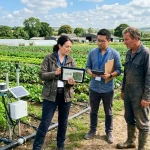
In a world grappling with climate change, understanding who funds climate scientists and their research is crucial. The financial backing of these experts shapes how we interpret climate data and respond to environmental threats. Did you know that significant portions of climate research funding come from a mix of government grants, private foundations, and corporate sponsorships? This interplay of finance can influence research agendas and priorities, ultimately impacting policy decisions that affect our planet’s future. As concerned citizens and stewards of the Earth, we need to explore these funding sources; they not only affect scientific integrity but also determine which voices are heard in the global climate conversation. By following the money trail, we can better comprehend the motivations behind climate science and advocate for equitable and transparent funding practices. Join us as we delve into this essential inquiry, revealing insights that can empower you to make informed decisions in support of sustainable solutions.
Who Funds Climate Research? Exploring the Key Players
In the intricate web of climate research funding, several key players play vital roles in determining the trajectory and focus of scientific inquiries. Understanding who funds climate research provides essential insights into the motivations and implications of financial backing, shaping everything from research priorities to the integrity of scientific outputs.
Among the foremost contributors to climate science are philanthropic organizations, which have increasingly recognized the urgent need to address climate challenges. Grants from foundations such as Bloomberg Philanthropies are instrumental, particularly as traditional funding sources like government allocations fluctuate. The current trend indicates that while most funding still caters to institutions in the U.S. and Europe, there’s a growing commitment to support initiatives across Africa, Asia, and Latin America. This diversification not only enhances global perspectives in climate research but also fosters innovation tailored to diverse environmental conditions [2].
Government funding remains another cornerstone for climate science. In recent years, legislative measures like the Inflation Reduction Act have allocated billions toward climate-related initiatives, underscoring the importance of public dollars in reinforcing scientific practices and emergency preparedness [3]. This funding is critical for enhancing research infrastructure and ensuring resilience against climate impacts, especially for vulnerable populations and ecosystems.
Corporate sponsorship also shapes the landscape of climate research funding. While companies may support scientific studies to bolster their public image or align with sustainability goals, there are inherent risks of bias and influence on research outcomes. Transparency regarding the motivations behind corporate sponsorship is vital for maintaining the credibility of climate science.
Ultimately, the interplay of these funding sources not only influences what research is conducted but also how it is conducted. A balanced and transparent approach to funding sources is essential to uphold the integrity of climate science, ensuring that findings are driven by genuine inquiry rather than external pressures. Understanding these dynamics is crucial for fostering trust in scientific research and guiding future funding strategies to meet the pressing challenges posed by climate change.
The Role of Philanthropy in Climate Science Funding
Philanthropic funding has emerged as a powerful force in climate science, stepping in to fill gaps left by fluctuating government budgets and fostering innovative approaches to tackle the pressing challenges posed by climate change. Foundations such as the Rockefeller Foundation, Bloomberg Philanthropies, and the Sierra Club Foundation play critical roles by providing grants to researchers and organizations dedicated to delivering actionable insights and solutions. For instance, the Rockefeller Foundation has committed millions to support renewable energy research and resilience planning in vulnerable communities worldwide, demonstrating how targeted philanthropy can make a substantial impact in areas often overlooked by traditional funding sources.
Given the urgency surrounding climate issues, many philanthropic organizations are pivoting their funding strategies towards global initiatives that address environmental concerns across diverse regions, including Africa, Asia, and Latin America. This shift not only democratizes access to research funding but also ensures that climate science reflects a wider array of cultural and environmental contexts. According to reports, approximately 25% of climate-related philanthropic funding is now directed toward international programs, a significant rise from previous decades when most funding was concentrated in the Global North. By supporting local and indigenous scientists and initiatives, philanthropic efforts help cultivate a richer tapestry of knowledge and solutions tailored to specific environmental challenges.
Philanthropy also plays a crucial role in enabling experimental and high-risk projects that traditional funding sources might shy away from due to their uncertain outcomes. For example, initiatives that explore novel approaches to carbon capture, sustainable agriculture technology, or climate adaptation strategies often rely on philanthropic backing to begin their journeys. This risk tolerance fosters a culture of innovation within climate research, allowing for groundbreaking discoveries that can push the boundaries of what is possible in combating climate change.
However, the influence of philanthropic funding is not without its complexities. As the philanthropic landscape evolves, concerns about transparency and accountability have come to the forefront. Questions arise about the motivations behind donations and the potential for funders to shape research agendas in ways that may not align with the broader public interest. To address these issues, fostering transparency and encouraging a collaborative spirit among researchers, philanthropists, and communities is essential. By doing so, the climate science community can harness the transformative potential of philanthropy while ensuring that it remains accountable to the very concerns it seeks to address.
Government Funding: How Public Dollars Support Research
Public funding plays a vital role in climate research, often acting as the backbone of innovative studies that seek to address the pressing environmental challenges of our time. Governments around the world allocate substantial budgets to support scientific investigations that aim to enhance our understanding of climate change and develop sustainable solutions. For instance, the U.S. federal government has invested billions into agencies like the National Oceanic and Atmospheric Administration (NOAA) and the Environmental Protection Agency (EPA), focusing on climate modeling, biodiversity, and the impacts of climate change on various ecosystems.
Why Public Funding Matters
The key advantage of government funding is its ability to provide stable, long-term financial support for research initiatives that might not attract private investment due to perceived risks or limited short-term returns. This funding is crucial for conducting comprehensive, large-scale studies that span multiple years or require vast datasets, enabling scientists to gather more accurate and representative information. Moreover, public funding often prioritizes projects that align with national and international climate goals, such as the Paris Agreement, ensuring that the research not only serves academic interests but also contributes to broader societal objectives.
Examples of Government-Funded Research
Prominent examples of government-funded climate research include:
- NASA’s Earth Science Division: This agency conducts extensive satellite monitoring and research on climate change indicators, such as greenhouse gas emissions and temperature trends, providing invaluable data to scientists around the globe.
- The European Union’s Horizon Europe: This ambitious research and innovation program allocates funds towards renewable energy technologies and climate resilience projects, underscoring the EU’s commitment to sustainability and scientific exploration.
Challenges and Opportunities
Despite these advantages, government funding for climate research faces challenges, including budget constraints and shifting political priorities. Advocacy for sustained or increased funding is essential, especially as the urgency of climate action grows. As citizens, engaging with local representatives, promoting awareness of climate issues, and emphasizing the importance of science-based policy can bolster public support for research funding.
By understanding where public dollars come from and how they support climate research, stakeholders can better navigate the financial landscape of climate science. Emphasizing transparency in funding allocations and outcomes encourages accountability and builds public trust in governmental investments, ensuring that these dollars are effectively utilized to drive meaningful progress against climate change.
Corporate Sponsorship: Motivations and Implications
Corporate sponsorship plays a significant role in funding climate research, driven by a complex interplay of motivations and implications that can impact the integrity and direction of scientific inquiry. Companies, particularly in industries such as fossil fuels, agriculture, and technology, often support research initiatives that align with their strategic interests. One of the primary motivations behind corporate funding is the desire to foster innovation that can enhance their sustainability profiles while addressing public concerns about environmental impact. For example, corporations invested in renewable energy technologies may sponsor studies that highlight the benefits and potential of those innovations, thereby positioning themselves as leaders in sustainability.
However, the implications of corporate sponsorship are multifaceted. While this funding can enable valuable research that might otherwise remain unfunded, there is also a risk of biased findings that favor the financial backers. This concern is particularly pronounced in sectors with a vested interest in the outcomes of climate research. For instance, a study funded by a fossil fuel company may yield results that downplay the necessity of transitioning to renewable energy sources. This potential conflict of interest raises ethical questions about scientific integrity and the transparency of funding sources.
To balance these dynamics, it is crucial for researchers and institutions to prioritize transparency in funding disclosures. Clearly stating who funds research and what stipulations might influence its direction can help maintain trust in scientific outcomes. Researchers can also adopt a framework for rigorous peer review and independent verification of findings, which adds a layer of scrutiny that can mitigate biases. Stakeholders, including scientists, policymakers, and the public, benefit from being informed about funding sources and their potential influence on research agendas. By advocating for open discussions about corporate sponsorship and fostering collaborative partnerships that include diverse funding sources, the climate science community can work towards robust and unbiased research outcomes.
In order to navigate this complex landscape effectively, researchers and institutions might consider specific steps such as:
- Establishing clear protocols: Research institutions should develop and adhere to guidelines on accepting corporate sponsorship, including conflicts of interest policies.
- Engaging with multiple funding sources: Seeking grants from a variety of entities, including public institutions and nonprofit organizations, can reduce reliance on any single corporate sponsor.
- Promoting open access publications: Ensuring that research findings are publicly accessible can encourage scrutiny and foster public trust in the research process.
By being proactive about these strategies, the climate research community can harness corporate sponsorship for meaningful progress while safeguarding scientific integrity in the pursuit of a sustainable future.
Understanding the Impact of Nonprofit Organizations
Nonprofit organizations play a crucial and multifaceted role in climate science funding, often acting as both advocates and sources of financial support for research initiatives aimed at addressing pressing environmental issues. With the mission of promoting sustainability, protecting ecosystems, and advancing social equity, these organizations are uniquely positioned to drive impactful research that aligns with their broader goals. For example, nonprofits like the Natural Resources Defense Council (NRDC) and the World Wildlife Fund (WWF) provide grants and support for research that addresses the implications of climate change, fostering innovations in renewable energy and climate resilience.
One of the key advantages of funding from nonprofit organizations is their commitment to transparency and mission-driven research. Unlike corporate sponsors, who may have vested interests in specific outcomes, nonprofits often prioritize unbiased knowledge generation that can inform policy and public understanding. This commitment helps maintain the integrity of scientific research, as nonprofit funding typically comes with fewer strings attached, allowing researchers to pursue independent inquiries. Additionally, the grant-making processes of nonprofits typically involve peer review and strict evaluation criteria, ensuring that only high-quality research proposals receive support.
### Practical Strategies for Researchers
Researchers seeking funding from nonprofit organizations can adopt several strategies to enhance their chances of success:
- Identify aligned missions: Look for nonprofits whose goals align closely with your research objectives. Understanding the priorities of potential funders can help tailor your proposals to meet their specific interests and mission.
- Engage in collaborative partnerships: By partnering with nonprofits, researchers can leverage their networks, resources, and policy influence to amplify the impact of their work. Collaborations can lead to joint research projects, increased visibility, and additional funding opportunities.
- Emphasize social impact: Nonprofits are often driven by a desire to create social change. Clearly articulating the potential societal benefits of your research can resonate with these funders and position your work as essential in addressing climate challenges.
Through effective engagement with nonprofit organizations, climate scientists can access alternative funding sources that not only support innovative research but also contribute to a more resilient and sustainable future for our planet. By leveraging the strengths of the nonprofit sector, researchers can enhance both the breadth and depth of their work, ultimately fostering an informed public and sound policymaking in the fight against climate change.
Analyzing Transparency in Climate Science Funding
In the complex landscape of climate science funding, transparency plays a pivotal role in ensuring the integrity and credibility of research outcomes. As funding sources multiply-spanning government grants, corporate sponsorships, and nonprofit organizations-the question arises: how can researchers and the public be assured that the science being produced is unbiased and reliable? Analyzing the mechanisms of transparency within these funding structures reveals essential insights.
One vital aspect of transparency is the disclosure of funding sources and their potential conflicts of interest. Researchers are encouraged to openly communicate their funding backgrounds in publications, allowing peers and the public to evaluate the influences behind their work. For instance, when a study on renewable energy technologies is funded by a corporation with vested interests in specific outcomes, it is crucial for the associated researchers to disclose this information clearly. This not only enhances trust but also empowers the scientific community and the public to critically assess the results.
Best Practices for Enhanced Transparency
Implementing best practices can significantly improve transparency in climate science funding. Here are some strategies that researchers and organizations can adopt:
- Regular Reporting: Funding organizations should require researchers to provide regular updates about funding utilization and outcomes, ensuring that the use of funds is aligned with the original objectives.
- Public Access to Funding Data: Budgets and funding allocations should be publicly accessible to allow external analysts to review and evaluate how financial resources are impacting research priorities.
- Peer Review and Community Engagement: Engaging with the scientific community through peer reviews and public forums can foster a more robust dialogue around research findings and funding sources.
Moreover, building a culture of transparency can enhance public trust in science. Engaging stakeholders in discussions about funding sources and their implications makes the scientific process more inclusive. When the public is informed about who is funding climate research and why, it creates a more informed citizenry capable of contributing to the discourse on environmental policies and solutions.
By emulating these practices and valuing transparency, the climate science community can not only uphold its integrity but also strengthen the relationship between research outcomes and the public’s understanding of climate science. As we face escalating climate challenges, promoting transparency will be key to fostering responsible scientific inquiry that effectively addresses these pressing global issues.
The Influence of Research Grants on Scientific Integrity
In the realm of climate research, the impact of funding structures on scientific integrity cannot be overstated. The way research grants are awarded and managed can either bolster or undermine the credibility of scientific outcomes, profoundly influencing public trust in climate science. Funding sources ranging from government agencies to corporate sponsors and philanthropists have distinct motivations and expectations that researchers must navigate carefully. A significant case in point is the increased scrutiny faced by studies funded by industry, where vested interests may skew results or shape narratives about climate solutions.
The rigorous process of grant application and reporting can serve as a double-edged sword. On one hand, securing funding from reputable sources requires researchers to adhere to standards of transparency, accountability, and regular progress updates, which can enhance the legitimacy of their work. On the other hand, when researchers rely heavily on funding from entities with particular agendas, the potential for bias looms large. This situation necessitates a proactive approach from scientists, who must ensure that they maintain independence in their research agendas despite funding pressures.
Building Trust Through Transparency
To foster scientific integrity, transparency about funding sources is essential. Researchers should be open about their financial backers when publishing results. This includes clearly disclosing any potential conflicts of interest and the nature of the funding relationships. By doing so, researchers not only enhance their credibility but also empower the scientific community and the public to critically engage with their findings. For instance, a government-funded study on the effectiveness of renewable energy technologies might be viewed with a different lens than one sponsored by a fossil fuel company, emphasizing the importance of context in assessing research validity.
Strategies for Mitigating Bias
Researchers can adopt several strategies to minimize the impact of funding on their scientific integrity:
- Engaging Independent Review Boards: By involving independent experts to evaluate research proposals and outcomes, scientists can mitigate potential biases and enhance the impartiality of their work.
- Diverse Funding Sources: Diversifying funding sources can reduce reliance on any single entity, thereby diminishing the risk of bias. Pursuing a blend of public, private, and philanthropic funding can create a more balanced financial landscape for research.
- Conforming to Ethical Guidelines: Adhering to strict ethical guidelines and standards set forth by professional organizations can reinforce the integrity of research processes and outcomes.
By implementing these strategies, researchers not only uphold the integrity of their science but also contribute to a healthier public discourse around climate change. The intersection of finances and scientific inquiry is complex; however, through vigilant efforts to promote funding transparency and independence, the climate science community can effectively navigate the challenges ahead, ensuring that they address the urgent climate crisis with honesty and rigor.
Case Studies: High-Profile Funding Controversies
Controversies surrounding funding in climate research often reveal the broader implications of financial influences on scientific integrity and public perception. One such high-profile case involved a well-known university that received substantial funding from a major fossil fuel company. The research focused on carbon capture technologies, which promised to mitigate emissions from fossil fuel usage. However, revelations emerged that certain data were withheld and selectively reported, causing public outcry and skepticism about the university’s motives. This incident illustrates the potential for corporate funding to color research outcomes, leading to accusations of bias and diminishing trust in scientific findings.
Another noteworthy example comes from the realm of philanthropy, where large donations from wealthy individuals to climate research institutions have sparked debates about independence and influence. One prominent environmental NGO received a significant endowment from a billionaire whose investments included holdings in controversial industries. Critics questioned whether this funding might lead to favorable research outcomes or policy positions that align with the benefactor’s interests. This situation highlights how even well-intentioned philanthropic support can complicate the narrative around unbiased research.
Ensuring transparency in funding sources has become more crucial than ever. Trustworthiness in climate science demands that researchers disclose any potential conflicts of interest, providing the public with a clearer understanding of the dynamics at play. Moreover, fostering a culture of open dialogue around funding is essential. Scientists should work to engage diverse stakeholders, including independent boards, to oversee research developments, minimizing the risk of bias from any single funding source.
Ultimately, these case studies underline a vital lesson: while funding is necessary to advance climate science, it can also introduce challenges that undermine public confidence in researchers. By prioritizing transparency, promoting diverse funding streams, and adhering to strict ethical standards, the climate science community can navigate these complexities, advancing knowledge while preserving integrity.
Public Perception: Trust in Climate Science Funding
Public trust in climate science is increasingly being shaped by the sources of funding for research. As communities grapple with the pressing realities of climate change, skepticism about the motives behind scientific studies has risen, often fueled by instances of perceived bias driven by funding sources. According to a survey conducted by the Pew Research Center, more than half of Americans express concern that the financial backing of researchers may compromise the credibility of findings. This skepticism is not unfounded; notable controversies have arisen when corporate or politically aligned interests financially support climate research, leading to accusations of manipulated outcomes.
To cultivate trust, researchers and institutions must prioritize transparency. By clearly disclosing the sources of funding, potential conflicts of interest can be addressed openly. For example, when research institutions report their funding sources in their publications, it empowers the audience to assess the reliability of findings critically. A positive case study involves several universities that have adopted open-access funding disclosure policies, allowing the public to scrutinize financial relationships and enhancing confidence in their research.
Moreover, diversifying funding sources can mitigate concerns over bias. Scientists who rely on a mix of government grants, philanthropic contributions, and corporate sponsorships may find their work more credible to the public. Engaging with nonpartisan organizations also helps build a buffer against perceptions of partiality. When researchers can demonstrate that their projects have garnered support from various sectors, it underscores their commitment to integrity and objectivity in climate science.
Ultimately, fostering a culture of accountability and openness in climate research is crucial for restoring public trust. Educating both scientists and the general public on the nuances of funding can lead to a balanced discussion about the implications of financial support. As readers become more aware of how research funding operates, they can better evaluate scientific claims, navigating the complexities of climate science with informed confidence. By ensuring a clearer connection between funding practices and the integrity of climate research, stakeholders can work together towards a more informed and engaged public discourse surrounding climate action.
Navigating the Debate: Money, Bias, and Scientific Results
The intricate relationship between funding sources and research outcomes has become a pivotal point of discussion in climate science. As funding channels influence the direction and nature of research, skepticism about potential biases can undermine public trust. A notable example is the scrutiny faced by studies funded by fossil fuel interests, which often find themselves at the center of debates concerning the integrity of their findings. Such cases highlight the need for clarity and transparency in funding practices.
To better navigate this complex landscape, stakeholders in climate research can adopt several approaches. First, institutions should implement clear funding disclosure policies that allow the public to easily access information about research funding sources. This transparency allows audiences to assess research credibility based on who is financing the work. For instance, universities that publicly list their funding sources demonstrate accountability, fostering greater trust within the community.
Moreover, research teams can practice diversifying their funding mix. By drawing support from various sectors-including government grants, philanthropic organizations, and independent non-profit foundations-scientists can bolster their credibility. This diversified approach not only mitigates concerns over potential bias but also encourages a broader dialogue about the implications of their work across different audiences. For example, collaborations between research institutions and non-profit environmental organizations can signal strong ethical grounding, as these partnerships often emphasize transparency and public engagement over commercial interests.
Lastly, engaging in open dialogues with the public about funding processes and potential biases can enhance understanding and trust. By inviting community members to participate in discussions or workshops about the implications of funding in climate research, scientists can demystify the funding process and build a more informed audience. These proactive steps not only reinforce the integrity of the scientific process but also empower citizens to engage more meaningfully in climate action and advocacy.
Future Trends: The Evolving Landscape of Climate Funding
As climate concerns escalate globally, the funding landscape for climate research is witnessing transformative shifts driven by public awareness and pressing environmental needs. Innovative partnerships, increased private sector involvement, and heightened governmental commitments are some of the emerging trends reshaping how scientists access and utilize research funds. In this evolving scenario, stakeholders must stay attuned to these changes to ensure robust, unbiased, and comprehensive climate science that can effectively address the challenges ahead.
One notable trend is the significant role of philanthropy in addressing the funding gaps traditionally filled by government sources. Philanthropic organizations have recognized the urgency of climate change and are increasingly investing in innovative research and projects that might not fit neatly within federal or state funding frameworks. For instance, high-profile philanthropists and foundations are now providing grants for emerging fields like carbon capture technology and sustainable agriculture. This surge in grant-making encourages groundbreaking research while also fostering collaboration between academia and grassroots organizations focused on environmental justice.
Corporate Involvement
Another significant trend is the rise of corporate sponsorship, where businesses are not only funding climate research but also actively engaging in collaborative projects. This model often benefits both parties: companies gain access to cutting-edge research and methodologies, while researchers can apply their findings in real-world settings. However, this collaboration raises questions regarding potential conflicts of interest and the influence of corporate agendas on scientific integrity. As a response, increased transparency and stringent guidelines are necessary to ensure that corporate funding does not compromise the objectivity and reliability of scientific research.
Future Directions
Looking forward, researchers and institutions can prepare for an increasingly complex funding environment characterized by:
- Diverse funding portfolios: By securing funds from various sources-government, private, philanthropic, and corporate-research institutions can minimize dependency on any single funding stream. This diversification is crucial for maintaining the integrity and independence of research findings.
- Enhanced public engagement: As public interest in climate issues grows, researchers must capitalize on this momentum by fostering robust communication strategies. Education campaigns and community engagement initiatives not only enhance public trust but also cultivate a more informed electorate advocating for policy changes based on solid scientific evidence.
- Global collaboration: Addressing climate change is inherently a global challenge. Establishing international partnerships for research funding can lead to shared knowledge and resources, increasing the overall effectiveness of climate science efforts. This includes collaboration across borders, uniting researchers from developed and developing nations to tackle pressing climate issues together.
In summary, as the funding landscape for climate research continues to evolve, it is essential for all stakeholders-scientists, policymakers, philanthropists, and the public-to engage in open dialogues about funding practices and their implications. This collective effort will bolster the credibility of climate science and foster trust in research outcomes, ultimately guiding substantial actions toward a sustainable future.
Practical Steps for Advocating Transparency in Research
In an era where climate science funding is a hot topic, advocating for transparency in research is crucial for maintaining public trust and scientific integrity. Transparency fosters an informed public that can make educated decisions about climate action, research priorities, and policy formulations. By shining a light on the financial sources and motives behind climate research, stakeholders can better understand the potential biases and influences at play.
One effective strategy is to call for standardized reporting on research funding. Institutions and researchers should be encouraged to disclose their funding sources openly. This can be achieved through the adoption of a common reporting framework, which details the funding amounts, sources, and any potential conflicts of interest. Such transparency not only builds credibility but also allows for a more nuanced understanding of the research output and its implications. For example, the Open Accountability Initiative advocates for meticulous tracking of research funding in the health sector, a model that could be adapted for climate funding.
Furthermore, engaging the public through educational campaigns can empower citizens to scrutinize research funding. Organizing workshops, webinars, and community discussions can demystify the funding landscape and provide a platform for questioning corporate or governmental influences on scientific research. Encouraging active participation will equip communities with the knowledge they need to advocate for unbiased research. For instance, local environmental groups can collaborate with universities to host forums that critically examine the implications of research funded by corporate interests.
Additionally, establishing independent advisory boards to oversee and assess funding practices within research institutions can be a powerful tool for promoting transparency. These boards can consist of scientists, ethicists, and community representatives who review funding applications and decisions, ensuring they align with the principles of integrity and public interest. By having a multi-stakeholder approach, the potential biases arising from corporate or exclusive philanthropic funding can be mitigated, leading to more robust and trustworthy climate research.
Ultimately, transparent practices not only build trust but also cultivate a collaborative environment in which diverse stakeholders can contribute to climate science. Implementing these steps fosters a meaningfully engaged public and ensures that climate research truly serves the goal of a sustainable future, free from undue influence.
Faq
Q: How do corporate donations influence climate science research?
A: Corporate donations can significantly impact climate science research by directing funds toward specific projects aligned with corporate interests. This can raise concerns about bias, as research findings may favor the donating corporation’s agenda. Researchers must navigate these dynamics to maintain scientific integrity and trust in their results.
Q: What are the ethical implications of funding sources in climate research?
A: Funding sources in climate research pose ethical implications regarding potential bias and credibility. Researchers must disclose funding sources to promote transparency. Ethical guidelines should ensure that financial support does not compromise scientific objectivity, allowing for a more trustworthy understanding of climate science.
Q: How can transparency improve public trust in climate science funding?
A: Transparency in climate science funding enhances public trust by demonstrating accountability and openness. By fully disclosing funding sources and potential conflicts of interest, researchers reinforce their commitment to unbiased information, fostering a stronger connection between scientific findings and public understanding.
Q: What role do nonprofit organizations play in climate science funding?
A: Nonprofit organizations often play a crucial role in providing funding for climate research, focusing on initiatives that promote environmental sustainability. They can support independent research free from corporate influences, helping to advance credible climate science and advocacy efforts.
Q: How do government grants affect the direction of climate research?
A: Government grants shape the direction of climate research by prioritizing specific areas of study that align with public policy goals. Researchers often tailor their proposals to meet grant requirements, influencing the focus of scientific inquiry based on regulatory priorities and funding availability.
Q: What are some misconceptions about funding in climate science?
A: Common misconceptions include the idea that all funded research is biased or unreliable. While funding sources can introduce conflicts of interest, many researchers strive for objectivity and rigor. Understanding the complexity of funding dynamics is crucial for assessing research validity.
Q: Where can researchers find alternative funding sources for climate studies?
A: Researchers can explore alternative funding sources such as international grants, private foundations dedicated to environmental causes, and crowdfunding platforms. Networking within academic and professional communities may also unveil less conventional funding opportunities that align with their research goals.
Q: How important is it for climate scientists to disclose their funding sources?
A: Disclosing funding sources is critical for climate scientists as it promotes transparency and helps build credibility. This practice allows peers and the public to evaluate potential biases in research outcomes, ensuring a clearer understanding of the findings’ implications and fostering trust in scientific inquiry.
In Summary
As we uncover the complex web of funding behind climate scientists, it’s crucial to recognize how these financial influences shape the narratives we hear about climate change. Remember, understanding who supports research can empower you to critically evaluate the information you receive and make informed decisions about the environmental challenges we face. Don’t let uncertainty hold you back; dive deeper into related topics such as the impact of corporate sponsorships on scientific integrity or the role of public funding in climate research.
Stay engaged by exploring our articles on the intersection of finance and environmental sustainability, or sign up for our newsletter for insightful updates. Your voice matters-join the conversation in the comments below or share this with others who care about climate advocacy. Let’s foster an informed community together. Your next step could be crucial in the fight for transparency and action against climate change. Explore more to enlighten and equip yourself for the journey ahead!
Get our latest guides, news, and insights highlighted in your Google Search & AI Overviews.