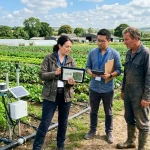
As climate change increasingly threatens food security and rural livelihoods, the importance of Climate Smart Agriculture (CSA) programs has never been clearer. These initiatives, designed to enhance resilience and sustainability in farming, rely on diverse funding sources-from government subsidies and international aid to private sector investments and philanthropic contributions. Understanding who funds these programs not only sheds light on the collective efforts to combat global challenges but also highlights potential pathways for farmers and communities eager to adapt. With escalating impacts from climate change and rising food demands, readers will discover how the financial landscape is evolving to support innovative farming practices that promise both environmental and economic benefits. Join us as we explore the pivotal role of various stakeholders in funding CSA programs and the implications for a more sustainable agricultural future.
Understanding Climate Smart Agriculture Funding Sources
Understanding the financial underpinnings of climate-smart agriculture is crucial for fostering sustainable farming practices. These funding sources play a vital role by not only enabling farmers to adopt innovative strategies to combat climate change but also enhancing their resilience against its impacts. As interest in sustainable practices grows, diverse funding channels have emerged, allowing stakeholders to invest in solutions that benefit both the environment and agricultural productivity.
Public funding remains a cornerstone in supporting climate-smart agriculture. Governments worldwide are increasingly recognizing the importance of sustainable practices, providing grants and subsidies to encourage farmers to adopt technologies that serve climate goals. For instance, the USDA’s Natural Resources Conservation Service (NRCS) offers numerous programs aimed at helping farmers implement climate-smart practices, such as cover cropping and conservation tillage, which enhance soil health and reduce greenhouse gas emissions[[1]](https://www.nrcs.usda.gov/sites/default/files/2023-04/Climate-Smart%20Agriculture%20and%20Forestry%20factsheet.pdf).
Private sector investments are also accelerating funding in this area. Companies are beginning to understand that sustainable agricultural practices can mitigate risks associated with climate change while offering long-term profitability. For example, major food companies are partnering with farmers to implement sustainable practices through funding initiatives that can improve supply chain resilience and address consumer demand for environmentally friendly products. Additionally, innovative financing models, such as green bonds and impact investing, are gaining traction. These instruments not only provide upfront capital for farmers but also offer returns based on environmental metrics, ensuring that the funding is aligned with sustainable outcomes[[2]](https://earth.org/climate-smart-agriculture-adapting-farming-practices-to-a-changing-climate/) [[3]](https://climatesmart.org/).
In conclusion, understanding who funds climate-smart agriculture programs today reveals a complex web of governmental, private, and non-profit initiatives all aimed at creating resilient farming systems. By leveraging these diverse funding sources, the agricultural sector can make significant strides towards sustainability, ensuring food security while addressing the challenges posed by climate change.
Key Players in Climate Smart Agriculture Financing
The push for climate-smart agriculture (CSA) is significantly shaped by a variety of key players who are not only funding these initiatives but are also helping to foster a broader sustainable agricultural ecosystem. Recognizing the pressing need for resilience against climate change, governments, private sector corporations, non-profit organizations, and international development agencies have taken proactive roles in financing innovative agricultural practices worldwide.
Government Agencies
Government funding is often the backbone of climate-smart agriculture programs. Various national and local governments allocate significant budgets to support farmers in adopting sustainable practices. For instance, the United States Department of Agriculture (USDA) runs programs like the Conservation Stewardship Program, which incentivizes farmers to implement CSA practices that benefit both their operations and the environment. Similarly, countries in the European Union have dedicated funds for rural development that specifically target sustainable farming techniques, highlighting the global recognition of this urgent need.
Private Sector Contributions
The private sector is increasingly recognizing the value of sustainable agriculture. Corporations in the food supply chain invest in CSA initiatives to mitigate risks related to climate change while responding to shifting consumer preferences for sustainably produced food. Major companies like Unilever and Coca-Cola have launched programs to finance sustainable agricultural practices directly with their suppliers, creating a win-win scenario that enhances supply chain resilience and promotes environmental responsibility.
Non-Governmental Organizations (NGOs)
Non-profits play a critical role in bridging gaps in financing for climate-smart agriculture. Organizations such as the World Wildlife Fund (WWF) and Oxfam often provide grants and technical assistance to farmers seeking to transition to sustainable practices. These NGOs facilitate partnerships that empower local farmers, ensuring they have the necessary knowledge and resources to implement changes effectively.
International Development Agencies
Agencies like the World Bank and the Food and Agriculture Organization (FAO) are instrumental in funding climate-smart agriculture at a global scale. They offer loans, grants, and technical support aimed at enhancing the capacity of farmers in developing countries. These funds not only help in adopting new agricultural technologies but also in building infrastructure that supports sustainable practices. By addressing funding gaps and providing comprehensive support, these organizations can improve food security while fostering climate resilience.
In summary, the financing landscape for climate-smart agriculture is a collaborative effort involving multiple stakeholders, each bringing unique resources, insights, and capabilities. By harnessing the collective power of these key players, a more sustainable future for agriculture can be envisioned, benefiting both people and the planet.
Diverse Funding Mechanisms for Sustainable Farming
Financing climate-smart agriculture (CSA) involves a range of mechanisms that are as diverse as the challenges farmers face today. As climate change continues to impact food security, innovative funding approaches have emerged to support sustainable agricultural practices that can withstand and adapt to these changes. Among these mechanisms are grants, loans, public-private partnerships, and participatory financing models that empower local communities.
One effective method for funding CSA is through grants from governmental bodies and NGOs. These grants are often designed to support specific projects, such as the introduction of drought-resistant crops or the implementation of water-saving irrigation techniques. For example, the United Nations Environment Programme (UNEP) provides grants aimed at enhancing agricultural sustainability in developing countries. Additionally, local governments can offer subsidies for farmers who adopt environmentally friendly practices, thereby reducing their financial burden while promoting CSA.
Loans and credit facilities also play a significant role in sustaining agricultural innovations. Microfinance institutions, in particular, offer small loans to farmers who might not have access to traditional banking services. These loans can be crucial for farmers looking to invest in equipment or technology that supports sustainable practices. As seen in initiatives like the Grameen Bank model in Bangladesh, access to credit can empower farmers to transform their operations and improve their resilience against climate impacts.
Another powerful funding mechanism is public-private partnerships (PPPs). These collaborations combine the expertise and resources of the private sector with public institutions to address agricultural challenges. For instance, companies might partner with local governments to develop training programs on CSA techniques, while also investing in local infrastructure such as storage facilities that reduce waste and enhance supply chain efficiency. Such partnerships not only leverage financial resources but also foster innovation that is rooted in community needs and environmental sustainability.
Emerging participatory financing models, such as crowdfunding, engage communities and individuals seeking to invest in local agricultural projects. Platforms like Seedrs and Kickstarter allow farmers to present their sustainable initiatives and seek funding directly from consumers who are passionate about environmentally responsible farming. This model fosters a sense of community ownership while ensuring that the funding is aligned with the values of those who are most invested in sustainable agriculture.
By employing these varied mechanisms-grants, loans, public-private partnerships, and participatory financing-stakeholders can create a robust financial ecosystem that not only supports climate-smart agriculture but also enhances resilience and food security across the globe. The challenge lies in ensuring that these financing approaches are accessible, inclusive, and tailored to the unique needs of local farmers while promoting environmental sustainability.
Government Initiatives Supporting Climate Smart Agriculture
Government investments in climate-smart agriculture (CSA) are critical to driving sustainable farming practices and addressing the pervasive challenges posed by climate change. With global food security at risk and the agricultural sector needing to adapt, many governments worldwide are stepping up their efforts. According to recent reports, substantial funding allocations and initiatives are being directed towards programs that aim to enhance farmers’ resilience, promote sustainable practices, and facilitate technological innovations.
One approach utilized by various governments is the provision of grants specifically tailored for CSA projects. These grants often focus on supporting innovative techniques such as agroforestry, conservation agriculture, and integrated pest management, which not only improve yields but also contribute to biodiversity preservation. For instance, the U.S. Department of Agriculture has launched the Conservation Stewardship Program, encouraging farmers to implement practices that protect soil, water, and other natural resources, while also providing financial assistance for their efforts.
In addition to grants, governments often implement subsidy programs to lower the financial barriers for farmers transitioning to climate-smart practices. These subsidies can cover the costs of purchasing drought-resistant seeds, installing efficient irrigation systems, or adopting renewable energy solutions such as solar-powered water pumps. Countries like India have seen increased productivity and farmer resilience thanks to initiatives like the Pradhan Mantri Krishi Sinchai Yojana, aimed at improving irrigation through subsidies and strategic investments in water infrastructure.
Furthermore, international collaborations are bolstering national efforts. Programs such as the Global Environment Facility and the Green Climate Fund provide essential resources to governments, enabling them to scale up CSA initiatives. These funds are typically accompanied by technical assistance, training programs, and knowledge-sharing platforms to ensure that sustainable practices are effectively integrated at the local level.
As governments increasingly recognize the importance of climate-smart agriculture, the landscape of funding is evolving. They are not only providing direct financial support but are also creating policy frameworks that encourage private investments and public-private partnerships. By aligning interests across sectors, governments can foster an environment where innovative solutions thrive, leading to a sustainable agricultural future-one that safeguards food security while nurturing the planet.
Role of NGOs and Nonprofits in Funding
A pivotal force in the financing landscape of climate-smart agriculture (CSA) is the extensive work carried out by non-governmental organizations (NGOs) and nonprofits. These entities often serve as intermediaries, bridging the gap between financial resources and local agricultural communities that desperately need support in adapting to climate change. With their grassroots approach, NGOs can tailor funding initiatives to meet the unique needs of farmers, ensuring that resources are effectively utilized and aligned with local strategies.
One significant way NGOs contribute is through grant management. They secure funding from various sources, including international donors and philanthropic foundations, and then allocate these resources to innovative CSA projects. For example, the International Union for Conservation of Nature (IUCN) has successfully implemented initiatives in Sub-Saharan Africa that empower smallholder farmers to adopt organic farming techniques. By training farmers in agroecological methods and providing necessary materials, NGOs not only enhance agricultural resilience but also address broader environmental impacts like soil degradation and biodiversity loss.
Another vital role played by NGOs is their focus on capacity building. Many organizations offer training programs and resources for farmers to learn about climate-smart practices. For instance, through outreach and educational workshops, NGOs such as Oxfam provide knowledge on sustainable irrigation methods and pest management, helping farmers thrive in changing climatic conditions. These educational efforts often incorporate local knowledge and traditions, creating a more culturally relevant approach that resonates with farmers and increases the likelihood of adopting new practices.
The value of partnerships also cannot be overstated. NGOs frequently collaborate with governments, communities, and the private sector to leverage funding and resources effectively. By fostering these multi-stakeholder partnerships, NGOs play a crucial role in fortifying local agricultural systems. The alliance between Catholic Relief Services and various local agencies in the Philippines exemplifies this approach. By pooling resources and expertise, they developed an integrated farming model that not only boosts crop yields but also enhances community resilience against climate-induced shocks.
Ultimately, the climate-smart agriculture programs is multifaceted and indispensable. They not only provide financial resources but also ensure these funds are used innovatively and sustainably, equipping farmers with the tools and knowledge needed to adapt to an uncertain future. As climate challenges grow, the contributions of these organizations will be even more critical in fostering resilient agricultural systems that can withstand the test of time.
Private Sector Investments in Sustainable Agriculture
Investments from the private sector are increasingly recognized as a critical component in advancing climate-smart agriculture (CSA) initiatives. With the global agricultural landscape facing mounting pressures from climate change, shifting consumer preferences, and the need for sustainable practices, companies are stepping up to fund and implement sustainable farming solutions. These investments not only aim to enhance food security but are also seen as opportunities to drive innovation and improve supply chain resilience.
The role of corporations in funding CSA can manifest in several ways. For instance, major agribusiness firms often allocate resources to research and development of sustainable technologies, such as precision farming tools that minimize resource use. Through partnerships with agritech startups and academic institutions, these companies are helping to scale solutions that reduce emissions and increase productivity. Companies like Bayer and Syngenta have launched initiatives such as funding grants for farmers adopting CSA practices, enabling them to transition to environmentally friendly methods while maintaining profitability.
Examples of Private Sector Engagement
A notable example of private sector involvement is the commitment by multinational food companies to sustainable sourcing. Unilever, for instance, has pledged to make all of its agricultural sourcing sustainable, which drives demand for CSA practices among its suppliers. This kind of corporate commitment can create a ripple effect, encouraging smaller farms in the supply chain to adopt climate-smart methods to meet the requirements of large buyers. Corporate engagement not only provides financial support but also promotes market access for farmers implementing sustainable practices.
Investments are not confined to large corporations; innovative financing models are also emerging from smaller companies and startups. Impact investors are increasingly attracted to CSA as a viable investment opportunity. They provide funding through equity investments, loans, or grants aimed at projects that yield measurable social and environmental impacts alongside financial returns. This capital can assist farmers in acquiring climate-resilient seeds, implementing water conservation techniques, or adopting renewable energy sources.
Challenges and Opportunities
While private sector investments in climate-smart agriculture are promising, several challenges must be addressed. The need for clear metrics and reporting standards to evaluate the impact of investments is paramount. Without transparency, it can be difficult for investors to assess the effectiveness of CSA practices and ensure their funds are achieving desired outcomes.
To capitalize on the current investment momentum, stakeholders must foster partnerships between the private sector, governments, and NGOs. By combining resources and expertise, these collaborations can drive innovative solutions and enhance funding mechanisms for sustainable agriculture. As awareness grows around the importance of CSA in combating climate change, the private sector’s role as a funding mechanism is likely to expand, creating greater opportunities for farmers and communities to adapt and thrive in a changing climate.
Impact of International Development Agencies
The role of international development agencies in financing climate-smart agriculture (CSA) is essential for creating sustainable farming solutions that can withstand the challenges posed by climate change. These agencies, including the World Bank, the Food and Agriculture Organization (FAO), and regional development banks, often provide critical financial resources, technical assistance, and knowledge-sharing platforms that empower countries and communities to adopt CSA practices. In 2021 alone, the World Bank allocated over $300 million specifically for projects aimed at enhancing climate resilience in agriculture, showcasing the magnitude of their investment in this area.
International development agencies typically employ a variety of funding mechanisms to support CSA. These can include grants, low-interest loans, and investment funds designed to foster innovation in sustainable farming techniques. For example, the Global Environment Facility (GEF) combines funds from multiple countries to finance projects that address environmental challenges, including CSA initiatives that enhance the productivity and sustainability of agricultural systems. By pooling resources, these agencies can deploy funding efficiently and maximize the impact on food systems globally.
Furthermore, these agencies often collaborate with governments, NGOs, and local communities to tailor their interventions to specific regional needs. Their emphasis on capacity building ensures that local farmers not only receive financial support but also gain access to training and resources that enhance their ability to implement effective CSA strategies. This multifaceted approach encourages the adoption of practices such as agroforestry, cover cropping, and effective water management techniques. Notably, programs funded by the FAO in West Africa have successfully integrated climate-resilient crops, leading to significant improvements in yields and farmer income.
Ultimately, the influence of international development agencies in the realm of climate-smart agriculture cannot be overstated. By providing both the funding and the framework within which these agricultural innovations can thrive, they play a vital role in equipping vulnerable communities to face the uncertainties of climate change while promoting food security and sustainable rural development.
Innovative Financing Models for Agrarian Adaptation
The challenge of climate change calls for equally innovative financing models that empower farmers to adapt and thrive in sustainability-focused agricultural practices. One such approach is the use of blended finance, which combines public, philanthropic, and private capital to minimize risk while maximizing impact. This approach not only draws in financial resources but also encourages collaboration between diverse stakeholders, including governments, NGOs, and private investors. For instance, a recent initiative in Sub-Saharan Africa utilized blended finance to fund local agricultural projects, significantly reducing vulnerability to climate risks while enhancing food production.
Another exciting model is pay-for-success financing, which links financial returns to the achievement of specific environmental outcomes. This method drives efficiency and accountability by ensuring that investments only yield returns when they significantly improve sustainability metrics, such as carbon sequestration or increased crop resilience. An example can be seen in Chile, where farmers received incentives for adopting practices that not only boost their yields but also improve soil health and water conservation. Such outcomes not only strengthen local food systems but also contribute to global environmental goals.
Crowdfunding platforms have also emerged as a viable solution for financing climate-smart agriculture by engaging individuals directly in funding initiatives. By allowing farmers to present their projects online, these platforms can tap into broader networks of individual stakeholders who believe in supporting sustainable practices. A standout example is a cooperative of smallholder farmers in India that successfully funded their initiative to implement drip irrigation systems through an online crowdfunding campaign, enhancing their efficiency and reducing water usage.
Lastly, insurance schemes tailored for climate risks are revolutionizing the way farmers manage uncertainty. These products, such as weather-indexed insurance, pay out based on specific climatic conditions (like droughts or excessive rainfall) rather than traditional loss assessment metrics. This proactive approach allows farmers to secure their livelihoods and invest in climate-smart practices with greater confidence. In countries like Senegal, where weather insurance has been implemented, farmers experiencing drought conditions were able to receive timely payouts that enabled them to adjust practices rather than suffer catastrophic losses.
By employing these innovative financing models, stakeholders in the agricultural sector can significantly enhance the resilience of farming communities. This approach not only prioritizes financial returns but also emphasizes environmental sustainability and social equity, creating a synergy that fosters a healthier planet and empowered communities.
Case Studies: Successful Climate Smart Agriculture Programs
One compelling example of successful climate-smart agriculture programs can be seen in the farmers of Ethiopia, who have transformed their agricultural practices through the implementation of the Climate Resilient Green Economy (CRGE) strategy. This initiative, supported by the Ethiopian government and international partners, involves strategies such as reforestation, improved crop varieties, and soil conservation methods. As a result, farmers have increased their yields by up to 30%, demonstrating the strong linkage between sustainable practices and economic viability. This program’s success illustrates how collective funding from governments, NGOs, and development agencies can drive significant advancements in resilience to climate change.
Another impactful project is the “Agroforestry for Climate and Agro-Biodiversity” initiative in Kenya, which integrates trees into crop and livestock farming systems. Funded by a mix of local government resources and international grants, this program not only enhances biodiversity but also improves soil health and reduces carbon emissions. Local farmers have reported better rainfall retention and improved crop output due to this diversified farming approach. This case exemplifies how targeted investments can yield holistic benefits, fostering both environmental sustainability and local economies.
In India, the coalition of smallholder farmers funded a drip irrigation system through a successful crowdfunding campaign, highlighting the power of community-driven finance. This method reduced water usage by nearly 40% while increasing crop yields. Engaging directly with consumers and stakeholders online allowed farmers to present their needs transparently and secure much-needed financial resources. Such grassroots initiatives demonstrate the potential for innovative funding sources to empower agricultural communities, proving that sustainable practices can be both effective and economically viable.
To further exemplify effective climate-smart agriculture financing, the “Climate-Smart Agriculture” project in Morocco has been pivotal. Through the support of international development agencies and private sector investments, farmers have adopted new irrigation technologies and drought-resistant crops. Reports indicate that these changes have mitigated the impact of severe droughts, stabilizing incomes for over 10,000 households. This program not only showcases the importance of diverse funding sources but also underscores the necessity of adapting agriculture to changing climatic conditions for food security.
These case studies highlight the multifaceted nature of funding climate-smart agriculture and the real-world benefits that can result from diverse financial mechanisms and collaborative efforts among stakeholders. By learning from these successful initiatives, other regions can adopt similar strategies, addressing both climate resilience and agricultural productivity.
Evaluating Effectiveness of Current Funding Approaches
Evaluating the effectiveness of funding approaches in climate-smart agriculture is crucial not only for ensuring that financial resources are well-spent but also for determining the long-term sustainability and resilience of agricultural practices. A robust evaluation framework can illuminate how different funding sources contribute to meaningful outcomes, enabling stakeholders to refine their strategies and enhance impacts.
One method to assess the effectiveness of funding is through the use of measurable indicators that focus on both environmental and socio-economic benefits. For instance, projects funded by international development agencies can be evaluated based on their contributions to reducing greenhouse gas emissions, improving soil health, and increasing farmers’ incomes. Case studies from the “Climate-Smart Agriculture” initiative in Morocco reveal that farmers adopting new irrigation technologies saw stabilization in incomes for over 10,000 households, directly linking funding to tangible benefits [2]. Similarly, the Ethiopian CRGE strategy demonstrates how funding directed toward sustainable practices can yield a 30% increase in yields, showcasing an effective return on investment in food security [3].
Moreover, qualitative assessments involving farmer testimonials and user experiences provide valuable insights. For instance, in Kenya, various farmers involved in the “Agroforestry for Climate and Agro-Biodiversity” initiative reported improvements in not just crop productivity but also community well-being and ecological diversity [3]. By gathering stories and feedback, stakeholders can understand the human element of funding projects and how investments influence local communities.
It’s also essential to consider comparative analyses between funded and non-funded projects. This can reveal differences in resistance to climatic shocks, such as droughts, by demonstrating how funded initiatives like drip irrigation systems in India significantly reduce water usage-by nearly 40%-while bolstering crop yields [2]. These comparisons not only validate the effectiveness of funding but also help in advocating for continued investment in climate-smart practices.
Ultimately, a multi-faceted approach to evaluating funding effectiveness-combining quantitative data, qualitative stories, and comparative results-can provide a comprehensive view of how well current funding mechanisms support climate-smart agriculture. This process not only affirms successful models but helps identify areas for improvement, ensuring that financial resources can be optimized to meet the urgent challenges of climate change in agriculture.
Challenges and Opportunities in Climate Smart Agriculture Financing
Despite the critical importance of climate-smart agriculture (CSA) in addressing global food security and environmental sustainability, financing remains a significant hurdle. According to estimates, about $350 billion annually is required for transitioning to sustainable agriculture practices worldwide. Many farmers, particularly in developing countries, face barriers in accessing the necessary funding due to lack of collateral, limited financial literacy, and procedural complexities in securing loans from traditional financial institutions. This underscores the importance of innovative financing solutions that reduce risks and attract investments.
To mitigate these challenges, a range of opportunities is blossoming in the realm of climate-smart agriculture financing. One promising avenue is the role of public-private partnerships (PPPs), where governmental bodies collaborate with private investors to pool resources for innovative agricultural practices. For instance, platforms like the Green Climate Fund are increasingly partnering with local banks to launch programs targeting smallholder farmers, which can build local capacities while reducing financial risks. Furthermore, microfinance and cooperative societies are gaining traction, allowing farmers to pool resources and access funds collectively. This cooperative model not only provides financial support but also empowers farmers by fostering community engagement and shared learning experiences.
Another bright spot in CSA financing is the rising interest from impact investors who are eager to generate both financial returns and positive social impact. These investors are looking for projects that promise sustainable agricultural practices while contributing to community resilience. By demonstrating the long-term benefits of CSA, including increased yields and improved soil health, projects can attract capital from these investors. Additionally, the integration of technology, such as digital platforms that facilitate access to information and funding, can bridge the gap for farmers and enhance the efficiency of funding mechanisms.
Despite these promising developments, challenges in scaling up funding for climate-smart agriculture persist. There remains a differentiation in funding availability based on geographic regions, with rural areas often overlooked. Addressing this disparity is crucial to ensure that all farmers, particularly in vulnerable communities, can adapt to climate change. For funding models to be successful, they must also prioritize capacity-building efforts, providing training and resources to help farmers navigate the funding process and implement sustainable practices effectively.
In conclusion, while significant challenges in financing climate-smart agriculture exist, numerous opportunities await those willing to innovate and collaborate. Through strategic partnerships, the harnessing of impact investment, and leveraging technology, the critical funding needed for CSA can be mobilized, making strides toward a sustainable future in agriculture. By fostering an inclusive environment where all farmers have access to the necessary financial resources, we can better address the urgent threats posed by climate change and food insecurity.
Future Trends in Climate Smart Agriculture Funding
In an era where climate change poses an unprecedented threat to global agricultural systems, the trend towards financing climate-smart agriculture (CSA) is rapidly evolving. One of the most significant trends emerging is a shift towards blended finance models, which combine public, private, and philanthropic funds to mitigate risks and stimulate investment in sustainable agricultural practices. This approach not only pools resources but also enhances the creditworthiness of projects aiming at improving resilience against climate threats. As more investors recognize the financial merits of sustainable farming-such as reducing input costs and improving productivity through better practices-these blended finance models are likely to gain traction.
Another notable trend is the increasing adoption of digital finance solutions. With the advent of mobile banking and blockchain technologies, farmers now have greater access to financial services, enabling them to secure loans and investments more efficiently. For instance, platforms that allow microloans to be distributed swiftly via mobile apps can empower smallholder farmers to adopt CSA methods without having to navigate complex traditional banking systems. Such innovations also facilitate transparency and traceability in funding flows, appealing to socially-conscious investors who seek assurance their funds directly contribute to sustainable outcomes.
Moreover, impact investing is on the rise, with private equity and venture capital funds specifically targeting agricultural startups and technologies that promote sustainability. Investors are increasingly motivated by the dual goals of achieving financial returns and generating positive social and environmental impact. Projects that enhance soil health, increase crop resilience, or diversify income sources for farmers can attract significant investments from this growing pool of impact capital. For example, companies working on biotechnological solutions to enhance crop yields under adverse climatic conditions are capturing investor interest for their potential to deliver sustainable food security.
Public Policy and International Cooperation
While private investment is crucial, supportive public policies are equally essential for fostering a robust financing landscape for CSA. Governments worldwide are beginning to recognize the importance of aligning their agricultural and climate policies with the financing needs for CSA. Initiatives like offering tax incentives for sustainable practices or creating national frameworks for carbon credits can significantly enhance the investment climate. Furthermore, the collaboration between various international development agencies can provide vital funding and technical assistance, ensuring that CSA financing is accessible to diverse farming communities, particularly in developing regions. This synergy between public and private sectors will pave the way for sustainable agricultural practices that can effectively combat climate change while enhancing food security.
In conclusion, as the demand for climate-smart agriculture financing continues to grow, it is clear that innovative funding mechanisms, digital solutions, and cooperative frameworks are essential for success. By recognizing and leveraging these trends, stakeholders can ensure that necessary financial support flows to the farmers who need it most, enabling them to adapt and thrive in a changing climate.
Faq
Q: Who are the primary funders of climate-smart agriculture programs?
A: The primary funders of climate-smart agriculture programs include government agencies, international development organizations, private sector companies, and non-governmental organizations (NGOs). Each plays a crucial role in financing initiatives aimed at sustainable farming practices that adapt to climate change.
Q: How do government initiatives support funding for climate-smart agriculture?
A: Governments support climate-smart agriculture funding through grants, subsidies, and policy frameworks prioritizing sustainable practices. They may also collaborate with local farmers to provide resources and technical assistance, as discussed in the article section on Government Initiatives Supporting Climate Smart Agriculture.
Q: Why is private sector investment important in climate-smart agriculture?
A: Private sector investment is vital as it brings in necessary capital and innovation. Businesses often integrate sustainable practices into their supply chains, influencing the economic feasibility of climate-smart agriculture, which is crucial for widespread adoption.
Q: What role do international development agencies play in funding these programs?
A: International development agencies, such as the World Bank and FAO, provide financial support and expertise for climate-smart agriculture initiatives in developing countries. They aim to reduce poverty and enhance food security while promoting environmental sustainability.
Q: How can NGOs and nonprofits contribute to climate-smart agriculture funding?
A: NGOs and nonprofits contribute by securing grants and donations to support agricultural projects that focus on climate resilience. They also implement community-based programs that educate and empower farmers, ensuring sustainable practices are adopted widely.
Q: What challenges do funders face in supporting climate-smart agriculture?
A: Funders face challenges such as measuring the impact of their investments, navigating bureaucratic hurdles, and ensuring that funding reaches the intended beneficiaries effectively. Overcoming these obstacles is essential for maximizing the effectiveness of climate-smart agriculture financing.
Q: Are there innovative financing models for climate-smart agriculture?
A: Yes, innovative financing models like results-based financing and climate bonds are emerging. These models incentivize performance and outcomes in sustainable agricultural practices, enabling tailored funding solutions that align financial resources with specific climate goals.
Q: How can farmers access funding for climate-smart agriculture programs?
A: Farmers can access funding through governmental programs, grants from NGOs, and partnerships with private sector entities. Engaging in local agricultural networks and cooperatives can also provide valuable information and support for obtaining financial resources.
Wrapping Up
As we conclude our exploration of who funds climate-smart agriculture programs today, it’s clear that understanding the sources of funding is crucial for driving sustainable agricultural practices forward. These initiatives are not just financially backed; they are supported by a network of stakeholders committed to both environmental health and economic viability. If you’re passionate about making a difference, now is the time to get involved. Explore more about the governmental grants and private investments fueling these innovative practices.
Don’t miss our related articles on sustainable farming strategies and case studies of successful funding initiatives. Need more insights? Sign up for our newsletter for the latest updates and expert tips on engaging with funding opportunities tailored to your agricultural goals. Share your thoughts below or reach out to join a community striving for impactful change-together, we can cultivate a greener future!
Get our latest guides, news, and insights highlighted in your Google Search & AI Overviews.