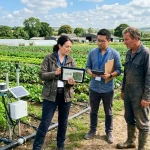
As climate change continues to threaten global food security, the role of climate-smart agriculture (CSA) research has never been more critical. In 2025, understanding who funds this vital research is essential for grasping how we can collectively address the interconnected challenges of sustainability and agricultural resilience. Major funding sources-including governments, international organizations, and private investors-play a pivotal role in driving innovation and developing practices that help farmers adapt to climate impacts while also boosting productivity. As stakeholders in the agricultural and environmental sectors, you may wonder how these financial investments translate into real-world solutions and enhanced livelihoods. By uncovering the funding landscape, we can better appreciate not just the innovations emerging from CSA research, but also how they can empower communities and ensure a sustainable future. Continue reading to explore the key financial players supporting this transformative field and discover how their contributions influence the global agricultural landscape.
Understanding Climate Smart Agriculture Funding Sources
The drive towards Climate Smart Agriculture (CSA) has never been more urgent, especially as the agricultural sector grapples with the challenges of climate change. In 2025, funding sources for CSA research are diverse, reflecting a growing recognition of the need for sustainable agricultural practices. These sources encompass a mix of public, private, and international investments, aimed at developing innovative solutions that not only enhance productivity but also resilience against climate impacts.
Public funding remains a cornerstone of CSA finance. Governments are increasingly allocating resources to research initiatives that focus on sustainable farming techniques, crop resilience, and efficient water management. For instance, various national agricultural grant programs encourage the development of climate-resilient crops, providing vital financial support to researchers and farmers alike. Additionally, local and state governments often take the lead in implementing pilot projects that showcase CSA practices, further attracting investment from larger entities.
Private sector participation has also surged, with agribusiness companies recognizing that sustainability can drive profitability. Investments from venture capitalists and private firms are often directed towards startups innovating in agtech, which includes precision farming tools and bioengineering solutions that contribute to CSA goals. Many corporations are establishing corporate social responsibility (CSR) funds specifically for supporting sustainable agriculture practices, aligning their business interests with the urgent need for climate action.
International organizations play a pivotal role in funding climate adaptation initiatives. Entities like the World Bank and the International Fund for Agricultural Development (IFAD) provide critical financial support for CSA projects, particularly in developing countries where the impact of climate change is most acute. These organizations often collaborate with local governments to deliver funding in the form of grants or low-interest loans, fostering innovations in agricultural practices that can improve food security and community resilience.
To maximize the impact of these funding sources, it’s essential for stakeholders to foster collaborations across sectors. Establishing partnerships between governments, NGOs, and the private sector can create a comprehensive funding ecosystem that leverages resources more effectively. By doing so, they can ensure that investments are not only directed towards immediate agricultural innovations but also support long-term sustainable practices that will benefit future generations. As the funding landscape evolves, understanding these dynamics will be crucial for anyone looking to engage with or benefit from CSA initiatives.
Key Players in Climate Smart Agriculture Research

As climate change continues to stress agricultural systems globally, the pursuit of Climate Smart Agriculture (CSA) has fostered a diverse network of stakeholders committed to research and innovation. In 2025, the key players driving CSA research encompass government entities, private sector investors, academic institutions, and international organizations, each contributing unique resources and insights to fortify agricultural practices against climate impacts.
Government Agencies
Public institutions play a vital role in advancing CSA through funding and policy frameworks. National and local governments allocate significant budgets to research grants aimed at fostering sustainable farming techniques and enhancing crop resilience. For example, the United States Department of Agriculture (USDA) supplies funding through programs specifically designed to meet climate challenges faced by farmers. In Europe, the Common Agricultural Policy (CAP) emphasizes sustainability and eco-friendly practices, influencing farming methods across member states. By supporting pilot projects and research trials, these agencies help translate scientific findings into practical applications that farmers can adopt.
Private Sector Contributions
The private sector has also emerged as a crucial driver of innovation in CSA research. Agribusiness companies and investment firms recognize that investing in sustainable agriculture not only aligns with corporate social responsibility goals but also opens new markets and opportunities for growth. For instance, venture capital funds are increasingly directed towards agritech startups focused on developing technologies, such as precision agriculture tools and climate-resilient crop varieties. By emphasizing sustainability, companies like Bayer and Cargill foster innovative research partnerships that yield profitable yet environmentally friendly solutions.
International Organizations and NGOs
International organizations such as the Food and Agriculture Organization (FAO) and the International Fund for Agricultural Development (IFAD) function as pivotal partners, particularly in developing regions where the climate crisis poses dire threats to food security. These entities facilitate funding, often in the shape of grants or low-interest loans that finance CSA initiatives and capacity-building programs for local farmers. By collaborating with local governments and non-profits, they help improve agricultural practices and bolster community resilience in the face of climate-related adversities.
Academic Institutions
Academic research centers also hold a prominent position in CSA research by generating cutting-edge studies and training future leaders in sustainable agriculture. Universities worldwide conduct trials on crop varieties and farming methods that enhance adaptability to climate variability. Through partnerships with governmental and private entities, these institutions disseminate their findings, translating research into actionable strategies for farmers, thereby enriching CSA efforts.
The multifaceted support from these key players enhances the development and implementation of Climate Smart Agriculture, creating a resilient agricultural system capable of thriving in an uncertain climate future. By fostering collaboration and leveraging diverse expertise, the collective efforts of these stakeholders not only address immediate agricultural challenges but also pave the way for a sustainable and secure food system.
Government Initiatives Supporting Agricultural Innovation

In a world increasingly marked by climate uncertainty, public investment in agricultural innovation is not just beneficial but essential. Governments recognize that addressing the challenges posed by climate change to food security requires innovative approaches backed by solid funding. One noteworthy example of this commitment is the investment strategies employed by national governments worldwide to promote Climate Smart Agriculture (CSA). For instance, initiatives in the United States have seen the Department of Agriculture (USDA) allocate billions of dollars towards research grants specifically aimed at developing sustainable farming techniques. Through their programs, farmers receive much-needed support to transition to practices that enhance both resilience and productivity in the face of climate variability.
Strategic Funding Initiatives
Governments employ various funding initiatives to advance agricultural innovation. In Europe, the Common Agricultural Policy (CAP) is a significant driver of sustainable agricultural practices among member states. CAP funding focuses on eco-friendly methods, offering subsidies that incentivize farmers to adopt practices that align with climate-smart principles. This not only enhances crop resilience but also contributes to broader environmental goals. Additionally, many countries implement programs targeting specific climate-related challenges, such as the National Institute of Food and Agriculture’s (NIFA) grants in the U.S. that focus on mitigating the effects of extreme weather events on agricultural output.
Collaborative Approaches
Collaboration is vital in maximizing the impact of governmental funding. By partnering with industry stakeholders, universities, and NGOs, government agencies can amplify their efforts and foster a more integrated approach to research and innovation. For example, the USDA collaborates with academic institutions to conduct research trials that identify effective climate-resilient crops and farming practices. These partnerships not only facilitate the sharing of knowledge but also drive the implementation of proven strategies at the community level, further bridging the gap between research and practical application.
Measuring Impact and Future Directions
Evaluating the impact of these government initiatives is crucial for guiding future investments. Data-driven insights can illuminate which programs yield the best outcomes in terms of productivity and environmental benefits. Governments are increasingly leveraging this information to refine their funding strategies, ensuring that they not only respond to current challenges but also anticipate future needs. As they navigate these complex terrains, the ongoing commitment to funding CSA research serves as a beacon of hope, demonstrating a collective responsibility toward creating a resilient agricultural landscape able to withstand the pressures of climate change.
Private Sector Investment Trends in Sustainable Agriculture
In recent years, private sector investments in sustainable agriculture have surged, reflecting a growing recognition of the critical role that agriculture plays in mitigating climate change. This investment is not just driven by corporate social responsibility (CSR) but also by the understanding that sustainability can lead to improved profitability and long-term viability. Companies are increasingly aligning their business strategies with sustainability goals, recognizing that consumers are more inclined to support brands that demonstrate a commitment to environmental stewardship.
One notable pattern is the rise of venture capital firms focusing on agri-tech startups that offer innovative solutions for climate-smart agriculture. These solutions range from precision farming technologies that reduce resource waste to genetically modified crops engineered for resilience against climate-related threats. For instance, companies like Indigo Ag and The Climate Corporation leverage data analytics and advanced breeding techniques to enhance crop productivity while minimizing environmental impacts. These startups are attracting significant funding, highlighting a shift towards technology-driven approaches in agriculture.
Another crucial trend is the collaboration between agricultural businesses and financial institutions to create tailored financing solutions that address the unique needs of sustainable farming. For example, agrofinance companies are developing products that specifically target smallholder farmers, providing them with access to credit that encourages the adoption of climate-resilient practices. This not only empowers farmers but also helps companies meet their sustainability targets by ensuring their supply chains are more robust and climate-adaptive.
Despite these advancements, challenges remain in mobilizing sufficient capital for climate-smart agriculture projects. Many agricultural businesses still face barriers such as high upfront costs and perceived risks associated with adopting new technologies or practices. To overcome these hurdles, a collaborative approach involving government incentives, grants from philanthropic organizations, and public-private partnerships can foster a more conducive environment for investment. By pooling resources and sharing risks, stakeholders can unlock the full potential of private sector investments in sustainable agriculture, paving the way for a resilient food system that can thrive amidst the realities of climate change.
International Organizations Financing Climate Adaptation
International organizations play a pivotal role in financing climate adaptation initiatives aimed at promoting climate-smart agriculture. With global food systems increasingly threatened by the impacts of climate change, these organizations mobilize funding and expertise to support countries in transitioning towards resilient agricultural practices. Notably, institutions like the World Bank, the Food and Agriculture Organization (FAO), and the Global Environmental Facility (GEF) provide essential financial resources tailored to enhance the adaptive capacity of agriculture.
To effectively channel support, these organizations often engage in strategic partnerships with local governments, NGOs, and private sector entities, ensuring that funds are directed toward projects that yield measurable benefits. For instance, the FAO collaborates with countries to design and implement projects that not only boost productivity but also promote sustainable land management practices. By aligning funding with climate adaptation strategies, they empower farmers to adopt technologies such as drought-resistant crops or water-efficient irrigation systems, enhancing their resilience to climate impacts.
Innovative Financing Mechanisms
In recent years, international organizations have begun exploring innovative financing mechanisms to bridge the investment gap in climate-smart agriculture. For example, the Green Climate Fund (GCF) facilitates access to climate finance for developing countries, offering grants and low-interest loans for projects that enhance agricultural resilience. This proactive approach encourages nations to develop comprehensive climate adaptation plans that integrate agriculture within broader climate strategies.
Moreover, these institutions are increasingly using blended finance models that combine public and private funds. This strategy mitigates risk for private investors while providing necessary upfront capital for groundbreaking agricultural projects. An example of this is seen in partnerships between the GCF and multinational corporations that leverage private investments in sustainable agriculture initiatives, enabling significant strides toward food security while addressing climate change.
Case Studies of Success
Several successful case studies highlight how international funding can transform agricultural practices in vulnerable regions. One notable project funded by the World Bank in Sub-Saharan Africa focused on improving climate resilience among smallholder farmers through the introduction of climate-smart agricultural practices. This initiative not only provided farmers with training and resources but also facilitated access to markets, ensuring that they could benefit from their innovations.
Another significant example is the work of the GEF, which has funded numerous projects aimed at preserving biodiversity while adapting agricultural practices to changing climatic conditions. By focusing on agroecological methods, these projects have demonstrated sustainable farming techniques that enhance productivity and conservation, offering a dual benefit for both farmers and the environment.
In conclusion, international organizations are crucial in financing climate adaptation in agriculture, offering resources, expertise, and innovative funding solutions. Their collaborative efforts ensure that funding is effectively deployed, leading to resilient food systems that can withstand climate challenges while fostering sustainable development.
Regional Case Studies: Funding Models in Action
Across the globe, regional case studies exemplify how diverse funding models are effectively supporting climate-smart agriculture, addressing the urgent need for food security while enhancing resilience against climate change. By showcasing successful initiatives, we can draw key lessons on practical strategies that governments, NGOs, and private sectors can adopt to finance agricultural transformation.
One compelling example comes from East Africa, where the East African Community (EAC) has launched a comprehensive program to promote climate-smart agricultural practices. This initiative is backed by a consortium of donor agencies, including the United Nations Development Programme (UNDP) and the GEF. Through grants and capacity-building support, the program facilitates training for local farmers on sustainable practices such as agroforestry, crop rotation, and integrated pest management. Reports indicate that farmers involved have improved yields by up to 30%, showcasing how funding aligned with climate resilience can lead to tangible benefits in productivity and sustainability.
Similarly, in South Asia, a project funded by the Asian Development Bank (ADB) illustrates the potential of blended finance. The initiative, which focuses on water-efficient agricultural practices, uses a combination of public funding and private sector investment. By de-risking investments through guarantees and subsidies, the ADB has attracted capital from private firms eager to contribute to sustainable agricultural solutions. This collaborative model has enabled farmers to adopt state-of-the-art irrigation technologies, reducing water usage by 40% while maintaining crop yields.
In Latin America, innovative financing mechanisms like the issuance of “green bonds” are making waves. In Brazil, the municipal government of Campinas issued green bonds to raise funds dedicated to agricultural sustainability projects. These bonds are structured to provide returns linked to the ecological performance of the funded projects. This approach not only opens new capital avenues but also incentivizes projects that contribute meaningfully to environmental goals. As a result, local farmers are now using climate-smart technologies that improve both their economic standing and the ecological health of their region.
These regional examples highlight that successful climate-smart agriculture funding models vary widely but share common characteristics: collaboration among stakeholders, innovative financing mechanisms, and a focus on measurable outcomes. By employing local contexts to inform funding approaches, they demonstrate that strategic investments can empower farmers to not only adapt to climatic changes but to thrive in an unpredictable future.
Evaluating the Impact of Funding on Climate Research
is crucial for understanding how financial resources shape the future of climate-smart agriculture. As countries ramp up their efforts to combat climate change, the allocation of funds can have profound implications on agricultural sustainability, food security, and ecological health. In 2025, the landscape of funding sources has become increasingly diverse, involving governments, international organizations, private sector investors, and grassroots initiatives, each contributing to a paradigm shift in agricultural practices.
One of the key impacts of increased funding is the enhancement of innovative research and development initiatives. For instance, projects financed by organizations like the Green Climate Fund (GCF) and the World Bank are increasingly focused on developing climate-resilient crops and sustainable farming techniques. These funds enable researchers to experiment with new agricultural practices that can withstand extreme weather events, ultimately supporting farmers in adapting to a rapidly changing climate. Such funding not only fosters technological advancements but also creates platforms for collaboration that unite scientists, agricultural experts, and local communities.
Moreover, the effectiveness of funding can be further highlighted through integrated funding approaches that leverage existing financial frameworks. For example, blended finance models that combine grants with private investments are allowing projects to scale more effectively. This approach was successfully applied in a pilot project in rural Kenya where community-based organizations received funds to implement agroecological practices. These funds were complemented by private sector investment aimed at creating stronger supply chains for climate-smart products. Results from similar projects indicate that funding diversification can lead to enhanced agricultural productivity while simultaneously fostering economic resilience within vulnerable communities.
To ensure that funding has a lasting positive impact, it’s essential to establish robust evaluation frameworks. Regular monitoring and assessment of funded projects can highlight areas of success and provide insights into challenges faced on the ground. For instance, utilizing Key Performance Indicators (KPIs) that measure both ecological impacts and socio-economic benefits can inform ongoing funding strategies and enhance accountability among stakeholders. By fostering a culture of evaluation, funders can adapt their approaches based on empirical evidence, leading to more effective and responsive financing strategies that ultimately benefit climate-smart agriculture initiatives worldwide.
In summary, the impact of funding on climate research is multifaceted, significantly influencing both the direction and outcomes of agricultural innovation. Engaging diverse funding sources, fostering collaboration, and ensuring rigorous evaluation processes are pivotal steps in securing a sustainable agricultural future.
Emerging Trends in Climate Smart Agriculture Investments
In the evolving landscape of climate-smart agriculture, innovative funding trends are emerging that promise to reshape agricultural research and practices. In 2025, an increasing number of stakeholders, ranging from government bodies to private investors, are recognizing the imperative of sustainable farming not just for environmental preservation but also for long-term economic viability. This shift is evidenced by a growing appetite for blended finance models, which skillfully combine public and private funding to maximize impact. For instance, initiatives that merge philanthropic grants with venture capital investments are enabling startups to develop cutting-edge technologies aimed at enhancing resilience in agricultural systems.
Investing in Technology and Innovation
One of the most notable trends is the focus on technology-driven solutions. Funding now heavily favors projects that integrate digital tools for precision agriculture, such as AI and data analytics, which increase efficiency and reduce waste. For example, a project in Brazil that utilized satellite imagery and machine learning to optimize irrigation has attracted substantial investment due to its demonstrable results in water conservation and crop yields. Such technology not only enhances productivity but also lowers the carbon footprint of agricultural practices.
Community-Based and Localized Approaches
Additionally, there is a marked shift towards community-based funding initiatives that prioritize local solutions. Grassroots organizations are increasingly receiving support from international NGOs and government programs. These investments empower communities to develop localized climate-smart strategies tailored to their specific ecological and cultural contexts. An exemplary case can be seen in a smallholder farmer cooperative in India that received funding to implement agroecological practices, leading to improved food security and sustainable land management. By prioritizing community involvement, these funding models not only boost local economies but also foster resilience against climate-induced challenges.
Focus on Monitoring and Evaluation
As investments scale, stakeholders are also recognizing the importance of robust monitoring and evaluation frameworks to ensure accountability and effectiveness. Funds are being allocated to develop comprehensive metrics that evaluate the impact of climate-smart practices on both the environment and local communities. For example, the introduction of key performance indicators (KPIs) not only measures agricultural productivity but also tracks improvements in biodiversity and soil health. This data-driven approach helps justify continued investment and informs future funding strategies, ensuring that resources are channeled towards the most impactful initiatives.
In conclusion, the emerging trends in climate-smart agriculture investments are characterized by innovative financing mechanisms, a focus on technology and community engagement, and a commitment to rigorous evaluation. These trends not only pave the way for more resilient agricultural systems but also highlight the interconnectedness of economic growth and environmental health, encouraging responsible investment for a sustainable future.
Barriers to Funding Climate Smart Agriculture Projects
Navigating the landscape of funding for climate-smart agriculture reveals a complex array of barriers that can stymie progress. Despite the pressing need for sustainable agricultural practices, challenges such as fragmented funding sources, limited access to financial resources, and inconsistent policy support often impede the flow of capital into vital projects. According to various studies, these obstacles hinder many innovative initiatives from taking root, and addressing them is essential for the advancement of climate-smart agriculture by 2025.
One significant barrier is the fragmentation of funding sources, which often results in a lack of coordinated efforts among different stakeholders. For many agricultural projects, funding may come from multiple entities – including governmental bodies, non-profits, and private investors – but without a unified approach, this can lead to inefficiencies and missed opportunities. As an illustration, a project aimed at promoting agroecological practices might receive small grants from several organizations, yet struggle to secure the larger investments necessary for implementation and scalability. Building strong networks among funders and fostering collaborative efforts can help overcome this fragmentation, ensuring that financial resources are directed effectively.
Moreover, smallholder farmers and local organizations frequently encounter barriers in accessing the necessary funds. High collateral requirements, limited financial literacy, and bureaucratic hurdles can further alienate these critical players from potential funding opportunities. A notable example can be found in rural Africa, where farmers seeking donations or loans for climate-resilient crops often find themselves facing overwhelming application processes that discourage participation. To mitigate these challenges, financial institutions and NGOs must work together to create more accessible funding platforms that cater specifically to the needs of small-scale operations. This could entail simplifying application procedures or developing educational programs to enhance financial knowledge among farmers.
Finally, inconsistent policy frameworks often create uncertainty that dissuades investors from committing to climate-smart projects. When government policies surrounding agricultural practices, environmental regulations, and climate commitments fluctuate, potential funders may view these investments as too risky. For instance, a country undergoing political upheaval may witness a shift in agricultural policies that undermines previous investments in sustainable practices. To enhance the reliability of funding, it is imperative for governments to establish stable policy environments that support long-term agricultural innovation and resilience. By prioritizing consistency and transparent communication, policymakers can provide greater confidence to investors, thereby unlocking additional financial resources for climate-smart agriculture initiatives.
In summary, overcoming barriers to funding climate-smart agriculture projects necessitates a coordinated effort aimed at unifying funding sources, increasing accessibility for local stakeholders, and ensuring consistent and supportive policy frameworks. By addressing these challenges head-on, stakeholders can cultivate an environment conducive to sustained investment in the future of sustainable farming.
Collaborative Funding Approaches for Sustainable Solutions
Through the lens of collaborative funding approaches, innovative strategies emerge that unify diverse stakeholders committed to climate-smart agriculture. The pressing need for sustainable farming solutions necessitates partnerships that bridge the gap between funding sources and on-the-ground initiatives. One standout example is the AgResults Initiative, which leverages collaboration between governments, donors, and the private sector. This results-based financing model rewards agricultural innovations-like drought-resistant seeds or improved irrigation techniques-once specific targets are met, ensuring that funds are directed towards effective solutions.
Building Effective Partnerships
The success of collaborative funding hinges on establishing durable partnerships. Public-Private Partnerships (PPPs) illustrate how shared risks can lead to substantial impact. For instance, in Kenya, a PPP involving local farmers and technology companies implemented mobile platforms to provide them with real-time weather data. This enables more informed farming decisions, mitigating risks associated with climate volatility. By pooling resources and expertise, these collaborations eliminate redundancy and enhance resource allocation, ultimately leading to more resilient agricultural systems.
Innovative Funding Models
Expanding beyond traditional funding frameworks, emerging models like crowdfunding are gaining traction in the climate-smart agriculture space. Initiatives such as Seeders allow individuals to invest directly in agricultural projects, democratizing funding and encouraging community involvement. For instance, a recent campaign for the development of permaculture farms generated significant contributions, allowing sustainable practices to flourish while simultaneously building community engagement. This approach fosters a sense of ownership among local stakeholders, enhancing accountability and effectiveness.
Strengthening Local Capacities
Integrating local organizations into funding strategies is crucial. By enhancing the capabilities of grassroots entities, funders can ensure that investments address real community needs. Capacity-building initiatives, supported by international organizations like the Food and Agriculture Organization (FAO), provide training and resources, empowering farmers to better utilize available funding. Programs that focus on financial literacy and project management skills enable farmers to take larger roles in securing funding, making them active participants in their agricultural futures.
In conclusion, fostering a culture of collaboration across funding sources and stakeholders is essential for scaling climate-smart agricultural practices. By embracing innovative partnerships and models, demonstrating shared value, and prioritizing local capacities, we can create sustainable solutions that align with both environmental goals and the economic viability of farming communities. The future of climate-smart agriculture depends on our ability to work together, ensuring that funds flow effectively to the initiatives that matter most.
Creative Financing Mechanisms for Climate Resilience
Innovative financing mechanisms are becoming increasingly vital in the quest for climate resilience, particularly in the field of climate-smart agriculture. As the impacts of climate change escalate, traditional funding sources often fall short in meeting the dynamic needs of farmers and agricultural systems. Thus, creative approaches to financing not only unlock additional resources but also engage a broader range of stakeholders in developing sustainable agricultural practices.
One standout mechanism is the use of social impact bonds, where private investors provide upfront capital for projects that aim to achieve specific environmental outcomes, such as increased crop resilience or reduced greenhouse gas emissions. Returns on these investments are linked to the successful achievement of predetermined social and environmental metrics, encouraging efficient use of funds. For example, a project in Ethiopia funded by a social impact bond focuses on enhancing drought resilience among smallholder farmers, with repayments tied to improved yields and reduced crop failure rates.
Another emerging trend is the rise of climate insurance products aimed at protecting farmers against the unpredictable impacts of climate change. These instruments can mitigate risks associated with climate-related disasters by providing timely financial aid based on agreed triggers, such as rainfall deficits or temperature extremes. Programs like the index-based insurance model have shown promising results in countries like India, where farmers receive rapid compensation through a defined index addressing drought severity, thereby stabilizing incomes and encouraging investment in more sustainable practices.
Leveraging Technology for Funding
Technological advancements also present new pathways for financing. Platforms utilizing blockchain technology can enhance transparency in fund allocation, assuring donors that their investments are used effectively. For instance, blockchain can be employed to track donations to specific projects, ensuring that funds reach targeted initiatives, such as the development of climate-resilient crop varieties or water conservation techniques.
Furthermore, crowdfunding initiatives focusing specifically on climate-smart agriculture projects create opportunities for individuals and organizations to contribute directly to specific initiatives, creating a grassroots support network. Platforms like Kickstarter have been used to fund innovative agricultural technologies, engaging potential investors personally involved in fostering sustainable agricultural practices.
By blending these innovative financing mechanisms, stakeholders can create a robust funding ecosystem that addresses the urgent need for climate resilience in agriculture. This multifaceted approach not only empowers farmers and enhances agricultural productivity, but it is also critical for ensuring food security in the face of climate change challenges. The path forward lies in fostering collaboration among governments, private investors, technological innovators, and local communities, ensuring that effective funding flows to the projects that truly make a difference.
Future Predictions for Climate Research Funding in Agriculture
In 2025, the landscape of funding for climate-smart agriculture research is poised for transformation driven by mounting urgency surrounding climate change challenges. As the degradation of ecosystems and food security concerns amplify, diverse funding sources are expected to experience significant shifts, embracing more collaborative and innovative approaches. Key stakeholders, including governments, private investors, and international organizations, will likely enhance their commitment to funding initiatives that prioritize resilience and sustainability in agriculture.
A noteworthy trend is the anticipated rise in public-private partnerships. Governments may increasingly seek to collaborate with private sectors to pool resources and expertise, enabling the scaling of successful climate-smart agricultural practices. For instance, countries with well-established agri-tech sectors will partner with local farmers to co-develop technologies that improve crop yields while reducing environmental impacts. These partnerships could result in shared funding models where both parties invest in research, with returns measured not only in financial terms but also in social and environmental benefits.
Moreover, the emergence of blended finance models will gain traction, marrying philanthropic funds with governmental investments and private capital. This hybrid approach can enhance the viability of funding for smaller-scale projects, crucial for local farmers who often operate with limited resources. For example, blended finance initiatives may support regenerative agriculture projects that aim not just to mitigate climate impacts but also to restore habitats and improve soil health. By reducing barriers to entry for innovative agricultural practices, this funding model empowers farmers to embark on sustainable journeys that address both climate resilience and community needs.
The role of technology in funding is also set to expand. As digital platforms for funding gain popularity, crowdfunding campaigns tailored specifically for climate-smart agriculture projects will enable grassroots involvement. Individuals can contribute to initiatives that resonate with their values, making funding more accessible. For instance, community-supported agriculture models can attract funds from urban dwellers seeking sustainable produce while simultaneously fostering connections between city and rural populations.
While barriers still exist-such as regulatory challenges and the need for better risk assessments-forward-thinking strategies can facilitate the flow of resources toward impactful climate-smart agriculture initiatives. By aligning interests across sectors and tapping into emerging trends, the future funding landscape holds promise for robust investments that not only support agricultural innovation but also contribute to bold solutions against climate change.
Faq
Q: Who are the main investors in Climate Smart Agriculture research in 2025?
A: In 2025, key investors in Climate Smart Agriculture research include government agencies, private corporations, NGOs, and international organizations. These stakeholders are increasingly collaborating to fund innovative solutions that enhance sustainability and resilience in agricultural practices. For detailed insights, refer to the section on key players in your article.
Q: How does government funding impact Climate Smart Agriculture initiatives?
A: Government funding plays a crucial role by providing financial resources for research, development, and implementation of Climate Smart Agriculture practices. It supports projects that aim at technological innovations and sustainable practices, further detailed under government initiatives in your article.
Q: What role do international organizations play in funding agricultural research?
A: International organizations, such as the FAO and World Bank, provide vital funding and technical assistance for Climate Smart Agriculture research. These organizations focus on global agricultural challenges and financing climate adaptation strategies essential for sustainable development.
Q: How can private sector investments improve Climate Smart Agriculture?
A: Private sector investments enhance Climate Smart Agriculture by introducing innovative technologies and efficient practices. Companies are increasingly motivated to fund research that leads to sustainable products and solutions, as explored in your article on investment trends.
Q: What innovative funding mechanisms are emerging for sustainable agriculture?
A: Creative financing mechanisms, such as impact investing and green bonds, are gaining traction in supporting Climate Smart Agriculture. These approaches target investors interested in both financial returns and positive environmental impact, as outlined in your article’s section on funding models.
Q: How can farmers access funding for Climate Smart Agriculture projects?
A: Farmers can access funding through government grants, international organization programs, and private sector partnerships. Engaging with local agricultural extension services can provide valuable guidance on available financial resources for sustainable practices.
Q: What challenges do funding bodies face in supporting Climate Smart Agriculture?
A: Funding bodies encounter challenges like bureaucratic hurdles, a lack of awareness, and insufficient collaboration among stakeholders. Addressing these barriers is crucial for enhancing the effectiveness of Climate Smart Agriculture investments, as detailed in your article.
Q: Why is collaborative funding important for Climate Smart Agriculture?
A: Collaborative funding is vital as it pools resources from various stakeholders, reducing individual financial burdens and improving project outcomes. This multi-faceted approach fosters innovation and sustainability, emphasizing the need for partnerships highlighted in your article.
The Conclusion
As we’ve explored in “Who Funds Climate Smart Agriculture Research In 2025,” the crucial investment in sustainable agricultural practices is not only necessary for our environment but also for the future of food security. Understanding the financial mechanisms behind this research empowers you to join the conversation and make informed decisions. Don’t miss the chance to dive deeper into our related articles on innovative funding strategies and successful case studies of climate-smart techniques used globally.
We encourage you to explore these resources and see how you can contribute to or benefit from this vital sector. If you found this exploration enlightening, consider signing up for our newsletter to stay informed about the latest developments and expert insights. Together, we can foster meaningful change. Share your thoughts in the comments or plan to connect with our experts for tailored advice. Your engagement matters as we move forward on this essential journey towards a sustainable future!
Get our latest guides, news, and insights highlighted in your Google Search & AI Overviews.