Every year, climate change poses increasing risks to our planet, and this impacts not just the environment, but our livelihoods and futures as well. The Green Climate Fund (GCF) plays a crucial role in addressing these challenges by financing initiatives that combat climate change while promoting sustainable development. By mobilizing vital resources for projects in developing countries, the GCF aims to create a more resilient global economy. This is not just about funding; it’s about securing a stable future for generations to come. As we face more frequent natural disasters and shifting weather patterns, understanding the importance of the GCF becomes essential. How does it work, and what does it mean for your personal and financial well-being? Dive into the details of this transformative fund and discover how it can empower you to contribute to a sustainable future.
The Importance of the Green Climate Fund Explained
The Green Climate Fund (GCF) stands as a pivotal mechanism in the global effort to combat climate change, addressing one of the most formidable challenges of our time. Established under the United Nations Framework Convention on Climate Change (UNFCCC), its primary mission is to assist developing countries in reducing greenhouse gas emissions and enhancing their resilience to climate change. With an initial pledge of over $10 billion, the GCF empowers nations to implement sustainable development initiatives that not only mitigate impacts but also promote economic growth.
Through a comprehensive approach, the Green Climate Fund plays a crucial role in shifting financial flows towards green investments. It achieves this by providing funding for projects that support renewable energy, sustainable agriculture, and building resilience against climate impacts. For instance, the GCF has funded solar energy projects in Africa, improving energy access while reducing reliance on fossil fuels. These projects not only help mitigate climate change but also foster job creation in local communities, demonstrating how climate finance can stimulate economic opportunities.
Furthermore, the importance of the GCF lies in its ability to bridge the financing gap for climate action. Many developing nations struggle with limited financial resources, hindering their ability to implement comprehensive climate strategies. The GCF’s funding helps overcome this barrier, enabling countries to implement large-scale, impactful projects. By aligning financial resources with developmental goals, the GCF sets the stage for a sustainable future that prioritizes environmental welfare alongside economic stability.
Given these factors, understanding and supporting the Green Climate Fund is essential for individuals and communities eager to play a role in climate action. Engaging with the GCF provides opportunities for advocacy, awareness, and participation in transformative projects. As climate change continues to pose significant risks, the GCF stands as a beacon of hope, linking global efforts with local actions to create a more sustainable and resilient world for future generations.
How the Green Climate Fund Supports Global Sustainability
The Green Climate Fund (GCF) serves as a cornerstone for advancing global sustainability, particularly in developing nations facing the harsh realities of climate change. By mobilizing financial resources and redistributing them to climate initiatives, the GCF empowers countries to pursue sustainable development paths that significantly reduce greenhouse gas emissions and increase resilience. For instance, through investments in renewable energy like solar farms and wind projects, the GCF not only cuts fossil fuel dependence but also stimulates economic growth and job creation in local communities.
Promoting Sustainable Development
The GCF focuses on projects that deliver tangible benefits, such as enhancing food security and access to clean water. For example, the GCF has funded initiatives in African nations to implement sustainable agricultural practices that not only increase yields but also ensure resource conservation. These projects exemplify how climate finance can enhance livelihoods while promoting environmental stewardship. As communities adopt more sustainable practices, they contribute to a healthier ecosystem-vital for future generations.
Addressing Financial Barriers
A critical role of the GCF is to bridge the significant financing gap that many developing nations experience. By facilitating access to capital, the fund allows countries to scale their climate initiatives effectively. This can include everything from improving urban infrastructure to investing in community-based projects that protect vulnerable populations from climate impacts. Through comprehensive support structures and smart financial mechanisms, the GCF empowers these nations to devise, launch, and sustain their climate strategies.
Moreover, the GCF fosters collaboration among a diverse range of stakeholders. By partnering with governments, private sector investors, and civil society, it nurtures an inclusive approach to climate finance. This collaborative effort ensures that different voices and needs are considered in planning and executing projects, ultimately leading to more successful and sustainable outcomes. As the GCF continues to grow, its ability to inspire collective action against climate change will remain vital for achieving global sustainability goals.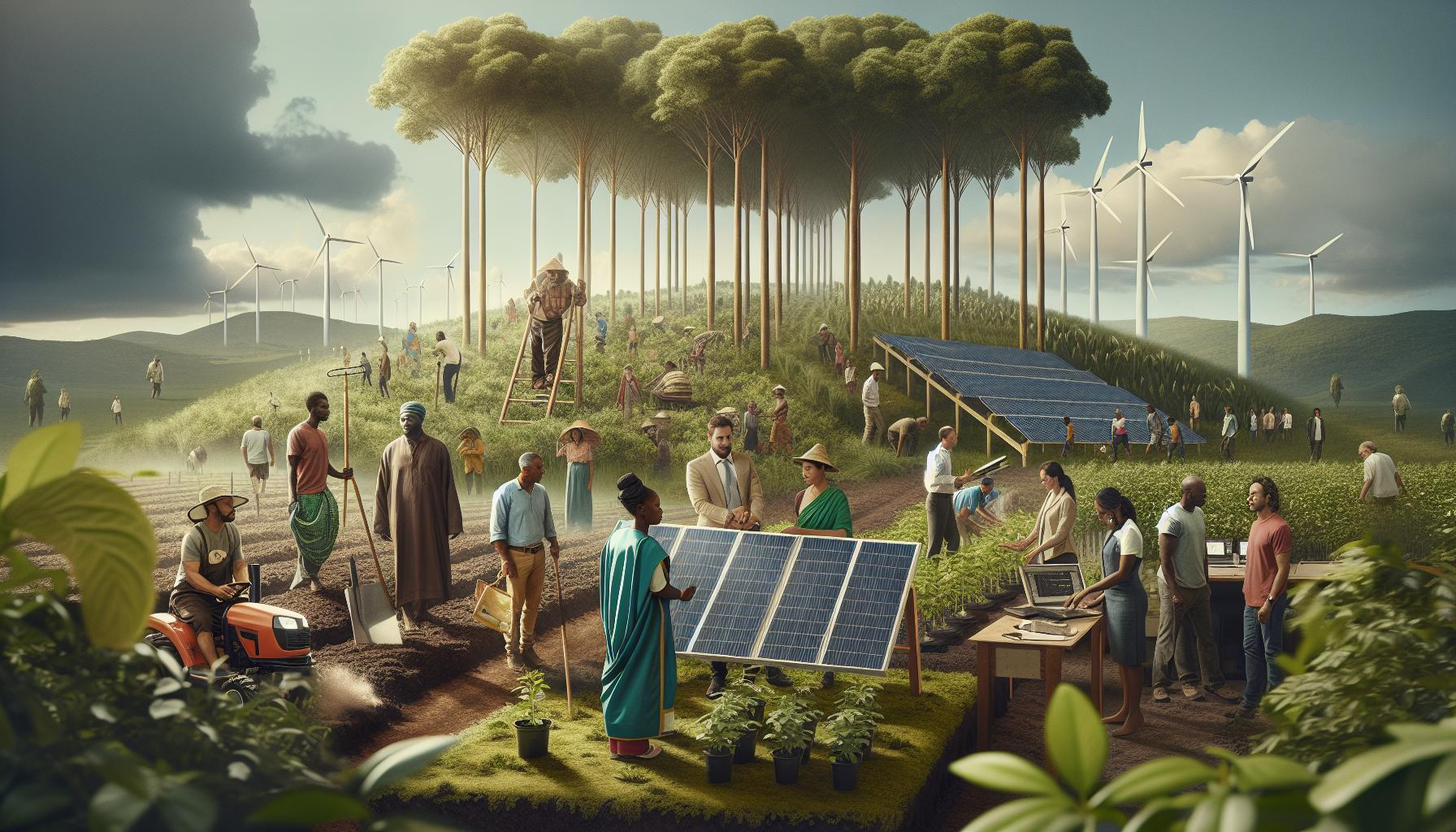
Key Projects Funded by the Green Climate Fund
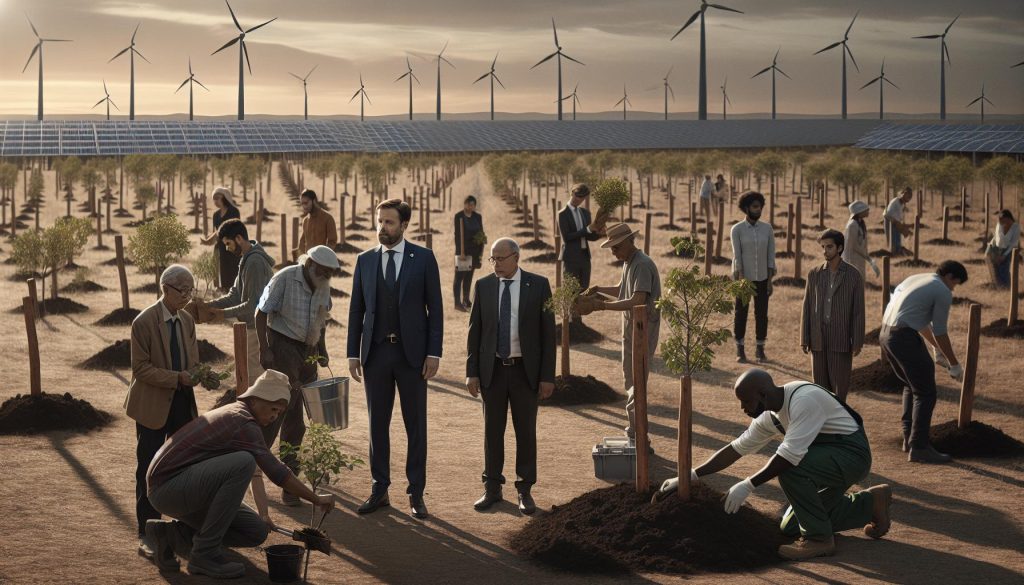
The Green Climate Fund (GCF) has been instrumental in supporting innovative and impactful projects that address the urgent challenges of climate change. By strategically funding a diverse array of initiatives, the GCF not only mitigates climate impacts but also catalyzes sustainable development across vulnerable regions. Notably, one project involves an ambitious reforestation effort in Madagascar, where local communities are engaged in planting native trees to restore degraded landscapes. This not only helps sequester carbon dioxide but also enhances biodiversity and strengthens local livelihoods by creating new job opportunities in eco-tourism and sustainable agriculture.
Another significant project is the GCF’s investment in renewable energy across several Caribbean islands. By financing the installation of solar energy systems, the GCF helps these nations reduce their dependence on imported fossil fuels, thereby increasing energy security and promoting local economic growth. One standout example is the solar microgrid project in Dominica, which provides reliable electricity to remote communities, empowering them to establish small businesses and thrive economically. This showcases how climate finance can drive technological innovation while addressing pressing social needs.
Furthermore, the GCF supports initiatives aimed at enhancing climate resilience, particularly in agriculture. In Kenya, a project has been launched to help smallholder farmers adapt to changing weather patterns through climate-smart agricultural practices. By providing training and resources for drought-resistant crop varieties, farmers can improve food security and stabilize their incomes despite climate variability. This approach not only ensures that communities are better equipped to face climate challenges but also promotes sustainable farming practices that benefit the environment.
In sum, the projects funded by the Green Climate Fund exemplify a holistic approach to tackling climate change. They not only address immediate environmental issues but also foster economic resilience, social equity, and community empowerment. As these initiatives continue to unfold, they illustrate the profound impact of financial commitments to sustainable development and climate adaptation, reinforcing the vital importance of the GCF for our collective future.
Understanding the Financial Mechanisms of the Green Climate Fund
The Green Climate Fund (GCF) operates through a range of financial mechanisms designed to maximize its impact on climate change mitigation and adaptation across developing countries. Central to its mission is the allocation of funds that empower nations to adopt greener technologies and sustainable practices. The GCF mobilizes resources from both public and private sectors to create a robust financial ecosystem supportive of climate action.
One of the key mechanisms of the GCF is its ability to provide grants, loans, and equity investments. These financial tools allow for flexibility in funding depending on the specific needs of projects and the financial contexts of the countries involved. For instance, a grant may be more suitable for a project aimed at developing renewable energy in a low-income country, where upfront investment is a barrier, while loans or investments may be used in situations where projects can generate revenue over time. This variety in financial offerings enables the GCF to support diverse projects, from innovative green technologies to critical infrastructure improvements.
Innovative Financial Partnerships
The GCF also emphasizes building partnerships with national governments, multilateral development banks, and private sector companies. This collective approach is essential in scaling up investments and spreading financial risks. By leveraging existing financial institutions’ expertise, the GCF ensures that projects are both bankable and sustainable. For example, through its collaboration with the International Finance Corporation (IFC), the GCF has been able to fund several renewable energy projects specifically targeting underserved markets. These partnerships not only enhance the effectiveness of funding but also foster a shared commitment to climate goals across various sectors.
Moreover, to ensure transparency and effective usage of funds, the GCF implements stringent monitoring and evaluation processes. This not only builds trust with donor countries and stakeholders but also ensures that the funded projects deliver measurable outcomes in terms of carbon reduction and social impact. Each project is required to report on its performance, helping to refine future funding strategies and maximize benefits at the community level.
The GCF’s financial structure includes a direct access modality, allowing countries to manage resources domestically and customize their approaches based on local contexts. This empowerment enables nations to focus on their unique climate challenges effectively. By empowering local entities-be it governments or civil society organizations-the GCF encourages a bottom-up approach where communities contribute their insights, ensuring that funded initiatives are culturally relevant and sustainable in the long run.
The intricate financial mechanisms of the GCF are not merely bureaucratic structures but are vital components of a global strategy to tackle climate change. They represent an opportunity for nations to forge ahead in their sustainability journeys and contribute to a resilient future for all. By understanding these mechanisms, stakeholders can better engage with the GCF, paving the way for innovative solutions to the pressing environmental crises we face today.
Your Role in Climate Finance Through the Green Climate Fund
Understanding how to engage with the Green Climate Fund (GCF) creates pathways for individuals, organizations, and communities to actively participate in the global fight against climate change. Whether you’re a concerned citizen, a student, a business owner, or a representative of a nonprofit, your role in climate finance can make a significant difference. By leveraging the GCF’s resources, you can contribute to funding initiatives that promote low-emission and climate-resilient development in various parts of the world, particularly in developing countries that are most vulnerable to climate impacts.
One tangible way to get involved is by advocacy and education. Raise awareness about the GCF and its projects within your community-inform friends, family, and local organizations about how these funds are being utilized to support sustainable development. For instance, projects like the recent financing for the RenewStable Barbados solar facility demonstrate how GCF resources can directly contribute to clean energy and job creation in local communities [3]. Sharing stories of success helps to contextualize the impact of the GCF, turning abstract financial mechanisms into relatable narratives that inspire action.
Another essential aspect involves supporting and participating in climate finance initiatives. Many countries have a direct access modality that allows local entities to manage GCF resources, tailoring approaches to their unique challenges. Consider collaborating with or volunteering for organizations that are already working on projects funded by the GCF. Your skills and insights could help enhance project efficiency, from community engagement to environmental monitoring. By being part of these local efforts, you further the GCF’s mission while contributing to your community’s sustainability.
You can also engage in climate finance through responsible financial behavior. Make decisions that align your finances with your values; this could mean investing in sustainable businesses, supporting green initiatives, or donating to organizations that work alongside the GCF. By doing so, you help enhance the pool of financial resources available for climate action. Bringing together personal financial choices with global climate strategies forms a robust connection, ultimately contributing to the resilience and sustainability of the planet.
Your engagement with the Green Climate Fund can take many forms-advocacy, participation, or financial support-all of which are foundational to creating the systemic change needed to combat climate change at local, national, and international levels. By taking action, you can ensure that the climate initiatives of today lead to a more sustainable and equitable future for everyone.
The Impact of the Green Climate Fund on Global Policies
The Green Climate Fund (GCF) plays a crucial role in steering global climate policies towards a sustainable future. By mobilizing financial resources for climate action in developing countries, the GCF not only facilitates national efforts to mitigate climate change but also aligns with international agreements, such as the Paris Agreement. As countries navigate their individual climate challenges, the GCF offers a framework that encourages collaborative approaches and shared responsibilities among nations, making it an essential component in the global governance of climate change.
One of the most significant influences of the GCF is its ability to empower countries to formulate and implement their climate policies, tailored to their unique circumstances. For instance, by providing funding for projects in renewable energy and climate resilience, the GCF enables nations to transition away from fossil fuels and towards sustainable practices. This not only helps countries meet their Nationally Determined Contributions (NDCs) but also drives innovation and the adoption of green technologies, thereby influencing national legislation and sectoral reforms.
Furthermore, the GCF’s strategic priorities, such as enhancing climate resilience and promoting low-emission development, create a ripple effect on global policies. The GCF allocates funds based on clear criteria that reflect both environmental and social impacts, encouraging countries to prioritize projects that foster sustainable development. As nations report their progress and outcomes to the GCF, this creates a mechanism for accountability and learning that can lead to more robust climate policies globally. The success stories emerging from GCF-funded initiatives serve as powerful case studies, inspiring other countries to adopt similar approaches and further integrating climate considerations into national planning.
In summary, is profound and multifaceted. By strategically financing climate initiatives in developing nations, the GCF not only helps these countries address immediate climate challenges but also fosters a cooperative international environment conducive to achieving long-term sustainability goals. Through tangible support, the GCF catalyzes actions that reverberate throughout the global community, proving that collaborative financing is vital for effective climate governance and a sustainable future for all.
How the Green Climate Fund Affects Your Community
The Green Climate Fund (GCF) significantly influences communities around the globe, fostering local initiatives that promote environmental sustainability and social equity. By channeling funds to developing countries, the GCF empowers communities to implement projects that address climate vulnerabilities and improve resilience. For example, communities may receive grants to invest in renewable energy sources, enhance agricultural practices, or develop infrastructure that withstands extreme weather events. This localized approach ensures that financial resources are not just theoretical concepts but translate into concrete improvements in daily life.
Local Empowerment Through Funding
When the GCF invests in community-based projects, it enables residents to take ownership of their environment. Consider the implementation of solar energy programs in rural areas. These projects reduce dependence on fossil fuels while providing affordable energy-a critical benefactor for schools, hospitals, and homes. Communities experience not just economic benefits through reduced energy costs but also health improvements as air quality enhances with fewer emissions. Furthermore, the GCF encourages participatory approaches, where community members are involved in decision-making processes. This not only builds capacity but also strengthens social cohesion as individuals unite for a common goal.
Creating Sustainable Livelihoods
The GCF’s initiatives often revolve around fostering sustainable livelihoods, especially in vulnerable sectors like agriculture and fisheries. Projects funded by the GCF can introduce sustainable farming techniques, helping local farmers adapt to climate change effects while promoting food security. For instance, training programs might educate farmers on water conservation methods or organic farming practices that diminish reliance on chemical fertilizers, ultimately benefiting both the ecosystem and the community’s health. As a result, these communities can thrive economically while ensuring the sustainability of their natural resources for future generations.
- Job Creation: Green projects typically require local labor, creating jobs and stimulating local economies.
- Education: Engagement in GCF-sponsored programs often leads to greater environmental awareness and education among community members.
- Innovation: By addressing specific local needs, GCF projects encourage innovative solutions that can be replicated in other communities.
In summary, the Green Climate Fund plays a vital role in reshaping communities by fostering an environment where sustainability thrives. By supporting local initiatives, empowering residents, and promoting sustainable livelihoods, the GCF not only addresses immediate climate challenges but also lays a foundation for a resilient and equitable future. As untapped potential within communities turns into actionable projects, the impact of these efforts can be felt beyond local borders, inspiring broader societal change towards sustainability.
Navigating the Challenges of Climate Funding Initiatives
Navigating the landscape of climate funding initiatives can feel overwhelming, especially when trying to discern how these efforts align with both global goals and local realities. One significant challenge lies in the complex bureaucracy often associated with funding applications and disbursements. Initiatives like the Green Climate Fund (GCF) aim to streamline processes and make funding more accessible, yet many potential beneficiaries-particularly in developing countries-struggle with understanding the requirements. Training sessions and workshops that demystify the application process can empower local organizations and communities, offering them the tools they need to successfully access funds while enhancing their project management capabilities.
Another issue pertains to the sustainability and longevity of projects funded by climate finance. It is crucial to ensure that funded initiatives do not merely create short-term benefits but also foster long-lasting resilience against climate change. This calls for robust planning that incorporates mechanisms for maintenance and scalability. For instance, projects that focus on renewable energy may need to incorporate educational components that teach local populations how to maintain solar panels or wind turbines. By embedding sustainability education within funding initiatives, communities can develop skills that not only enhance project resilience but also build local capacity.
Moreover, effective stakeholder engagement plays a pivotal role in the success of climate funding initiatives. Ensuring that the voices of those most affected by climate change are heard can lead to more relevant and effective projects. Regular community consultations and participatory budgeting can help prioritize local needs, ensuring that funded projects resonate with and serve the community effectively. By fostering dialogues between funders, local governments, and community leaders, the GCF and similar organizations can cultivate trust and collaboration, ultimately leading to more sustainable outcomes.
In conclusion, while the path to securing climate funding can be fraught with challenges, focusing on education, sustainability, and stakeholder engagement can turn these hurdles into stepping stones. By equipping communities with the necessary skills and understanding, we can foster not only immediate adaptation and mitigation efforts but also lay a foundation for their future resilience in a rapidly changing climatic landscape.
Real-Life Success Stories from the Green Climate Fund
The Green Climate Fund (GCF) has become a beacon of hope for many communities around the globe, transforming climate challenges into opportunities for sustainable development. One compelling example is the initiative in Vanuatu, where the GCF funded the largest community-based adaptation project in the Pacific. This project empowers local communities to implement resilient practices, such as constructing climate-resilient infrastructure and restoring mangroves. By actively engaging the local population, the project not only enhances community resilience against climate change impacts but also fosters local leadership, ensuring that the benefits are long-lasting and culturally relevant.
Another notable success story comes from Kenya, where the GCF supports a project aimed at enhancing climate resilience in the agricultural sector. With the funds, farmers received training in sustainable agricultural practices and access to climate-resilient seeds. This initiative has significantly increased crop yields and food security, allowing communities to thrive despite the adverse effects of climate change. The empowerment of farmers through education and resources illustrates how targeted investment can transform livelihoods and sustain local economies.
In Bangladesh, the GCF is funding efforts to improve water resource management in the face of flooding and drought conditions. By developing comprehensive water management systems that include rainwater harvesting and improved irrigation techniques, communities are not only securing their water supply but also enhancing agricultural productivity. The integration of innovative technologies plays a crucial role, demonstrating the GCF’s commitment to blending traditional practices with modern solutions.
Key Takeaways from GCF Success Stories
- Community Engagement: Direct involvement of local populations in projects ensures that interventions are culturally appropriate and sustainable.
- Innovative Practices: The blend of traditional practices with modern techniques enhances the effectiveness of climate adaptations.
- Long-Term Resilience: Projects focusing on capacity building enable communities to sustain improvements and prepare for future climate impacts.
These success stories reflect the GCF’s pivotal role in enabling vulnerable communities to adapt and thrive amidst climate challenges. They underscore the importance of investing in local knowledge and innovations while addressing the urgent need for climate action. By sharing these narratives, the Green Climate Fund not only drives immediate progress but also inspires a collective commitment to building a sustainable future for all.
What You Can Do to Advocate for Climate Financing
Advocating for climate financing requires concerted efforts from individuals and communities alike. Real change often starts at the grassroots level, where committed citizens can influence larger systemic shifts. One effective way to begin is by educating yourself and others about the Green Climate Fund (GCF) and its role in global sustainability efforts. Share insights on social media, engage in community workshops, or host discussions that highlight the importance of climate finance. Knowledge is powerful; the more people understand how the GCF helps vulnerable communities adapt to climate change, the more likely they are to become advocates themselves.
Another impactful method is to connect with local organizations working in environmental and climate action. These groups often have campaigns or initiatives aimed at influencing policy and public perception regarding climate funding. By joining forces, you can amplify your voice and contribute to larger movements advocating for sustainable funding practices. Consider volunteering your time, donating resources, or simply participating in advocacy events to support these essential causes.
Engaging with government representatives is crucial as well. Write letters, make phone calls, or schedule meetings to discuss the significance of climate financing and express your support for the GCF. Emphasize how investing in climate initiatives not only benefits global communities but also has local implications, such as improving public health, creating jobs, and fostering economic resilience.
Finally, it’s important to recognize personal choices and lifestyle changes that align with climate advocacy. Consider supporting businesses that prioritize sustainability and responsible environmental practices, and encourage others to do the same. Every small action contributes to a larger movement towards responsible climate finance. By actively participating in these areas, you are part of a vital network that advocates for the future of our planet-making a tangible impact through collective action.
Future Trends: The Evolving Role of the Green Climate Fund
The landscape of climate financing is rapidly evolving, driven by the urgent need for global action against climate change and the pivotal role that the Green Climate Fund (GCF) plays in this context. As countries strive to meet the ambitious targets set by the Paris Agreement, the GCF emerges as a key player enabling developing nations to transition toward low-emission and climate-resilient development. With a focus on innovation and capacity building, the Fund is shifting its approach to financing, emphasizing transformative projects that not only address immediate climate challenges but also foster sustainable growth and development.
In the coming years, the GCF is likely to expand its focus on utilizing blended financing mechanisms that combine public and private investments. This hybrid approach aims to unlock additional funding sources and mobilize private capital for climate initiatives, demonstrating a clear commitment to sustainability while also ensuring returns on investments. For instance, by collaborating with private sector entities, the GCF can help scale impactful projects such as renewable energy facilities, which can significantly reduce greenhouse gas emissions while providing economic opportunities in local communities.
Strengthened Regional Partnerships
Another trend is the emphasis on building stronger regional partnerships. The GCF is increasingly working with regional bodies and local governments to tailor climate solutions that are culturally and contextually appropriate. This localized approach not only enhances the effectiveness of funded projects but also ensures that the voices of affected communities are heard in the decision-making process. For example, initiatives funded in partnership with the Caribbean Community (CARICOM) focus on addressing the unique vulnerabilities of small island developing states, helping them adapt to rising sea levels and extreme weather events.
Community-Driven Solutions
Furthermore, the GCF is placing a significant emphasis on community-driven solutions that specifically target social equity. Understanding that marginalized groups are often the most affected by climate change, the Fund aims to prioritize initiatives that empower these communities. This includes funding projects that enhance access to clean water, sustainable agricultural practices, and renewable energy solutions, thereby directly improving livelihoods and resilience against climate impacts.
- Increased transparency and accountability: The GCF is working on improving its governance structures to ensure that funding decisions are made transparently and deliver measurable results.
- Focus on youth engagement: Recognizing the importance of the younger generation in combating climate change, initiatives are being implemented to involve youth as active participants in climate finance discussions and actions.
- Innovation in technology: The Fund supports cutting-edge technologies that offer innovative solutions to climate issues, fostering an environment where new ideas can flourish.
As these trends unfold, it becomes evident that the role of the Green Climate Fund is not merely about disbursing financial resources; it is about catalyzing a global movement towards sustainability, resilience, and equity. By adapting to ongoing climate challenges and fostering inclusive growth, the GCF is helping to forge a sustainable future that benefits not just individual communities but the planet as a whole. Engaging with and supporting the GCF’s objectives becomes crucial for anyone keen on contributing to meaningful climate action and ensuring a livable future for generations to come.
Taking Action: Engaging with the Green Climate Fund
Engaging directly with the Green Climate Fund (GCF) offers individuals, organizations, and communities a vital opportunity to influence climate finance and contribute to sustainable development. It’s more than just financial transactions; it’s about fostering a collective movement towards a more resilient and equitable future. If you’re looking to take meaningful action, understanding how you can engage with the GCF is crucial.
Start by educating yourself about the Fund’s objectives and funded projects. The GCF finances a wide range of initiatives aimed at reducing greenhouse gas emissions and building climate resilience in developing countries. Familiarizing yourself with the various projects, such as the recent investment in the RenewStable Barbados solar facility, can illustrate how GCF funds translate into local climate solutions. These insights not only empower individual action but also enable informed advocacy, making your voice more impactful when discussing climate finance and sustainability initiatives with decision-makers in your community.
Collaboration is key. Organizations and communities can partner with the GCF by proposing project ideas that align with its goals. For example, if you represent a local NGO, consider developing a proposal that addresses specific climate risks in your area, such as flood mitigation or renewable energy implementation. Resources are available to guide applicants through the proposal process, and successful projects can access substantial funding to implement innovative solutions.
Additionally, advocating for transparency and accountability in the GCF’s operations is essential for sustaining trust and effectiveness. By pushing for clear reporting on how funds are allocated and the outcomes of funded projects, you can help ensure that climate financing is used effectively. Engaging with local representatives and participating in public forums or discussions about climate initiatives can amplify your impact.
Lastly, consider participating in youth-led initiatives or local climate action groups that collaborate with the GCF. Engaging young people in decision-making processes fosters fresh ideas and perspectives, crucially addressing the climate crisis. These groups not only drive grassroots action but also create platforms for dialogue between communities and funding bodies, ultimately leading to more integrated and community-based climate strategies.
By actively engaging with the GCF, you become part of a larger solution that extends beyond financial support-contributing to a dynamic movement towards a sustainable future for everyone. Whether through education, collaboration, advocacy, or grassroots organizing, each action counts in the quest to combat climate change and foster resilience.
Faq
Q: Why is the Green Climate Fund important for global sustainability?
A: The Green Climate Fund is crucial for global sustainability as it finances projects that combat climate change and promote sustainable practices. By providing support to developing countries, it ensures broad participation in climate action, ultimately benefiting the planet and future generations.
Q: How does the Green Climate Fund help vulnerable communities?
A: The Green Climate Fund supports vulnerable communities by funding projects that improve resilience against climate impacts. This includes investments in renewable energy, sustainable agriculture, and disaster risk management, empowering communities to adapt and thrive despite changing environmental conditions.
Q: What are the key benefits of investing in the Green Climate Fund?
A: Investing in the Green Climate Fund yields multiple benefits, including enhanced global cooperation on climate issues, economic growth through green jobs, and the promotion of innovative technologies that can mitigate climate change. It leads to a more sustainable future for all.
Q: How can individuals contribute to the goals of the Green Climate Fund?
A: Individuals can contribute by advocating for climate financing, supporting sustainable businesses, and reducing their carbon footprints. Engaging in local environmental initiatives and promoting awareness can also inspire collective action towards the goals of the Green Climate Fund.
Q: What are the funding mechanisms used by the Green Climate Fund?
A: The Green Climate Fund employs a variety of financial mechanisms, including grants, loans, and equity investments. This flexible approach allows funds to be allocated effectively to projects that have the greatest potential impact on climate resilience and mitigation.
Q: When was the Green Climate Fund established, and why?
A: The Green Climate Fund was established in 2010 during the UN Climate Change Conference to assist developing countries in responding to climate change. It aims to limit greenhouse gas emissions and support sustainable development through dedicated financial resources.
Q: What types of projects does the Green Climate Fund typically fund?
A: The Green Climate Fund typically funds projects focused on renewable energy, climate-resilient agriculture, sustainable forestry, and urban development. These projects are designed to reduce emissions and enhance adaptive capacity in vulnerable regions.
Q: How does the Green Climate Fund influence global climate policy?
A: The Green Climate Fund influences global climate policy by setting standards for climate financing and encouraging increased commitments from both public and private sectors. Its projects serve as models for effective climate action, driving policy changes worldwide.
Final Thoughts
As we’ve explored, the Green Climate Fund is not just a financial initiative-it’s a pivotal tool for securing a sustainable future for all of us. By investing in climate resilience now, we pave the way for a healthier planet tomorrow. Don’t let uncertainty hold you back; your voice matters in driving the change we need.
Ready to dive deeper? Check out our resources on sustainable investments and the impacts of climate change on local communities. For those seeking personalized guidance, sign up for our newsletter for the latest insights and strategies to make informed decisions.
Join the conversation! Share your thoughts in the comments below or follow us on social media to stay updated. Together, we can empower action and ensure a thriving planet for future generations. Your future depends on it-let’s make it count!
Get our latest guides, news, and insights highlighted in your Google Search & AI Overviews.