As climate change continues to reshape our planet, the Global South finds itself facing heightened vulnerability, making this issue critical to global stability. Approximately 80% of the world’s climate impacts disproportionately affect regions like Africa, Latin America, and parts of Asia, where communities often lack the resources to adapt. This disparity raises pressing questions about environmental justice and equity. Understanding why these areas are more at risk is crucial not only for policymakers but for all of us who share this planet and care about its future. By exploring the intersection of economic inequality, inadequate infrastructure, and ecological instability, we can uncover actionable insights that foster resilience and promote sustainable strategies. Join us as we delve deeper into the factors contributing to the Global South’s climate vulnerability and discover how informed actions can empower these communities and influence global change.
The Historical Context of Vulnerability in the Global South
The Global South has historically navigated a landscape fraught with vulnerabilities, many of which amplify the impacts of climate change today. These vulnerabilities stem from a complex interweaving of colonial legacies, economic structures, and environmental factors. For instance, many countries in the Global South were subjected to colonial exploitation that stripped them of resources and economic autonomy, leaving behind economies that often depend on a narrow range of commodities and face barriers to diversification. This legacy not only affects economic stability but also exacerbates the limitations in adapting to climate changes, as the prevailing economic models are often misaligned with sustainable practices.
Additionally, the geographical positioning of many Global South nations makes them more susceptible to climate anomalies. Regions prone to droughts, floods, and other extreme weather events are now experiencing intensified impacts due to global warming. These countries often lack the financial resources and technological infrastructure necessary to implement effective climate adaptation strategies. For example, a study by the Intergovernmental Panel on Climate Change highlights that African nations are likely to see substantial declines in agricultural yields as temperatures rise, particularly given their reliance on rain-fed irrigation systems. Consequently, food security becomes a pressing concern, which ties back to the historical context of underdevelopment and exploitation.
To counter these challenges, it is pivotal for nations in the Global South to leverage their historical experiences and local knowledge. Indigenous communities possess a wealth of understanding about their environments that can inform current adaptation strategies. Their traditional practices often reflect a sustainable approach to resource management, which can be integrated into broader efforts to develop resilient systems. Programs that prioritize local engagement not only enhance adaptive capacity but also empower communities to reclaim agency over their futures, thereby addressing the multiple layers of vulnerability rooted in their historical context.
In essence, understanding is crucial to developing tailored, effective responses to climate change. A multi-faceted approach that honors local knowledge while addressing structural inequities can foster resilience and promote sustainable development, charting a path toward a more secure future for vulnerable communities.
How Climate Change Impacts Economies in Developing Nations
The challenge of climate change is not just an environmental issue; it is an economic crisis that disproportionately affects developing nations. Data indicates that countries in the Global South can expect economic losses that may reach up to 5% of their GDP by 2050 due to climate impacts, significantly outpacing the already fragile economic growth they experience. The intricate relationship between climate change and economic stability is underscored by several factors that collectively amplify vulnerabilities.
One of the primary ways climate change affects economies in these regions is through agriculture, which is a cornerstone of many developing economies. As temperatures rise and weather patterns become increasingly erratic, agricultural productivity suffers. For instance, a 2023 report by the Intergovernmental Panel on Climate Change highlighted that crops such as maize and wheat, essential to food security in Africa and South Asia, could see yield reductions of up to 30% by 2030. This not only threatens food security but also undermines rural livelihoods, which are often dependent on consistent agricultural output.
Furthermore, climate change exacerbates existing socioeconomic inequalities. Marginalized communities-especially women and indigenous peoples-face steeper challenges in accessing resources needed for adaptation, including financial services, education, and technology. As stronger weather events lead to increased destruction of homes and infrastructure, already vulnerable populations find themselves trapped in cycles of poverty, unable to recover or invest in resilience. The economic costs of natural disasters can impede long-term development efforts, creating a vicious cycle where communities become progressively more vulnerable due to lost income, property, and opportunities.
To combat these complex challenges, countries in the Global South can take proactive steps. Investing in climate-resilient agriculture, such as the introduction of drought-resistant crops and sustainable farming practices, is one strategy that can mitigate some economic impacts. Moreover, enhancing access to financial services aimed at climate adaptation allows communities to better prepare for and recover from climatic shocks. The role of international funding cannot be overlooked-climate finance plays a crucial part in equipping these nations with the resources necessary for building resilience.
Ultimately, fostering a network of local, national, and global partnerships dedicated to addressing climate vulnerabilities can catalyze change. Multi-stakeholder initiatives that engage with local communities ensure that solutions are culturally relevant and practically beneficial. By employing strategies that prioritize local knowledge and community-led innovations, developing economies can turn the tide on climate vulnerability and foster sustainable economic growth, paving the way for a more resilient future.
Environmental Injustices: Disproportionate Effects on Local Communities
Communities in the Global South often bear the brunt of environmental injustices, suffering disproportionately from the ramifications of climate change. While climate impacts, such as extreme weather events, rising sea levels, and changing precipitation patterns, are global in scale, it is the marginalized populations-particularly the poor, women, and indigenous peoples-who feel these effects most acutely. A staggering statistic reveals that over 90% of climate-related fatalities occur in developing countries, highlighting the urgent need to address the specific vulnerabilities these communities face in the face of environmental challenges.
The inequities are fueled by a variety of factors. Limited access to resources such as financial assets, healthcare, and education exacerbates the exposure of these populations to climate risks. For example, rural farming communities often rely on rain-fed agriculture, making them susceptible to droughts and floods. When extreme weather strikes, not only do their immediate livelihoods suffer, but the long-term ability to recover is severely hampered by pre-existing economic and social vulnerabilities. Research indicates that these disruptions can push communities deeper into poverty, creating a cycle that perpetuates inequality and fragility.
Furthermore, systemic exclusion often means that the voices of local communities are left out of decision-making processes, denying them the opportunity to influence policies that directly affect their lives. In many cases, large-scale development projects or industrial activities contribute to environmental degradation, such as deforestation and pollution, without adequately considering the needs and rights of local inhabitants. This not only compromises their health and safety but also erodes the social fabric and cultural identity upon which these communities depend.
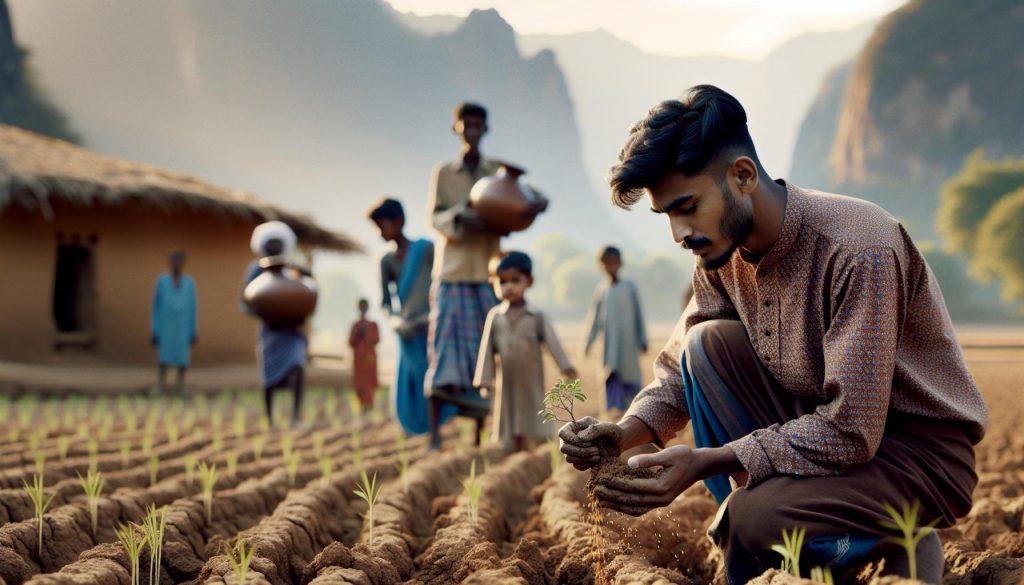
In response to these injustices, grassroots movements are burgeoning across the Global South, led by those directly impacted by climate change. Activists, especially women and youth, are holding governments accountable while advocating for environmental justice. Initiatives focusing on sustainable practices-like community-led reforestation and water conservation projects-empower local populations to take control of their response to climate risks. By integrating traditional knowledge with modern environmental strategies, they foster resilience and promote adaptive capacity.
Ultimately, addressing environmental injustices requires a concerted effort to include marginalized communities in climate action plans, ensuring that solutions are not only equitable but also tailored to their unique experiences and capabilities. This approach embodies the belief that fostering resilience against climate change is not merely an environmental necessity; it is also a social and moral imperative.
Adapting Infrastructure: Challenges for the Global South
Communities in the Global South face a myriad of challenges when it comes to adapting their infrastructure in response to climate change. The stark reality is that many nations in this region are grappling with outdated, inadequate, or even non-existent infrastructure that cannot withstand the increasingly severe impacts of environmental shifts. For instance, consider the fact that in Bangladesh, where rising sea levels threaten coastal areas, many rural communities are built on land that routinely faces flooding without adequate drainage systems or resilient housing. This scenario illustrates the pressing need for infrastructure overhaul to mitigate climate risks and protect vulnerable populations.
Investing in resilient infrastructure is not just about building roads, bridges, or drainage systems; it also requires integrating sustainable practices into planning and development processes. Infrastructure development in the Global South often suffers from a lack of funding, skilled labor, and advanced technologies. Governments can enhance their adaptive capacity by embracing a multi-stakeholder approach that involves local communities, NGOs, and international organizations. For example, in Peru, initiatives to construct climate-resilient irrigation systems have been successful largely because they incorporate local agricultural knowledge, empowering farmers to manage water effectively even in changing weather patterns.
Key challenges include limited access to financing for large-scale infrastructure projects. Many countries depend on foreign investment or aid, which often comes with stipulations that may not align with local needs. Additionally, insufficient data on local environmental conditions can compromise the efficacy of infrastructure solutions. Local governments must prioritize data collection and risk assessment tools that focus on understanding specific vulnerabilities faced by their communities. By creating localized climate action plans, they can ensure that infrastructure development addresses not just current conditions, but also projected climate scenarios.
Moreover, integrating traditional and indigenous knowledge into infrastructure projects can significantly enhance adaptability. For example, indigenous techniques in water management and land use offer valuable insights that can lead to innovative solutions, such as the implementation of agroecological practices. By fostering partnerships between engineers, environmental scientists, and indigenous groups, the Global South can create infrastructure that not only withstands environmental stress but also strengthens community ties and fosters economic growth.
In summary, the challenges faced by the Global South in adapting infrastructure to climate change are complex and multifaceted. However, through collaborative efforts that prioritize sustainability, leverage local knowledge, and embrace innovative financing models, these nations can build resilience that withstands the test of time while protecting their most vulnerable populations.
The Role of Agriculture and Food Security Under Climate Stress
Climate change poses a significant threat to agriculture and food security in the Global South, where many communities rely heavily on natural resources for their livelihoods. A staggering fact: according to the Food and Agriculture Organization (FAO), around 80% of the world’s hungry people live in countries disproportionately affected by climate change. The impacts include altered weather patterns, increased frequency of extreme events, and shifting agricultural zones, all of which jeopardize food production and exacerbate existing vulnerabilities.
The effects of climate stress are particularly acute for smallholder farmers, who represent a substantial portion of agricultural production in the Global South. These farmers often lack the necessary resources to adapt to changing conditions, facing challenges such as dwindling soil fertility, erratic rainfall, and pests resistant to traditional methods. As temperatures rise and weather becomes less predictable, the risk of crop failure increases, directly threatening food availability and pushing vulnerable populations deeper into food insecurity.
Practical Strategies for Resilience
To combat these challenges, it is essential for communities to adopt innovative agricultural practices that enhance resilience. Here are a few effective strategies:
- Agroecological Practices: Integrating traditional practices with modern techniques, such as crop rotation, intercropping, and natural pest control, can improve soil health and boost yields.
- Climate-Resilient Varieties: Developing and utilizing crop varieties that are resistant to drought, floods, and pests is vital for sustaining productivity in a changing climate.
- Water Management: Implementing efficient irrigation systems, such as drip irrigation or rainwater harvesting, can help conserve water and ensure crops receive adequate moisture.
In countries like Ethiopia, initiatives promoting drought-resistant seeds have shown promising results, improving yield stability even during periods of diminished rainfall. Farmers participating in these programs report not only increased food production but also improved economic stability and resilience against market volatility.
Moreover, engaging local communities in decision-making processes ensures that agricultural practices not only reflect scientific insights but also incorporate indigenous knowledge and local needs. This collaborative approach can lead to more sustainable and effective solutions tailored to specific environmental and cultural contexts.
The interconnectedness of agriculture, food security, and climate resilience highlights the urgency of addressing these challenges. By prioritizing sustainable agricultural practices and fostering community resilience, countries in the Global South can mitigate the impacts of climate stress, ensuring that their populations have access to safe and sufficient food while supporting the integrity of their ecosystems.
Health Risks: Climate Change and Public Health in Vulnerable Regions
The intersection of climate change and public health forms a critical area of concern, particularly in vulnerable regions of the Global South. With rising temperatures, altered rainfall patterns, and extreme weather events, many communities face exacerbated health risks that often go unnoticed until it is too late. For example, according to the World Health Organization (WHO), climate change is expected to result in an additional 250,000 deaths per year between 2030 and 2050 due to malnutrition, malaria, diarrhea, and heat stress. This reality underscores the urgent need for awareness and action to protect public health in these regions.
Climate-related health issues manifest in various forms, including increased prevalence of infectious diseases. Changes in climate can shift the habitats of vectors, such as mosquitoes that transmit diseases like malaria and dengue fever. Regions that were previously less affected may now experience outbreaks, overwhelming local healthcare systems already struggling with limited resources. For instance, in several parts of Africa and Southeast Asia, rising temperatures and irregular rainfall have led to an uptick in malaria cases, correlating with studies that suggest a direct link between warmer climates and disease spread.
Practical Steps to Mitigate Health Risks
To combat these health challenges, several practical steps can be taken:
- Strengthening Health Systems: Investing in local healthcare infrastructure is crucial. This includes training healthcare workers to recognize and respond to climate-related health issues and reinforcing surveillance systems to detect emerging diseases early.
- Promoting Community Awareness: Educating communities about the potential health impacts of climate change can empower individuals to take preventive measures. Awareness campaigns can focus on personal hygiene, the importance of vaccination, and understanding the symptoms of climate-sensitive diseases.
- Integrating Climate and Health Policies: Governments should incorporate health outcomes into climate policies. This can facilitate a coordinated response to the multiple challenges posed by climate change, ensuring that health is a priority in discussions about climate resilience.
Examples from regions actively combating these health impacts demonstrate the potential for meaningful progress. In Bangladesh, for instance, community-led initiatives have successfully implemented mosquito control programs and distributed health education materials, significantly reducing the incidence of mosquito-borne diseases. By focusing on localized strategies and engaging communities, these efforts not only mitigate health risks but also promote greater awareness and resilience in the face of an uncertain climate future.
Ultimately, addressing the health risks associated with climate change requires a multifaceted approach that considers the unique vulnerabilities of the Global South. By focusing on building resilient health infrastructures, fostering community awareness, and integrating health into climate planning, significant strides can be made to protect these regions and their populations from the looming health crises driven by climate change.
Indigenous Perspectives: Traditional Knowledge and Climate Resilience
Indigenous communities worldwide possess a rich tapestry of traditional knowledge that directly contributes to climate resilience. This knowledge, cultivated over generations, reflects a deep connection to the land and an understanding of local ecosystems, making it invaluable in the face of climate change. For instance, many Indigenous practices involve sustainable land management techniques that enhance biodiversity and ensure the longevity of natural resources, crucial in areas where climate impacts threaten livelihoods and food security.
One notable example is the use of traditional ecological knowledge (TEK) in agriculture. Indigenous farmers often rely on intercropping and rotation methods that not only improve soil fertility but also build resistance to climate variability. By preserving heirloom seed varieties adapted to local conditions, these communities can maintain crop diversity, ensuring food security even as climatic conditions change. Additionally, their intimate understanding of weather patterns and local flora and fauna enables them to adapt better to environmental shifts, fostering resilience in their agricultural practices.
Incorporating Indigenous perspectives into climate action can also lead to innovative solutions rooted in community values. For example, Indigenous Peoples’ Resilience Framework emphasizes principles such as holistic wellbeing, cultural identity, and ecological stewardship, enabling communities to navigate climate challenges while preserving their heritage and social fabric [[1]](https://www.worldbank.org/en/topic/indigenouspeoples/publication/indigenous-peoples-resilience-framework-executive-summary). These frameworks encourage collaboration between Indigenous knowledge holders and scientific communities, creating a richer, more inclusive dialogue around climate adaptation strategies.
Strategies for Inclusion
To leverage traditional knowledge effectively, several practical steps can be taken:
- Engage Indigenous Leaders: Recognizing and incorporating Indigenous voices in policy-making processes ensures that their insights are valued and implemented.
- Support Knowledge Sharing: Establish platforms for sharing traditional ecological knowledge between communities and researchers, fostering collaboration and exchange.
- Integrate TEK into Formal Education: Including traditional knowledge in educational curricula can empower future generations to appreciate and utilize these practices in combating climate change.
By valuing and integrating Indigenous perspectives into climate resilience initiatives, we can create more robust and effective climate adaptation strategies that not only respect cultural identities but also enhance the capacity of vulnerable communities in the Global South to thrive amid climate challenges.
Global Policies and Their Impact on the Global South’s Vulnerability
The vulnerability of the Global South to climate change is intricately linked to global policies that often fail to adequately account for the unique challenges faced by developing nations. Research indicates that countries in the Global South are disproportionately affected by climate impacts due to their reliance on agriculture, limited financial resources, and insufficient infrastructure. For instance, as the international community pushes forward with climate agreements like the Paris Accord, creating binding commitments, the financial mechanisms to support these nations in their adaptation efforts frequently fall short.
Harmful global trade policies can exacerbate these vulnerabilities, hindering local economies and increasing reliance on exports that are sensitive to climate impacts. Many developing countries are exporters of agricultural goods, making them susceptible to fluctuations in international market demand and prices. When global policies promote subsidies for agricultural production in wealthier countries, they undermine the competitiveness of farmers in the Global South, limiting their income and capacity to invest in climate resilience measures. This cycle often leads to increased poverty and reduced livelihood security in already vulnerable populations.
Practical Steps Towards Policy Improvement
Improving the situation requires a multifaceted approach that champions the needs and rights of the Global South. Here are some practical strategies:
- Enhance Funding Mechanisms: International financial institutions can play a crucial role by increasing funding for climate adaptation projects specific to developing nations. This could include grants for renewable energy, infrastructure improvements, and disaster preparedness.
- Support Local Governance: Empowering local governments to develop and implement climate strategies tailored to their unique environments fosters a bottom-up approach. By enabling local leaders to make decisions, communities can address vulnerabilities more effectively.
- Incorporate Climate Justice in Global Dialogues: Advocacy for the inclusion of climate justice principles in international negotiations is essential. This means ensuring that the perspectives and needs of the Global South are represented, and actionable commitments are made to support their climate resilience.
A paradigm shift in how global policies are structured and executed could greatly enhance the ability of the Global South to tackle the realities of climate change. With tailored support, these nations can transition from vulnerability to resilience, honoring their rich cultural and ecological contexts while building a sustainable future.
Innovative Solutions: Grassroots Movements Fighting Climate Change
Grassroots movements are emerging as powerful catalysts for change in the Global South, addressing climate change with community-led actions that increase resilience while challenging systemic vulnerabilities. These initiatives often spring from local knowledge and cultural practices, enabling communities to tailor solutions that resonate with their specific environmental contexts and societal needs. For example, communities in Bangladesh have organized themselves to form flood preparedness committees that train locals in early warning systems and secure their crops and homes against rising waters, thus mitigating the impacts of climate change-induced flooding.
The strength of grassroots movements lies in their adaptive approaches to traditional practices and innovative problem-solving. In the realm of sustainable agriculture, numerous cooperatives across sub-Saharan Africa are championing climate-smart techniques that not only boost food security but also enhance soil health and biodiversity. Techniques such as agroforestry, intercropping, and organic farming are being promoted through local demonstrations and educational workshops, allowing farmers to increase yields while reducing reliance on harmful chemical inputs. These methods also help sequester carbon, making agriculture itself a tool for climate mitigation.
Local activism isn’t limited to agriculture; it extends into the realms of energy and water management. For instance, in India, grassroots organizations are promoting solar energy cooperatives that empower communities to harness renewable energy, thus reducing dependency on fossil fuels. This approach not only confronts climate change but also fosters energy independence and creates local jobs. Community-led water conservation initiatives have become prominent in areas frequently affected by drought, where local residents organize rainwater harvesting systems and restoration of natural water bodies to ensure sustainable water supply.
Building Networks for Greater Impact
As these movements gain traction, their impact can be amplified through the formation of networks connecting various grassroots efforts. By collaborating, sharing best practices, and leveraging resources, these networks can enhance their collective voice in advocating for policy changes that support local needs. For example, the Global Greengrants Fund has successfully connected grassroots initiatives in the Global South with funding resources, allowing these organizations to scale up their projects and influence larger climate policies.
By fostering innovation driven by local communities, we not only empower the Global South to tackle climate change more effectively but also set a precedent for a more sustainable and equitable global response to environmental crises. As grassroots movements continue to challenge the status quo, they exemplify a hopeful narrative of resilience and proactive change in the face of overwhelming challenges.
International Aid: Effectiveness and Challenges in Climate Adaptation
Despite the urgent need for robust climate adaptation strategies, international aid aimed at supporting the Global South often falls short of what is required. Currently, only about 10% of developing nations’ adaptation needs are being met through international climate finance, which points to a significant gap in resources necessary for effective climate resilience [[2]](https://www.weforum.org/stories/2025/06/can-the-private-sector-plug-the-adaptation-finance-gap/). This inadequacy not only reflects systemic challenges within the international aid framework but also the complex realities faced by vulnerable communities.
The effectiveness of international aid can be further compromised by bureaucratic obstacles and misaligned priorities. Aid is frequently tied to strict conditions set by donor countries or organizations, which may not align with the local needs and realities. Furthermore, varying levels of governmental capacity in recipient countries can inhibit the implementation of adaptation projects. For instance, while larger, institutional programs can provide essential funding, the disconnect between high-level planning and ground-level realities often leads to underutilized resources. Local communities may lack the necessary training or tools to effectively utilize the funds allocated for climate adaptation or may be unaware of available financial support altogether.
Collaboration and partnerships are essential for bridging the gaps in international aid effectiveness. Initiatives that prioritize local knowledge and engage communities in the design and implementation of adaptation strategies can yield much better outcomes. A case in point is the role of non-governmental organizations (NGOs) and local agencies that work closely with communities to craft context-specific solutions. For instance, in areas prone to flooding, initiatives that focus on building local capacities, such as the establishment of early warning systems and flood preparedness committees, have proven effective in mitigating impacts. These approaches utilize both international funding and local expertise to ensure that aid leads to actionable solutions.
As the landscape of climate adaptation continues to evolve, it calls for innovative financing strategies that integrate grassroots movements and community needs. By shifting towards models that emphasize direct community engagement and adaptable funding frameworks, international aid can become a more effective tool for addressing the vulnerabilities faced by the Global South. Initiatives that leverage local knowledge while also providing flexible, scalable funding options represent a path forward, potentially enabling communities to not only survive the impacts of climate change but also thrive despite them.
The Importance of Localized Climate Action Plans
The challenges posed by climate change are particularly acute in the Global South, where the impacts are often felt most severely due to a combination of socio-economic factors and geographic vulnerabilities. One effective strategy for addressing these challenges is the development of localized climate action plans, which can empower communities to respond more effectively to the unique threats they face. These plans take into account local environmental conditions, cultural practices, and the specific needs of the population, leading to strategies that are more relevant and impactful.
Localization allows for the incorporation of traditional knowledge and practices that have sustained communities for generations. For instance, indigenous farmers in the Andes are already adapting their agricultural techniques to cope with changing rainfall patterns. By integrating this knowledge with scientific research, localized climate action plans can enhance agricultural resilience and ensure food security. Such community-led initiatives can also focus on building local infrastructure, such as improved drainage systems in flood-prone areas, which reflect an understanding of local environmental dynamics.
Engagement at the community level fosters a sense of ownership and responsibility, which is crucial for the sustainability of climate initiatives. When people are directly involved in the planning and execution of climate strategies, they are more likely to commit to implementing solutions and maintaining them over time. This is evident in projects like the “Green Belt Movement” in Kenya, where local communities actively engaged in reforestation and land management efforts have revived both the ecosystem and their livelihoods.
Moreover, localized climate action plans can help bridge the gap between high-level policy objectives and on-the-ground realities. They offer a framework for obtaining funding and support from international organizations while ensuring that solutions are tailored to fit local contexts. By prioritizing local needs and insights, these plans can transform international climate finance into actionable projects that not only mitigate climate change impacts but also promote social equity and environmental sustainability, paving the way for resilient futures in the Global South.
Future Projections: What Lies Ahead for the Global South
Amidst the unfolding climate crisis, emerging predictions about the Global South outline a landscape fraught with both challenges and opportunities. Current models suggest that nations in this region may experience heightened extremes in weather-droughts, floods, and increasingly severe storms, which threaten agriculture, livelihoods, and public health. According to the Intergovernmental Panel on Climate Change (IPCC), many areas could see agricultural yields drop by up to 30% by 2050 if no significant mitigation efforts are taken, exacerbating food insecurity for millions.
To navigate these challenges, nations will need to adopt resilient strategies grounded in sustainable development. One promising approach is the integration of renewable energy technologies in rural areas, where energy access remains limited. For instance, solar microgrids can provide consistent electricity to remote communities, enabling agricultural innovations like solar irrigation systems that can significantly improve crop yields-even in drier conditions. These technologies, combined with community engagement, can empower local populations to tailor their strategies according to their specific needs and vulnerabilities.
Another pivotal factor will be the incorporation of diverse agricultural practices, such as agroecology, to bolster resilience against climate impacts. By embracing practices that prioritize biodiversity and sustainable land management, farmers can better withstand fluctuations in weather. Community-led initiatives, like seed banks, foster the preservation of native crops known to thrive in specific local climates, enhancing both food security and cultural heritage.
Moreover, collaboration and investment in climate adaptation from international sources will remain crucial. However, it is essential that such funding prioritizes grassroots movements and initiatives that resonate with local contexts. For example, blending local knowledge with scientific research can create robust adaptation strategies that address the unique climate vulnerabilities faced by different communities. By focusing on adaptable approaches, these investments can help shape a resilient future for the Global South, allowing these nations not only to survive but to thrive amidst the climate disruptions ahead.
As the Global South grapples with these projections, it is clear that a multi-faceted approach, inclusive of local voices and innovative solutions, will be crucial for developing sustainable pathways forward amidst an uncertain climate future.
Q&A
Q: What factors contribute to the Global South’s vulnerability to climate change?
A: The Global South’s vulnerability stems from several factors, including limited financial resources, weak infrastructure, high dependency on agriculture, and exposure to extreme weather events. These elements impede effective adaptation strategies and heighten the risks faced by communities already experiencing socio-economic challenges.
Q: How does poverty exacerbate climate change impacts in developing nations?
A: Poverty worsens climate change impacts by limiting access to resources for adaptation, such as infrastructure and technology. Poor communities struggle to recover from climate events, which can lead to a cycle of poverty and increased vulnerability to future climate risks.
Q: In what ways do global policies affect the Global South’s climate resilience?
A: Global policies often overlook the unique needs of the Global South, leading to inadequate support for climate adaptation and mitigation. This can perpetuate vulnerability by inhibiting the development of localized strategies tailored to specific regional challenges.
Q: What role does agriculture play in climate vulnerability for the Global South?
A: Agriculture is a primary livelihood in the Global South, making these nations highly susceptible to climate change impact. Variations in rainfall and rising temperatures threaten food security, economic stability, and livelihoods, exacerbating the region’s overall vulnerability.
Q: How can grassroots movements help address climate vulnerability in the Global South?
A: Grassroots movements are crucial in advocating for local needs, raising awareness, and implementing community-led solutions to climate adaptation. They empower marginalized populations and can effectively address specific local vulnerabilities through innovative, culturally relevant strategies.
Q: Why is infrastructure development critical for reducing climate vulnerability in the Global South?
A: Developing resilient infrastructure is essential to withstand climate impacts, such as flooding and heatwaves. Improved infrastructure enhances emergency response, increases access to services, and supports economic stability, reducing overall vulnerability within communities.
Q: How does climate change impact public health in the Global South?
A: Climate change escalates health risks in the Global South through increased heat exposure, spread of infectious diseases, and compromised water quality. Vulnerable populations face additional challenges in accessing healthcare, increasing their susceptibility to climate-related health issues.
Q: What innovative solutions can be implemented to combat climate change vulnerabilities in the Global South?
A: Innovative solutions include sustainable farming practices, renewable energy projects, and community-based adaptation strategies. Implementing these can enhance resilience while fostering economic development and social equity, helping communities cope with climate challenges more effectively.
Wrapping Up
Understanding why the Global South is more vulnerable to climate change is crucial as it empowers us to foster meaningful change. Despite their limited resources, these regions face disproportionate impacts due to escalating environmental challenges. Now is the time to take action-explore how we can support resilience and adaptation efforts.
For deeper insights, check out our related articles on “The Economic Costs of Climate Change in Developing Countries” and “Innovative Solutions for Climate Resilience in the Global South.” By staying informed and engaged, you can play a part in advocating for the sustainable future these communities deserve.
Don’t forget to subscribe to our newsletter for the latest updates on climate action and join the discussion in the comments-your voice matters! Together, we can make a difference and ensure a more equitable world.
Get our latest guides, news, and insights highlighted in your Google Search & AI Overviews.