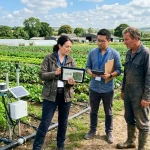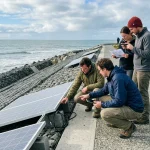
Imagine a world where rising sea levels and extreme weather displace entire island communities, turning vibrant cultures into memories. Supporting climate change recovery efforts for these islands is not just an act of generosity; it’s a global responsibility. As we witness dramatic shifts in weather patterns-like the unprecedented ocean warming and marine heatwaves reported in 2024-it’s clear that the impact of climate change transcends borders, affecting us all. By helping to fund the recovery and resilience of island nations, we protect diverse ecosystems and livelihoods, ensuring that future generations can thrive. Join us as we explore the critical reasons and strategic actions we can take to support these vulnerable communities, shifting from sympathy to proactive solutions that benefit our shared planet. Your engagement in this cause could transform lives-both locally and globally.
Why Supporting Climate Change Aid for Islands Matters
The impacts of climate change are felt acutely in island nations, where entire ecosystems and communities are threatened by rising sea levels, extreme weather events, and biodiversity loss. Supporting climate change aid for these vulnerable regions is not just a moral imperative but a necessary global responsibility. Island nations, despite contributing minimally to global carbon emissions, are among the first to bear the brunt of climate impacts. For instance, the Pacific Islands are witnessing unprecedented sea-level rise that could submerge communities and displace populations. As such, our engagement in climate aid not only serves to rectify this imbalance but also fosters resilience and sustainability in these communities.
Mobilizing Resources for Resilience
Investing in climate change aid helps provide crucial resources for island nations to adapt to their changing environments. This includes funding for the development of sustainable infrastructure, disaster preparedness programs, and ecologically sound agricultural practices. Initiatives such as these not only shield communities from immediate threats but also contribute to their long-term resilience against climate shocks. For example, innovative projects in Caribbean nations have utilized funding to build seawalls and enhance mangrove restorations, which serve as natural barriers against storm surges while supporting local ecosystems.
Global Impacts of Local Action
The interconnectedness of our global ecosystem means that aiding island nations in their fight against climate change has broader implications for all. Healthy island ecosystems contribute significantly to global biodiversity and play a vital role in carbon sequestration. When these ecosystems are protected, they help mitigate global warming effects, benefiting every part of the planet. Therefore, through robust support for island climate aid, richer nations can not only fulfill their ethical commitments but also invest in a more stable and sustainable future for all.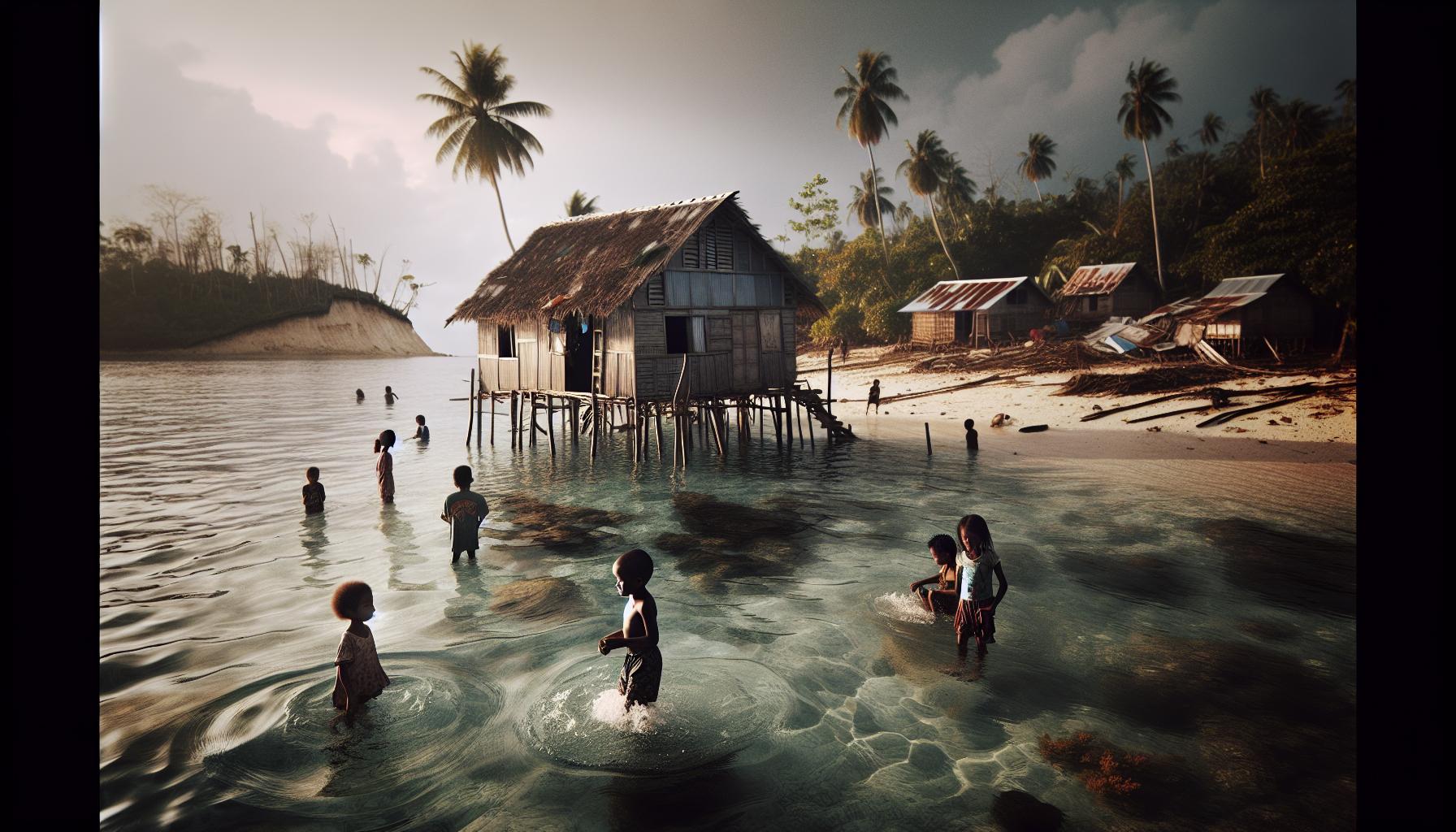
The Urgent Reality of Climate Change for Island Nations
Rising sea levels threaten to engulf entire coastal communities in island nations, a dire reality underscored by recent projections that suggest some islands may be uninhabitable within decades. For places like the Maldives and Tuvalu, where the highest points barely reach above sea level, survival depends largely on international assistance and climate change aid. Despite contributing less than 1% of global CO2 emissions, these nations face existential threats from climate change, including intensified storms, increased flooding, and saltwater intrusion, jeopardizing freshwater resources and agricultural systems.
The urgency of this situation calls for immediate action. Without significant investment in climate adaptation strategies such as building resilient infrastructure and improving disaster response capability, many island nations could experience devastating economic impacts. For example, the World Bank estimates that natural disasters could push an additional 100 million people worldwide into poverty by 2030, with island nations being disproportionately affected. Supporting projects that strengthen local economies and communities is not merely an act of goodwill; it is essential for global stability and security.
A paradigm shift in funding approaches is needed to ensure that aid effectively reaches those most in need. Innovative financing mechanisms, such as climate bonds and green grants, can provide essential resources to develop sustainable practices and technologies. Collaborations with local governments and organizations can lead to tailored solutions that address specific vulnerabilities, enhancing the overall resilience of these communities. It is vital for wealthier nations to recognize that their long-term interests are intertwined with the health of island ecosystems. Successful adaptation and mitigation efforts in these regions will help curb the global impacts of climate change and foster a more harmonious balance between environmental sustainability and economic development.
In conclusion, the plight of island nations is not an isolated issue; it is a clarion call for unified global action. Investing in their resilience to climate change aids not only those communities but contributes to a healthier planet. By providing targeted support and innovative funding solutions, we can help build a future where island nations thrive despite the challenges posed by climate change.
Measuring the Economic Impact of Climate Damage
The economic ramifications of climate damage in island nations present a stark reality that cannot be ignored. For instance, some studies estimate that if sea levels rise as projected, the economic losses for island nations could reach up to $1 trillion by 2050, significantly affecting local economies that rely heavily on tourism, fisheries, and agriculture. Coastal and low-lying regions are particularly vulnerable, suffering not only from physical damage to infrastructure but also from long-term impacts on livelihoods and economic stability.
One practical step to measure the economic impact involves assessing the vulnerabilities of main sectors. The tourism industry, a major economic driver for many islands, faces immediate threats from increased storm activity and beach erosion. A mere increase in the frequency of tropical storms can deter tourists, leading to decreased revenue which, in turn, affects government spending on essential services. To illustrate, following Hurricane Dorian in 2019, the Bahamas saw its tourism revenue drop by a staggering $800 million, demonstrating the cascading effects of climate-related events.
To better understand these impacts, it’s crucial to gather data on key indicators that reflect economic health before and after climate events. This includes monitoring changes in GDP, employment rates in vulnerable sectors, and overall fiscal health. Comparative analysis might reveal trends in recovery or deterioration, which can guide funding decisions and highlight effective adaptation strategies. For example, investing in resilient infrastructure not only mitigates damage but can also stimulate job creation in the construction sector.
Building on this data is essential for creating targeted interventions. Collaborative efforts between international organizations and local governments can facilitate customized solutions, enabling communities to withstand climate shocks. Funding programs that focus on building local capacities, such as climate-smart agriculture or eco-tourism initiatives, are vital in crafting a robust economic framework that thrives amidst environmental challenges. Ultimately, by measuring and understanding the economic impact of climate damage, stakeholders can align resources effectively, ensuring that support reaches those who need it most.
Global Responsibility: Why Wealthier Nations Should Help
The escalating climate crisis has illustrated that no nation is immune from its impacts, yet the burden disproportionately falls on island nations. These regions, often characterized by their limited resources and heightened vulnerabilities to climate change, face existential threats from rising sea levels, hurricanes, and the degradation of their natural environments. As the Intergovernmental Panel on Climate Change (IPCC) reports indicate, lower-income countries, specifically small island developing states (SIDS), experience climate-related damages far exceeding their economic capacities. Consequently, wealthier nations have a moral and pragmatic obligation to provide support and funding to aid in their adaptation and resilience strategies.
Investing in climate adaptation for island nations is not merely an act of charity; it is a global responsibility that addresses interconnected challenges. The economic ramifications of climate change are vast-projected economic losses for island nations could reach $1 trillion by 2050. Supporting these nations can yield far-reaching benefits, helping to stabilize global markets and reduce the cascading effects of climate-induced migration and unrest. For instance, maintaining the economic viability of island nations reliant upon tourism-such as the Maldives-can ensure continued revenue not only for these countries but also for global industries that rely on travel and interconnected supply chains.
Wealthier nations can mobilize resources effectively through multifaceted approaches. One potential strategy could involve fostering partnerships with local governments to develop tailored programs that enhance community resilience. Such initiatives might include:
- Investing in renewable energy projects to reduce dependency on imported fossil fuels.
- Supporting sustainable fisheries practices to enhance food security.
- Implementing eco-tourism models that protect natural ecosystems while generating revenue.
By investing in targeted aid and applying innovative funding mechanisms, richer countries can play a crucial role in stabilizing vulnerable communities. For instance, the Green Climate Fund has shown how international cooperation can mobilize necessary financing for impactful projects. Each dollar invested can create a multiplier effect, driving local development while attenuating the impacts of climate change.
In essence, supporting island nations in their fight against climate change not only upholds a principle of global solidarity but also serves the broader interests of a resilient global economy. Prioritizing these efforts ensures that we can address the challenges posed by climate change in a comprehensive manner, fostering a shared future where prosperity and ecological sustainability coalesce.
Understanding the Unique Challenges Faced by Islands
The rich tapestry of island nations, known for their breathtaking beauty and vibrant cultures, masks an urgent reality: these regions face unique and severe challenges exacerbated by climate change. Islands, particularly small island developing states (SIDS), are on the frontline of climate impacts, battling issues like rising sea levels, extreme weather events, and the existential threat of habitat loss. For instance, the Pacific Islands are experiencing unprecedented ocean warming, which leads to not only heightened weather-related disasters but also coral bleaching that decimates marine ecosystems crucial for local livelihoods and biodiversity [[2]].
Geographically isolated, many island nations grapple with limited resources and infrastructures that are ill-equipped to handle the escalating repercussions of climate changes. The reliance on tourism, which often constitutes a major portion of their economies, makes them particularly vulnerable to the effects of climate change, such as natural disasters that can decimate tourist infrastructure and harm the very ecosystems that attract visitors in the first place. The economic toll projected for these nations, which might reach up to $1 trillion by 2050, underscores the urgent need for external support to bolster their resilience against these accelerating changes [[3]].
Moreover, the societal impacts of climate change are profound; island communities often possess deep cultural ties to their land and seas, making adaptation not just a physical challenge, but also an emotional and cultural one. As these communities face displacement due to surging waters and environmental degradation, the loss of ancestral lands threatens not only their livelihoods but also their identities and heritage. Therefore, funding and support are not just financial decisions but moral imperatives that acknowledge the unique challenges faced by these vulnerable populations.
To address these circumstances effectively, collaborative strategies are essential. Engaging local voices in the planning and implementation of climate initiatives ensures that solutions are culturally relevant and sustainable. Supporting capacity building in local governments and communities can empower island nations to innovate and adapt in meaningful ways. For example, partnerships focused on renewable energy development can reduce dependence on imported fossil fuels, enhancing both resilience and economic self-sufficiency. Through strategic investments and active international cooperation, we can help bridge the gap and amplify the spirit of solidarity in the fight against climate change for island nations.
Case Studies: Successful Funding Initiatives
Island nations are increasingly relying on innovative funding initiatives to combat the drastic effects of climate change, illustrating successful models that could inspire similar efforts worldwide. For example, the Green Climate Fund (GCF), established under the UN Framework Convention on Climate Change, has provided significant resources for sustainable development projects in vulnerable regions. In the Caribbean, the GCF has supported climate-resilient infrastructure initiatives aimed at protecting coastal communities from rising sea levels and hurricanes. One noteworthy project is the Integrated Climate Resilience Project in Dominica, which integrates disaster risk management into the planning and construction of public infrastructure, helping to safeguard local communities from extreme weather events.
Similarly, the Adaptation Fund, which finances projects in countries vulnerable to climate change, has helped the Pacific Islands enhance their adaptive capacity. In Fiji, for instance, funding directed towards sustainable land management practices has enabled farmers to implement resilient agricultural techniques that conserve water and soil, promoting food security even in the face of severe droughts. The project has also engaged local farmers in decision-making processes, ensuring that solutions are tailored to their unique environmental contexts and cultural traditions.
Another inspiring example comes from the World Bank’s Pacific Resilience Program, which co-finances investments in infrastructure to strengthen disaster resilience. In Samoa, this initiative facilitated the restoration of both coastal and inland ecosystems by investing in mangrove replanting alongside community-led education programs on the importance of these natural barriers. Such efforts not only protect coastal communities from storm surges but also revive local wildlife habitats.
These case studies underscore the importance of collaborative funding initiatives that engage local communities in the adaptation process. By fostering partnerships between governments, international organizations, and local actors, these funding models pave the way for sustainable development strategies that not only address immediate climate impacts but also empower communities to thrive in the long term. As demonstrated by these initiatives, strategic investments in climate resilience can yield positive socio-economic and environmental returns, emphasizing the critical role of global support for island nations disproportionally affected by climate change.
Building Resilience: How Funding Supports Local Adaptation
Despite contributing little to global carbon emissions, island nations are disproportionately experiencing the stinging effects of climate change, with rising sea levels and extreme weather challenging their very existence. This urgency has sparked innovative funding initiatives that empower these communities to adapt and build resilience against natural disasters. Funding for local adaptation is not just about environmental survival; it encompasses socio-economic stability, safeguarding livelihoods, and preserving cultural heritage.
Local Community Engagement
Efficient funding models often prioritize local involvement, recognizing that solutions must be tailored to the unique environmental and social contexts of island nations. For example, in the Maldives, community-led initiatives funded by international partners have focused on reforesting mangroves which serve as natural barriers against storm surges. This not only protects coastal properties but also restores habitats for marine life, fostering a sustainable local economy through eco-tourism and fisheries.
- Community-led decision-making: Engaging local populations in project planning ensures that their needs and traditional knowledge shape the adaptation strategies.
- Capacity building: Funding often includes training programs that equip residents with skills to manage and operate new technologies and practices, enhancing local expertise.
- Long-term investment: Sustainable funding strategies help communities implement projects that offer enduring benefits rather than temporary fixes.
Strategic Allocations and Collaboration
Collaboration between governments, non-governmental organizations, and international bodies is critical for effective funding distribution. The Green Climate Fund, for instance, supports numerous projects that enhance resilience across vulnerable regions by integrating risk management into infrastructure development. An illustrative case is the investment in solar power systems in Tuvalu, which reduces reliance on imported fossil fuels, thereby cushioning households from the economic shocks of climate-induced disruptions.
Real-World Impact
The Humanitarian-Development-Peace Nexus approach adopted in many funding initiatives fosters resilience not only through immediate climate solutions but also by addressing underlying vulnerabilities. This interconnectedness is exemplified in the Philippines, where funding aimed at disaster preparedness also includes educational components that teach communities how to respond effectively to typhoons, thus saving lives and reducing recovery costs.
By channeling funds into localized adaptation strategies, we not only tackle immediate climate impacts but also bolster community resilience for generations to come. Each of these initiatives underscores the vital role of funding in enabling island nations to safeguard their futures in an era of climate uncertainty.
The Role of International Organizations in Climate Aid
The alarming reality facing island nations due to climate change demands a robust international response, leveraging the expertise and resources of international organizations. These entities play a critical role in mobilizing financial aid and technical support tailored to the unique challenges confronting these vulnerable regions. With rising sea levels and an increase in extreme weather events, island nations require immediate assistance that these organizations are well-positioned to provide.
International organizations, such as the World Meteorological Organization (WMO) and the Green Climate Fund, function as pivotal connectors between donor nations and affected communities. They establish frameworks for effective climate adaptation and resilience-building initiatives. For instance, the WMO’s reports on climate impacts, including unprecedented ocean warming and record sea-surface temperatures, highlight the urgent climate realities that island nations face, thus catalyzing funding from wealthier nations focused on alleviating these pressures [[1]](https://wmo.int/publication-series/state-of-climate-south-west-pacific-2024). By synthesizing data and relaying the dire situations in specific locales, these organizations create a compelling case for funding that addresses both immediate needs and long-term climate strategies.
Furthermore, collaboration among international organizations, local governments, and NGOs facilitates a more effective allocation of resources. This cooperation enhances project viability through shared knowledge and capacity building. For example, in Pacific island nations, initiatives supported by international agencies have focused on renewable energy projects, which not only mitigate reliance on fossil fuels but also promote energy independence and sustainability. Through programs that train local populations in both low-carbon technologies and sustainable practices, community resilience is dramatically strengthened.
Ultimately, the work of international organizations in climate aid for island nations not only promotes immediate recovery and adaptation but also embodies a commitment to global responsibility. By addressing the needs of those most affected by climate change, these organizations help ensure that resilience is not a mere possibility for island communities-it becomes a reality. Such collaborative efforts exemplify how investment in climate solutions can yield both environmental and social dividends, ensuring the survival and flourishing of island cultures amidst the growing threats posed by climate change.
Funding Climate Change: Innovative Solutions and Strategies
Island nations are at the frontline of climate change, witnessing firsthand the devastating impacts of rising sea levels and increased frequency of extreme weather events. To effectively address these challenges, innovative funding strategies are critical. One of the most effective approaches is the development of blended finance models that leverage both public and private capital to invest in climate adaptation projects. These models can pool resources, allowing for larger investments that are less susceptible to the limitations of traditional funding sources. For example, collaborations between governments, international organizations, and private sector entities can create investment opportunities that are attractive to institutional investors, thus broadening the financial base for crucial climate projects.
Community-Driven Initiatives
Another innovative strategy is the implementation of community-driven funding initiatives. These programs empower local populations to identify their specific needs and priorities, ensuring that the funding is applied where it will be most effective. By involving communities directly in the planning and execution of projects, these initiatives can enhance resilience while fostering a sense of ownership and responsibility among locals. A notable example is the Small Island Developing States (SIDS) initiative, where funds are directed to projects like sustainable tourism, which not only address climate resilience but also provide economic benefits to the community.
Harnessing Technology
Technology also plays a critical role in innovative funding solutions. The use of digital platforms allows for better transparency and monitoring of funds allocated for climate initiatives. Crowdfunding platforms can mobilize small donations from individuals around the world to support specific projects in island nations, creating a global community of stakeholders invested in their success. Additionally, innovations like blockchain technology can enhance traceability in funding, ensuring that resources are utilized effectively and reducing corruption risks.
Global Solidarity Programs
Lastly, establishing global solidarity programs can create a atmosphere of mutual support among nations grappling with climate impacts. These programs can range from debt-for-nature swaps, where a portion of a country’s debt is forgiven in exchange for commitments to fund ecological restoration, to more comprehensive climate risk insurance schemes. For instance, the Caribbean Catastrophe Risk Insurance Facility allows Caribbean nations to access immediate funds following a natural disaster, helping them respond swiftly and efficiently.
By adopting these innovative strategies, funding for climate change mitigation in island nations can be effectively mobilized, ensuring not only survival but a thriving future for these vulnerable communities. The responsible investment of resources will ultimately contribute to a more resilient global society, fostering sustainability and equitable growth for all.
Community Voices: The Human Cost of Inaction
The stories emerging from island nations affected by climate change tell a stark reality: inaction has a profound human cost. Over the past few decades, small island developing states (SIDS) have faced unprecedented challenges. For instance, families in the Maldives have been dislocated due to increasingly frequent flooding, transforming entire communities and erasing cultural landmarks that have stood for generations. It’s not just about lost homes; it’s about uprooting lives, severing familial ties, and diminishing the ties that bind communities, from cultural practices to language.
These communities are confronting the dual burden of rising sea levels and extreme weather events, which threaten their livelihoods and well-being. The fishing industry, often the backbone of island economies, is now at risk. When storms destroy boats or coral reefs die due to warming ocean temperatures, fishermen face more than just economic downturn; they face food insecurity and a loss of identity. When people are forced to abandon their traditional ways of life, the essence of their cultural heritage dissipates, leading to psychological impacts that erode social stability.
International assistance is not charity; it represents a moral and ethical responsibility. Wealthier nations must recognize that climate change is a global crisis demanding a collective response. The investment into climate resilience measures is necessary-not only to avert further humanitarian crises but also to foster partnerships that respect the rights and dignity of those affected. Programs that channel funding towards infrastructure, community health, and sustainable practices help mitigate these impacts, enabling communities to adapt and recover.
Communication and awareness are essential facets of driving support. Global solidarity programs that amplify the voices of those impacted can bridge knowledge gaps, encouraging dialogue on sustainable funding solutions. Initiatives highlight success stories-such as community-led reforestation projects in Fiji that have restored local ecosystems while empowering residents-creating models for others to emulate. This holistic approach can inspire a broader audience to engage in the fight against climate change, transforming despair into action. As we invest in these vulnerable populations, we not only aid their resilience but enrich our shared global narrative towards a sustainable future.
Lessons Learned: Effective Approaches to Climate Funding
The ongoing climate crisis has made it clear that the consequences of inaction extend far beyond environmental degradation; they can disrupt entire economies and dismantle communities, especially in vulnerable island nations. It’s essential to recognize that effective climate funding strategies not only bolster resilience but also serve as vital lessons for future initiatives. For example, utilizing a blend of financial instruments, including grants, loans, and insurance mechanisms, can create a diversified funding landscape that responds flexibly to the unique needs of each island community. Nations and organizations that incorporate local expertise into their planning often see greater success in project implementation and community engagement.
One effective approach has been the incorporation of community-driven projects where funding is directed towards initiatives that are designed and managed by local populations. This model has demonstrated that when communities have ownership over their adaptation strategies, they are more likely to ensure sustainability and foster broader participation. In Fiji, community-led reforestation efforts not only restored essential habitats but also engaged locals in training sessions, promoting both environmental stewardship and economic opportunities through ecotourism and sustainable forestry practices.
Furthermore, transparent monitoring and evaluation (M&E) systems are crucial in measuring the impact of climate funding. Establishing clear metrics allows both donors and local communities to track progress, ensuring that funds are used effectively. For instance, the Green Climate Fund has put emphasis on developing M&E frameworks that empower recipient countries to assess the long-term outcomes of funded projects, fostering accountability and learning. This data-driven approach enables adaptive management practices, where strategies can be refined continuously based on real-world performance.
Lastly, international collaboration is essential; sharing knowledge and best practices between countries can amplify the positive effects of funding. Initiatives like the Global Climate Change Alliance have provided platforms for dialogue and partnership, allowing countries to learn from one another’s experiences and innovations in the realm of climate resilience. By harnessing collective insights and fostering a spirit of cooperation, nations can better face the complex challenges of climate change together.
By understanding and implementing these effective strategies, we can not only address the immediate needs of island nations but also create a sustainable framework for future initiatives. Investing in these lessons ensures that climate funding not only provides a safety net but also uplifts communities, preserving their culture and livelihoods as they adapt to a changing environment.
Future Prospects: What’s Next for Island Climate Aid
The stakes for island nations in the face of climate change are staggering; many are on the frontline of ecological crisis, confronting rising sea levels, more intense storms, and shifting weather patterns. With these communities at such high risk, concerted efforts in climate aid are not just a moral obligation for wealthier nations but a practical necessity for global stability. As we move forward, realizing equitable funding mechanisms will be crucial for empowering these islands.
To optimize climate aid, it is vital to harness innovative financing methods. Blending traditional funding with novel mechanisms such as green bonds or carbon credits can create a robust financial framework. For example, anticipating future costs related to climate impacts can encourage investments in preventive measures today, ensuring that funds are not just a response to crises but a proactive shield against potential damages. Countries like the Maldives are exploring such strategies by developing bonds linked to climate adaptation projects, aiming to draw investment while tackling immediate challenges.
Collaboration among international organizations is another avenue for sustaining climate aid to island nations. By sharing best practices and successful models of funding, entities like the Green Climate Fund and the World Bank can help create scalable solutions. For instance, the Caribbean Development Bank has been active in tailoring its resources to meet specific island needs, focusing on integrated disaster risk management which not only addresses immediate threats but also builds long-term resilience.
Finally, incorporating community voices into the decision-making process ensures that aid is impactful and relevant. Funding local initiatives that engage indigenous knowledge and practices can foster more sustainable and accepted solutions. For instance, in Tonga, funding has successfully supported local permaculture projects that not only enhance food security but also strengthen community bonds in an era of uncertainty.
As we look to the future, a multi-faceted approach to climate aid-blending innovative financing, international cooperation, and community engagement-will be essential in enabling island nations to overcome the challenges posed by climate change and thrive in an uncertain world.
Frequently Asked Questions
Q: Why is it important to fund climate change damage in island nations?
A: Funding climate change damage in island nations is crucial because these areas are highly vulnerable to rising sea levels and extreme weather. Supporting them helps mitigate their economic losses, promotes environmental resilience, and upholds global equity. By aiding island nations, we contribute to global sustainability efforts and protect biodiversity.
Q: What are the consequences of failing to support island nations affected by climate change?
A: Failing to support island nations leads to increased poverty, displacement of communities, and loss of cultural heritage. Economically, it can result in significant losses for global trade and tourism. Ultimately, inaction exacerbates global instability and environmental degradation, impacting everyone.
Q: How can individual contributions help fund climate change aid for islands?
A: Individuals can make a significant impact by donating to reputable organizations focused on climate aid. Engaging in advocacy, spreading awareness, and participating in community fundraising are also effective ways to support island nations in addressing climate challenges.
Q: What innovative funding solutions exist for climate adaptation in island nations?
A: Innovative funding solutions include green bonds, climate insurance schemes, and partnerships with private sectors. Programs like crowdfunding and digital platforms also facilitate direct contributions from global citizens, making it easier to fund initiatives that enhance local resilience.
Q: How do wealthier nations benefit from funding climate change relief for island nations?
A: Wealthier nations benefit by fostering stable, resilient allies that can contribute to global security and economic stability. They also reduce potential mass migrations and the associated political tensions, ensuring a more sustainable international environment.
Q: What specific challenges do island nations face in combating climate change?
A: Island nations face unique challenges, such as limited resources, geographic isolation, and heavy reliance on tourism. These factors make it difficult to implement comprehensive climate adaptation strategies, necessitating external support to build resilient infrastructure and ecosystems.
Q: How can international organizations play a role in funding climate aid?
A: International organizations can mobilize resources and coordinate efforts across countries to ensure effective distribution of funds. They facilitate partnerships, provide technical assistance, and develop frameworks that make funding more accessible for island nations facing climate challenges.
Q: When is the best time to support climate funding initiatives for islands?
A: The best time to support climate funding initiatives is now, as many island nations are already experiencing the acute impacts of climate change. Timely support can facilitate immediate action and long-term planning, ensuring these communities are better prepared for future challenges.
Wrapping Up
As we reflect on the urgent need to help fund climate change damage for islands facing unprecedented threats, remember that your contribution can make a tangible difference. By supporting these vulnerable communities, you’re not just aiding recovery; you’re investing in a sustainable future that benefits us all. Let’s act now-donate today and stand with those who are on the front lines of climate change.
Looking for more ways to get involved? Check out our articles on climate resilience and learn how you can amplify your impact through community organizing or education. Don’t forget to subscribe to our newsletter for ongoing updates on climate initiatives and opportunities to lend your voice. Together, we can foster a culture of responsibility and resilience-your support matters!
Join us in this journey to address not just the symptoms, but the root causes of climate change. Explore resources on global climate trends and discover how individual actions create a ripple effect. Your engagement fuels our mission-let’s work together for a healthier planet.
Get our latest guides, news, and insights highlighted in your Google Search & AI Overviews.