Did you know that snow leopards, iconic symbols of the mountainous regions of Asia, are now facing unprecedented threats from climate change? As global temperatures rise and weather patterns shift, these majestic creatures struggle to adapt in a rapidly changing habitat. With their population dwindling, understanding how climate change impacts snow leopards is essential not only for their survival but also for maintaining the delicate balance of their ecosystems. This article will explore the cascading effects of climate change on snow leopards, revealing the pressing challenges they face and the solutions that can empower us to protect them. By delving into this critical issue, we can foster a deeper connection to these formidable felines and inspire action to conserve their future in our shared world.
How Climate Change Impacts Snow Leopard Habitats
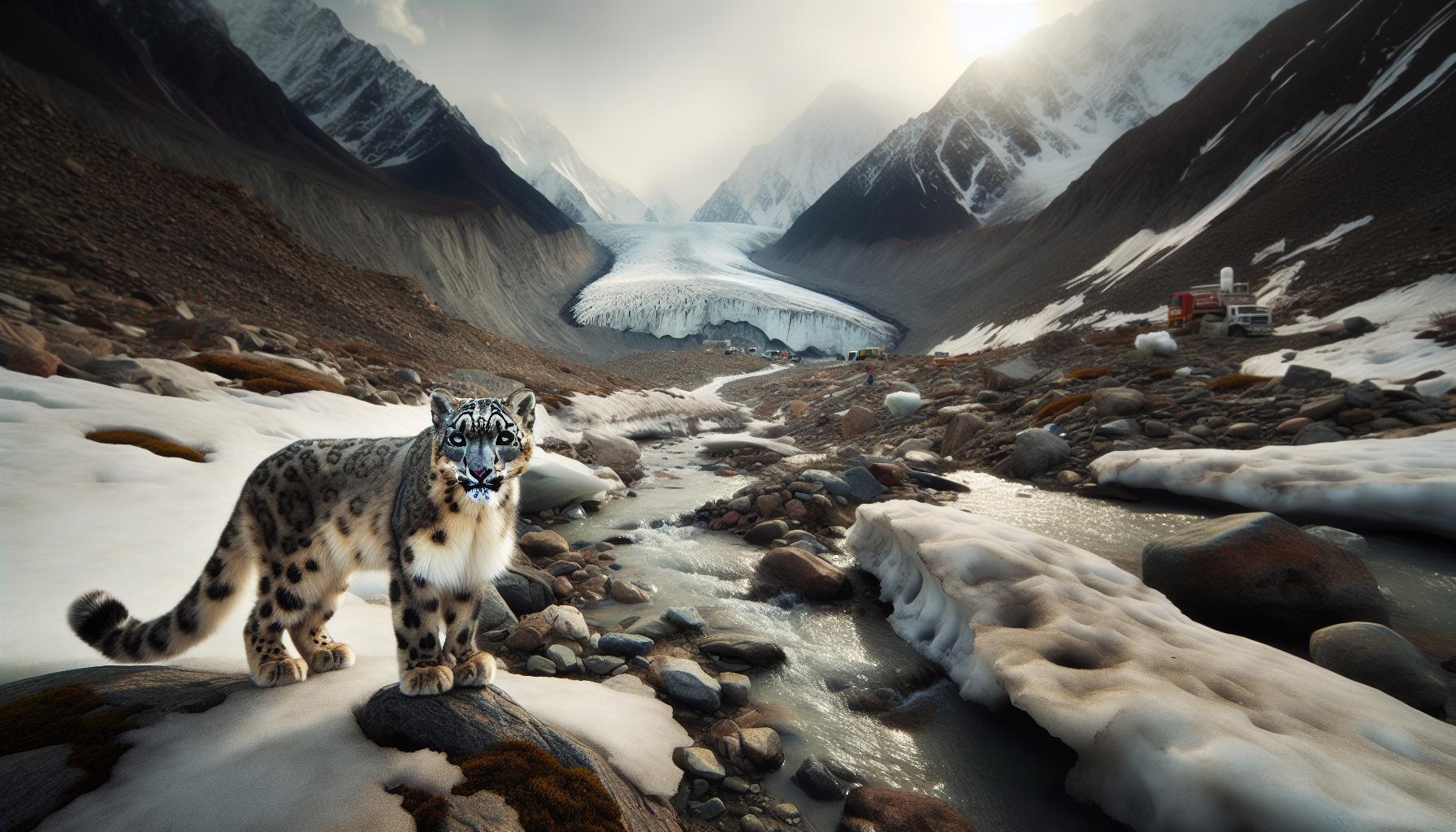
As climate change accelerates, it has profound implications for the unique and fragile habitats of snow leopards, the iconic big cats of the high mountain ecosystems in Central and South Asia. Snow leopards thrive in cold, mountainous regions, reliant on specific environmental conditions, including stable snowfall and a healthy ecosystem of prey. However, rising temperatures are disrupting these delicate habitats, leading to accelerating glacial melt and shifting weather patterns that could spell disaster for these majestic creatures.
The melting of glaciers and seasonal snowpack is particularly concerning. These natural resources serve as fresh water reservoirs, supporting local ecosystems and the wildlife that inhabit them. With glacial retreat, snow leopards face not only a loss of water supply but also a reduction in prey availability. As herbivores like ibex and blue sheep migrate to higher pastures in search of cooler temperatures and more stable food sources, snow leopards are forced to follow. This increased competition over limited hunting grounds can lead to malnutrition and declining populations among these elusive predators.
Additionally, habitat fragmentation becomes a pressing issue as climate change alters landscapes. As vegetation zones shift upward, the suitable habitats for snow leopards may become increasingly isolated, hindering their ability to disperse and find mates. This isolation could lead to reduced genetic diversity, making populations more vulnerable to disease and environmental changes. The very fabric of the ecosystems that snow leopards depend on is unraveling, creating a feedback loop of habitat loss and declining prey populations.
To combat these changes, conservation efforts must focus on maintaining ecological connectivity between fragmented habitats and implementing sustainable land-use practices that protect both snow leopards and their prey. Engaging local communities in conservation initiatives and educating them on the importance of these species can foster coexistence and encourage protective measures. By taking collective action and focusing on innovative, community-driven conservation strategies, we can help secure a future for snow leopards in an ever-warming world.
Understanding Snow Leopard Ecosystems
Snow leopards roam the rugged and remote high mountain ecosystems of Central and South Asia, living in an intricate web of ecological relationships that define their survival. These environments are not just their homes; they are dynamic systems influenced by climate, topography, and the presence of diverse flora and fauna. Central to is recognizing how these big cats rely on specific habitats that provide them both the shelter and the prey necessary for their survival.
Snow leopards inhabit alpine and subalpine regions, characterized by harsh climatic conditions. This ecosystem is marked by rocky terrain, steep cliffs, and sparse vegetation that is uniquely adapted to endure extreme weather. The primary prey species, such as ibex, blue sheep, and various rodents, thrive in these environments, forming a balance that supports the needs of both predator and prey. The health of snow leopard populations is deeply intertwined with the availability and distribution of these herbivores, which, in turn, depends on the stability of their habitat and the impacts of climate change.
As climates warm and precipitation patterns shift, the delicate balance within these ecosystems is threatened. Changes in snowfall and glacial melt directly affect the hydrogeology of the region. Snowmelt nourishes the streams and valleys that sustain the delicate ecosystems snow leopards rely on. An increasing frequency of droughts or floods can disrupt these water sources, further stressing the habitat and the prey species. Ultimately, as their environment becomes increasingly inhospitable, snow leopards may find it progressively difficult to navigate their territories and hunt effectively.
Practical Strategies for Protecting the Ecosystem
In light of these challenges, proactive conservation strategies are essential. Here are some approaches to support snow leopard ecosystems:
- Habitat Protection: Establish and maintain protected areas to safeguard critical habitats from development and human encroachment.
- Restoration Projects: Implement restoration initiatives aimed at rehabilitating degraded lands and improving vegetation cover.
- Sustainable Practices: Encourage sustainable land-use practices among local communities to minimize habitat fragmentation and promote coexistence.
- Monitoring and Research: Conduct ongoing research to monitor the impacts of climate change on both snow leopards and their prey, using these insights to inform conservation efforts.
This integrated approach not only aims to mitigate the effects of climate change but fosters a resilient ecosystem where snow leopards can continue to thrive amid a rapidly changing world.
Effects of Climate Change on Snow Leopard Behavior

As the climate transforms, snow leopards-those solitary and elusive mountain guardians-are experiencing significant behavioral changes that reflect the broader challenges posed by a warming world. Alterations to their environment, driven by rising temperatures and shifting weather patterns, compel these formidable predators to adapt, often in remarkable ways. For instance, because snow leopards rely heavily on seasonal snowfall to create the necessary conditions for hunting, a decrease in snow cover can result in shifts in hunting patterns and even reduced visibility of prey, which tends to stay in lower elevations when snow levels fluctuate.
This behavioral adjustment does not solely pertain to hunting. Snow leopards are being observed altering their migratory routes and territories, a response to the increasing scarcity of prey associated with climate change. With many prey species, such as ibex and blue sheep, also facing habitat changes, snow leopards may be forced to cover greater distances in search of sustenance. This increase in range not only affects their energy expenditure but also heightens their vulnerability to human-wildlife conflict, as they come into closer proximity with human settlements while following their prey.
Engaging local communities in conservation efforts can mitigate these changes. By fostering coexistence strategies, communities can help protect snow leopards as well as the delicate balance of their ecosystems. Innovative solutions such as livestock guarding dogs and community awareness programs can reduce livestock depredation, enabling snow leopards to thrive despite the ecological upheaval.
Moreover, research initiatives that closely monitor these behavioral shifts are critical. Understanding how climate impacts snow leopards’ hunting behaviors or migratory patterns will inform more effective conservation measures. For instance, tracking snow leopard movements through GPS collaring provides invaluable data that can reveal changes in their activity patterns based on weather conditions and prey availability.
In this rapidly evolving landscape, recognizing and addressing these behavioral adaptations can enhance our conservation efforts and ensure the survival of snow leopards in a warming world. By aligning scientific inquiry with practical strategies and community involvement, we can forge a path toward resilience for both the snow leopards and the ecosystems they inhabit.
Melting Glaciers and Water Scarcity for Snow Leopards
As glaciers melt at an unprecedented rate due to climate change, the resulting scarcity of water significantly impacts snow leopard habitats. The majestic snow leopards, which rely on these mountainous regions for their survival, face a dual challenge of diminishing water resources and altered ecosystems. Glaciers serve as crucial freshwater reservoirs, feeding into rivers and streams that sustain not only wildlife, but also entire communities. The decline in glacial mass has critical implications not just for wildlife, but for human populations that depend on consistent water supply in these arid regions.
The interconnectedness of snow leopards and their environment
Snow leopards thrive in high-altitude ecosystems where water availability shapes their habitat. As glaciers recede, the flow of these water bodies becomes erratic, leading to seasonal droughts that can severely affect both the snow leopards and their prey. Prey species, such as ibex and blue sheep, also face heightened vulnerability as their natural drinking sources dry up, forcing them to move and compete in different areas. This displacement can disrupt predator-prey relationships and lead to food scarcity that further stresses snow leopard populations.
Strategies for Adaptive Management
Effective conservation strategies are essential to mitigate these impacts. Here are some actionable steps that can be adopted:
- Water Resource Management: Communities and conservationists can implement water conservation initiatives-such as rainwater harvesting and sustainable irrigation practices-to ensure that both wildlife and local populations have access to water.
- Wildlife Corridors: Establishing wildlife corridors can help connect fragmented habitats, allowing snow leopards and their prey to safely traverse areas impacted by water scarcity and human encroachment.
- Climate Resilience Research: Continued research into the effects of climate change on snow leopards and their ecosystems can offer valuable data to inform policy and adapt conservation measures based on changing environmental conditions.
Community Engagement and Education
Engaging local communities is also crucial. By educating residents on the importance of preserving glacial ecosystems and the implications of water scarcity, communities can be partners in conservation efforts. Programs that promote coexistence, coupled with community-led ecotourism initiatives, can provide economic incentives to protect habitats rather than exploit them.
In a future where climate change is escalating, innovative solutions aligned with community needs and wildlife protection are essential. As stewards of their environments, proactive measures taken today can help ensure that snow leopards continue to roam the earth, even as their icy habitats change and evolve.
Impact of Habitat Loss on Snow Leopard Populations
The loss of habitat due to climate change poses a significant threat to snow leopard populations, further compounding the challenges these majestic animals face in their already fragile ecosystems. As temperatures rise, the alpine and subalpine zones that snow leopards depend on are shrinking, forcing these solitary predators into smaller, fragmented spaces. This habitat reduction not only limits their roaming territory but also severely impacts their ability to find prey and establish territories, crucial for their survival and reproduction.
In mountainous regions affected by climate change, the typical patterns of vegetation shift, which can displace prey species such as ibex and blue sheep. When these prey animals relocate or decline in number due to habitat loss, snow leopards are faced with direct food scarcity. Additionally, the fragmentation of their habitats due to increasing human encroachment-like agriculture and infrastructure development-further exacerbates the problem. As snow leopards become isolated in pockets of their former territory, the risk of inbreeding increases, which can lead to a decrease in genetic diversity. This genetic bottleneck threatens the long-term viability of snow leopard populations, potentially reducing their resilience against diseases and environmental changes.
To combat the adverse effects of habitat loss, several conservation strategies can be embraced:
- Establishment of Protected Areas: Creating and enforcing protected areas where snow leopards can roam without human interference ensures critical habitats are preserved.
- Restoration of Degraded Areas: Implementing rehabilitation initiatives can restore degraded lands, making them suitable for both snow leopards and their prey.
- Community-Based Conservation: Engaging local communities in conservation efforts helps ensure that sustainable practices are adopted, balancing human needs with wildlife preservation.
A focused approach towards understanding and mitigating habitat loss is vital to ensuring the survival of snow leopards. Through concerted global and local efforts, we can safeguard these iconic cats and their mountainous homes against the rising threats propelled by climate change. By fostering awareness and proactive action, we can contribute to the resilience of snow leopard populations and maintain the ecological balance in their environments.
The Role of Climate Change in Prey Dynamics
The delicate balance of snow leopard ecosystems relies heavily on the availability and dynamics of prey species, which are increasingly influenced by climate change. As temperatures rise and precipitation patterns shift, the habitats of key prey animals, such as ibex and blue sheep, are being altered. These shifts not only affect the location of these species but also their population dynamics and behaviors, ultimately impacting the snow leopards that depend on them for survival.
When climate change leads to alterations in vegetation patterns-such as the encroachment of lower-elevation flora into alpine zones-prey species may either relocate to find suitable habitats or experience population declines due to habitat degradation. For example, as snow-covered regions diminish, prey animals are forced to migrate to areas with more suitable conditions, which might not be easily accessible to snow leopards. This migration can create food scarcity for snow leopards, particularly in regions where both predator and prey previously coexisted.
Moreover, changes in prey availability can affect snow leopard behavior and hunting strategies. With fluctuating prey populations, snow leopards might have to expend more energy to traverse larger areas in search of food, which can also lead to increased competition with other predators. Such pressures not only threaten their immediate survival but could also impact their reproductive success in the long term. In regions where prey populations are significantly reduced, we may also observe behavioral adaptations in snow leopards, as they might switch their hunting preferences to smaller or less common prey, which may further destabilize local ecosystems.
To address these challenges, incorporating adaptive management strategies in conservation initiatives is essential. This could involve monitoring prey populations and their habitat conditions more closely, as well as developing strategies to enhance habitat connectivity, allowing prey to migrate alongside changing climate conditions. Additionally, implementing community-based conservation efforts can help promote sustainable land practices that protect the habitats of both snow leopards and their prey, fostering a more resilient ecosystem in the face of climate change. Through proactive approaches, we can help maintain the intricate web of life that supports these elusive big cats while ensuring their habitats remain viable for future generations.
Conservation Efforts for Snow Leopards
Efforts to conserve the snow leopard, an iconic symbol of the high mountains, must adapt to the profound changes brought about by climate change. As snow leopards face pressures such as shrinking habitats and declining prey populations, conservation initiatives need to be both innovative and community-driven. One major strategy is the establishment of wildlife corridors that enhance habitat connectivity. This allows snow leopards and their prey to migrate in search of suitable environments, which is critical in an era marked by fluctuating climates.
Collaborative conservation programs are essential. Engaging local communities not only raises awareness but also fosters stewardship for these magnificent animals. Programs such as community-based conservation projects enable residents to participate in monitoring wildlife, protecting soil and water resources, and developing eco-tourism initiatives that provide alternative livelihoods. For instance, training local guides to promote sustainable tourism can create income while encouraging the protection of snow leopard habitats.
Using modern technology, such as camera traps and GPS collars, can greatly improve our understanding of snow leopard behavior and population dynamics. This data-driven approach allows conservationists to make informed decisions regarding habitat management and prey monitoring. Furthermore, it enhances understanding of how climate change is affecting snow leopard movements and behaviors, ensuring that adaptive management strategies can be implemented effectively.
Ultimately, a multifaceted approach that combines habitat protection, community involvement, and scientific research will be vital for the future of snow leopards. By implementing these solutions, we can work towards a sustainable future where snow leopards thrive despite the challenges posed by a warming world. Creating resilient ecosystems and fostering local partnerships is not just beneficial for snow leopards; it enriches biodiversity and strengthens communities.
Community Involvement in Snow Leopard Protection
Engaging local communities in the protection of snow leopards is not just a strategic choice; it’s a crucial necessity for ensuring the survival of this majestic species in an era of climate change. In regions where these magnificent creatures roam, communities often depend on the same ecosystems they inhabit. By fostering a sense of stewardship, conservation programs can transform local residents into advocates for snow leopards and their habitats. For example, community-led monitoring programs enable villagers to play an active role in observing wildlife, reporting changes, and reducing conflicts with livestock that can lead to retaliatory killing of snow leopards.
Successful initiatives often incorporate opportunities for sustainable income that are directly linked to conservation efforts. When communities see tangible benefits, such as income from eco-tourism or payment for ecosystem services, their commitment to protecting the environment deepens. Training local guides to lead eco-tours not only generates revenue but also creates a narrative of coexistence between people and wildlife. This change in mindset can significantly influence local attitudes towards snow leopards, shifting perceptions from competition for resources to shared guardianship of the mountains.
The involvement of communities extends to educating the next generation. Nursery schools, local organizations, and community workshops that teach children about wildlife conservation and the role of snow leopards in the ecosystem can instill a lasting respect for nature. As young people become informed advocates, they pave the way for future conservation efforts, creating a culture of preservation that reverberates through generations.
- Foster awareness through local schools about the ecological importance of snow leopards.
- Encourage local craftspeople to promote wildlife-themed art, connecting cultural heritage with conservation.
- Establish cooperatives that support sustainable practices, like herding methods that minimize loss to predators.
The collaboration between local communities and conservationists is fundamental to creating strategies that are not only effective but also culturally sensitive and sustainable. By leveraging the knowledge and skills of local populations, conservation initiatives can lead to an empowered community that is vital in combating the challenges that climate change poses to snow leopards and their habitats. In the fight for these elusive big cats, local communities are not mere participants; they are the frontline defenders in ensuring a future where snow leopards can thrive amidst a warming world.
Innovative Solutions for Climate Resilience
Innovative approaches to enhance climate resilience for snow leopards focus on integrating technology with traditional conservation practices, enabling communities to adapt to the rapidly changing environment. One promising strategy is the use of mobile applications and satellite technology to monitor snow leopard habitats and their prey. By collecting real-time data on animal movements and environmental changes, these tools help conservationists and local communities respond proactively to potential threats, such as habitat loss or human-wildlife conflict.
Investing in eco-friendly livelihoods is another key solution. By training local communities in sustainable tourism and conservation-based economic activities, such as handicrafts or organic farming, we can create alternative income streams that reduce reliance on potentially harmful practices. For instance, successful partnerships between NGOs and local artisans have led to the production of snow leopard-themed crafts, not only raising awareness about the species but also creating a financial incentive to protect their habitat.
Furthermore, the integration of community-based conservation initiatives has been vital. Group programs that combine traditional ecological knowledge with modern conservation techniques empower local populations to manage natural resources sustainably. Education plays a crucial role here. Workshops that educate communities about the importance of biodiversity and the specific needs of snow leopards foster a sense of stewardship and responsibility towards these majestic animals.
To strengthen these initiatives, ongoing funding and support from international organizations should be secured. This can include grants for conservation projects focused on habitat restoration or initiatives that promote biodiversity. Such investments can yield long-term benefits, ensuring that wildlife corridors remain intact and that snow leopards can adapt to the changing climatic conditions while maintaining healthy populations.
In summary, fostering innovation in conservation strategies, enhancing local economies through sustainable practices, and securing financial support are all critical steps in ensuring that snow leopards can thrive in a rapidly warming world. These multifaceted solutions not only address the immediate challenges posed by climate change but also promote resilience within the communities that coexist with these extraordinary big cats.
Case Studies: Successful Snow Leopard Conservation
In the face of climate change, innovative conservation strategies have emerged that demonstrate remarkable success in protecting the vulnerable snow leopard populations. One inspiring example is the Snow Leopard Trust, which has implemented community-based programs in Central Asia. By engaging local herders, the initiative helps to mitigate human-wildlife conflict through education and the establishment of community monitoring teams. These teams are trained to track snow leopard movements, ensuring that conservation efforts can be tailored to the specific needs of the species while also safeguarding livestock through the implementation of non-lethal deterrents like guard animals.
Another noteworthy case is found in Bhutan, where the government, in collaboration with NGOs, has launched a conservation program called “Snow Leopard Conservation in Bhutan”. This initiative integrates sustainable land management practices with ethnic community participation. Workshops educate villagers about the ecosystems in which they live, promoting practices that protect snow leopard habitats while also enhancing livelihoods through community tourism. The program has not only improved conservation outcomes but has also fostered a stronger sense of stewardship among local communities.
Furthermore, the “Snow Leopard Enterprises” program, established by the Snow Leopard Trust, showcases a successful model of eco-friendly livelihoods. By providing training and resources to local artisans, this initiative encourages the production of crafts and goods that are inspired by the snow leopard and its habitat. This not only raises global awareness about the species but creates alternative income streams for families, reducing their reliance on practices that could be detrimental to the snow leopard’s survival.
These case studies highlight the potential for successful conservation methods that resonate with both ecological and community needs. As climate change continues to threaten snow leopard habitats, adapting these collaborative frameworks can serve as powerful tools in ensuring the survival of this majestic species while maintaining the cultural fabric of the regions they inhabit. By leveraging local knowledge and fostering community involvement, we pave the way for a future where snow leopards can thrive even in a warming world.
Future Prospects for Snow Leopards in a Warming World
In a world increasingly impacted by climate change, the future of snow leopards hangs in a delicate balance. These majestic creatures, adapted to the harsh climates of mountainous regions, are facing unprecedented challenges as their habitats undergo significant transformations. As temperatures rise and weather patterns shift, snow leopards are not only at risk from habitat loss but also from the broader ecological disruptions that affect their prey and overall survival.
To ensure that snow leopards can thrive in the warming world, there are several key strategies and innovative approaches that can be adopted. Firstly, enhancing connectivity between protected areas is crucial. Creating wildlife corridors allows for safe passage for snow leopards and their prey, facilitating genetic diversity and stronger populations. Conservationists can work with local governments and communities to establish these corridors, integrating them into land-use planning to minimize conflicts with human activities.
Moreover, empowering local communities remains a cornerstone of effective conservation. By involving them in snow leopard protection efforts-such as ecotourism initiatives-local residents can benefit economically while safeguarding their natural heritage. These programs not only incentivize conservation but also foster a sense of ownership and stewardship among the communities directly impacted by wildlife conservation.
Incorporating traditional knowledge into conservation practices can also yield remarkable benefits. Engaging indigenous populations who have lived in harmony with their environments for generations can provide insights into sustainable land management and adaptable practices that bolster both human and wildlife resilience. By recognizing the value of local wisdom, conservation efforts can become more culturally relevant and effective.
Lastly, there’s an urgent need for ongoing research and monitoring to better understand the changing dynamics affecting snow leopards and their habitats. This includes tracking environmental changes and their impacts on prey populations and snow leopard behavior. Data-driven approaches can provide essential knowledge for adaptive management-allowing conservation strategies to evolve in real-time as climate conditions change.
By combining these strategies with informed optimism and a commitment to collaboration across sectors, we can pave the way for a future where snow leopards not only survive but thrive despite an ever-warming world. The road ahead may pose significant challenges, but with strategic, community-centered conservation practices, we can foster resilience for both snow leopards and the ecosystems they inhabit.
FAQ
Q: How does climate change affect snow leopard reproduction?
A: Climate change disrupts snow leopard reproduction by altering habitat conditions and prey availability. Warmer temperatures can lead to earlier springs, affecting breeding cycles and cub survival rates. Conservation efforts must prioritize habitat preservation to support successful reproduction.
Q: What specific habitat changes impact snow leopards due to climate change?
A: Climate change leads to habitat loss, fragmentation, and alterations in vegetation types crucial for snow leopards. Increased temperatures and unpredictable weather patterns can degrade alpine ecosystems, directly threatening the species’ survival by diminishing their hunting grounds.
Q: How does melting ice affect snow leopards’ food sources?
A: Melting glaciers and changing weather patterns disrupt the water sources that sustain the vegetation snow leopards’ prey rely on. This decline in prey populations, such as ibex and blue sheep, reduces food availability, impacting snow leopard survival rates significantly.
Q: What role does climate change play in snow leopard migration patterns?
A: Climate change affects snow leopard migration patterns by altering their traditional travel routes and seasonal behavior. As habitats shift, they may be forced to find new areas for hunting and breeding, which can lead to increased human-wildlife conflict.
Q: How can conservation efforts mitigate the effects of climate change on snow leopards?
A: Conservation efforts can include establishing protected areas, enhancing corridors for migration, and promoting sustainable land use practices. Engaging local communities in conservation can also help ensure the long-term survival of snow leopards against climate impacts.
Q: What are the long-term effects of habitat loss on snow leopard populations?
A: Long-term habitat loss leads to reduced genetic diversity, increased inbreeding, and higher mortality rates in snow leopard populations. As suitable habitats dwindle, their numbers may decline drastically, pushing them closer to extinction if immediate action isn’t taken.
Q: How can communities participate in snow leopard conservation amidst climate change?
A: Communities can participate by implementing sustainable grazing practices, protecting natural habitats, and participating in monitoring programs. Engaging in community-based conservation initiatives not only aids snow leopard protection but also promotes local livelihoods.
Q: Why is it crucial to understand the impact of climate change on snow leopard ecosystems?
A: Understanding climate change impacts is vital for developing effective conservation strategies. It helps identify vulnerable areas, assess species interactions, and create targeted interventions to mitigate risks associated with habitat loss and changing ecosystems.
Future Outlook
As we’ve explored, climate change poses significant risks to snow leopards, disrupting their habitats and food sources. The urgency for action is clear: your voice matters in advocating for conservation efforts. To learn more about how you can contribute, consider reading about effective wildlife protection strategies or discovering local conservation initiatives.
Join our community by signing up for our newsletter to stay updated on snow leopards and ways to help preserve their habitat for future generations. Together, we can turn awareness into impactful action. Don’t let this vital opportunity pass by-explore our resources on climate action and wildlife preservation today! Your commitment can make a difference, so share your thoughts in the comments and help us spread the word about the fragile state of snow leopards.