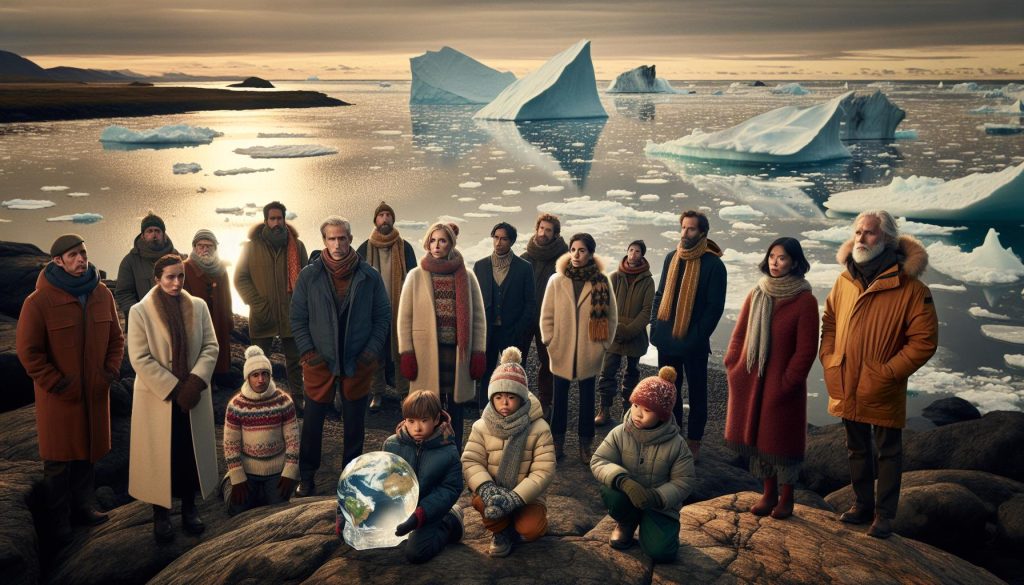
Did you know that sea ice reflects around 80% of sunlight, acting as Earth’s natural sunshade? As climate change intensifies, the loss of this vital ice cover poses a significant threat to global climate stability. Understanding how melting sea ice affects weather patterns, ocean currents, and ecosystems is crucial for everyone-whether you’re concerned about extreme weather events, wildlife preservation, or the future of our planet. This article delves into the intricate connections between sea ice and climate regulation, exploring the far-reaching impacts that resonate far beyond the Arctic. By uncovering these relationships, you’ll gain insights into why protecting our ice-covered regions is essential for a stable climate and how we can all play a part in this critical mission. Join us as we explore the science, implications, and paths forward in safeguarding our planet’s climate resilience.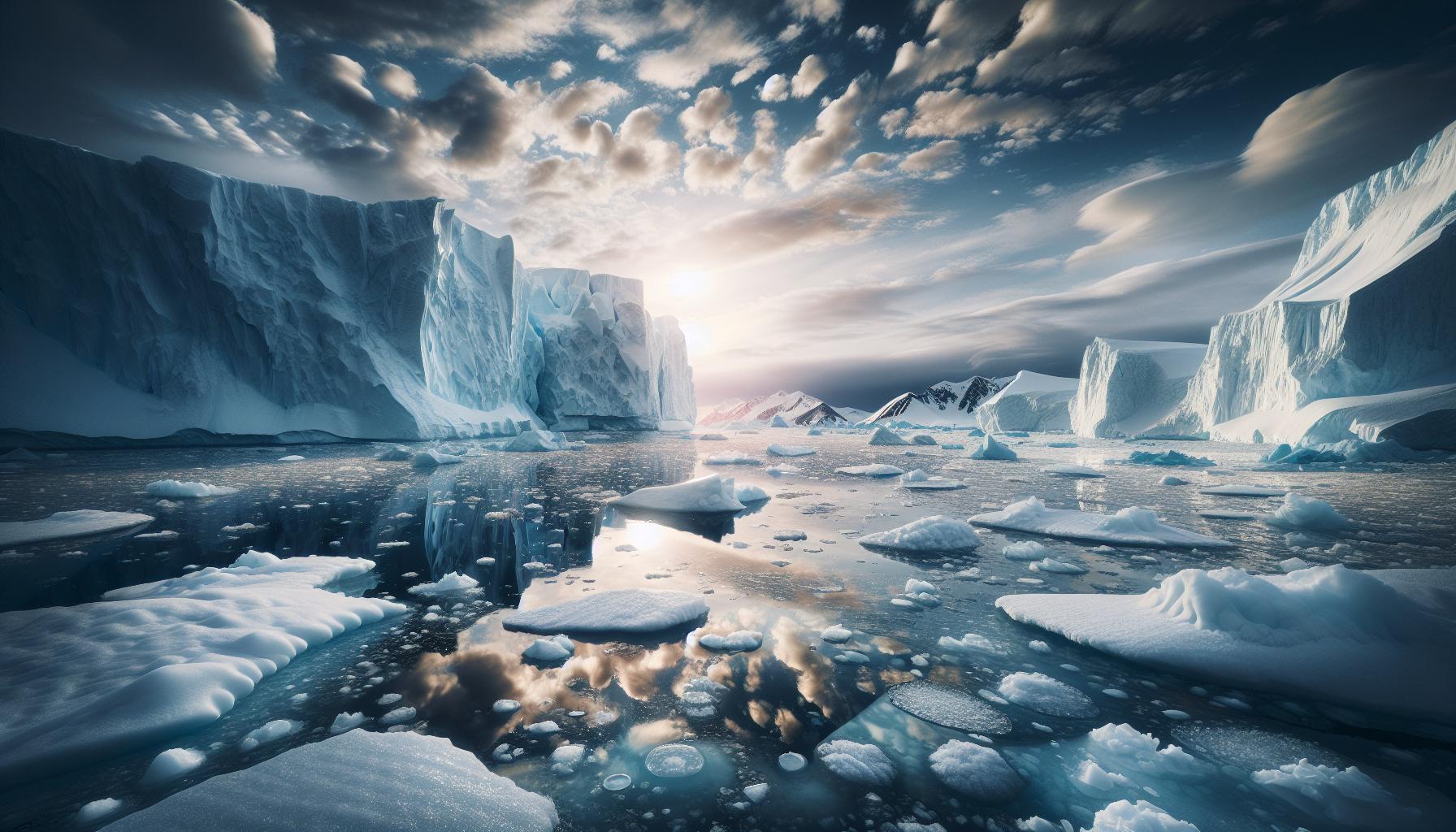
How Sea Ice Influences Global Weather Patterns
The retreat of sea ice in polar regions is more than a stark visual sign of climate change; it significantly influences global weather patterns. Sea ice plays a crucial role in the Earth’s climate system, acting as a reflective surface that minimizes heat absorption by the ocean. When this ice cover diminishes, darker ocean water is exposed, which absorbs more solar radiation and leads to an increase in ocean temperatures. This warming can alter atmospheric circulation patterns, impacting weather conditions far beyond the polar regions.
One noteworthy impact of diminishing sea ice is the alteration of the jet stream, a fast-moving air current that influences weather patterns across the globe. As temperature gradients between the equator and the poles reduce due to warming, the jet stream can become wavier and more erratic, resulting in prolonged weather patterns. For instance, this may lead to extended heatwaves in some areas or persistent cold spells in others. Such shifts can disrupt local climates and exacerbate extreme weather events, making communities more vulnerable.
In addition to changing the jet stream, reduced sea ice affects the exchange of heat and moisture in the atmosphere. This shift can change precipitation patterns, impacting water availability in regions that rely on consistent rainfall for agriculture. For example, areas that are already prone to drought may experience drier conditions, while others could see increased flooding as storms grow more intense due to higher sea surface temperatures.
Ultimately, understanding how sea ice shapes global weather patterns is essential for creating adaptive strategies. Communities can take proactive measures by investing in infrastructure resilient to changing weather conditions and advocating for policies that mitigate climate change. Emphasizing sustainable practices and supporting renewable energy initiatives can contribute to preserving these vital ice formations, enhancing both environmental stability and regional resilience.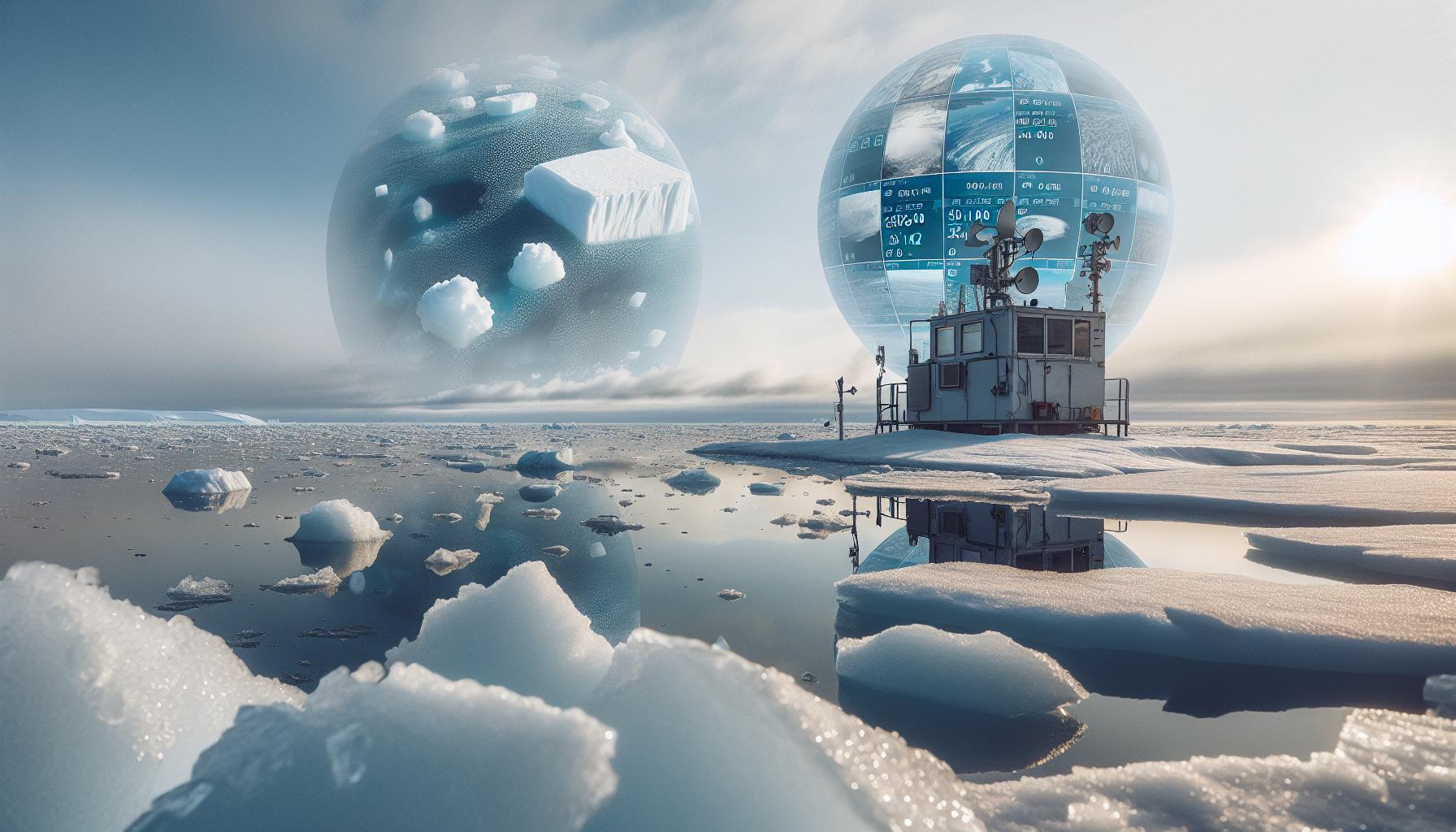
The Role of Sea Ice in Regulating Ocean Currents
The intricate dance between sea ice and ocean currents is fundamental to the Earth’s climate system. Sea ice not only influences the physical characteristics of the ocean surface but also plays a pivotal role in regulating global ocean currents, which are essential for distributing heat and nutrients around the planet. As the ice forms and melts seasonally, it drives significant changes in salinity and temperature gradients, which in turn dictate the movement of ocean currents.
When sea ice melts, it introduces freshwater into the ocean, altering the salinity levels. This change can disrupt established ocean currents, slowing their flow or, conversely, intensifying them depending on regional conditions. For instance, the melting of Arctic sea ice has contributed to variations in the Atlantic Meridional Overturning Circulation (AMOC), a major current that transports warm water from the tropics to the North Atlantic. Such alterations can profoundly impact weather patterns in Europe and North America, leading to colder winters or more extreme weather phenomena.
In addition to influencing existing currents, the loss of sea ice affects the heat exchange between the ocean and the atmosphere. Open water, which absorbs sunlight more readily than ice, leads to increased ocean temperatures. Warmer ocean waters accelerate the melting of surrounding ice, creating a feedback loop that further amplifies warming. This phenomenon illustrates how interconnected and delicate our climate system truly is, as changes in sea ice dynamics can have far-reaching implications for global climate stability.
To mitigate these impacts, there are several actions we can take. Individuals and communities can advocate for policies that reduce greenhouse gas emissions, thus slowing the rate of climate change. Supporting clean energy initiatives and engaging in local conservation efforts can also contribute to maintaining sea ice stability. Understanding the critical role of sea ice in ocean and climate dynamics empowers us to make informed decisions and drive the collective action needed to protect our planet’s vital ecosystems for future generations.
Impact of Sea Ice Loss on Climate Change Acceleration
The rapid decline of sea ice in polar regions is a stark indicator of climate change, with consequences that reverberate throughout the global climate system. As sea ice melts, it transforms vast areas of reflective ice into dark ocean water, which absorbs significantly more solar energy. This transition not only contributes to localized warming but also accelerates broader climate change processes through a series of intricate feedback loops.
One critical impact of sea ice loss is the alteration of heat distribution across the planet. Warmer waters in the Arctic influence atmospheric conditions and can lead to shifts in weather patterns far beyond their immediate vicinity. For example, research indicates that changing Arctic temperatures can destabilize the Polar Jet Stream, resulting in prolonged cold spells in regions like North America and Europe or unusually warm conditions in other parts of the world. This kind of climatic fluctuation demonstrates how interconnected sea ice patterns are with global weather dynamics.
Moreover, the retreat of sea ice affects the ocean’s ability to sequester carbon dioxide. The melting ice exposes more ocean surface area, which can enhance evaporation and contribute to increased humidity. Warmer water absorbs less carbon dioxide, allowing more greenhouse gases to remain in the atmosphere and exacerbating climate change. Coupled with these changes is the growing risk of tipping points, where critical thresholds may be crossed, leading to irreversible changes in the climate system.
To proactively address these challenges, individuals and communities can take action to reduce their carbon footprints. Simple steps include adopting energy-efficient practices, reducing waste, and supporting legislation aimed at lowering greenhouse gas emissions. Collectively, grassroots initiatives can influence larger policy reforms, emphasizing the importance of community engagement in combatting global climate change. By understanding the profound interconnections between sea ice and climate stability, we can foster a sense of responsibility and urgency in our efforts to preserve these vital ecosystems.
Feedback Loops: Sea Ice and Global Temperature
Shifting patterns in sea ice cover are not just a marker of climate change; they actively contribute to it through intricate feedback loops that dramatically affect global temperatures. When sea ice melts, the reflective white surface gives way to darker ocean water, which absorbs more sunlight and accelerates warming. This phenomenon, often described as a “feedback loop,” is crucial in understanding how our climate system operates. As temperatures rise, more ice melts, leading to even more warming-a cycle that benefits from ongoing emissions and exacerbates climate destabilization.
One of the major ways this feedback manifests is through altered atmospheric patterns, particularly in the Arctic region. Changes in sea ice concentration can weaken the Polar Jet Stream, a powerful wind pattern that influences weather systems across the globe. As the jet stream becomes wavier due to fluctuating ice levels, regions can experience prolonged extreme weather events: think of harsh winters in the Northern Hemisphere or unanticipated heatwaves. For instance, extreme cold spells in the Midwest U.S. are often linked to disruptions in this jet stream caused by melting Arctic ice, demonstrating the interconnectedness of sea ice dynamics and global weather patterns.
When it comes to addressing these feedback effects, fostering awareness and action at the community level can be powerful. Individuals can support renewable energy initiatives or engage in local climate advocacy to push for policies aimed at reducing greenhouse gas emissions. Simple actions, like reducing personal energy consumption or advocating for sustainable practices in local industries, can contribute to wider systemic changes. For example, creating green spaces and using sustainable materials not only reduces local emissions but also enhances community resilience against climate impacts.
Ultimately, recognizing the direct ties between sea ice feedback loops and temperature changes can empower communities to take meaningful action. By working collaboratively to mitigate climate change, we can slow the cycles that make our planet more vulnerable, encouraging a more stable and sustainable future. It’s not just about scientific understanding-it’s about translating that knowledge into positive, tangible steps that can help stabilize our climate for generations to come.
Consequences of Sea Ice Reduction on Ecosystems
The dramatic reduction of sea ice is more than just an alarming statistic; it symbolizes a profound shift in the ecological balance of our planet. For numerous marine species, sea ice serves as a critical habitat that supports intricate food webs. With less sea ice, many species face challenges that threaten their survival. For example, polar bears depend on sea ice for hunting seals, which are their primary food source. As the ice diminishes, these bears are forced to swim longer distances, making it harder for them to find food and ultimately leading to lower reproductive rates and mortality, thereby impacting the entire Arctic ecosystem.
In addition to polar bears, other marine animals such as seals and walruses rely on sea ice as resting and breeding platforms. The reduction in ice leads to overcrowded conditions on remaining ice floes, increasing competition for space and resources. Furthermore, as ice retreats, it alters the foraging patterns of these animals, which can lead to decreased populations. Fish species that depend on ice algae, which provides essential nutrients, are also affected, causing a ripple effect through the food chain and threatening the fishery industries that depend on them.
The changes extend beyond marine life, affecting terrestrial ecosystems as well. For instance, the melting ice alters the nutrient flows from land to ocean, impacting marine biodiversity and food security in surrounding communities. Coastal ecosystems, like kelp forests and coral reefs, also suffer from the influx of warmer water and increased sedimentation resulting from ice melt, leading to degradation of these critical habitats. Consequently, the ramifications of sea ice loss stretch into broader ecological systems, disrupting everything from nutrient cycling to predator-prey dynamics.
To address these challenges, it is vital for communities and policymakers to engage in practices that promote the sustainability of marine ecosystems. Here are a few actionable approaches:
- Support Marine Conservation Efforts: Engage with organizations focused on protecting marine habitats and species through sustainable practices.
- Advocate for Climate Action: Push for reduced greenhouse gas emissions on a local and national level to mitigate climate change effects on sea ice.
- Educate Others: Share knowledge about the importance of sea ice ecosystems and engage in discussions about climate resilience.
- Participate in Restoration Projects: Join local initiatives aimed at rehabilitating coastal and marine environments that have been impacted by ice loss.
Ultimately, by fostering awareness and implementing proactive measures, we can help sustain the ecosystems dependent on sea ice, ensuring they continue to thrive amidst the challenges posed by climate change. The road ahead requires collective action, informed policies, and a commitment to preserving our planet’s delicate balance.
Sea Ice and Its Effect on Global Sea Levels
The diminishing expanse of sea ice has significant repercussions for global sea levels, a fact that underscores the interconnectedness of our planet’s systems. As sea ice melts, it contributes to the overall rise in sea levels-impacting coastal communities, ecosystems, and the global climate. While it may seem counterintuitive, the loss of floating sea ice does not directly contribute to sea level rise, as its melting does not add water to the ocean. However, the consequences of this reduction stretch far beyond just the ice itself.
When sea ice disappears, it accelerates the warming of the ocean surface due to the loss of its reflective qualities, allowing more solar energy to be absorbed. This increased absorption can worsen the ice melt, creating a feedback loop that further elevates temperatures. Additionally, the melt of land-based ice, particularly from ice sheets in Greenland and Antarctica, is significantly influenced by changes in ocean currents and temperature that arise from the loss of surrounding sea ice. Research indicates that the warming waters around these ice sheets enhance melt rates and destabilize ice shelves, which directly contributes to rising sea levels.
Implications for Coastal Communities
As sea levels rise, coastal cities and island nations face unprecedented risks, including flooding, erosion, and damage to infrastructure. For instance, cities like Miami, New Orleans, and parts of Bangladesh are already experiencing increased high-tide flooding due to rising seas. Communities must therefore consider investing in adaptable infrastructure, such as seawalls and advanced drainage systems, and advocating for policy changes that address climate resilience.
To proactively tackle these challenges, individuals and communities can take several practical steps:
- Stay Informed: Regularly track sea-level trends and engage with local discussions about climate change impacts.
- Community Engagement: Participate in local climate action groups that focus on coastal resilience.
- Support Sustainable Practices: Advocate for and adopt sustainable land-use practices that minimize environmental footprints.
In conclusion, the effects of sea ice loss extend far beyond the polar regions, influencing global sea levels and potentially destabilizing coastal areas. By understanding these dynamics and implementing strategies to adapt and mitigate their impacts, we can work towards a more resilient future. The urgency to address these issues cannot be overstated, and collective action is essential to navigate the challenges posed by climate change and its effects on sea levels.
Cultural and Economic Implications of Sea Ice Changes
The decline of sea ice is not merely an environmental concern; it ripples through cultural and economic fabrics worldwide, influencing the livelihoods and identities of various communities, particularly Indigenous peoples. In addition to serving as a vital habitat for marine life, sea ice is integral to traditional hunting practices, spiritual beliefs, and cultural heritage. For instance, Inuit communities in the Arctic depend on stable sea ice for hunting seals, a primary food source. As sea ice diminishes, these communities face significant disruptions in their food security and cultural practices. Moreover, loss of sea ice alters the landscape and ecosystems that have sustained these cultures for millennia, creating a disconnect between traditional ways of life and the realities of a warming world.
Economically, the repercussions of sea ice changes are both profound and multifaceted. The opening of new shipping routes due to receding ice is pushing nations to reconsider geopolitical strategies, thereby impacting global trade dynamics. From a financial perspective, melting ice caps raise the potential for oil and mineral extraction in previously inaccessible areas, leading to increased corporate interest and investment. However, such exploitation carries considerable risks, including environmental degradation and the displacement of Indigenous communities reliant on these ecosystems. Diversifying local economies, particularly in tourism and sustainable fisheries, can create adaptive pathways for those vulnerable to the economic shocks tied to the loss of sea ice.
Local and global stakeholders must recognize the intertwined nature of cultural preservation and economic resilience. Implementing policies that prioritize sustainable practices while acknowledging Indigenous rights can foster a balanced approach to development. For instance, programs that support community-led conservation efforts not only empower local populations but also contribute to broader climate goals. Education and outreach initiatives can also play a crucial role in increasing awareness about the cultural significance of sea ice, leading to more informed public support for climate action.
In conclusion, addressing the requires a holistic view encompassing environmental, social, and economic factors. By investing in sustainable solutions that uphold cultural practices and economic opportunities, societies can forge paths toward resilience that honor both tradition and innovation. As we confront the challenges posed by climate change, collaboration, informed decision-making, and respect for Indigenous knowledge will be essential for safeguarding the future of communities affected by shifting ice dynamics.
Regional Climate Variations Driven by Sea Ice Dynamics
The dramatic changes in sea ice cover are not merely geographical phenomena; they resonate deeply through regional climates, influencing weather patterns and ecological balances far beyond the polar regions. For instance, researchers have observed that the decrease in Arctic sea ice correlates with altered weather patterns in the Northern Hemisphere, leading to changes in storm tracks and intensifying extreme weather events such as droughts and heavy rainfall in mid-latitude regions. Such shifts can impact agriculture, water supplies, and even public health, making this an urgent area of study for scientists and policymakers alike.
Impacts on Weather Patterns
The reduction of sea ice influences the North Atlantic Oscillation (NAO), a climate pattern that significantly affects winter weather across Europe and North America. With less ice to reflect sunlight, the Arctic Ocean absorbs more heat, which can disrupt traditional temperature gradients. This, in turn, can lead to persistent weather systems, making some regions warmer or colder than usual. For example, the “blocking” weather pattern associated with a weakened jet stream can trap cold air in certain areas, leading to extended cold spells and snow in some regions while others experience atypical warmth.
- Examples of Regional Effects:
- The Eastern United States has seen increased snowfall during winter months due to changes in storm trajectories.
- Parts of Europe have experienced both colder winters and hotter summers, linked to fluctuating Arctic conditions.
- Ecological Implications: Altered weather patterns not only affect humans but also disrupt ecosystems, impacting species migration and breeding cycles as they struggle to adapt to new climatic realities.
Long-term Consequences
The long-term consequences of these shifts can be severe, especially as they affect local economies reliant on agriculture, fishing, and tourism. Regions that experience erratic weather patterns may find it more challenging to maintain crop yields, while altered marine environments can affect fish populations, threatening the livelihoods of communities dependent on fishing. To mitigate these impacts, local authorities and communities should focus on making adaptive changes, such as diversifying crops that can better withstand variable weather and investing in sustainable fishing practices that protect marine biodiversity.
Examining the interplay between sea ice dynamics and regional climate variations offers a compelling insight into how interconnected our world truly is. By fostering collaboration between scientists, local communities, and policymakers, we can better prepare for the challenges posed by climate change while promoting strategies that enhance resilience and sustainability.
The Science of Sea Ice: Formation and Melting Process
The intricate processes behind sea ice formation and melting play a critical role in maintaining the delicate balance of our planet’s climate system. Sea ice is formed when seawater freezes, typically in polar regions, creating a crucial shield that moderates ocean temperatures. This freezing process occurs when air temperatures drop sufficiently, allowing the surface of the ocean to cool. Initially, small ice crystals form, which then aggregate and grow into a solid sheet of ice. Interestingly, the growth of sea ice can vary seasonally and is influenced by various climatic factors, including ocean temperatures, wind patterns, and insolation (solar radiation).
As the seasons change, melting dynamics become just as important as formation. During warmer months, the sun’s energy penetrates the ice, increasing the water temperature underneath. This causes the ice to melt, leading to a seasonal fluctuation in sea ice cover. Importantly, the melting process isn’t uniform; factors such as ocean currents and atmospheric conditions influence how quickly ice disintegrates. For instance, warmer air temperatures can lead to earlier melting in spring, which has cascading effects on marine ecosystems and weather patterns. The melting of sea ice not only contributes to rising sea levels but also exposes darker ocean water, which absorbs more heat than reflective ice, creating a feedback loop that accelerates warming.
The Role of Sea Ice in Climate Regulation
Sea ice serves as a crucial climate regulator, reflecting sunlight back into space (a phenomenon known as the albedo effect). This reflective capability helps to moderate global temperatures and keeps polar regions cooler. However, as sea ice diminishes, less sunlight is reflected, leading to increased ocean warming and further ice loss. This self-amplifying cycle is of great concern, as it not only impacts local wildlife but also influences weather systems around the globe.
To address the challenges presented by decreasing sea ice, scientists recommend a multifaceted approach to preserve its stability. This includes global efforts to reduce greenhouse gas emissions, promote sustainable practices that minimize anthropogenic climate impacts, and enhance research on ice patterns to improve predictive models. Integrating local knowledge with scientific understanding can enhance resilience strategies, ensuring that communities can adapt to changing environmental conditions while protecting the invaluable sea ice that plays such a vital role in our planet’s climate stability.
As we contemplate the future, understanding the science of sea ice formation and melting is essential for shaping effective climate policies and fostering international cooperation. By investing in research and sustainable practices today, we can help mitigate the impacts of climate change and protect the delicate balance of our global climate system for future generations.
Innovative Solutions to Preserve Sea Ice Stability
As the Arctic continues to warm at alarming rates, are becoming increasingly essential. One promising strategy involves creating artificial ice islands to augment existing natural sea ice. These structures can be designed to enhance the albedo effect, reflecting sunlight and reducing ocean warming. Engineers are exploring materials and technologies that mimic natural ice properties, allowing these artificial formations to blend seamlessly with their surroundings. Pilot projects are being initiated in various polar regions to study their effectiveness and adaptability.
Collaborative International Research is another cornerstone of effective sea ice preservation. Countries that share Arctic regions are forming partnerships to conduct extensive research on local ice dynamics and their impact on global climate. Programs like the Arctic Council emphasize the importance of sharing data and best practices, which not only aids immediate conservation efforts but also fosters long-term resilience strategies. For example, satellite monitoring of sea ice patterns provides invaluable insights into how weather patterns shift, helping scientists and policymakers make informed decisions.
- Community Engagement: Local indigenous communities possess centuries of knowledge about ice behavior and its environmental cues. Incorporating their insights into scientific research can lead to sustainable management practices that align with both ecological integrity and respect for traditional lifestyles.
- Policy Advocacy: Advocating for global policies that aim to limit greenhouse gas emissions is crucial. Grassroots movements focused on climate action emphasize the interconnectedness of emissions reductions and sea ice stability, making them powerful agents for change.
Moreover, enhancing the resilience of local ecosystems can also help buffer against the effects of diminishing sea ice. Conservation efforts aimed at restoring coastal habitats, such as wetlands and mangroves, can significantly mitigate climate impacts by sequestering carbon and providing habitats for marine life. In regions where ice loss directly affects local fisheries and wildlife, integrating sustainable fishing practices can alleviate some pressures, promoting healthier ecosystems.
As we work toward innovative, practical solutions to stabilize sea ice, it’s crucial to recognize the collective responsibility we hold. By combining technology, scientific research, traditional knowledge, and community engagement, it is possible to formulate a comprehensive approach that not only protects sea ice but also enhances global climate stability for generations to come.
Future Projections: What Happening to Sea Ice Means for Us
The decline of sea ice in the Arctic is more than just a local phenomenon; it holds profound implications for global climate stability. Projections indicate that if current warming trends continue, Arctic sea ice may disappear entirely during the summer months by mid-century. This transformation could accelerate climate change, as sea ice plays a critical role in reflecting solar radiation back into space. Without this reflective barrier, darker ocean waters absorb more heat, leading to a further rise in temperatures both in the Arctic and globally. A study highlighted that the Arctic has lost an average of 73,000 km² of sea ice each year in summer since 1979, emphasizing the rapid pace of this change [[1]](https://www.eea.europa.eu/en/analysis/indicators/arctic-and-baltic-sea-ice).
To comprehend the significance of this, it can be helpful to view the Earth as a finely tuned system where each part interacts with the others. The loss of sea ice disrupts not only local ecosystems but also affects ocean currents that regulate weather patterns around the world. The North Atlantic Current, for example, is influenced by the temperature gradients between ocean and ice. If this current weakens due to temperature alterations, it could lead to unpredictable weather patterns, such as harsher winters or prolonged droughts in parts of Europe and North America.
Furthermore, the implications extend into socio-economic realms. Regions dependent on stable climatic conditions for agriculture, fishing, and tourism may experience shifts that jeopardize their livelihoods. Indigenous communities, who have relied on stable ice environments for hunting and fishing for generations, face an uncertain future. Integrating their traditional knowledge with modern scientific research can offer insights into adaptive strategies that honor their culture while addressing environmental changes.
In the face of these challenges, proactive measures are essential. Individuals and communities can advocate for policies that address greenhouse gas emissions while supporting initiatives aimed at restoring Arctic ecosystems. Simple actions like reducing waste, conserving energy, and participating in local conservation efforts can contribute to broader climate resilience strategies. As we confront the realities of sea ice loss, fostering a collective responsibility toward our planet will be critical for shaping a sustainable future.
Connecting Sea Ice Trends to Global Climate Policies
The implications of declining sea ice extend far beyond the poles, reverberating through global climate policies and impacting every corner of society. As Arctic sea ice diminishes-a phenomenon that has accelerated at alarming rates-policymakers are increasingly aware that these changes not only influence the local environment but also have cascading effects on global weather patterns and climate stability. For instance, the reduction of sea ice significantly alters the heat balance of the Earth, diminishing the planet’s ability to reflect solar radiation and thereby intensifying global warming. This reinforces the urgent need for robust climate policies that address both mitigation and adaptation strategies.
Integrating Sea Ice Data into Policy Frameworks
Policymakers can harness real-time satellite data on sea ice extent and thickness to enhance climate models and inform decision-making. By implementing frameworks that utilize this data, governments can better predict potential climatic shifts and establish preemptive measures to protect vulnerable ecosystems and communities. For example, countries participating in international agreements such as the Paris Agreement can set more targeted emissions reduction goals based on projections of sea ice loss and its correlated effects on global temperatures. This proactive approach helps safeguard not only the Arctic but also the broader environment, as the interconnected nature of climate systems means that changes in one area can lead to far-reaching consequences elsewhere.
Community and Indigenous Knowledge in Policymaking
In addition to scientific data, integrating the traditional knowledge of Indigenous communities can enhance the effectiveness of climate policies. Many Indigenous populations have observed and documented changes in sea ice patterns over generations, offering unique insights into ecological shifts and their impacts on local species and habitats. Collaborative efforts that bring together scientists and Indigenous voices can lead to innovative adaptations in resource management and conservation strategies. This integrative approach can foster community resilience, ensuring that policies not only combat climate change but also honor cultural heritage and support local economies.
Evaluating Financial Implications and Opportunities
To address the financial aspects of sea ice trends, it is essential for governments and organizations to evaluate the costs associated with climate change-related disruptions in industries reliant on predictable weather patterns, such as agriculture, fishing, and tourism. Policymakers must also identify new opportunities for green technologies and renewable energy solutions that emerge from a commitment to sustainability. By providing incentives for businesses to innovate, societies can transition towards a circular economy that mitigates the effects of climate change while fostering economic growth.
Ultimately, addressing the intersecting issues of sea ice loss and climate stability requires a multifaceted approach, relying on scientific expertise, Indigenous wisdom, and strategic policy frameworks. Collective action at local, national, and global levels will be key to ensuring a resilient future for generations to come.
Frequently Asked Questions
Q: How does melting sea ice impact coastal communities?
A: Melting sea ice contributes to rising sea levels, increasing the risk of flooding in coastal communities. As ice diminishes, coastal habitats and infrastructure may also become more vulnerable to storms and erosion. Implementing adaptive measures, such as investing in resilient infrastructure, is crucial for these communities.
Q: Why is sea ice important for global weather patterns?
A: Sea ice plays a critical role in regulating global weather by influencing atmospheric circulation and temperature. It reflects sunlight, helping maintain cooler temperatures. As sea ice decreases, heat absorption increases, altering weather patterns globally and contributing to climate instability.
Q: What role does sea ice play in carbon storage?
A: Sea ice acts as a barrier that limits the release of carbon stored in the ocean, particularly in the Arctic. Its reduction can expose these carbon reserves, potentially releasing stored greenhouse gases into the atmosphere and worsening climate change impacts.
Q: How does the loss of sea ice affect marine biodiversity?
A: The loss of sea ice disrupts habitats for numerous marine species, including seals and polar bears. Changes in ice cover can lead to shifts in predator-prey relationships and affect migration patterns, ultimately threatening biodiversity in Arctic ecosystems.
Q: What are the feedback mechanisms involving sea ice and climate change?
A: Feedback mechanisms occur when melting sea ice leads to increased ocean temperatures, which then accelerate further ice loss. This cycle contributes to a warming climate, creating a compounding effect on global temperature and weather patterns.
Q: How can awareness of sea ice loss influence climate policies?
A: Increasing public awareness about sea ice loss can drive demand for effective climate policies. Advocacy for sustainable practices, renewable energy, and reduced carbon emissions is essential for addressing the root causes of climate change and preserving sea ice.
Q: When could we see critical thresholds for sea ice melting?
A: Critical thresholds for sea ice melting could be reached as early as mid-century if current emissions trends continue. This could result in irreversible changes in climate systems, necessitating immediate global climate responses to mitigate these impacts.
Q: Where can individuals help in efforts to preserve sea ice?
A: Individuals can contribute by reducing their carbon footprint, supporting policies aimed at climate change mitigation, and advocating for renewable energy solutions. Engaging in community awareness programs can also amplify the efforts to protect polar ecosystems.
The Way Forward
As we’ve explored, sea ice plays a crucial role in maintaining global climate stability by regulating temperatures and influencing weather patterns. Understanding its significance inspires immediate action-whether it’s reducing our carbon footprint or advocating for policies that protect our environment. If you’re eager to dive deeper into related topics, check out our detailed articles on the effects of climate change on marine ecosystems and the latest strategies in sustainable practices.
Don’t miss out on the chance to enhance your knowledge-subscribe to our newsletter for updates on new insights and resources. Your engagement helps build a community dedicated to addressing climate challenges. Share your thoughts below, and let’s discuss how we can contribute to a more sustainable future together. By staying informed and active, we can make a difference, even as the climate landscape evolves.
Get our latest guides, news, and insights highlighted in your Google Search & AI Overviews.